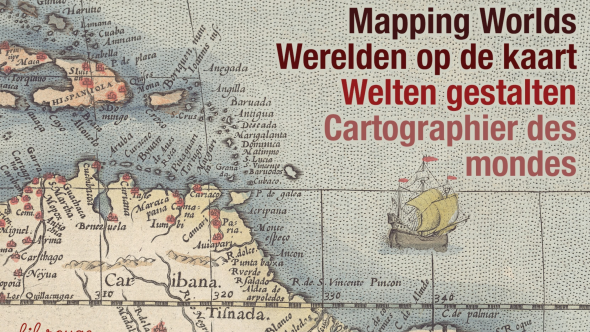
Inspired by the 500th anniversary of the birth of the Antwerp cartographer Abraham Ortelius*, this new thematic focus will allow students to explore the worlds we construct, those we inherit, and even those we might like to imagine. Languages, literature, and cultural productions will serve as entry points for examining these different representations. “The idea is to reflect on the worlds that are taking shape and being reshaped, but also on the role that language, literature, and cultural products play in how we represent them,” adds Laurence Mettewie, Dean of the Faculty of Philosophy and Humanities and professor of Dutch linguistics.
This theme will be explored in several courses and activities organized throughout the year. Jeroen Darquennes’ new course, titled “Language and Colonialism,” invites students, in particular, to engage in critical reflection on how European colonial narratives have contributed, over the past centuries, to shaping (mental) maps of the world beyond Europe. In Dutch literature, students will study Raoul de Jong’s novel *Jaguarman* (2020, French translation 2023), which explores the search for his roots between the Netherlands and Suriname, a former Dutch colony. The author will be our guest in Namur during Elisabeth Leijnse’s final class. In the realm of German-language literature, Guillaume Etienne and Valérie Leyh will organize a study day dedicated to accounts of journeys on foot and the way the world is explored through this form of “gentle mobility,” which emphasizes detail and a slow pace. Emma-Louise Silva and Lieven Vandelanotte will combine literary and linguistic analyses of imaginary and artistic cartographies as part of the “Language and Society” course, before introducing students to unique itineraries during the educational trip to London.