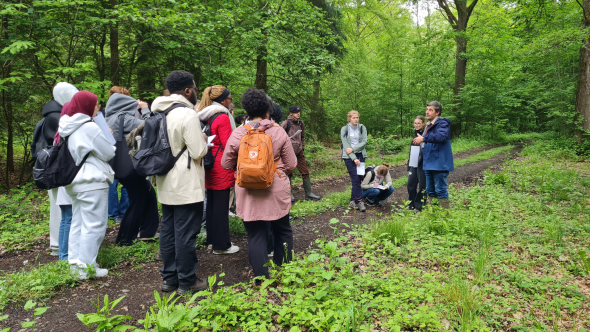
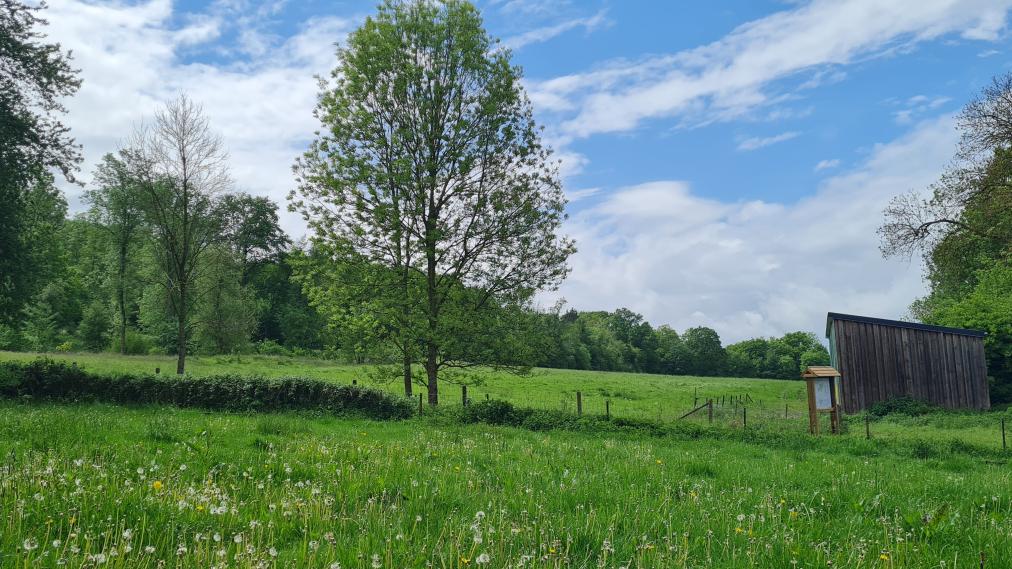
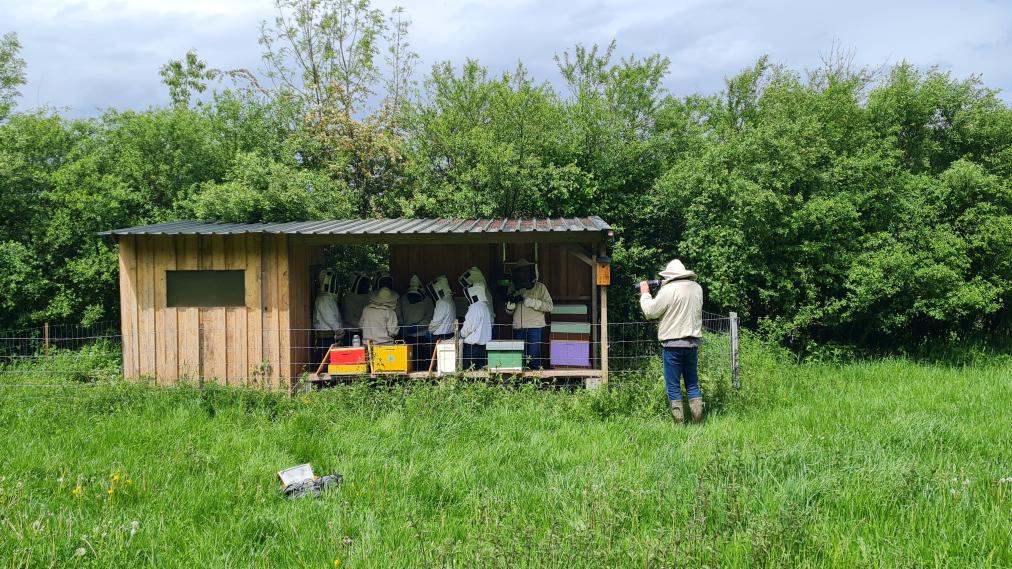
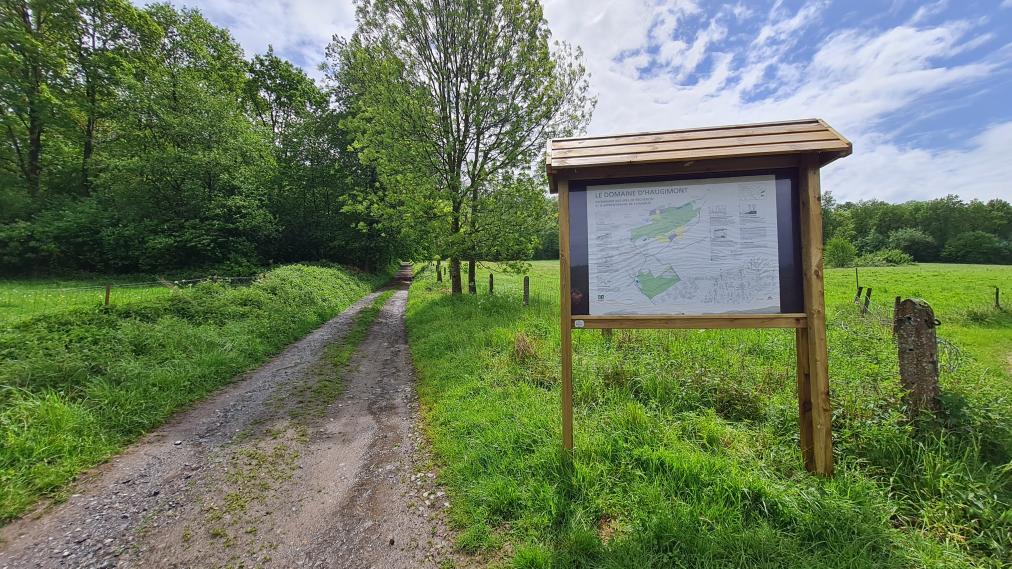
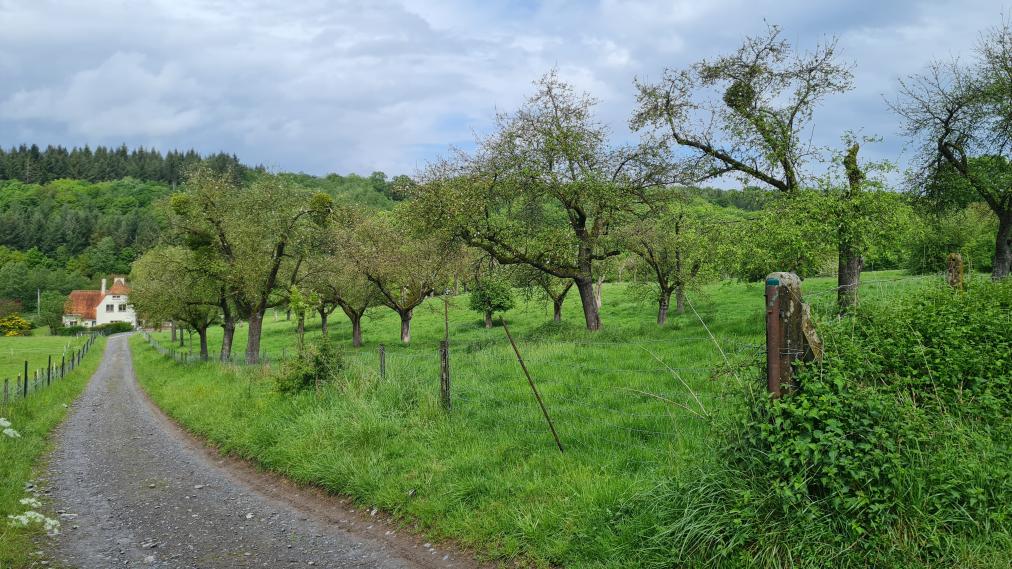
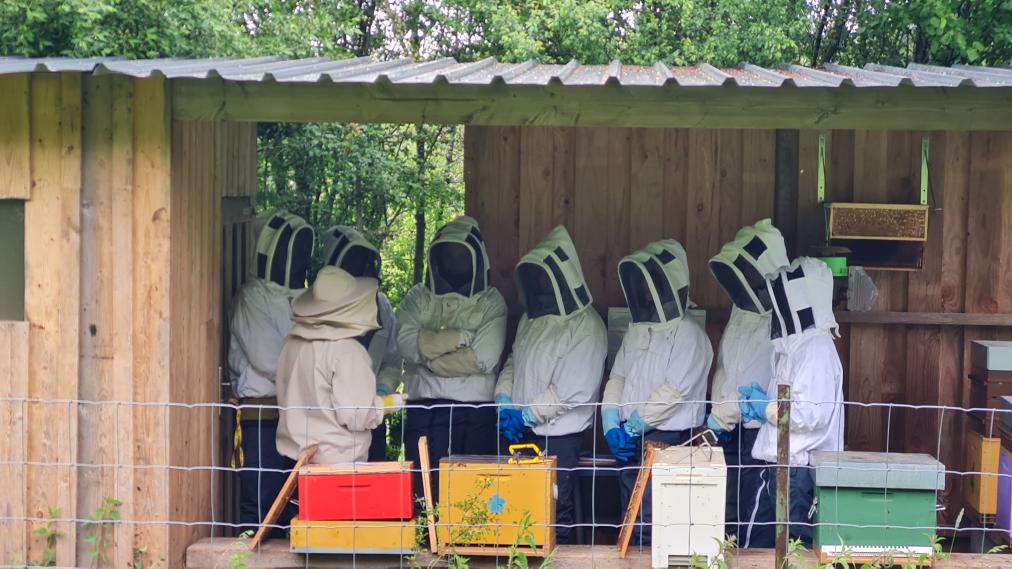
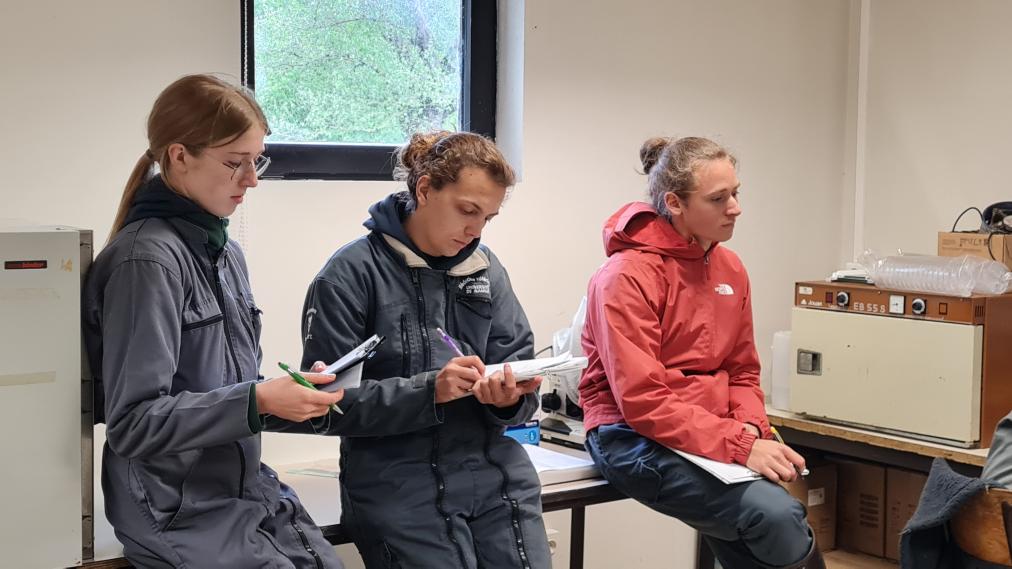
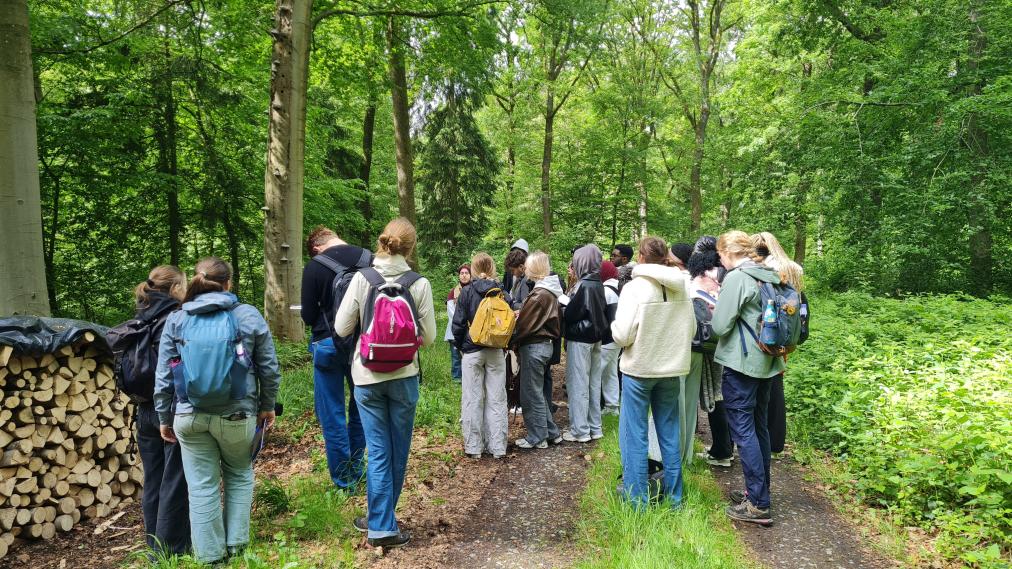
In Faulx-les-Tombes, the Domaine d’Haugimont is one of the University of Namur’s iconic natural heritage sites. Spanning nearly 360 hectares—including approximately 295 hectares of forest—UNamur has been implementing Pro Silva forest management practices there for several decades: promoting natural regeneration, diversifying tree species, preserving habitats, and maintaining the forest’s ecological functions.

This approach was analyzed as part of the PRW108 project, titled “30 Years of Pro Silva Silviculture at UNamur’s Domaine d’Haugimont: An Ecological and Economic Assessment—Lessons and Prospects for Resilient Forests in Wallonia.” Selected in 2023 as part of the Walloon call for projects “Supporting the Regeneration of Resilient Forests,” PRW108 enabled the analysis of forestry data accumulated by UNamur over 30 years. This analysis, along with the production of educational summary documents, also enabled our institution to fulfill its commitments to the Baillet Latour Fund, which had awarded UNamur its renowned Environment Prize in 2016.

Image
Annick Castiaux

Haugimont is a place where the university can fully fulfill its role: generating knowledge, educating future generations, and testing concrete solutions to environmental challenges. The results of the PRW108 project demonstrate how patient management—based on observing living systems and cooperating with local stakeholders—can fuel the ecological transition. 

Annick Castiaux President of the University of Namur

The PRW108 project brought together two key areas: forestry economics and ecology. The economic assessment is based on four comprehensive standing timber inventories conducted between 1992 and 2019, as well as on an analysis of accounting data, management costs, investments, expenses, and revenues related to the forest. The objective: to document the profitability of Pro Silva silviculture based on mixed stands, natural regeneration, and the sustainable use of wood.

The ecological assessment, meanwhile, is based on indicators such as humus types, deadwood, dendromicrohabitats, trees of biological interest, very large trees, vascular plants, wood-dwelling fungi, and epiphytic lichens. These markers make it possible to assess soil quality, forest continuity, and habitat diversity.

Lessons for More Resilient Forests

Against a backdrop of climate change, health pressures, and biodiversity loss, Walloon forests must strengthen their ability to adapt. In Haugimont, the project’s findings confirm the benefits of a diverse, uneven-aged forest composed mainly of native broadleaf species and managed in accordance with natural dynamics.

Image
Simon Hauser

Haugimont is an exceptional observation site because it allows us to see the effects of long-term changes. The PRW108 project helps us objectively assess what we observe in the field: a forest that is regenerating, habitats that are diversifying, and management practices that seek a balance between production, biodiversity, and the preservation of natural heritage. 

Simon Hauser Estate Manager of the Domaine d’Haugimont

Beyond the diagnostic phase, PRW108 also has a strong educational component. The project resulted in a report, three thematic summaries—focusing on economic aspects, biodiversity, and soils, as well as regeneration—and educational materials intended for landowners, managers, government agencies, students, and forestry professionals.

Image
Amélie Lachapelle

The development of the Domaine d’Haugimont as a site for scientific exploration and experimentation is one of the University’s three strategic initiatives in the area of Sustainable Development & Transition. A place for learning and research, this estate is also a source of wonder that (re)connects us to the natural world and calls on us, deep down, to care for it. 

Amélie Lachapelle Project Manager, “Transitions & Sustainable Development”

Crucial support from the Baillet Latour Fund

The project is part of a broader history of recognition and support. In 2016, the management of the Domaine d’Haugimont was honored with the Baillet Latour Fund’s Environmental Award, a significant acknowledgment of the multifunctional management of the Domaine d’Haugimont, which comprises a variety of biotopes that enable the development of applied research alongside educational use for students and other visitors. The restoration of its buildings, the comprehensive study of its botanical, zoological, geological, geographical, and historical features, as well as the creation of an educational tool such as the “Géoparcours”—which is set to be expanded and promoted in the near future —and the local processing of timber produced on the estate through a local sawmill during the Faculty of Sciences’ construction—had thus strongly impressed the jury members at the time.

The support from the Baillet Latour Fund sent an important signal,” recalls Annick Castiaux. “It recognized the value of an approach that goes beyond the mere management of a university estate: Haugimont is a place where we learn to care for living things, to envision the forest of tomorrow, and to put knowledge to work for society.”

A video of the Haugimont estate:

Vidéo Haugimont

The Domaine d’Haugimont in Ten Key Figures

  • 1978: the year since which Haugimont has served as a center for teaching and research for UNamur.
  • Nearly 360 hectares: the total area of the estate.
  • 295 hectares: the area covered by forest, representing approximately 82% of the estate.
  • 30 years: the period analyzed as part of the PRW108 project.
  • 4 comprehensive standing timber inventories conducted between 1992 and 2019.
  • 17% of the forested area is designated as a Natura 2000 site.
  • 56.5 hectares of meadows.
  • 11 hectares of standard-tree orchards with heirloom varieties, managed using organic farming methods.
  • 13 biotopes of biological interest identified on the site.
  • 35 bird species and 8 bat species identified during recent surveys.

The Walking Tour: An Event for Families to Explore the Estate

Every fall, the public is invited to explore the Haugimont estate during a large-scale open house open to everyone. This free family-friendly event features a variety of activities throughout the day, including organic apple picking, informational booths, guided walks, children’s activities, and more. When’s the next one? October 18, 2026. More details to come… 

Maraude