From project set-up to commercialization, including training, intellectual property management, technology transfer and incubation of results or strategic, administrative and legal support, the Research Administration (ADRE) team is at the service of researchers. A genuine link between researchers and companies, scientific advisors support the valorization of research results, particularly in spin-off, start-up or licensing projects.

Services for researchers

The ADRE team provides useful tools for researchers. Financing Advisors support researchers in drawing up a project or a bid for a public contract. Scientific Advisors support researchers in valorizing their research results. Legal support and a Business Developer guide them in their spin-off, start-up or licensing projects.

Photo des membres de l'équipe de l'Administration de la recherche de l'UNamur
Image
Etudiants en cours

Cross-disciplinary training sessions

Les Midis de l'ADRE are cross-disciplinary training courses and awareness-raising activities organized throughout the academic year, aimed at researchers, promoters, academics and project managers or any member of the community interested in the theme.

Les services aux entreprises

Les entreprises, administrations et organismes désireux d'obtenir des informations ou d'envisager des collaborations avec l'université sont invités à contacter l'Administration de la Recherche. Découvrez les possibilités de partenariats, parrainages, transfert de technologies ou encore nos offres de compétences. 

ADRE - schema de la valorisation de la recherche

Les projets en cours

Le financement externe des projets de recherche à l’Université de Namur représente presque les deux-tiers du financement total des projets de recherche namurois. Retrouvez tous les projets sur le Portail Recherche... De nombreux projets de recherche sont possibles grâce à nos bailleurs de fonds régionaux, communautaires, fédéraux et européens. 


Recherche UNamur Microscope parchemins

Spotlight

News

Win4Doc | Automating the Production of Radiotracers for Medical Imaging

Life and health sciences
Chemistry

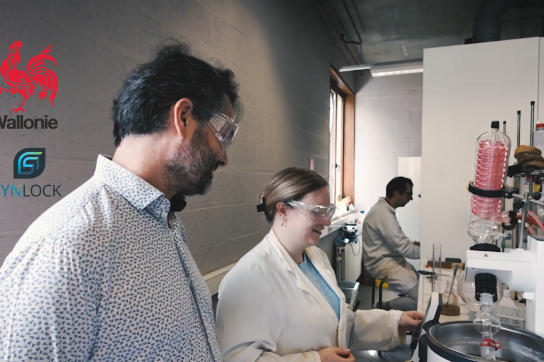
At UNamur, a doctoral thesis led by Juliette Liégeois—with support from SPW Recherche as part of the Win4Doc program—aims to modernize the automated production of radiotracers used, in particular, to diagnose certain cancers and other diseases. Called SMART, the project is being developed in collaboration with Synlock, a company that designs synthesis robots for academic and industrial laboratories.
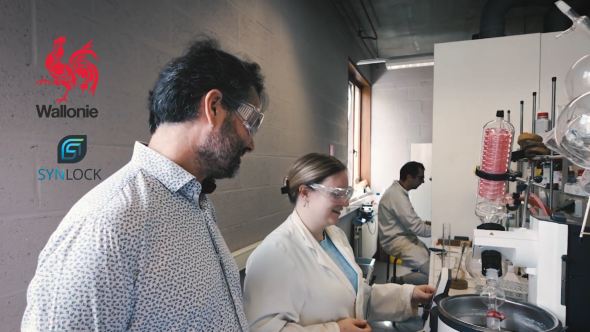
Le projet SMART repose sur la complémentarité entre l’UNamur et Synlock.

Radiotracers are small radioactive molecules used in medical imaging. Once injected into the body, they can bind to specific targets characteristic of a disease and emit radiation that can be detected by imaging devices. Juliette Liégeois, a doctoral student at the Bioorganic Chemistry Laboratory (CBO) at UNamur, is working on these molecules as part of a thesis conducted in collaboration with the company Synlock. “You can compare them to GPS trackers. For example, they make it possible to precisely locate a tumor in the human body and then help the oncologist determine a treatment strategy, she explains. 

But producing these molecules is a real challenge. Because they are radioactive and unstable, they must be synthesized quickly and under conditions that ensure the safety of the scientists. Their synthesis is therefore carried out using automated machines capable of performing the various steps in sequence without direct human intervention. However, a large portion of the automated systems currently in use still rely on technologies that do not easily accommodate certain newer synthesis methods developed in research laboratories. 

The goal of the SMART project is precisely to bridge this gap by adapting existing methods so they can be integrated into automated systems and to verify their effectiveness under conditions that closely resemble actual production. 

Adapting machines to new research methods

To achieve this, Juliette Liégeois is working on two techniques. Biocatalysis uses enzymes to carry out certain chemical reactions under milder conditions, while photocatalysis uses light to trigger these reactions. These two methods are often used in research but still need to be adapted to the constraints of automated machines. 

The project is also testing the Cheminizer, a technology developed by Synlock. This reactor rotates during the manufacturing process to better mix the various components and more effectively control the reactions. Its operation could, in particular, facilitate the use of light and enzymes.

From the Laboratory to Automated Production

The SMART project is based on the complementary strengths of UNamur and Synlock. The company contributes its expertise in the design of machinery and reactors, while UNamur’s Bioorganic Chemistry Laboratory (CBO) contributes its knowledge of chemical reactions. 

Image
Stéphane Vincent

“The collaboration between Synlock and the CBO laboratory offers two key benefits. First, there is synergy regarding the technology or technologies developed in the project: the company contributes its expertise in the field of reactors, while the laboratory contributes its knowledge of chemical reactions and transformations relevant to the project. The other important aspect is the management and direction of strategic decisions to be made in consultation with both partners, as these decisions can have direct economic implications for the development of Synlock’s products.” 
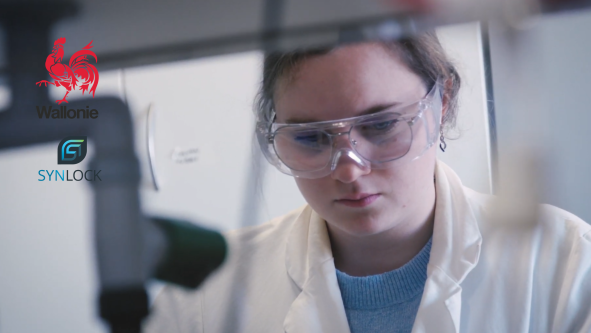
Professeur Stéphane Vincent CBO Manager and Project Promoter

Watch the video about the project

Vidéo du projet WIN4Doc SMART

Win4doc | Bridging the Gap Between Academic Research and Industry

Win4Doc is a program established by Wallonia (SPW Research) that allows a Walloon company to hire a researcher to conduct doctoral research in collaboration with a university research unit.  

Logo Wallonie

Industry-Based Doctoral Programs at UNamur

Win4Doc | Speeding Up the Detection of Antibiotic-Resistant Bacteria

Life and health sciences
Chemistry
SDG#3 - Good health and well-being

At UNamur, a doctoral thesis led by Jozie Tientcheu—with support from SPW Recherche as part of the Win4Doc program—is exploring a new approach to speed up the diagnosis of bacterial antibiotic resistance. Called STABLE2, the project is being developed in collaboration with Coris BioConcept, a Walloon company specializing in rapid diagnostic tests. 

Logo Wallonie

Antibiotic resistance is one of the major public health challenges. Certain bacteria produce enzymes, called beta-lactamases, that can render widely used antibiotics—such as beta-lactams—ineffective. Among these, resistance to carbapenems—which are often reserved for severe infections—is of particular concern. 

Rapidly identifying these resistance patterns is essential for adapting treatment, avoiding the unnecessary use of last-resort antibiotics, and limiting the spread of resistant bacteria in healthcare settings. 

The goal of STABLE2 is to reduce the time between sample collection and diagnosis. “To achieve this, the project combines synthetic chemistry, electrochemistry, and microbiology. It aims to design molecules analogous to beta-lactams and then measure their transformation when they come into contact with the enzymes responsible for certain types of resistance,” explains Ph.D. student Jozie Tientcheu. 

This transformation can generate a measurable electrochemical signal. Ultimately, this approach could contribute to the development of tests that are faster, more targeted, and better suited to the needs of laboratories and hospitals. 

A collaboration between academic research and industrial innovation

The project is part of the expansion of the electrochemical test portfolio at Coris BioConcept, a company based in Gembloux that has been active in the rapid diagnosis of infectious diseases since 1996. Already involved in the detection of bacterial resistance, the company contributes its industrial expertise and understanding of real-world needs. 

At UNamur, research is conducted at the Bioorganic Chemistry Laboratory (CBO), which designs and synthesizes the molecules needed to develop the test.  

Image
Stéphane Vincent

“The fight against infectious diseases is the CBO’s primary area of research. The collaboration with Coris BioConcept is very promising because it establishes a direct link between the laboratory’s expertise and applications that can be rapidly made available to the medical community—and thus benefit patients. The two entities complement each other perfectly, creating a win-win relationship and genuine synergy.”

Professeur Stéphane Vincent Head of the CBO and Project Manager for STBALE2

Watch the video about the project

Win4Doc - Un doctorat en entreprise (SPW recherche) - vignette illustrative des vidéos

Win4doc | Bridging the Gap Between Academic Research and Industry

Win4Doc is a program established by Wallonia (SPW Research) that allows a Walloon company to hire a researcher to conduct doctoral research in collaboration with a university research unit. 

Learn more about Win4Doc 

Logo Wallonie

Industry-Based Doctoral Programs at UNamur

A new Walloon spin-off (UNamur / UCLouvain / WEL Research Institute) is developing a nasal spray to prevent viral respiratory infections

Life and health sciences
Sustainable
SDG#3 - Good health and well-being
ODD#9 - Industry, innovation and infrastructure

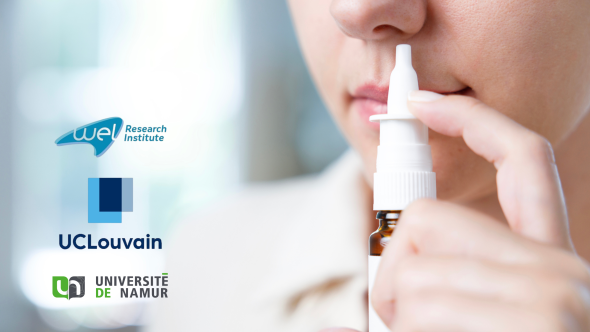
Jointly founded by the University of Namur and UCLouvain, the spin-off Intercept Bio aims to take a new step forward in the prevention of viral respiratory infections. Stemming from research conducted by the teams of Professor Stéphane Vincent at the UNamur Bio-Organic Chemistry Laboratory and Professor David Alsteens at the Louvain Institute of Biomolecular Science and Technology at UCLouvain, and a researcher at the WEL Research Institute, the start-up is developing a nasal spray designed to act right at the entry point for respiratory viruses: the nasal passages.

copyright-adobe-stock-Intercept-bio-spin-off

The innovation at the heart of Intercept Bio is based on a proprietary molecule, 9-Ac-SAP, protected by several families of international patents jointly held by the two universities. This molecule, formulated as a nasal spray, is designed to intercept viruses before they can attach to human cells. Specifically, it acts as a molecular “decoy”: instead of attaching to the surface of the body’s cells, the virus first encounters this molecule, which disrupts its adhesion and thus limits its ability to initiate infection.

Image
VINCENT Stéphane

With the nasal spray, our goal is to offer an approach that is easy to use but based on a very detailed understanding of the early stages of viral infection. Rather than waiting for the virus to take hold in the body, we aim to prevent it from crossing that first barrier by acting directly on the nasal passages. 

Professeur Stéphane Vincent UNamur, Faculty of Science, Department of Chemistry

Professor Stéphane Vincent is a member of the Bio-Organic Chemistry Laboratory (CBO) and the NISM and NARILIS institutes at UNamur.

Respiratory viruses are constantly evolving. By targeting a fundamental step in their interaction with human cells rather than a specific viral protein, we hope to develop a solution that remains effective even as new variants or emerging viruses appear.

Professeur David Alsteens UCLouvain, NanoBioPhysics Lab, and member of the Louvain Institute of Biomolecular Science and Technology and the WEL Research Institute

Professor David Alsteens of the NanoBioPhysics Lab and a member of the Louvain Institute of Biomolecular Science and Technology at UCLouvain and the WEL Research Institute.

This approach is particularly innovative because it does not target a single virus or a single strain. Preclinical studies conducted at UNamur and UCLouvain have demonstrated antiviral activity against several major respiratory viruses, including SARS-CoV-2, influenza viruses, and respiratory syncytial virus. By targeting a very early and common stage of the infection process—namely, the virus’s attachment to the host cell—the technology paves the way for a preventive strategy that complements vaccines, existing antiviral treatments, and conventional protective measures.

The first product developed by Intercept Bio comes in the form of a nasal spray. This method of administration follows a simple logic: to act locally, where many respiratory viruses begin their progression in the body. Easy to use, non-invasive, and designed for preventive use, this spray could be a particularly relevant solution for people at highest risk of complications, especially patients with chronic respiratory conditions. 

“This spray could be an alternative to the vaccine for immunocompromised individuals. It would help prevent respiratory illnesses, the flu, or other infections by applying it before entering confined spaces, such as public transportation. It could also be used by an infected person to limit the risk of transmitting the virus to those around them,” explains David Alsteens of UCLouvain’s WEL Research Institute. 

By reducing the risk of infection or exacerbation of severe respiratory illnesses, a preventive solution like this spray could help limit complications, hospitalizations, and pressure on the healthcare system.

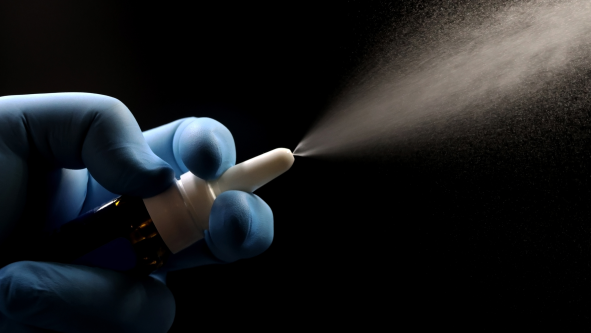
illu-spray-nasal-spin-off-intercept-bio

A fruitful interuniversity collaboration

In 2020, as soon as the coronavirus pandemic began, David Alsteens (UCLouvain, WEL Research Institute) used his state-of-the-art atomic force microscopy platform—unique in Belgium for its ability to study interactions between pathogens and cells—to investigate how COVID-19 attaches to our cells. Very quickly, the UCLouvain-WEL Research Institute team discovered the importance of certain sialic acids on the surface of our cells in allowing the virus to attach to them. Sialic acids, which are sugar residues, act like tiny locks to which the virus binds via its surface proteins before entering the host cell. 

In an effort to block this interaction—and thus prevent the virus from infecting cells— David Alsteens turned to Professor Stéphane Vincent of the Bio-Organic Chemistry Laboratory at UNamur, who specializes in organic chemistry, glycosciences, biocatalysis, and mechanistic enzymology. His team designs and synthesizes complex molecules capable of interacting with biological targets, particularly in contexts related to infections. Vincent then produced a molecule flanked by sialic acids—the famous decoy molecule—which saturates the virus and prevents it from binding to its host cells. Subsequent tests on mice proved effective in 80% of cases. Within the Intercept Bio framework, this contribution was instrumental in designing, producing, and optimizing the molecules that form the basis of the technology platform.

Intercept Bio also illustrates the power of inter-university collaboration. The project arose from the complementary nature of two high-level scientific areas of expertise: on the one hand, UNamur’s ability to design and synthesize innovative molecules inspired by glycoscience; and, on the other hand, the expertise of UCLouvain-WEL Research Institute in observing, measuring, and understanding, at the nanoscale, the interactions between viruses, molecules, and cells. This collaboration has made it possible to move from a scientific intuition to a protected technology, validated in preclinical trials and now moving toward industrial development.

From the Lab to the Spin-off

The creation of Intercept Bio is part of a commercialization initiative jointly led by UNamur and UCLouvain, with support from the WEL Research Institute, UNamur Venture, and Sopartec—a member of Louvain-Transfer, UCLouvain’s research commercialization organization. These organizations have supported the project’s development, structuring, initial funding, and governance, working alongside the founding researchers and the management team, thereby enabling the transition from basic research to a concrete application for society. Serge Pampfer, a seasoned figure in the Belgian biotech ecosystem, is leading the new organization as CEO.

intercept-bio-logos-partenaires

The research and funding that made the development of this solution possible, as well as the filing of the related patents, were supported by several funding initiatives and programs: the two ERC grants, support from the WEL Research Institute and the Louvain Foundation, obtained by David Alsteens of UCLouvain; as well as the EOS (interuniversity) program, the FNRS, and the Marie Curie ITN network, which funded a Ph.D. position in Stéphane Vincent’s team. The ITN, funded under the FP7 Marie Curie Doctoral Network program, made it possible to establish the initial methodology developed for Ebola, which contributed to the scientific advances that led to this technology. The company’s mission will be to continue the preclinical and clinical development phases, secure the necessary funding for the upcoming regulatory phases, and ultimately prepare for the market launch of innovative solutions designed to prevent viral respiratory infections. Beyond this first product, Intercept Bio aims to gradually develop a portfolio of products based on the same technological platform.

Win4Doc | Producing therapeutic proteins in goat's milk

Biology
Life and health sciences
SDG#3 - Good health and well-being

At the University of Namur, a thesis led by Fabian Delhalle, with support from SPW Research as part of the Win4Doc program, is exploring an innovative approach to producing proteins of therapeutic interest. In collaboration with Bio-Sourcing and the Walloon Center for Agricultural Research, this project aims to better understand the mechanisms of lactation in goats in order to optimize biopharmaceutical production that is more accessible, more flexible, and more environmentally friendly.

Photos de chèvres

This project, called Proteomilk, aims to identify and select the best goats in order to optimize the production of proteins of therapeutic interest, which are then extracted from their milk. 

These proteins, secreted by the mammary gland, are of major interest. In fact, they can be used to produce monoclonal antibodies, which can treat numerous diseases such as certain cancers, autoimmune diseases, or various types of infections,” explains Fabien Delhalle, a member of the Cell Biology Research Unit at UNamur who is leading the Proteomilk project under the supervision of Patsy Renard.   

Image
Photo de Patsy Renard

Today, these antibodies are primarily produced using animal cells, known as CHO cells, derived from Chinese hamster ovaries.  

They are grown on an industrial scale in massive industrial bioreactors. 

This technology is widely used, but it also has limitations: the processes are costly, complex, energy-intensive, and have a significant environmental impact. As a result, production costs remain high, and access to these treatments may be limited for some patients. And there is another challenge: some antibodies are more difficult to produce in large quantities. This requires more time, more steps, and more resources… which can delay and increase the cost of treatments that are otherwise promising.

Prof. Patsy Renard Department of Biology, URBC, and member of the NARILIS Institute

Developing sustainable solutions

Given these limitations, we must therefore develop solutions that are more sustainable, more flexible, and more cost-effective. In other words, we need to find a way to produce these drugs differently.  

And this is precisely the goal of the Proteomilk project, conducted in partnership with Bio-Sourcing, a company specializing in the production of biotherapeutics.

The project aims to identify markers associated with high lactation performance through a detailed proteomic analysis of milk. This method uses the goat’s mammary gland as a natural bioreactor, capable of producing therapeutic proteins in the milk that are then purified. This ultimately reduces costs and environmental impact compared to industrial bioreactors.

Watch the video about the project

Win4Doc - Un doctorat en entreprise (SPW recherche) - vignette illustrative des vidéos

This project fully demonstrates the value of collaboration between academia and industry. UNamur contributes its scientific expertise, analytical tools, and ability to explore mechanisms in depth. Field partners, such as Bio-Sourcing and the Walloon Center for Agricultural Research, contribute their applied knowledge, their understanding of production realities, and their vision for commercialization. 

Supported by the SPW Research, this partnership demonstrates how research can be transformed into concrete innovation that benefits society.

Win4doc

Win4Doc is a program established by Wallonia (SPW Research) that enables a Walloon company to hire a researcher to conduct doctoral research in collaboration with a university research unit.

Logo Wallonie

Industry-Based Doctoral Programs at UNamur

Win4Doc | Automating the Production of Radiotracers for Medical Imaging

Life and health sciences
Chemistry

At UNamur, a doctoral thesis led by Juliette Liégeois—with support from SPW Recherche as part of the Win4Doc program—aims to modernize the automated production of radiotracers used, in particular, to diagnose certain cancers and other diseases. Called SMART, the project is being developed in collaboration with Synlock, a company that designs synthesis robots for academic and industrial laboratories.

Le projet SMART repose sur la complémentarité entre l’UNamur et Synlock.

Radiotracers are small radioactive molecules used in medical imaging. Once injected into the body, they can bind to specific targets characteristic of a disease and emit radiation that can be detected by imaging devices. Juliette Liégeois, a doctoral student at the Bioorganic Chemistry Laboratory (CBO) at UNamur, is working on these molecules as part of a thesis conducted in collaboration with the company Synlock. “You can compare them to GPS trackers. For example, they make it possible to precisely locate a tumor in the human body and then help the oncologist determine a treatment strategy, she explains. 

But producing these molecules is a real challenge. Because they are radioactive and unstable, they must be synthesized quickly and under conditions that ensure the safety of the scientists. Their synthesis is therefore carried out using automated machines capable of performing the various steps in sequence without direct human intervention. However, a large portion of the automated systems currently in use still rely on technologies that do not easily accommodate certain newer synthesis methods developed in research laboratories. 

The goal of the SMART project is precisely to bridge this gap by adapting existing methods so they can be integrated into automated systems and to verify their effectiveness under conditions that closely resemble actual production. 

Adapting machines to new research methods

To achieve this, Juliette Liégeois is working on two techniques. Biocatalysis uses enzymes to carry out certain chemical reactions under milder conditions, while photocatalysis uses light to trigger these reactions. These two methods are often used in research but still need to be adapted to the constraints of automated machines. 

The project is also testing the Cheminizer, a technology developed by Synlock. This reactor rotates during the manufacturing process to better mix the various components and more effectively control the reactions. Its operation could, in particular, facilitate the use of light and enzymes.

From the Laboratory to Automated Production

The SMART project is based on the complementary strengths of UNamur and Synlock. The company contributes its expertise in the design of machinery and reactors, while UNamur’s Bioorganic Chemistry Laboratory (CBO) contributes its knowledge of chemical reactions. 

Image
Stéphane Vincent

“The collaboration between Synlock and the CBO laboratory offers two key benefits. First, there is synergy regarding the technology or technologies developed in the project: the company contributes its expertise in the field of reactors, while the laboratory contributes its knowledge of chemical reactions and transformations relevant to the project. The other important aspect is the management and direction of strategic decisions to be made in consultation with both partners, as these decisions can have direct economic implications for the development of Synlock’s products.” 

Professeur Stéphane Vincent CBO Manager and Project Promoter

Watch the video about the project

Vidéo du projet WIN4Doc SMART

Win4doc | Bridging the Gap Between Academic Research and Industry

Win4Doc is a program established by Wallonia (SPW Research) that allows a Walloon company to hire a researcher to conduct doctoral research in collaboration with a university research unit.  

Logo Wallonie

Industry-Based Doctoral Programs at UNamur

Win4Doc | Speeding Up the Detection of Antibiotic-Resistant Bacteria

Life and health sciences
Chemistry
SDG#3 - Good health and well-being

At UNamur, a doctoral thesis led by Jozie Tientcheu—with support from SPW Recherche as part of the Win4Doc program—is exploring a new approach to speed up the diagnosis of bacterial antibiotic resistance. Called STABLE2, the project is being developed in collaboration with Coris BioConcept, a Walloon company specializing in rapid diagnostic tests. 
Logo Wallonie

Antibiotic resistance is one of the major public health challenges. Certain bacteria produce enzymes, called beta-lactamases, that can render widely used antibiotics—such as beta-lactams—ineffective. Among these, resistance to carbapenems—which are often reserved for severe infections—is of particular concern. 

Rapidly identifying these resistance patterns is essential for adapting treatment, avoiding the unnecessary use of last-resort antibiotics, and limiting the spread of resistant bacteria in healthcare settings. 

The goal of STABLE2 is to reduce the time between sample collection and diagnosis. “To achieve this, the project combines synthetic chemistry, electrochemistry, and microbiology. It aims to design molecules analogous to beta-lactams and then measure their transformation when they come into contact with the enzymes responsible for certain types of resistance,” explains Ph.D. student Jozie Tientcheu. 

This transformation can generate a measurable electrochemical signal. Ultimately, this approach could contribute to the development of tests that are faster, more targeted, and better suited to the needs of laboratories and hospitals. 

A collaboration between academic research and industrial innovation

The project is part of the expansion of the electrochemical test portfolio at Coris BioConcept, a company based in Gembloux that has been active in the rapid diagnosis of infectious diseases since 1996. Already involved in the detection of bacterial resistance, the company contributes its industrial expertise and understanding of real-world needs. 

At UNamur, research is conducted at the Bioorganic Chemistry Laboratory (CBO), which designs and synthesizes the molecules needed to develop the test.  

Image
Stéphane Vincent

“The fight against infectious diseases is the CBO’s primary area of research. The collaboration with Coris BioConcept is very promising because it establishes a direct link between the laboratory’s expertise and applications that can be rapidly made available to the medical community—and thus benefit patients. The two entities complement each other perfectly, creating a win-win relationship and genuine synergy.”
Professeur Stéphane Vincent Head of the CBO and Project Manager for STBALE2

Watch the video about the project

Win4Doc - Un doctorat en entreprise (SPW recherche) - vignette illustrative des vidéos

Win4doc | Bridging the Gap Between Academic Research and Industry

Win4Doc is a program established by Wallonia (SPW Research) that allows a Walloon company to hire a researcher to conduct doctoral research in collaboration with a university research unit. 

Learn more about Win4Doc 

Logo Wallonie

Industry-Based Doctoral Programs at UNamur

A new Walloon spin-off (UNamur / UCLouvain / WEL Research Institute) is developing a nasal spray to prevent viral respiratory infections

Life and health sciences
Sustainable
SDG#3 - Good health and well-being
ODD#9 - Industry, innovation and infrastructure

Jointly founded by the University of Namur and UCLouvain, the spin-off Intercept Bio aims to take a new step forward in the prevention of viral respiratory infections. Stemming from research conducted by the teams of Professor Stéphane Vincent at the UNamur Bio-Organic Chemistry Laboratory and Professor David Alsteens at the Louvain Institute of Biomolecular Science and Technology at UCLouvain, and a researcher at the WEL Research Institute, the start-up is developing a nasal spray designed to act right at the entry point for respiratory viruses: the nasal passages.

copyright-adobe-stock-Intercept-bio-spin-off

The innovation at the heart of Intercept Bio is based on a proprietary molecule, 9-Ac-SAP, protected by several families of international patents jointly held by the two universities. This molecule, formulated as a nasal spray, is designed to intercept viruses before they can attach to human cells. Specifically, it acts as a molecular “decoy”: instead of attaching to the surface of the body’s cells, the virus first encounters this molecule, which disrupts its adhesion and thus limits its ability to initiate infection.

Image
VINCENT Stéphane

With the nasal spray, our goal is to offer an approach that is easy to use but based on a very detailed understanding of the early stages of viral infection. Rather than waiting for the virus to take hold in the body, we aim to prevent it from crossing that first barrier by acting directly on the nasal passages. 

Professeur Stéphane Vincent UNamur, Faculty of Science, Department of Chemistry

Professor Stéphane Vincent is a member of the Bio-Organic Chemistry Laboratory (CBO) and the NISM and NARILIS institutes at UNamur.

Respiratory viruses are constantly evolving. By targeting a fundamental step in their interaction with human cells rather than a specific viral protein, we hope to develop a solution that remains effective even as new variants or emerging viruses appear.

Professeur David Alsteens UCLouvain, NanoBioPhysics Lab, and member of the Louvain Institute of Biomolecular Science and Technology and the WEL Research Institute

Professor David Alsteens of the NanoBioPhysics Lab and a member of the Louvain Institute of Biomolecular Science and Technology at UCLouvain and the WEL Research Institute.

This approach is particularly innovative because it does not target a single virus or a single strain. Preclinical studies conducted at UNamur and UCLouvain have demonstrated antiviral activity against several major respiratory viruses, including SARS-CoV-2, influenza viruses, and respiratory syncytial virus. By targeting a very early and common stage of the infection process—namely, the virus’s attachment to the host cell—the technology paves the way for a preventive strategy that complements vaccines, existing antiviral treatments, and conventional protective measures.

The first product developed by Intercept Bio comes in the form of a nasal spray. This method of administration follows a simple logic: to act locally, where many respiratory viruses begin their progression in the body. Easy to use, non-invasive, and designed for preventive use, this spray could be a particularly relevant solution for people at highest risk of complications, especially patients with chronic respiratory conditions. 

“This spray could be an alternative to the vaccine for immunocompromised individuals. It would help prevent respiratory illnesses, the flu, or other infections by applying it before entering confined spaces, such as public transportation. It could also be used by an infected person to limit the risk of transmitting the virus to those around them,” explains David Alsteens of UCLouvain’s WEL Research Institute. 

By reducing the risk of infection or exacerbation of severe respiratory illnesses, a preventive solution like this spray could help limit complications, hospitalizations, and pressure on the healthcare system.

illu-spray-nasal-spin-off-intercept-bio

A fruitful interuniversity collaboration

In 2020, as soon as the coronavirus pandemic began, David Alsteens (UCLouvain, WEL Research Institute) used his state-of-the-art atomic force microscopy platform—unique in Belgium for its ability to study interactions between pathogens and cells—to investigate how COVID-19 attaches to our cells. Very quickly, the UCLouvain-WEL Research Institute team discovered the importance of certain sialic acids on the surface of our cells in allowing the virus to attach to them. Sialic acids, which are sugar residues, act like tiny locks to which the virus binds via its surface proteins before entering the host cell. 

In an effort to block this interaction—and thus prevent the virus from infecting cells— David Alsteens turned to Professor Stéphane Vincent of the Bio-Organic Chemistry Laboratory at UNamur, who specializes in organic chemistry, glycosciences, biocatalysis, and mechanistic enzymology. His team designs and synthesizes complex molecules capable of interacting with biological targets, particularly in contexts related to infections. Vincent then produced a molecule flanked by sialic acids—the famous decoy molecule—which saturates the virus and prevents it from binding to its host cells. Subsequent tests on mice proved effective in 80% of cases. Within the Intercept Bio framework, this contribution was instrumental in designing, producing, and optimizing the molecules that form the basis of the technology platform.

Intercept Bio also illustrates the power of inter-university collaboration. The project arose from the complementary nature of two high-level scientific areas of expertise: on the one hand, UNamur’s ability to design and synthesize innovative molecules inspired by glycoscience; and, on the other hand, the expertise of UCLouvain-WEL Research Institute in observing, measuring, and understanding, at the nanoscale, the interactions between viruses, molecules, and cells. This collaboration has made it possible to move from a scientific intuition to a protected technology, validated in preclinical trials and now moving toward industrial development.

From the Lab to the Spin-off

The creation of Intercept Bio is part of a commercialization initiative jointly led by UNamur and UCLouvain, with support from the WEL Research Institute, UNamur Venture, and Sopartec—a member of Louvain-Transfer, UCLouvain’s research commercialization organization. These organizations have supported the project’s development, structuring, initial funding, and governance, working alongside the founding researchers and the management team, thereby enabling the transition from basic research to a concrete application for society. Serge Pampfer, a seasoned figure in the Belgian biotech ecosystem, is leading the new organization as CEO.

intercept-bio-logos-partenaires

The research and funding that made the development of this solution possible, as well as the filing of the related patents, were supported by several funding initiatives and programs: the two ERC grants, support from the WEL Research Institute and the Louvain Foundation, obtained by David Alsteens of UCLouvain; as well as the EOS (interuniversity) program, the FNRS, and the Marie Curie ITN network, which funded a Ph.D. position in Stéphane Vincent’s team. The ITN, funded under the FP7 Marie Curie Doctoral Network program, made it possible to establish the initial methodology developed for Ebola, which contributed to the scientific advances that led to this technology. The company’s mission will be to continue the preclinical and clinical development phases, secure the necessary funding for the upcoming regulatory phases, and ultimately prepare for the market launch of innovative solutions designed to prevent viral respiratory infections. Beyond this first product, Intercept Bio aims to gradually develop a portfolio of products based on the same technological platform.

Win4Doc | Producing therapeutic proteins in goat's milk

Biology
Life and health sciences
SDG#3 - Good health and well-being

At the University of Namur, a thesis led by Fabian Delhalle, with support from SPW Research as part of the Win4Doc program, is exploring an innovative approach to producing proteins of therapeutic interest. In collaboration with Bio-Sourcing and the Walloon Center for Agricultural Research, this project aims to better understand the mechanisms of lactation in goats in order to optimize biopharmaceutical production that is more accessible, more flexible, and more environmentally friendly.

Photos de chèvres

This project, called Proteomilk, aims to identify and select the best goats in order to optimize the production of proteins of therapeutic interest, which are then extracted from their milk. 

These proteins, secreted by the mammary gland, are of major interest. In fact, they can be used to produce monoclonal antibodies, which can treat numerous diseases such as certain cancers, autoimmune diseases, or various types of infections,” explains Fabien Delhalle, a member of the Cell Biology Research Unit at UNamur who is leading the Proteomilk project under the supervision of Patsy Renard.   

Image
Photo de Patsy Renard

Today, these antibodies are primarily produced using animal cells, known as CHO cells, derived from Chinese hamster ovaries.  

They are grown on an industrial scale in massive industrial bioreactors. 

This technology is widely used, but it also has limitations: the processes are costly, complex, energy-intensive, and have a significant environmental impact. As a result, production costs remain high, and access to these treatments may be limited for some patients. And there is another challenge: some antibodies are more difficult to produce in large quantities. This requires more time, more steps, and more resources… which can delay and increase the cost of treatments that are otherwise promising.

Prof. Patsy Renard Department of Biology, URBC, and member of the NARILIS Institute

Developing sustainable solutions

Given these limitations, we must therefore develop solutions that are more sustainable, more flexible, and more cost-effective. In other words, we need to find a way to produce these drugs differently.  

And this is precisely the goal of the Proteomilk project, conducted in partnership with Bio-Sourcing, a company specializing in the production of biotherapeutics.

The project aims to identify markers associated with high lactation performance through a detailed proteomic analysis of milk. This method uses the goat’s mammary gland as a natural bioreactor, capable of producing therapeutic proteins in the milk that are then purified. This ultimately reduces costs and environmental impact compared to industrial bioreactors.

Watch the video about the project

Win4Doc - Un doctorat en entreprise (SPW recherche) - vignette illustrative des vidéos

This project fully demonstrates the value of collaboration between academia and industry. UNamur contributes its scientific expertise, analytical tools, and ability to explore mechanisms in depth. Field partners, such as Bio-Sourcing and the Walloon Center for Agricultural Research, contribute their applied knowledge, their understanding of production realities, and their vision for commercialization. 

Supported by the SPW Research, this partnership demonstrates how research can be transformed into concrete innovation that benefits society.

Win4doc

Win4Doc is a program established by Wallonia (SPW Research) that enables a Walloon company to hire a researcher to conduct doctoral research in collaboration with a university research unit.
Logo Wallonie

Industry-Based Doctoral Programs at UNamur

All news

Agenda

21
2026

ADRE Lunchtime Seminar | Learn About the PEPS Platform and Join a Research Institute

Training
Training

ADRE Lunchtime Seminar | Learn About the PEPS Platform and Join a Research Institute

21
2026 12:45 - 14:00
Université de Namur, ADRE, salle NARC - rue de Bruxelles, 55 - 5000 Namur
Contact person :  Secrétariat ADRE
Register for the event

As part of this ADRE Lunchtime Event, we invite you to discover PEPS 2.0, UNamur’s member and partner management platform. This tool centralizes information about individuals and their activities, and makes it possible, in particular, to manage affiliations with research institutes.

We therefore invite you to start by learning what a patent is and what can be patented, before moving on to the specific aspects related to the life sciences. In fact, pharmaceuticals, biotechnology, and medical technology are among the Belgian sectors that file the most applications with the European Patent Office, reflecting the dynamism and importance of this sector in Belgium.

Presentation: Eléana Somville, Scientific Advisor (ADRE)

12
2026

ADRE Lunchtime | Research Assistance and Support for Tenured Academics and Scientists

Training
Training

ADRE Lunchtime | Research Assistance and Support for Tenured Academics and Scientists

12
2026 12:45 - 14:00
Université de Namur, ADRE, salle NARC - rue de Bruxelles, 55 - 5000 Namur
Contact person :  Secrétariat ADRE
Register for the event

This information session will give you the opportunity to learn more about the services offered by ADRE and to discover the tools, resources, and points of contact that can be useful for your research career. The Human Resources Department will also present the “manager” and “supervisor” career paths. 

We therefore invite you to start by learning what a patent is and what can be patented, before moving on to the specific aspects related to the life sciences. In fact, pharmaceuticals, biotechnology, and medical technology are among the Belgian sectors that file the most applications with the European Patent Office, reflecting the dynamism and importance of this sector in Belgium.

Presentation: Eléana Somville, Scientific Advisor (ADRE)

05
2026

Pursuing a Ph.D. at UNamur. How? When? Why?

Training
Training

Pursuing a Ph.D. at UNamur. How? When? Why?

Prospective students
Register for the event
5
2026 12:40 - 14:00
Université de Namur, Faculté des sciences, auditoire S09 - rue de Bruxelles, 55 - 5000 Namur
Contact person :  Riguelle William
Register for the event

Are you interested in pursuing a Ph.D.? In conducting research? This information session is here to help you make informed decisions. 

The number of participants in this free training session is limited to 60 people.

Registration deadline: November 3, 2026.

All events

To build a better future, Europe and public authorities are investing in numerous projects!

Logo "EnMieux-Europe-Wallonie" du projet MIRVALIS

Les spin-off de l'Université de Namur

Les spin-off sont des sociétés créées en aval de la recherche académique pour valoriser économiquement le savoir-faire et les résultats de la recherche. Elles apportent une contribution concrète à la création d’emplois et à l’essor économique. L'Université de Namur a jusqu'à présent créé 22 spin-off, dont 16 sont toujours en activité.

ADRE | General contacts

Executive Secretariat and Research Council

Marie-Hélène Mathieu