Chemistry is par excellence the science of transforming matter, and as such lies at the crossroads between the physical sciences and mathematics on the one hand, and the life sciences, earth sciences and materials sciences on the other. State-of-the-art laboratories, led by world-renowned researchers, are dedicated to a wide range of fields, from organic chemistry to materials chemistry, analytical chemistry and theoretical chemistry.
Find out more about the Chemistry Department

SVG

Studying chemistry

See content
SVG

Chemical research

See content
SVG

Service to society in chemistry

See content
SVG

Alumni

See content
SVG

Members of the Chemistry Department

See content

Spotlight

News

Global experts in electroluminescence and optoelectronics gather at UNamur

Chemistry

Recognized as a leading research conference in the field of organic electroluminescence and light-emitting devices, the ICEL conferences have generally been held every two years since their inception in Fukuoka, Japan, in 1997, by Professor Tetsuo Tsutsui. A look back at ICEL2026, the 15th conference of its kind, held at UNamur. 
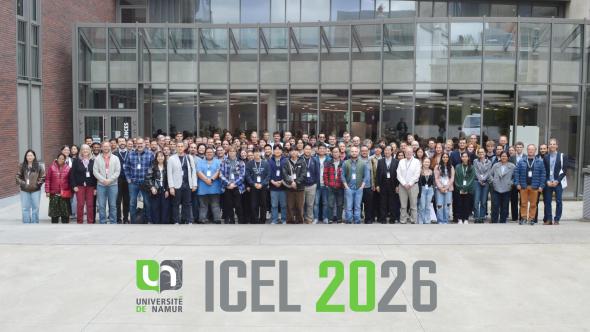
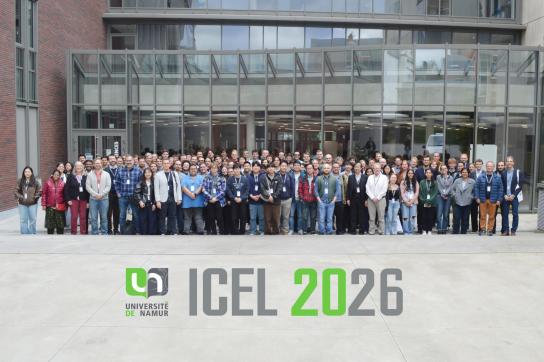
Photo de groupe des participants à l'ICEL2026 - UNamur, Belgique

Last May, the International Conference on Electroluminescence and Optoelectronic Devices (ICEL 2026), organized at the University of Namur by Professor Yoann Olivier, with the support of Professor Benoît Champagne, provided an excellent opportunity for intellectual and social exchange among researchers from around the world involved in the research, development, and fabrication of light-emitting materials to discuss their recent advances.  

This 15th edition featured plenary lectures for the 125 participants, including both renowned and emerging researchers. The packed five-day program included five presentations by renowned international keynote speakers, 20 presentations by invited speakers, and some thirty oral presentations selected by the organizing committee, as well as two poster sessions featuring more than 50 presentations.   

Participants also had the opportunity to mingle and engage in discussions during the various activities of the social program, which highlighted the City of Namur, its iconic sites, and its shops: a tour of the Citadel’s underground passages, a historical and/or culinary stroll through the heart of the pedestrian zone, a tour of the Félicien Rops Museum and the Grafé-Lecocq cellars, a dinner for guest speakers at the restaurant “Le Balthazar,” and a conference dinner at the restaurant “Le Panorama.”   

Particular emphasis was placed on the active participation of motivated young researchers. A wide range of topics was explored, offering a comprehensive perspective on contemporary advances in the fields of materials science, fundamental physics, and their applications in cutting-edge devices and technologies. 

A success praised by distinguished guests

“A VERY big thank you - this was a really excellent conference - great science and a wonderful sense of being welcome - just how conferences should be!” – Sir Richard Friend, University of Cambridge, UK

“I would like to congratulate you on such an excellent conference. I really liked its scale (not too big), it being single session, affordable, in a nice place, with lots of chance to talk to other participants over coffee/lunch/poster refreshment.   The scientific level was excellent (which I fully expected with you as organisers) and there was good variety in the programme. The social activities/invited speaker dinner and spectacular conference dinner all added to a wonderful week. It was an amazing week.” – Prof Ifor Samuel, St Andrews University, UK

“It was a real pleasure to be at the ICEL conference. It really felt like family and the atmosphere was so warm that it completely overcame the cold weather and my flu. Excellent organization and perfect timing!”, Prof. Illia Serdiuk, University of Gdansk, Poland

“Thanks again so much for the organizational effort, the conference went so smoothly!” – Prof Barry Rand, Princeton University, USA

Professor Barry Rand has, in fact, taken over the reins, as he will be organizing the 16th edition of the conference at the prestigious Princeton University in the United States in 2028. 

Thank you to our sponsors and partners!

The organizing committee would like to thank its sponsors and partners for their support: Universal Display Corporation, Angstrom Engineering, The Royal Society of Chemistry (RSC), Chemistry Europe, the University of Namur, the Namur Institute of Structured Matter (NISM), the Namur Research College (NARC), the C.G.B. (Comité de Gestion du Bulletin) – C.B.B. (Comité van Beheer van het Bulletin), the Namur City Tourist Office, and the F.R.S.-FNRS thematic doctoral schools CHIM, MAIN, and METAMORPHOSE. 
Les sponsors d'ICEL2026

Learn more about ICEL2026

Three MSCA Doctoral Networks projects selected: a remarkable achievement for UNamur

Biodiversity
Chemistry
Physics and astronomy

This is a great recognition of research at UNamur: three Marie Skłodowska-Curie Doctoral Networks (DN) projects have just been awarded, with a key contribution from researchers in Namur! The first, in chemistry, involves Professor Stéphane Vincent; the second, focused on ecosystem resilience, involves Professor Frédérik de Laender; and the third, in the field of photonics, benefits from the expertise of FNRS-qualified researcher Michaël Lobet.

Les chercheurs F. de Laender, M. Lobet, S. Vincent (UNamur) pour leurs projets MSCA DN financés par la Communauté européenne

For the MSCA Doctoral Networks 2025 call, 1,616 proposals were submitted and 141 were selected, representing a success rate of 9.6%. In this highly competitive environment, the selection of three projects involving UNamur sends a strong signal: it confirms the scientific excellence of Namur’s teams and their ability to build high-level international partnerships in support of doctoral training and innovation. Six doctoral dissertations will be eligible for funding.

Three projects, three cutting-edge topics

GlycoAxis – Understanding How the Gut Influences Brain Inflammation

Grant #101311186 from January 1, 2027, to December 31, 2031 – Project led by Stéphane Vincent – UNamur, Namur Research Institute for Life Sciences (NARILIS), in collaboration with 16 partners. 

Coordination: Federico II University (Naples, Italy) 

Stéphane Vincent - Institut NARILIS

In many neurological diseases, both inflammation of the nervous system and imbalances in the gut microbiota are observed. GlycoAxis aims to go beyond simple correlations by identifying the molecular “messengers” that link the gut, the immune system, and the brain. The project focuses on complex sugars found on the surface of certain bacteria (glycans), which are suspected of playing a key role in immune activation and neuroinflammation. The goal: to better understand these mechanisms and pave the way for new diagnostic tools, imaging techniques, or biomarkers for brain health.

ReDiLeep – Strengthening ecosystem resilience through diverse responses

Grant # 101312530 from January 1, 2027, to December 31, 2031 – Project led by Frédérik de Laender – UNamur, Institute of Life, Earth and Environment (ILEE), in collaboration with 20 partners. 

Coordination: Linköping University (Sweden).

Frederik de Laender - ILEE

In the face of climate change, pollution, and habitat fragmentation, some ecosystems weather the shocks… while others collapse. ReDiLeep focuses on a key driver of this resilience: response diversity—that is, the fact that different species (or ecological functions) do not all react in the same way to a disturbance. The project aims to better measure and model this mechanism in order to link research more directly to the needs of conservation, restoration, and public policy regarding biodiversity.

SPARK – programmable materials for controlling light at extremely high speeds

Grant # 101310184 from January 1, 2027, to December 31, 2031 – Project led by Michaël Lobet – UNamur, Namur Institute of Structured Matter (NISM), in collaboration with 7 partners. 

Coordination: Eindhoven University of Technology (Netherlands) 

Michael Lobet - NISM

Our digital communications rely on light: optical fibers, sensors, and photonic circuits capable of processing information. But with the explosion of data, the rise of AI, and the advent of ever-faster networks, it is becoming crucial to control light dynamically—much faster than is possible with current components, which are often “static.” SPARK is exploring a new approach: combining spatiotemporal metamaterials (nanoscale structures designed to shape light) with light that is itself “structured” in space and time. The result: reconfigurable photonic technologies for computing, imaging, and ultra-fast communications.

What are the Marie Skłodowska-Curie Doctoral Networks (MSCA-DN)?

In 1996, the European Union established the MSCA, a set of prestigious grants designed to fund research. The MSCA Doctoral Networks fund international networks that recruit and train doctoral students. Their goal is to combine high-level research with structured training, while promoting interdisciplinary and cross-sectoral collaboration as well as mobility within Europe and beyond.

Logo "Financé par l'Union européenne"

Phoenix Capital sponsors research in synthetic organic chemistry

Chemistry
Life and health sciences

At the Organic Chemistry Unit (UCO) of the Chemistry Department at UNamur, researchers study organic molecules with high added value.  Lionel-Marie Van Geesbergen has just started a doctoral thesis under the supervision of Professor Steve Lanners.  After only a month and a half of investigation, the PhD student already has a proof of concept.  A very promising research project with numerous potential applications! 

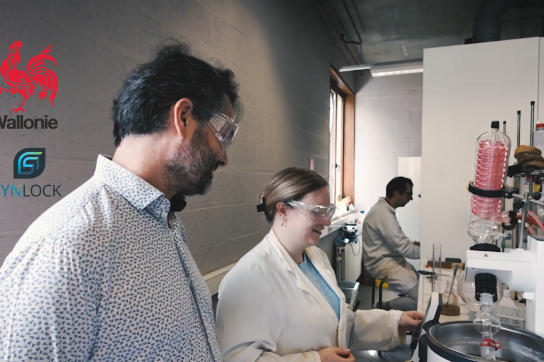
Steve lanners et Lionel-Marie Van Geesbergen au laboratoire - logo de Phoenix Capital

In chemistry, cycloaddition reactions are sometimes difficult to achieve.  This is because two molecules mixed together often do not react with each other, as they encounter each other too rarely to produce an effective reaction. However, these reactions are fundamental in organic chemistry because they enable complex structures to be assembled quickly. 

One way to get around this lack of reactivity is to physically bring the molecules closer together by connecting them with a bond that can be broken once it has done its job. This approach is called ‘tethering’. By applying this strategy, the two molecules are maintained in close proximity so that they have no choice but to react together. 

A little organic chemistry

In the context of this project, the tethering strategy is applied to little-studied cycloaddition precursors: oxidopyridiniums. The interest of these compounds is that they allow rapid and selective access to nitrogen-containing polycyclic products, but their use without tethering is generally ineffective.

In general, nitrogen-containing polycyclic molecules are organic compounds in which nitrogen is present within the cyclic structure (heterocycles) or as a substituent. These molecules are ubiquitous in medicinal chemistry, biochemistry and agrochemistry. They play a key and fundamental structural role in biology, pharmacology and organic chemistry.

More specifically, in the context of this project, among the families of molecules that can be obtained in this way are, for example, tropanes, a family of bicyclic alkaloids obtained from natural sources, some of which (or their derivatives) are used as medicines. The well-known over-the-counter medication Buscopan belongs to this family.

If we want to go further, this is where the second objective of this project comes into play: applying the Beckmann rearrangement to the products obtained by cycloaddition. This allows a second nitrogen atom to be introduced into the structures and opens up prospects for the synthesis of phlegmadines, a group of natural products that have never been prepared by organic synthesis, even though their described biological properties are promising. More recently, in the field of oncology research, KRAS inhibitors containing dinitrogenated bicylic structures have been described.

But what's the point?

Taking a step back, the aim is to make chemical synthesis, and therefore the production of molecules in large quantities, more sustainable: target products are prepared more quickly and efficiently. This speeds up research while reducing the impact on the environment. The fewer steps involved in manufacturing a product, the less water, solvents, reagents and time are used: this means less energy consumption, less waste and lower costs, while also speeding up the process! 

Lionel-Marie Van Geesbergen had already successfully investigated these reactions accelerated by stapling with oxygenated molecules during his master's thesis in chemistry at UNamur in the same laboratory. After only a month and a half of research, the doctoral student has already demonstrated the feasibility of his method with nitrogen molecules.  Now that the approach has been validated, it can be developed to determine its scope and limitations.

A project supported by Phoenix Capital

This doctoral project will be supported for 4 years by the company Phoenix Capital. Headquartered in Italy (Verona) and active in Milan, Rome, Luxembourg, Lausanne, Houston and San Francisco, Phoenix Capital is a management consultancy, innovation, corporate finance hub also offering technological and operational services for business development and the streamlining of processes and projects.

Phoenix Capital group logo

As a driver of innovation and development in Europe and in the US, Phoenix Capital develops numerous synergies with universities in Italy and internationally, promoting excellence in education. 

By supporting this research project, Phoenix Capital encourages scientific research and cutting-edge technologies developed by UNamur in the field of synthetic organic chemistry.

We are proud to support the four-year PhD program in Chemistry at the University of Namur. Investing in research is a long-term strategic choice for Phoenix Capital and is in line with our Ethical Manifesto in terms of supporting young talent. We are increasingly convinced of this, especially today given the international context in which we operate. 

Giovanna Saraconi - CEO Phoenix Group

It is in universities that ideas are born that can improve people's lives, make supply chains more competitive, and accelerate the transition to sustainable production models. At the heart of this vision are young talents who cultivate a passion for science: researchers who, with curiosity and rigor, transform today's questions into tomorrow's solutions. Building bridges between universities and businesses means giving them tools, time, and trust. This is how we intend to contribute to a stronger, more inclusive, and more responsible innovation ecosystem.

Giovanna Saraconi - CEO Phoenix Group

The researchers at the Laboratory of Synthetic Organic Chemistry (COS)

Steve Lanners

Steve Lanners studied chemistry at Louis Pasteur University, then at ECPM in Strasbourg (class of 2001). After a research stay at ETH (with Prof. Erick Carreira) where he synthesised a fragment of the anti-cancer polyketide tedanolide, he completed his PhD at ECPM under the supervision of Prof. Guy Solladié and Dr. Gilles Hanquet (defended in 2005) to develop the synthesis of a polyketide with anti-mybacterial activity: pamamycin-607. 

Steve Lanners

After three years of postdoctoral research in flow chemistry and natural product synthesis at the University of Cambridge with Prof. Steven Ley, he joined the University of Namur, where he took over the Organic Synthesis Chemistry (COS) laboratory to develop projects in natural product synthesis, new reaction development and medicinal chemistry, while holding various positions within the Chemistry Department and working to constantly improve the teaching of organic chemistry at UNamur.

Lionel-Marie Van Geesbergen

Lionel-Marie Van Geesbergen completed his bachelor's degree in June 2022 and decided to pursue a master's degree in chemical sciences at the University of Namur. During this master's programme, and more specifically during his thesis supervised by Prof. Steve Lanners, he participated in the development of a synthesis pathway for complex molecules using an innovative strategy: ‘temporary stapling’.

Lionel-Marie Van Geesbergen

As part of his internship, he then collaborated with Syensqo on a project to valorise by-products from the polymer industry in the laboratory of Prof. Gwilherm Evano at the Free University of Brussels. These experiences enabled him to obtain his master's degree in June 2024. After graduating, he participated in the supervision and training of undergraduate students in pharmacy and biomedical sciences in chemistry, both during exercise sessions and practical work. In January 2026, he chose to return to Prof. Lanners' team to begin a doctoral thesis and continue the research he had started during his dissertation, focusing on the synthesis of complex nitrogenous molecules with high pharmaceutical potential.

Producing "green" hydrogen from water from the Meuse River? It's now possible!

Chemistry
Materials, energy and environment
SDG#7 - Clean and affordable energy

At UNamur, research is not confined to laboratories. From physics to political science, robotics, biodiversity, law, AI, and health, researchers collaborate daily with numerous stakeholders in society. The goal? Transform ideas into concrete solutions to address current challenges. 

Photo du Dr. Laroussi Chaabane avec les logos de l'Institut NISM et de la Région wallonne

Focus #2 | What if our rivers became a source of clean energy for the future?

An international team of chemistry researchers, led by Dr. Laroussi Chaabane and Prof. Bao-Lian Su, has just demonstrated that it is possible to produce "green" hydrogen using natural water and sunlight. These findings have been published in the prestigious Chemical Engineering Journal.

When sunlight becomes a source of clean energy

Faced with climate change, pollution, and energy shortages, the search for alternatives to fossil fuels has become a global priority in order to achieve carbon neutrality by 2050. Among the solutions being considered, green hydrogen appears to be a particularly promising energy carrier: it has a high energy density and can be produced without greenhouse gas emissions. Today, most of the world's hydrogen (around 87 million tons produced in 2020) is obtained through costly and polluting electrochemical processes, mainly used by the chemical industry or fuel cells. Hence the major interest in more sustainable methods.

Water photocatalysis: the "Holy Grail" of chemistry

Producing hydrogen and oxygen directly from water using light, a process known as photocatalysis of water, is often referred to as the "Holy Grail of chemistry" because it is so complex to master. At the University of Namur, researchers at the Laboratory of Inorganic Materials Chemistry (CMI), part of the Nanomaterials Chemistry Unit (UCNANO) and the Namur Institute of Structured Matter (NISM), have taken a decisive step forward. They have demonstrated that it is possible to use natural water, and no longer just ultrapure water, to produce green hydrogen under the action of sunlight.

Image
Dr. Laroussi Chaabane

The core of the process is based on an innovative photocatalyst, which acts as a kind of "chemical pair of scissors" capable of splitting water molecules into hydrogen and oxygen—an area in which the CMI laboratory has recognized expertise.

Dr. Laroussi Chaabane Researcher in the Department of Chemistry, CMI Laboratory, and member of the NISM Institute

A 3D photocatalyst based on graphene and gold

The new material developed is a three-dimensional (3D) photocatalyst based on titanium oxide, graphene, and gold nanoparticles. This 3D architecture allows for better light absorption and more efficient generation of free electrons, which are essential for triggering the water dissociation reaction. One of the main challenges lies in the use of natural water, which contains minerals, salts, and organic compounds that can disrupt the process. To address this challenge, the researchers tested their device with water from several Belgian rivers: the Meuse, the Sambre, the Scheldt, and the Yser.

Laroussi Chaaban - Profils d’évolution temporelle du H₂ et de l’O₂ stœchiométriques générés dans différentes matrices d’eaux de rivière sous conditions photocatalytiques à l’aide du photocatalyseur 3D-rGO@TiO₂@(SOS@AuNPs). Les graphes correspondent à : (a) la rivière Sambre (pH 7,2), (b) la Meuse (pH 7,0), (c) la Senne (pH 7,2), (d) l’Escaut (pH 7,4), (e) la Lys (pH 7,4) et (f) la Meuse (pH 7,1).

A remarkable result and a first in Belgium!

The performance achieved is almost equivalent to that measured with pure water.  

This is a first in Belgium, opening up concrete prospects for the sustainable use of local natural resources!

The full article, "Synergistic four physical phenomena in a 3D photocatalyst for unprecedented overall water splitting," is available in open access.

International recognition

This scientific breakthrough also earned Dr. Laroussi Chaabane the award for best poster at the 4th International Colloids Conference (San Sebastián, Spain, July 2025), highlighting the impact and originality of this work.

An international research team
  • University of Namur, Faculty of Sciences, UCNANO, Laboratory of Inorganic Materials Chemistry (CMI) and Namur Institute of Structured Matter (NISM), Belgium | Principal Investigator (PI) | Professor Bao Lian SU; Postdoctoral Researcher | Dr. Laroussi Chaabane
  • Institute of Organic Chemistry, Phytochemistry Center, Academy of Sciences, Bulgaria
  • Department of Organic Chemistry (MSc), Loyola Academy, India
  • Free University of Brussels (ULB) and Flanders Make, Department of Applied Physics and Photonics, Brussels Photonics, Belgium
  • University of Quebec in Montreal (UQAM), Department of Chemistry, Montreal, Quebec, Canada
  • National Institute for Scientific Research - Energy Materials Telecommunications Center (INRS-EMT), Varennes, Quebec, Canada
  • Wuhan University of Technology, National Laboratory for Advanced Technologies in Materials Synthesis and Processing, China

What next?

At this stage, the study constitutes proof of concept demonstrating the feasibility of the process. It illustrates the excellence of chemical engineering and nanomaterials research at UNamur, as well as its potential for sustainable energy applications. A new study is underway to evaluate the performance of the process with seawater, a key step towards large-scale green hydrogen production.

State-of-the-art equipment

The analyses carried out were made possible thanks to the equipment available at UNamur's Physico-Chemical Characterization (PC²), Electron Microscopy, and Material Synthesis, Irradiation, and Analysis (SIAM) technology platforms. UNamur's technology platforms house state-of-the-art equipment and are accessible to the scientific community as well as to industries and companies. 

The authors would like to thank the Wallonia Public Service (SPW) for its ongoing commitment to scientific research and innovation in Wallonia, enabling UNamur to develop technological solutions with a significant societal and environmental impact.

From fundamental to applied research, UNamur demonstrates every day that research is a driver of transformation. Thanks to the commitment of its researchers, the support of its partners from all walks of life, funders, industrial partners, and a solid ecosystem of valorization, UNamur actively participates in shaping a society that is open to the world, more innovative, more responsible, and more sustainable.

To go further

This article complements our publication "Research and innovation: major assets for the industrial sector" taken from the Issues section of Omalius magazine #39 (December 2025).

Global experts in electroluminescence and optoelectronics gather at UNamur

Chemistry

Recognized as a leading research conference in the field of organic electroluminescence and light-emitting devices, the ICEL conferences have generally been held every two years since their inception in Fukuoka, Japan, in 1997, by Professor Tetsuo Tsutsui. A look back at ICEL2026, the 15th conference of its kind, held at UNamur. 

Photo de groupe des participants à l'ICEL2026 - UNamur, Belgique

Last May, the International Conference on Electroluminescence and Optoelectronic Devices (ICEL 2026), organized at the University of Namur by Professor Yoann Olivier, with the support of Professor Benoît Champagne, provided an excellent opportunity for intellectual and social exchange among researchers from around the world involved in the research, development, and fabrication of light-emitting materials to discuss their recent advances.  

This 15th edition featured plenary lectures for the 125 participants, including both renowned and emerging researchers. The packed five-day program included five presentations by renowned international keynote speakers, 20 presentations by invited speakers, and some thirty oral presentations selected by the organizing committee, as well as two poster sessions featuring more than 50 presentations.   

Participants also had the opportunity to mingle and engage in discussions during the various activities of the social program, which highlighted the City of Namur, its iconic sites, and its shops: a tour of the Citadel’s underground passages, a historical and/or culinary stroll through the heart of the pedestrian zone, a tour of the Félicien Rops Museum and the Grafé-Lecocq cellars, a dinner for guest speakers at the restaurant “Le Balthazar,” and a conference dinner at the restaurant “Le Panorama.”   

Particular emphasis was placed on the active participation of motivated young researchers. A wide range of topics was explored, offering a comprehensive perspective on contemporary advances in the fields of materials science, fundamental physics, and their applications in cutting-edge devices and technologies. 

A success praised by distinguished guests

“A VERY big thank you - this was a really excellent conference - great science and a wonderful sense of being welcome - just how conferences should be!” – Sir Richard Friend, University of Cambridge, UK

“I would like to congratulate you on such an excellent conference. I really liked its scale (not too big), it being single session, affordable, in a nice place, with lots of chance to talk to other participants over coffee/lunch/poster refreshment.   The scientific level was excellent (which I fully expected with you as organisers) and there was good variety in the programme. The social activities/invited speaker dinner and spectacular conference dinner all added to a wonderful week. It was an amazing week.” – Prof Ifor Samuel, St Andrews University, UK

“It was a real pleasure to be at the ICEL conference. It really felt like family and the atmosphere was so warm that it completely overcame the cold weather and my flu. Excellent organization and perfect timing!”, Prof. Illia Serdiuk, University of Gdansk, Poland

“Thanks again so much for the organizational effort, the conference went so smoothly!” – Prof Barry Rand, Princeton University, USA

Professor Barry Rand has, in fact, taken over the reins, as he will be organizing the 16th edition of the conference at the prestigious Princeton University in the United States in 2028. 

Thank you to our sponsors and partners!

The organizing committee would like to thank its sponsors and partners for their support: Universal Display Corporation, Angstrom Engineering, The Royal Society of Chemistry (RSC), Chemistry Europe, the University of Namur, the Namur Institute of Structured Matter (NISM), the Namur Research College (NARC), the C.G.B. (Comité de Gestion du Bulletin) – C.B.B. (Comité van Beheer van het Bulletin), the Namur City Tourist Office, and the F.R.S.-FNRS thematic doctoral schools CHIM, MAIN, and METAMORPHOSE. 

Les sponsors d'ICEL2026

Learn more about ICEL2026

Three MSCA Doctoral Networks projects selected: a remarkable achievement for UNamur

Biodiversity
Chemistry
Physics and astronomy

This is a great recognition of research at UNamur: three Marie Skłodowska-Curie Doctoral Networks (DN) projects have just been awarded, with a key contribution from researchers in Namur! The first, in chemistry, involves Professor Stéphane Vincent; the second, focused on ecosystem resilience, involves Professor Frédérik de Laender; and the third, in the field of photonics, benefits from the expertise of FNRS-qualified researcher Michaël Lobet.

Les chercheurs F. de Laender, M. Lobet, S. Vincent (UNamur) pour leurs projets MSCA DN financés par la Communauté européenne

For the MSCA Doctoral Networks 2025 call, 1,616 proposals were submitted and 141 were selected, representing a success rate of 9.6%. In this highly competitive environment, the selection of three projects involving UNamur sends a strong signal: it confirms the scientific excellence of Namur’s teams and their ability to build high-level international partnerships in support of doctoral training and innovation. Six doctoral dissertations will be eligible for funding.

Three projects, three cutting-edge topics

GlycoAxis – Understanding How the Gut Influences Brain Inflammation

Grant #101311186 from January 1, 2027, to December 31, 2031 – Project led by Stéphane Vincent – UNamur, Namur Research Institute for Life Sciences (NARILIS), in collaboration with 16 partners. 

Coordination: Federico II University (Naples, Italy) 

Stéphane Vincent - Institut NARILIS

In many neurological diseases, both inflammation of the nervous system and imbalances in the gut microbiota are observed. GlycoAxis aims to go beyond simple correlations by identifying the molecular “messengers” that link the gut, the immune system, and the brain. The project focuses on complex sugars found on the surface of certain bacteria (glycans), which are suspected of playing a key role in immune activation and neuroinflammation. The goal: to better understand these mechanisms and pave the way for new diagnostic tools, imaging techniques, or biomarkers for brain health.

ReDiLeep – Strengthening ecosystem resilience through diverse responses

Grant # 101312530 from January 1, 2027, to December 31, 2031 – Project led by Frédérik de Laender – UNamur, Institute of Life, Earth and Environment (ILEE), in collaboration with 20 partners. 

Coordination: Linköping University (Sweden).

Frederik de Laender - ILEE

In the face of climate change, pollution, and habitat fragmentation, some ecosystems weather the shocks… while others collapse. ReDiLeep focuses on a key driver of this resilience: response diversity—that is, the fact that different species (or ecological functions) do not all react in the same way to a disturbance. The project aims to better measure and model this mechanism in order to link research more directly to the needs of conservation, restoration, and public policy regarding biodiversity.

SPARK – programmable materials for controlling light at extremely high speeds

Grant # 101310184 from January 1, 2027, to December 31, 2031 – Project led by Michaël Lobet – UNamur, Namur Institute of Structured Matter (NISM), in collaboration with 7 partners. 

Coordination: Eindhoven University of Technology (Netherlands) 

Michael Lobet - NISM

Our digital communications rely on light: optical fibers, sensors, and photonic circuits capable of processing information. But with the explosion of data, the rise of AI, and the advent of ever-faster networks, it is becoming crucial to control light dynamically—much faster than is possible with current components, which are often “static.” SPARK is exploring a new approach: combining spatiotemporal metamaterials (nanoscale structures designed to shape light) with light that is itself “structured” in space and time. The result: reconfigurable photonic technologies for computing, imaging, and ultra-fast communications.

What are the Marie Skłodowska-Curie Doctoral Networks (MSCA-DN)?

In 1996, the European Union established the MSCA, a set of prestigious grants designed to fund research. The MSCA Doctoral Networks fund international networks that recruit and train doctoral students. Their goal is to combine high-level research with structured training, while promoting interdisciplinary and cross-sectoral collaboration as well as mobility within Europe and beyond.

Logo "Financé par l'Union européenne"

Phoenix Capital sponsors research in synthetic organic chemistry

Chemistry
Life and health sciences

At the Organic Chemistry Unit (UCO) of the Chemistry Department at UNamur, researchers study organic molecules with high added value.  Lionel-Marie Van Geesbergen has just started a doctoral thesis under the supervision of Professor Steve Lanners.  After only a month and a half of investigation, the PhD student already has a proof of concept.  A very promising research project with numerous potential applications! 

Steve lanners et Lionel-Marie Van Geesbergen au laboratoire - logo de Phoenix Capital

In chemistry, cycloaddition reactions are sometimes difficult to achieve.  This is because two molecules mixed together often do not react with each other, as they encounter each other too rarely to produce an effective reaction. However, these reactions are fundamental in organic chemistry because they enable complex structures to be assembled quickly. 

One way to get around this lack of reactivity is to physically bring the molecules closer together by connecting them with a bond that can be broken once it has done its job. This approach is called ‘tethering’. By applying this strategy, the two molecules are maintained in close proximity so that they have no choice but to react together. 

A little organic chemistry

In the context of this project, the tethering strategy is applied to little-studied cycloaddition precursors: oxidopyridiniums. The interest of these compounds is that they allow rapid and selective access to nitrogen-containing polycyclic products, but their use without tethering is generally ineffective.

In general, nitrogen-containing polycyclic molecules are organic compounds in which nitrogen is present within the cyclic structure (heterocycles) or as a substituent. These molecules are ubiquitous in medicinal chemistry, biochemistry and agrochemistry. They play a key and fundamental structural role in biology, pharmacology and organic chemistry.

More specifically, in the context of this project, among the families of molecules that can be obtained in this way are, for example, tropanes, a family of bicyclic alkaloids obtained from natural sources, some of which (or their derivatives) are used as medicines. The well-known over-the-counter medication Buscopan belongs to this family.

If we want to go further, this is where the second objective of this project comes into play: applying the Beckmann rearrangement to the products obtained by cycloaddition. This allows a second nitrogen atom to be introduced into the structures and opens up prospects for the synthesis of phlegmadines, a group of natural products that have never been prepared by organic synthesis, even though their described biological properties are promising. More recently, in the field of oncology research, KRAS inhibitors containing dinitrogenated bicylic structures have been described.

But what's the point?

Taking a step back, the aim is to make chemical synthesis, and therefore the production of molecules in large quantities, more sustainable: target products are prepared more quickly and efficiently. This speeds up research while reducing the impact on the environment. The fewer steps involved in manufacturing a product, the less water, solvents, reagents and time are used: this means less energy consumption, less waste and lower costs, while also speeding up the process! 

Lionel-Marie Van Geesbergen had already successfully investigated these reactions accelerated by stapling with oxygenated molecules during his master's thesis in chemistry at UNamur in the same laboratory. After only a month and a half of research, the doctoral student has already demonstrated the feasibility of his method with nitrogen molecules.  Now that the approach has been validated, it can be developed to determine its scope and limitations.

A project supported by Phoenix Capital

This doctoral project will be supported for 4 years by the company Phoenix Capital. Headquartered in Italy (Verona) and active in Milan, Rome, Luxembourg, Lausanne, Houston and San Francisco, Phoenix Capital is a management consultancy, innovation, corporate finance hub also offering technological and operational services for business development and the streamlining of processes and projects.

Phoenix Capital group logo

As a driver of innovation and development in Europe and in the US, Phoenix Capital develops numerous synergies with universities in Italy and internationally, promoting excellence in education. 

By supporting this research project, Phoenix Capital encourages scientific research and cutting-edge technologies developed by UNamur in the field of synthetic organic chemistry.

We are proud to support the four-year PhD program in Chemistry at the University of Namur. Investing in research is a long-term strategic choice for Phoenix Capital and is in line with our Ethical Manifesto in terms of supporting young talent. We are increasingly convinced of this, especially today given the international context in which we operate. 

Giovanna Saraconi - CEO Phoenix Group

It is in universities that ideas are born that can improve people's lives, make supply chains more competitive, and accelerate the transition to sustainable production models. At the heart of this vision are young talents who cultivate a passion for science: researchers who, with curiosity and rigor, transform today's questions into tomorrow's solutions. Building bridges between universities and businesses means giving them tools, time, and trust. This is how we intend to contribute to a stronger, more inclusive, and more responsible innovation ecosystem.

Giovanna Saraconi - CEO Phoenix Group

The researchers at the Laboratory of Synthetic Organic Chemistry (COS)

Steve Lanners

Steve Lanners studied chemistry at Louis Pasteur University, then at ECPM in Strasbourg (class of 2001). After a research stay at ETH (with Prof. Erick Carreira) where he synthesised a fragment of the anti-cancer polyketide tedanolide, he completed his PhD at ECPM under the supervision of Prof. Guy Solladié and Dr. Gilles Hanquet (defended in 2005) to develop the synthesis of a polyketide with anti-mybacterial activity: pamamycin-607. 

Steve Lanners

After three years of postdoctoral research in flow chemistry and natural product synthesis at the University of Cambridge with Prof. Steven Ley, he joined the University of Namur, where he took over the Organic Synthesis Chemistry (COS) laboratory to develop projects in natural product synthesis, new reaction development and medicinal chemistry, while holding various positions within the Chemistry Department and working to constantly improve the teaching of organic chemistry at UNamur.

Lionel-Marie Van Geesbergen

Lionel-Marie Van Geesbergen completed his bachelor's degree in June 2022 and decided to pursue a master's degree in chemical sciences at the University of Namur. During this master's programme, and more specifically during his thesis supervised by Prof. Steve Lanners, he participated in the development of a synthesis pathway for complex molecules using an innovative strategy: ‘temporary stapling’.

Lionel-Marie Van Geesbergen

As part of his internship, he then collaborated with Syensqo on a project to valorise by-products from the polymer industry in the laboratory of Prof. Gwilherm Evano at the Free University of Brussels. These experiences enabled him to obtain his master's degree in June 2024. After graduating, he participated in the supervision and training of undergraduate students in pharmacy and biomedical sciences in chemistry, both during exercise sessions and practical work. In January 2026, he chose to return to Prof. Lanners' team to begin a doctoral thesis and continue the research he had started during his dissertation, focusing on the synthesis of complex nitrogenous molecules with high pharmaceutical potential.

Producing "green" hydrogen from water from the Meuse River? It's now possible!

Chemistry
Materials, energy and environment
SDG#7 - Clean and affordable energy

At UNamur, research is not confined to laboratories. From physics to political science, robotics, biodiversity, law, AI, and health, researchers collaborate daily with numerous stakeholders in society. The goal? Transform ideas into concrete solutions to address current challenges. 

Photo du Dr. Laroussi Chaabane avec les logos de l'Institut NISM et de la Région wallonne

Focus #2 | What if our rivers became a source of clean energy for the future?

An international team of chemistry researchers, led by Dr. Laroussi Chaabane and Prof. Bao-Lian Su, has just demonstrated that it is possible to produce "green" hydrogen using natural water and sunlight. These findings have been published in the prestigious Chemical Engineering Journal.

When sunlight becomes a source of clean energy

Faced with climate change, pollution, and energy shortages, the search for alternatives to fossil fuels has become a global priority in order to achieve carbon neutrality by 2050. Among the solutions being considered, green hydrogen appears to be a particularly promising energy carrier: it has a high energy density and can be produced without greenhouse gas emissions. Today, most of the world's hydrogen (around 87 million tons produced in 2020) is obtained through costly and polluting electrochemical processes, mainly used by the chemical industry or fuel cells. Hence the major interest in more sustainable methods.

Water photocatalysis: the "Holy Grail" of chemistry

Producing hydrogen and oxygen directly from water using light, a process known as photocatalysis of water, is often referred to as the "Holy Grail of chemistry" because it is so complex to master. At the University of Namur, researchers at the Laboratory of Inorganic Materials Chemistry (CMI), part of the Nanomaterials Chemistry Unit (UCNANO) and the Namur Institute of Structured Matter (NISM), have taken a decisive step forward. They have demonstrated that it is possible to use natural water, and no longer just ultrapure water, to produce green hydrogen under the action of sunlight.

Image
Dr. Laroussi Chaabane

The core of the process is based on an innovative photocatalyst, which acts as a kind of "chemical pair of scissors" capable of splitting water molecules into hydrogen and oxygen—an area in which the CMI laboratory has recognized expertise.

Dr. Laroussi Chaabane Researcher in the Department of Chemistry, CMI Laboratory, and member of the NISM Institute

A 3D photocatalyst based on graphene and gold

The new material developed is a three-dimensional (3D) photocatalyst based on titanium oxide, graphene, and gold nanoparticles. This 3D architecture allows for better light absorption and more efficient generation of free electrons, which are essential for triggering the water dissociation reaction. One of the main challenges lies in the use of natural water, which contains minerals, salts, and organic compounds that can disrupt the process. To address this challenge, the researchers tested their device with water from several Belgian rivers: the Meuse, the Sambre, the Scheldt, and the Yser.

Laroussi Chaaban - Profils d’évolution temporelle du H₂ et de l’O₂ stœchiométriques générés dans différentes matrices d’eaux de rivière sous conditions photocatalytiques à l’aide du photocatalyseur 3D-rGO@TiO₂@(SOS@AuNPs). Les graphes correspondent à : (a) la rivière Sambre (pH 7,2), (b) la Meuse (pH 7,0), (c) la Senne (pH 7,2), (d) l’Escaut (pH 7,4), (e) la Lys (pH 7,4) et (f) la Meuse (pH 7,1).

A remarkable result and a first in Belgium!

The performance achieved is almost equivalent to that measured with pure water.  

This is a first in Belgium, opening up concrete prospects for the sustainable use of local natural resources!

The full article, "Synergistic four physical phenomena in a 3D photocatalyst for unprecedented overall water splitting," is available in open access.

International recognition

This scientific breakthrough also earned Dr. Laroussi Chaabane the award for best poster at the 4th International Colloids Conference (San Sebastián, Spain, July 2025), highlighting the impact and originality of this work.

An international research team
  • University of Namur, Faculty of Sciences, UCNANO, Laboratory of Inorganic Materials Chemistry (CMI) and Namur Institute of Structured Matter (NISM), Belgium | Principal Investigator (PI) | Professor Bao Lian SU; Postdoctoral Researcher | Dr. Laroussi Chaabane
  • Institute of Organic Chemistry, Phytochemistry Center, Academy of Sciences, Bulgaria
  • Department of Organic Chemistry (MSc), Loyola Academy, India
  • Free University of Brussels (ULB) and Flanders Make, Department of Applied Physics and Photonics, Brussels Photonics, Belgium
  • University of Quebec in Montreal (UQAM), Department of Chemistry, Montreal, Quebec, Canada
  • National Institute for Scientific Research - Energy Materials Telecommunications Center (INRS-EMT), Varennes, Quebec, Canada
  • Wuhan University of Technology, National Laboratory for Advanced Technologies in Materials Synthesis and Processing, China

What next?

At this stage, the study constitutes proof of concept demonstrating the feasibility of the process. It illustrates the excellence of chemical engineering and nanomaterials research at UNamur, as well as its potential for sustainable energy applications. A new study is underway to evaluate the performance of the process with seawater, a key step towards large-scale green hydrogen production.

State-of-the-art equipment

The analyses carried out were made possible thanks to the equipment available at UNamur's Physico-Chemical Characterization (PC²), Electron Microscopy, and Material Synthesis, Irradiation, and Analysis (SIAM) technology platforms. UNamur's technology platforms house state-of-the-art equipment and are accessible to the scientific community as well as to industries and companies. 

The authors would like to thank the Wallonia Public Service (SPW) for its ongoing commitment to scientific research and innovation in Wallonia, enabling UNamur to develop technological solutions with a significant societal and environmental impact.

From fundamental to applied research, UNamur demonstrates every day that research is a driver of transformation. Thanks to the commitment of its researchers, the support of its partners from all walks of life, funders, industrial partners, and a solid ecosystem of valorization, UNamur actively participates in shaping a society that is open to the world, more innovative, more responsible, and more sustainable.

To go further

This article complements our publication "Research and innovation: major assets for the industrial sector" taken from the Issues section of Omalius magazine #39 (December 2025).

All news

Agenda

All events

Management

Carmela APRILE

Department Manager

Annick Bonmariage

Secretary