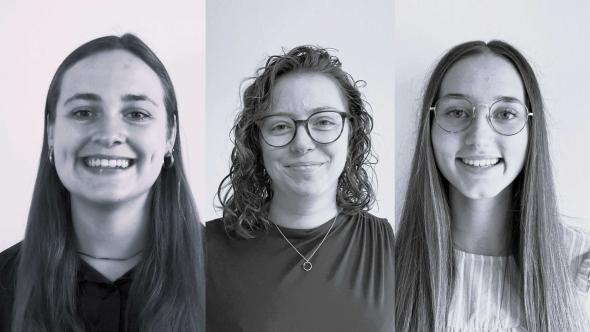
What strikes Donaciene and Lisa is not only the intellectual depth of the project, but the human reality it reveals. During the workshops in schools, the children open up with disarming ease, sometimes on very sensitive topics.
“We’ve been here for two hours, and they’re coming up to us to talk about very personal things. I found that pretty impressive,” Donaciene says.
Lisa, for her part, was struck by the way the children sometimes look at one another: “What struck me is that even among themselves, they can judge each other. Children trying to speak, not very sure of themselves, facing a group that judges…”
On the issue of rights themselves, the conclusion is clear: children know little, or misunderstand, their practical implications. “They’re for them and they’re essential, but they don’t know much about them,” Lisa sums up. Donaciene, for her part, observes two types: those who know they have rights but feel they aren’t respected much in the face of parental authority, and those who’ve never heard of them.