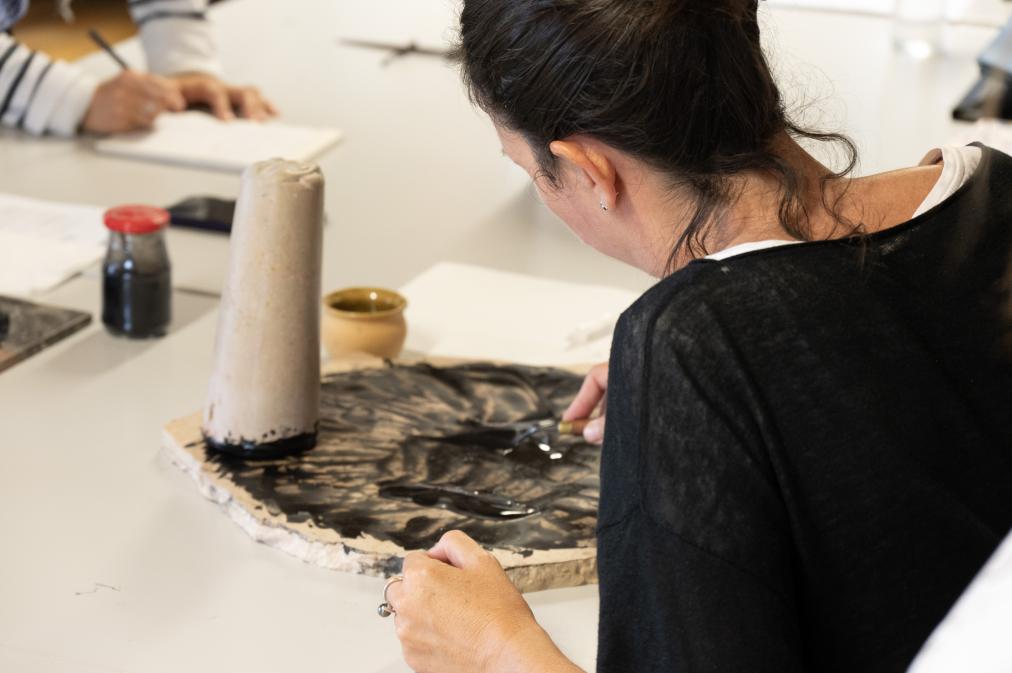
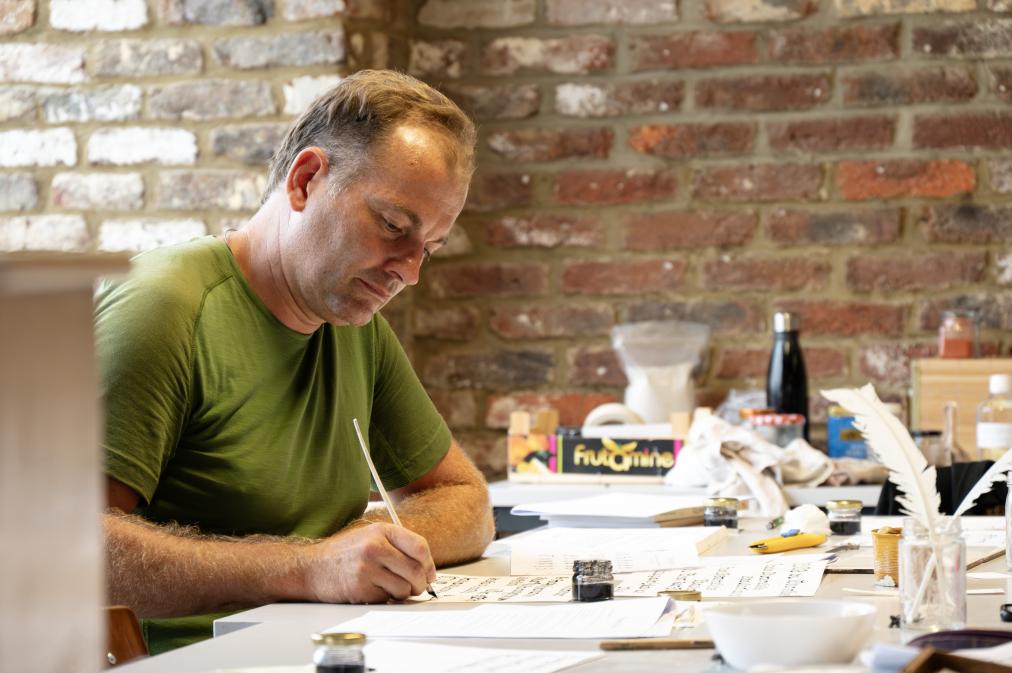
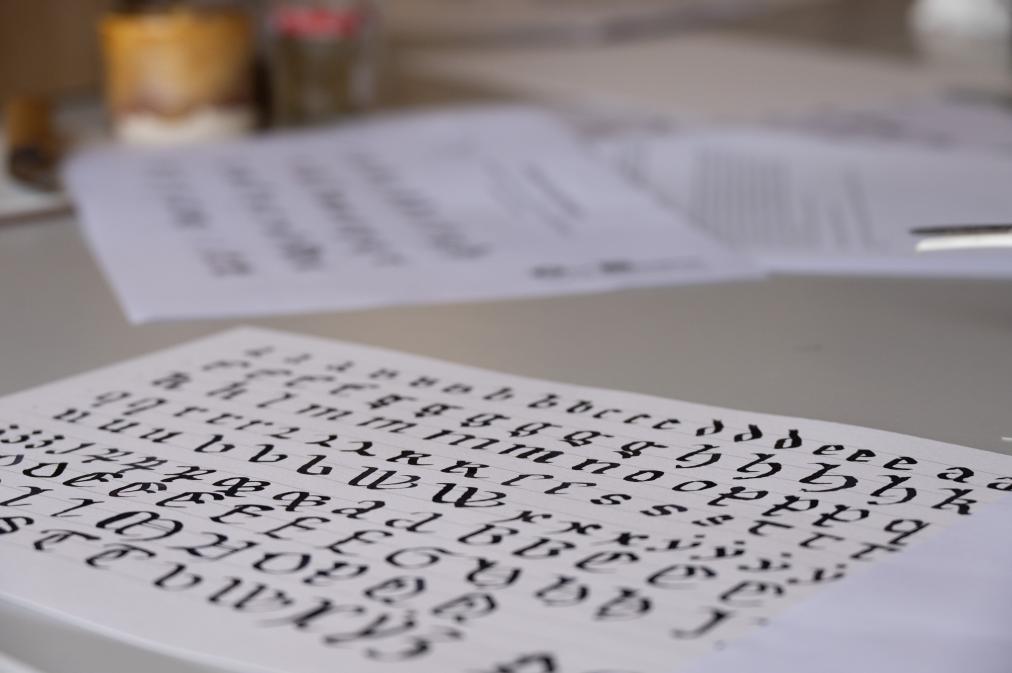
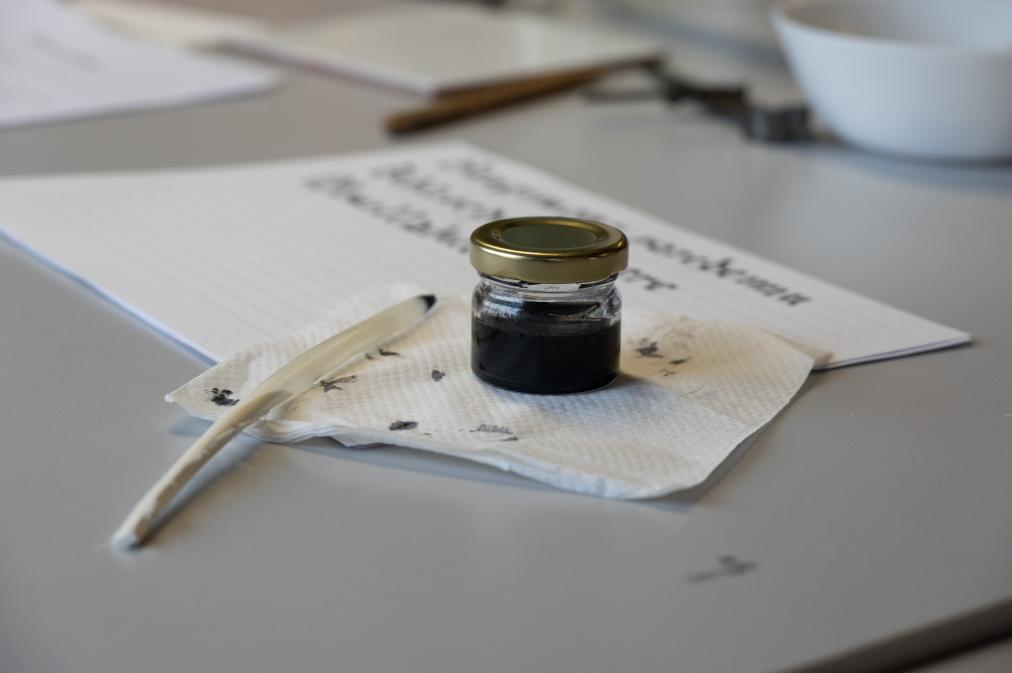
This study and the resulting article were inspired by the delamination experiments conducted in 2023 by Jiří Vnouček during a symposium in Klosterneuburg, Austria, in which Prof. Olivier Deparis participated. The symposium was organized by Professor Matthew Collins as part of the ABC and ERC Beast2Craft (B2C) projects.
But it all began in 2014, when the Pergamenum21 project, dedicated to the transdisciplinary study of parchments, was launched. Pergamenum21 is a project of the Namur Transdisciplinary Research Impulse (NaTRIP) program at the University of Namur. The project received an additional grant in 2016 from the Jean-Jacques Comhaire Fund of the King Baudouin Foundation (FRB).
The projects and events followed one after another, including:
- May 2014: a transdisciplinary seminar on parchment, the scientific techniques used to characterize this material, and historical questions at the Mauretus Plantin Library (BUMP)
- May 2017: "Autopsy of a scriptorium: the Orval parchments put to the test of bioarchaeology," a transdisciplinary research project co-financed by the University of Namur and the Jean-Jacques Comhaire Fund of the King Baudouin Foundation
- April 2019: a publication in Scientific Reports, Nature group - Jean-Jacques Comhaire Prize: discovery of an innovative technique based on measuring the light scattered by ancient parchments. This technique makes it possible to characterize, in a non-invasive way, the nature of the skins used in the Middle Ages to make parchments
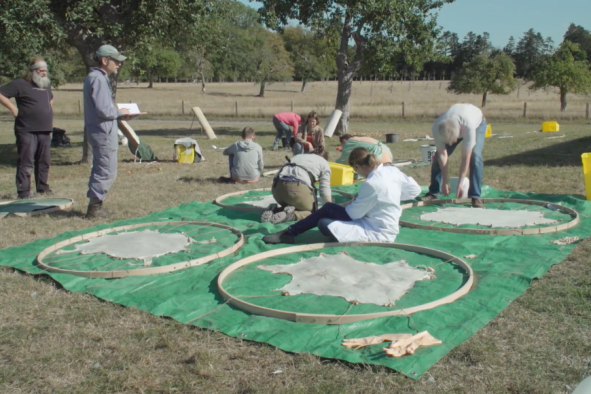
- September 2020: a residential workshop on making parchment from animal skins at the Domaine d'Haugimont – a first in Belgium
- July 2022: a new project on parchment bindings for the restoration workshop at the Moretus Plantin University Library (BUMP) thanks to the Jean-Jacques Comhaire Fund of the King Baudouin Foundation.
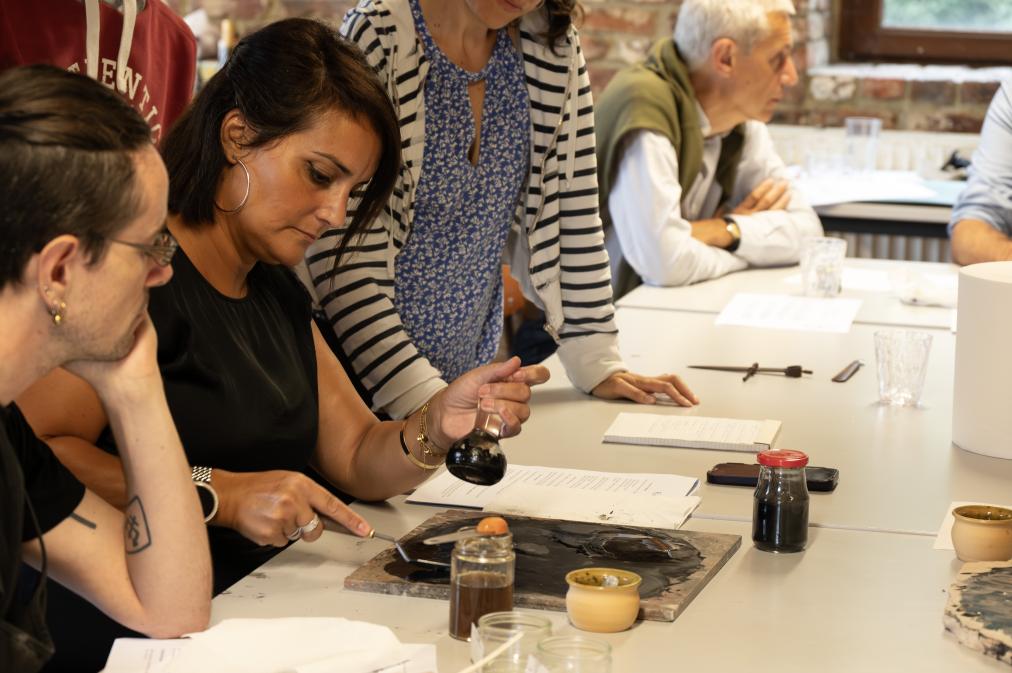
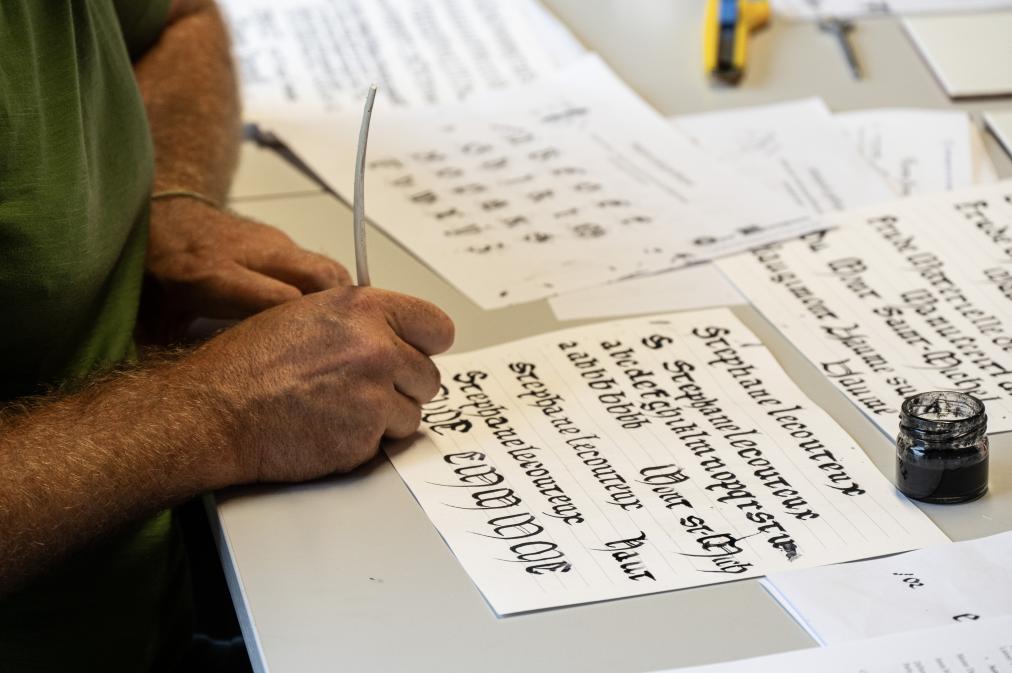
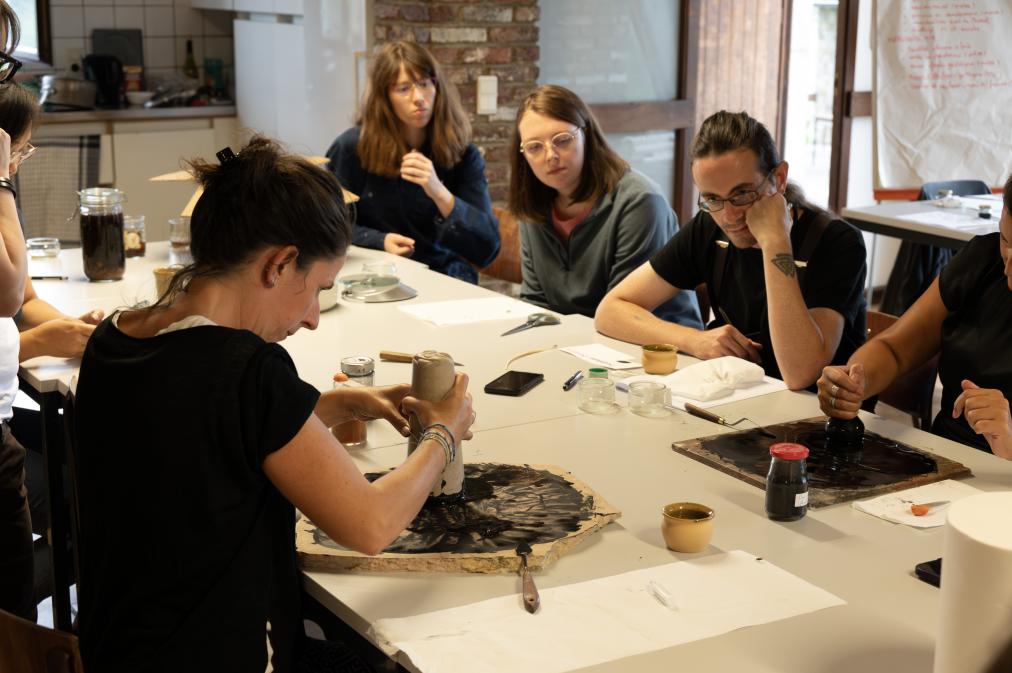
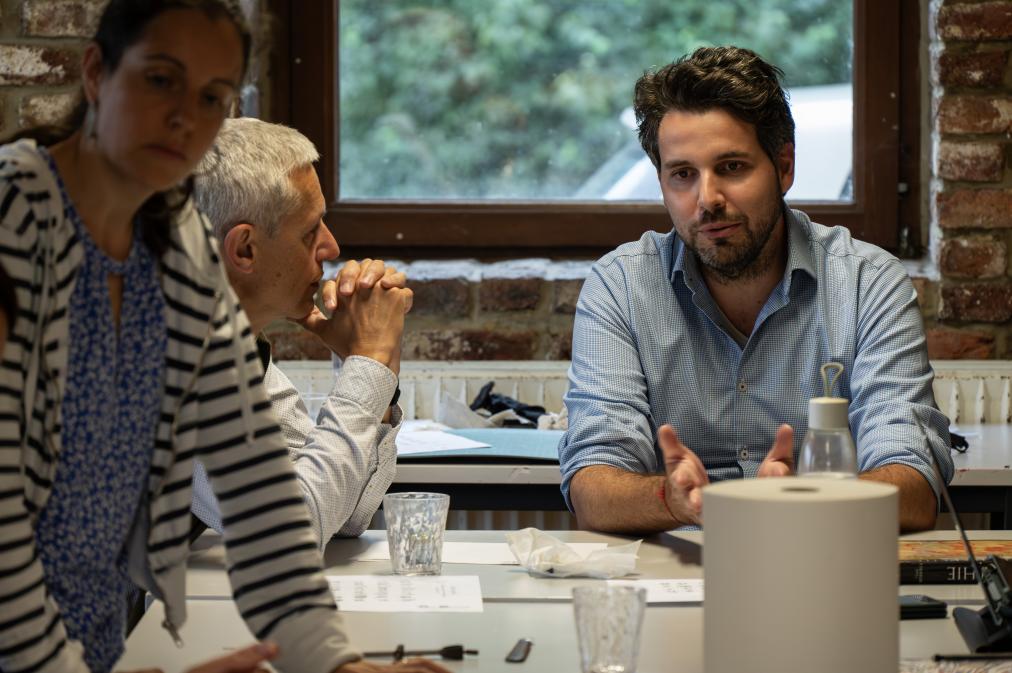
- September 2024: a residential symposium-workshop at the Domaine d'Haugimont on the theme of the physicochemistry of parchment and inks using experimental and historical approaches
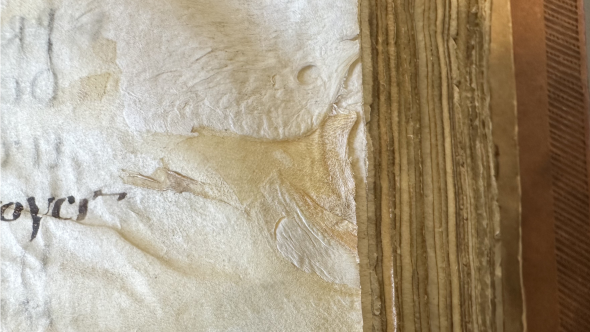
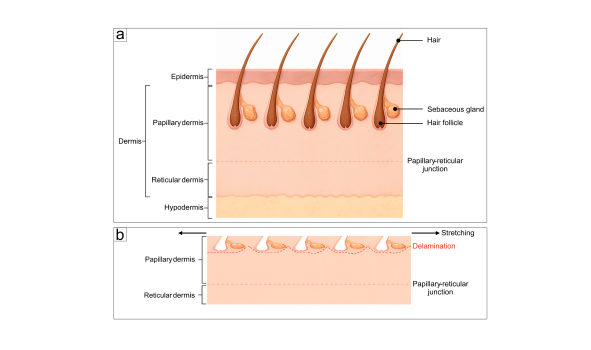
Overall, the work of Marine Appart and her colleagues clarifies the structural and material factors that make sheepskin parchment susceptible to delamination and offers new insights into the surface properties of this ancient writing material. UNamur is now establishing itself as a major player in parchment research.
Professor Olivier Deparis, along with several of the researchers involved in this research, are also working on the ARC PHOENIX project. This project aims to renew our understanding of medieval parchments and ancient coins. Artificial intelligence is used to analyze the data generated by the characterization of materials. This joint study will address issues related to the production chain and the use of these objects and materials in past societies.