Welcome to the Department of Physics!
How can we produce energy without exhausting the planet? What else can space exploration teach us? How can we treat patients more effectively with proton therapy? Artificial intelligence, friend or foe? And how is Schrödinger's cat doing?
You're asking yourself these kinds of questions, and you'd like to be able to answer them. You'd like to understand, know, solve, experiment, test, code, apply. You'd like to make a commitment to preserving the planet, to health, to society. You'd like to take up the challenge of corporate research, or you'd prefer to put your skills at the service of more fundamental knowledge. By joining the Department of Physics at the University of Namur, you will be satiated and we welcome you with enthusiasm.
Find out more about the Physics Department
Spotlight
News
Researchers from Namur Achieve Great Success in the F.R.S.-FNRS’s 2026 “Grants and Research Awards” and “Télévie” Calls
On June 23, 2026, the F.R.S.-FNRS published the list of recipients of various doctoral and postdoctoral fellowships and Télévie projects (cancer-focused research). Among them, numerous researchers from UNamur received funding.
Six researchers have been awarded doctoral fellowships to begin their doctoral dissertations: Rachel LAURON from the Faculty of Sciences; Océane WATELET, Vera NOVAK, Camille LAMBIET, Alionka WÉRENNE, and Théodore HARDY (who received his grant from ULB under a joint supervision arrangement with UNamur) from the Faculty of Philosophy and Letters.
Researchers from Namur also achieved great success in securing research fellow grants. Seven of them received this postdoctoral funding. They are Eleonor CELORA, Nataliya PUCHENKINA, Jérémy ARTRU and Bernardino PITOCCHELLI from the Faculty of Philosophy and Letters; Romain MERTENS from the Faculty of Law; and David TALUKDER and François WOITRIN from the Faculty of Economics, Management, and Communication at SciencesPo (EMCP).
In addition, two permanent F.R.S.-FNRS researchers at UNamur have been promoted to Senior Researcher: Francesca CECCHET and Yves CAUDANO, both members of the Department of Physics and the NISM Institute.
The Télévie call for proposals also enabled Marc HENNEQUART to secure funding to begin research aimed at identifying the metabolic determinants of the response to arginine deprivation in pancreatic and colorectal cancers.
Congratulations to them!
PHOENIX: Revitalizing Heritage Sciences at UNamur
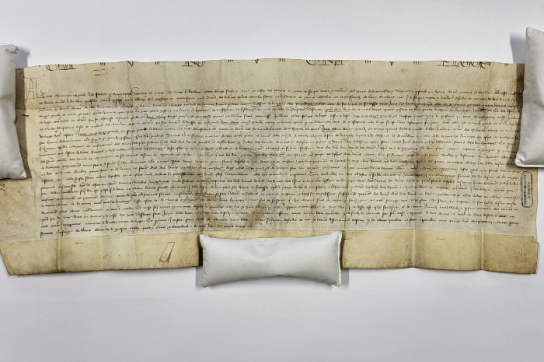
With the PHOENIX project, UNamur is revisiting a long-standing area of expertise: heritage sciences. Using cutting-edge techniques and artificial intelligence, a transdisciplinary team of experts in history, archaeology, and physics has set out to renew our understanding of heritage objects in order to uncover their origins, methods of production, and uses. Under their scrutiny: ancient coins and medieval parchments.
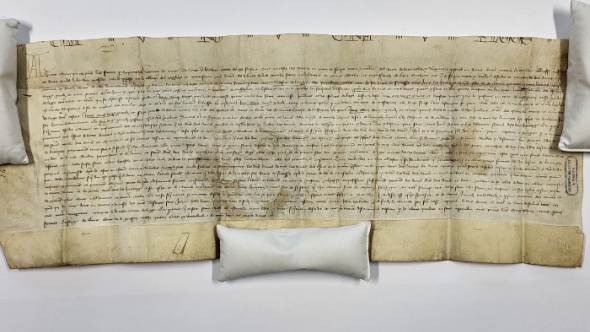
Heritage sciences are experiencing a resurgence at UNamur. This field of research—which involves applying techniques and expertise from the exact sciences (physics, chemistry, biology) to study ancient heritage objects—is reinventing itself thanks to the PHOENIX project, led by seven researchers from the Faculties of Science (Department of Physics) and Philosophy and Letters (Departments of History and Classical Languages and Literatures).
“PHOENIX emerged from the collaboration of several researchers from different backgrounds, yet all driven by the same desire to study the materiality of heritage objects. One notable figure is Julien Colaux, whose predecessor had led the first heritage science projects at UNamur’s Laboratory of Analysis by Nuclear Reactions (LARN). It’s a sort of return to our roots,” recalls Nicolas Ruffini-Ronzani, a researcher in the Department of History, president of the PaTHs Institute, and one of the project’s leaders.
A threefold objective
With PHOENIX, researchers aim to “make” two types of objects speak: ancient coins and medieval parchments (see box). More specifically, their research is guided by three objectives:
- To understand the composition of the artifacts being studied. For the parchments, to identify the animal species (sheep, goat, or calf); and for the coins, to characterize the metal alloy.
- Gain a better understanding of the production and processing workflow. For example, determine which parts of the animal were used in the production of a parchment.
- To propose the most precise dating possible.
It is in this last objective that the main challenge lies. “We won’t be able to date these objects to within a year,” warns Olivier Deparis, a professor in the Department of Physics and a member of the NISM research institute. “The idea is to provide a time frame that is as precise, if not more so, than that already provided by paleography (the study of ancient scripts) or textual analysis. If we can narrow it down to a quarter-century, that will already be a significant step forward.”
Fostering dialogue between the humanities and the natural sciences
To achieve this, the PHOENIX team uses various non-invasive techniques, in particular infrared and Raman spectroscopy, time-of-flight secondary ion mass spectrometry (ToF-SIMS), and ion beam analysis (IBA). These approaches—which utilize UNamur’s state-of-the-art tools such as the ALTAÏS particle accelerator (see Omalius #36)—provide detailed information on the physicochemical composition of materials, such as the animal origin and ink formulations for parchments or the type of metal alloy for coins. “The use of the exact sciences will enrich our studies and thus allow us to better understand how these objects were produced in the past,” explains Nicolas Ruffini-Ronzani. “Contrary to what one might think, collaboration between the humanities and the exact sciences has a long history, dating back to the 19th century, and even much earlier in the case of coins.”
A breath of fresh air thanks to artificial intelligence
These tools will make it possible to examine parchments and coins down to the finest detail, at the pixel level. These in-depth analyses therefore generate a colossal volume of raw data to process. This is where artificial intelligence comes into play to speed up the processing and reveal the information “hidden” in the data, identifying major trends invisible to the naked eye.
Above all, it will provide a boost in meeting the challenge of dating the objects under study. Dated documents, such as charters, will thus be used as references to test the model’s robustness by comparing the results obtained with already known dates. “If the results are convincing, the technique could be applied to undated documents,” says Nicolas Ruffini-Ronzani. This would represent a significant breakthrough in historical research.
“The use of machine learning methods is not a panacea,” Olivier Deparis qualifies, however. “We wanted to explore it as an open-ended question to assess its benefits.”
PHOENIX could thus herald a new era for heritage sciences, where artificial intelligence—much like the phoenix after which the project is named—opens up new ways to analyze and understand materials from the past.
Greek coins and banknotes
The PHOENIX corpus covers two types of heritage objects:
- A collection of 168 silver coins associated with the city of Argos (Greece), from the private collection of Tony Hackens (1937–1999), former professor of Archaeology at UCLouvain.
- Several hundred medieval and modern charters from the archives of the Cistercian Abbey of Notre-Dame du Vivier (Marche-les-Dames, Namur), currently held at the State Archives in Namur.
Meet the team
- Francesca Cecchet (Department of Physics – NISM and NARILIS Institutes)
- Lucas Baseil (Department of Physics – NISM Institute)
- Julien Colaux (Department of Physics – NISM and PaTHs Institutes)
- Olivier Deparis (Department of Physics – NISM, naXys, and PaTHs Institutes)
- Christophe Flament (Department of Classical Languages and Literatures – PaTHs Institute)
- Louise Fauchier (Department of Classical Languages and Literature – PaTHs Institute)
- Laurent Houssiau (Department of Physics – NISM Institute)
- Alexandre Mayer (Department of Physics – NISM and naXys Institutes)
- Giulia Morabito (Department of Physics – NISM and PaTHs Institutes)
- Nicolas Ruffini-Ronzani (Department of History – PaTHs Institute)
- Nicolas Gros (Department of Physics – NISM and PaTHs Institutes)
- Manon Bart (Department of Physics – NISM and naXys Institutes)
The PHOENIX project is funded by the Concerted Research Action (ARC) program from September 2024 to August 2029. It is a continuation of the interdisciplinary Pergamenum21 project, launched in 2014 by the Moretus Plantin University Library (BUMP) under the leadership of Professor Olivier Deparis and dedicated to the scientific study of parchment with a view to improving conservation practices.
The PHOENIX Project at the First Lego League Challenge
Young people from Rochefort showcased the PHOENIX project at the international First Lego League competition, a robotics contest open to students aged 10 to 16. To align with the annual theme focused on new technologies in the field of archaeology, this team from the Rochefort Youth and Culture Center drew inspiration from IBA technology to develop a research game designed to identify the origin of Ancient Greek coins modeled using a 3D printer. Their project caught the jury’s eye and earned them a spot in the national finals, which took place last March. Beyond the competition, this original game will be presented during Family Day at the Malagne Archaeological Park (Rochefort).
This article is taken from the "Eureka" section of Omalius magazine, Issue #40 (April 2026).
Three MSCA Doctoral Networks projects selected: a remarkable achievement for UNamur
This is a great recognition of research at UNamur: three Marie Skłodowska-Curie Doctoral Networks (DN) projects have just been awarded, with a key contribution from researchers in Namur! The first, in chemistry, involves Professor Stéphane Vincent; the second, focused on ecosystem resilience, involves Professor Frédérik de Laender; and the third, in the field of photonics, benefits from the expertise of FNRS-qualified researcher Michaël Lobet.
For the MSCA Doctoral Networks 2025 call, 1,616 proposals were submitted and 141 were selected, representing a success rate of 9.6%. In this highly competitive environment, the selection of three projects involving UNamur sends a strong signal: it confirms the scientific excellence of Namur’s teams and their ability to build high-level international partnerships in support of doctoral training and innovation. Six doctoral dissertations will be eligible for funding.
Three projects, three cutting-edge topics
GlycoAxis – Understanding How the Gut Influences Brain Inflammation
Grant #101311186 from January 1, 2027, to December 31, 2031 – Project led by Stéphane Vincent – UNamur, Namur Research Institute for Life Sciences (NARILIS), in collaboration with 16 partners.
Coordination: Federico II University (Naples, Italy)
In many neurological diseases, both inflammation of the nervous system and imbalances in the gut microbiota are observed. GlycoAxis aims to go beyond simple correlations by identifying the molecular “messengers” that link the gut, the immune system, and the brain. The project focuses on complex sugars found on the surface of certain bacteria (glycans), which are suspected of playing a key role in immune activation and neuroinflammation. The goal: to better understand these mechanisms and pave the way for new diagnostic tools, imaging techniques, or biomarkers for brain health.
ReDiLeep – Strengthening ecosystem resilience through diverse responses
Grant # 101312530 from January 1, 2027, to December 31, 2031 – Project led by Frédérik de Laender – UNamur, Institute of Life, Earth and Environment (ILEE), in collaboration with 20 partners.
Coordination: Linköping University (Sweden).
In the face of climate change, pollution, and habitat fragmentation, some ecosystems weather the shocks… while others collapse. ReDiLeep focuses on a key driver of this resilience: response diversity—that is, the fact that different species (or ecological functions) do not all react in the same way to a disturbance. The project aims to better measure and model this mechanism in order to link research more directly to the needs of conservation, restoration, and public policy regarding biodiversity.
SPARK – programmable materials for controlling light at extremely high speeds
Grant # 101310184 from January 1, 2027, to December 31, 2031 – Project led by Michaël Lobet – UNamur, Namur Institute of Structured Matter (NISM), in collaboration with 7 partners.
Coordination: Eindhoven University of Technology (Netherlands)
Our digital communications rely on light: optical fibers, sensors, and photonic circuits capable of processing information. But with the explosion of data, the rise of AI, and the advent of ever-faster networks, it is becoming crucial to control light dynamically—much faster than is possible with current components, which are often “static.” SPARK is exploring a new approach: combining spatiotemporal metamaterials (nanoscale structures designed to shape light) with light that is itself “structured” in space and time. The result: reconfigurable photonic technologies for computing, imaging, and ultra-fast communications.
What are the Marie Skłodowska-Curie Doctoral Networks (MSCA-DN)?
In 1996, the European Union established the MSCA, a set of prestigious grants designed to fund research. The MSCA Doctoral Networks fund international networks that recruit and train doctoral students. Their goal is to combine high-level research with structured training, while promoting interdisciplinary and cross-sectoral collaboration as well as mobility within Europe and beyond.
The fight against cancer is at the heart of Télévie’s projects at UNamur
On Saturday, April 18, 2026, Vice-Rector for Research Benoît Champagne and Professor Anne-Catherine Heuskin, a Télévie project sponsor, represented the UNamur community on the set of the Télévie gala. On this occasion, they presented a check for 20,000 euros to support this FRS-FNRS initiative, which raises funds to finance numerous research projects at universities in the Wallonia-Brussels Federation, with one goal: to improve treatments for this disease, which now affects nearly 80,000 new patients and claims nearly 30,000 lives each year in Belgium.
Research is hope
While scientific research has significantly improved the cure rates for certain cancers over the past few decades, others remain incurable or recur quickly. In this regard, advances in scientific research offer real hope to all patients who are looking forward to increasingly targeted and innovative treatments. A closer look at the Télévie projects currently underway at UNamur.
Enhancing the effects of radiation therapy and proton therapy
Radiation therapy is a treatment currently used for 50% of cancer patients. Several projects are underway in the Department of Physics under the direction of Professor Anne-Catherine Heuskin, aimed at optimizing its effectiveness while reducing harmful side effects for patients.
Giacomo Lopopolo is studying the effects of oxidative stress caused by radiation therapy and the damage it inflicts on cellular mitochondria, particularly in the treatment of lung cancer. Objective: to determine the necessary doses in treatment plans for conventional radiotherapy or proton therapy to ensure effective treatment while improving the patient’s quality of life. This interdisciplinary project also benefits from the expertise of Professor Thierry Arnould, co-supervisor (URBC).
For her part, Keïla Openge-Navenge is attempting to decipher the mechanisms of radiation resistance at work in breast, lung, and colorectal cancers, and in particular the role of lipid metabolism, ferroptosis, and mitochondria within cancer cells.
Jade Nichols, who has just joined UNamur, is launching a Télévie project to understand the response of macrophages—which play an essential role in shaping the tumor microenvironment—to ultra-high-dose-rate (UHDR) radiation, a phenomenon that has not yet been explored and whose results could eventually help optimize treatment strategies that leverage both radiation and the patient’s own immune responses.
Understanding tumors to better fight them
Within the URBC, under the direction of Professor Carine Michiels, several projects aim to better understand the factors contributing to the development of different types of tumors and the mechanisms that are triggered in response to treatment.
Inès Bourriez focuses her research on skin cancers, which account for 40% of all cancers diagnosed today. She is interested in the impact of skin aging and the accumulation of so-called senescent cells on tumor development and progression.
Understanding how cells react to radiation is also the focus of projects led by Emma Lambert, on the one hand, and Manon Van Den Abbeel, on the other, through a collaboration with Anne-Catherine Heuskin at LARN. Manon Van Den Abbeel is studying the irradiation conditions that induce the strongest possible immune response to circumvent the various immunosuppressive mechanisms developed within tumors, thereby enhancing the immunogenicity of tumors and thus their recognition and destruction by the immune system.
Emma Lambert, meanwhile, is launching a project on glioblastoma, an aggressive and currently incurable brain tumor, to better understand the resistance mechanisms that develop during combination treatments using chemotherapy, radiation therapy, or proton therapy.
As for Eloïse Rapport, she is interested in a third form of radiation therapy, using alpha particles—that is, ionized helium atoms—to increase the death of cancer cells within tumors. In particular, she is studying the different forms of induced cell death and their potential immunogenicity.
Improving the diagnosis of pancreatic cancer
Pancreatic cancer, particularly pancreatic ductal adenocarcinoma (PDAC), remains one of the deadliest cancers, with a five-year survival rate of only 13%. Because the disease is often asymptomatic in its early stages, it is frequently diagnosed at an advanced stage. This situation, coupled with the lack of effective treatments and the immunosuppressive tumor microenvironment that limits the efficacy of immunotherapies, explains the poor prognosis of PDAC. Early detection of this type of cancer is therefore crucial, but current diagnostic tools have limited sensitivity and specificity.
Emma Thompson has dedicated herself to this project, having joined Professor Marc Hennequart’s team at URPhyM. This research explores the metabolic changes associated with the early progression of PDAC with the aim of identifying new biomarkers that enable earlier detection and intervention, thereby improving patients’ chances of recovery.
The UNamur community rallies to support Télévie and the fight against cancer
As it has done every year for the past 23 years, the UNamur community is organizing a series of events to raise funds for the Télévie campaign. In 2026, students have been particularly active through three initiatives.
On February 18, the ImproNam project team came together once again to face off against the Namur-based troupe Oh My God in a lively improv match, which raised a generous total of 1,058.02 euros.
“It’s always a pleasure to contribute, in our own small way, to a project like Télévie. It’s an event that brings all generations together”—Calixte Henin Groves, student and president of ImproNam.
On March 12, the Student General Assembly brought the house down at the Arsenal during the second edition of the Grand Blind Test at UNamur. It was a fun-filled evening that brought together some thirty teams of staff and students to compete on the biggest hits of the past 30 years, and, thanks to the support of sponsors, raised €6,338.91.
Finally, the Namur Computer Club dedicated its 24-hour charity livestream on the Twitch platform. Over the course of the hours, and thanks to the generosity, activities, and challenges taken on by the Club’s members, a generous sum of €1,831.91 was donated to Télévie.
Well done to everyone!
UNamur thanks all the students and staff members who rallied to support the Télévie campaign on campus. UNamur also thanks all the suppliers and sponsors who have partnered with these initiatives and helped boost the Télévie total. |
For many years, the university community, its alumni, and its partners have been rallying to support cancer research through the Télévie campaign. All donations collected are donated to the FNRS.
Researchers from Namur Achieve Great Success in the F.R.S.-FNRS’s 2026 “Grants and Research Awards” and “Télévie” Calls
On June 23, 2026, the F.R.S.-FNRS published the list of recipients of various doctoral and postdoctoral fellowships and Télévie projects (cancer-focused research). Among them, numerous researchers from UNamur received funding.
Six researchers have been awarded doctoral fellowships to begin their doctoral dissertations: Rachel LAURON from the Faculty of Sciences; Océane WATELET, Vera NOVAK, Camille LAMBIET, Alionka WÉRENNE, and Théodore HARDY (who received his grant from ULB under a joint supervision arrangement with UNamur) from the Faculty of Philosophy and Letters.
Researchers from Namur also achieved great success in securing research fellow grants. Seven of them received this postdoctoral funding. They are Eleonor CELORA, Nataliya PUCHENKINA, Jérémy ARTRU and Bernardino PITOCCHELLI from the Faculty of Philosophy and Letters; Romain MERTENS from the Faculty of Law; and David TALUKDER and François WOITRIN from the Faculty of Economics, Management, and Communication at SciencesPo (EMCP).
In addition, two permanent F.R.S.-FNRS researchers at UNamur have been promoted to Senior Researcher: Francesca CECCHET and Yves CAUDANO, both members of the Department of Physics and the NISM Institute.
The Télévie call for proposals also enabled Marc HENNEQUART to secure funding to begin research aimed at identifying the metabolic determinants of the response to arginine deprivation in pancreatic and colorectal cancers.
Congratulations to them!
PHOENIX: Revitalizing Heritage Sciences at UNamur
With the PHOENIX project, UNamur is revisiting a long-standing area of expertise: heritage sciences. Using cutting-edge techniques and artificial intelligence, a transdisciplinary team of experts in history, archaeology, and physics has set out to renew our understanding of heritage objects in order to uncover their origins, methods of production, and uses. Under their scrutiny: ancient coins and medieval parchments.
Heritage sciences are experiencing a resurgence at UNamur. This field of research—which involves applying techniques and expertise from the exact sciences (physics, chemistry, biology) to study ancient heritage objects—is reinventing itself thanks to the PHOENIX project, led by seven researchers from the Faculties of Science (Department of Physics) and Philosophy and Letters (Departments of History and Classical Languages and Literatures).
“PHOENIX emerged from the collaboration of several researchers from different backgrounds, yet all driven by the same desire to study the materiality of heritage objects. One notable figure is Julien Colaux, whose predecessor had led the first heritage science projects at UNamur’s Laboratory of Analysis by Nuclear Reactions (LARN). It’s a sort of return to our roots,” recalls Nicolas Ruffini-Ronzani, a researcher in the Department of History, president of the PaTHs Institute, and one of the project’s leaders.
A threefold objective
With PHOENIX, researchers aim to “make” two types of objects speak: ancient coins and medieval parchments (see box). More specifically, their research is guided by three objectives:
- To understand the composition of the artifacts being studied. For the parchments, to identify the animal species (sheep, goat, or calf); and for the coins, to characterize the metal alloy.
- Gain a better understanding of the production and processing workflow. For example, determine which parts of the animal were used in the production of a parchment.
- To propose the most precise dating possible.
It is in this last objective that the main challenge lies. “We won’t be able to date these objects to within a year,” warns Olivier Deparis, a professor in the Department of Physics and a member of the NISM research institute. “The idea is to provide a time frame that is as precise, if not more so, than that already provided by paleography (the study of ancient scripts) or textual analysis. If we can narrow it down to a quarter-century, that will already be a significant step forward.”
Fostering dialogue between the humanities and the natural sciences
To achieve this, the PHOENIX team uses various non-invasive techniques, in particular infrared and Raman spectroscopy, time-of-flight secondary ion mass spectrometry (ToF-SIMS), and ion beam analysis (IBA). These approaches—which utilize UNamur’s state-of-the-art tools such as the ALTAÏS particle accelerator (see Omalius #36)—provide detailed information on the physicochemical composition of materials, such as the animal origin and ink formulations for parchments or the type of metal alloy for coins. “The use of the exact sciences will enrich our studies and thus allow us to better understand how these objects were produced in the past,” explains Nicolas Ruffini-Ronzani. “Contrary to what one might think, collaboration between the humanities and the exact sciences has a long history, dating back to the 19th century, and even much earlier in the case of coins.”
A breath of fresh air thanks to artificial intelligence
These tools will make it possible to examine parchments and coins down to the finest detail, at the pixel level. These in-depth analyses therefore generate a colossal volume of raw data to process. This is where artificial intelligence comes into play to speed up the processing and reveal the information “hidden” in the data, identifying major trends invisible to the naked eye.
Above all, it will provide a boost in meeting the challenge of dating the objects under study. Dated documents, such as charters, will thus be used as references to test the model’s robustness by comparing the results obtained with already known dates. “If the results are convincing, the technique could be applied to undated documents,” says Nicolas Ruffini-Ronzani. This would represent a significant breakthrough in historical research.
“The use of machine learning methods is not a panacea,” Olivier Deparis qualifies, however. “We wanted to explore it as an open-ended question to assess its benefits.”
PHOENIX could thus herald a new era for heritage sciences, where artificial intelligence—much like the phoenix after which the project is named—opens up new ways to analyze and understand materials from the past.
Greek coins and banknotes
The PHOENIX corpus covers two types of heritage objects:
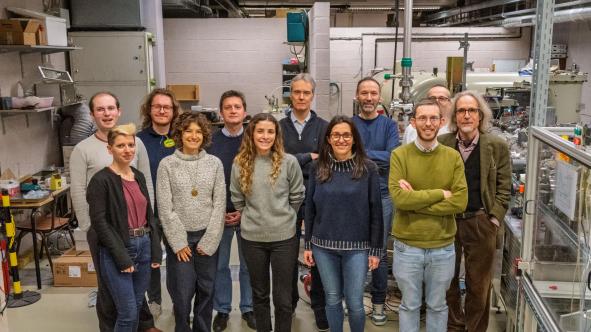
- A collection of 168 silver coins associated with the city of Argos (Greece), from the private collection of Tony Hackens (1937–1999), former professor of Archaeology at UCLouvain.
- Several hundred medieval and modern charters from the archives of the Cistercian Abbey of Notre-Dame du Vivier (Marche-les-Dames, Namur), currently held at the State Archives in Namur.
Meet the team
- Francesca Cecchet (Department of Physics – NISM and NARILIS Institutes)
- Lucas Baseil (Department of Physics – NISM Institute)
- Julien Colaux (Department of Physics – NISM and PaTHs Institutes)
- Olivier Deparis (Department of Physics – NISM, naXys, and PaTHs Institutes)
- Christophe Flament (Department of Classical Languages and Literatures – PaTHs Institute)
- Louise Fauchier (Department of Classical Languages and Literature – PaTHs Institute)
- Laurent Houssiau (Department of Physics – NISM Institute)
- Alexandre Mayer (Department of Physics – NISM and naXys Institutes)
- Giulia Morabito (Department of Physics – NISM and PaTHs Institutes)
- Nicolas Ruffini-Ronzani (Department of History – PaTHs Institute)
- Nicolas Gros (Department of Physics – NISM and PaTHs Institutes)
- Manon Bart (Department of Physics – NISM and naXys Institutes)
The PHOENIX project is funded by the Concerted Research Action (ARC) program from September 2024 to August 2029. It is a continuation of the interdisciplinary Pergamenum21 project, launched in 2014 by the Moretus Plantin University Library (BUMP) under the leadership of Professor Olivier Deparis and dedicated to the scientific study of parchment with a view to improving conservation practices.
The PHOENIX Project at the First Lego League Challenge
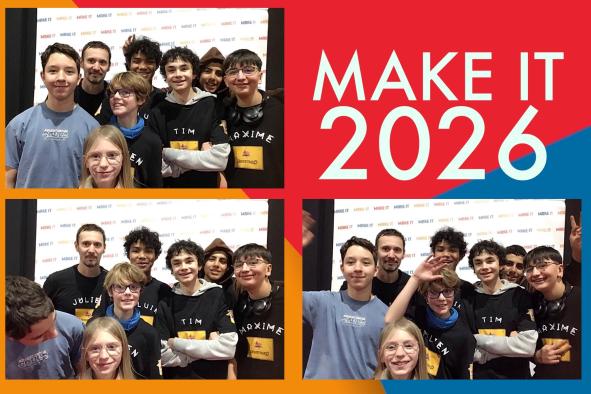
Young people from Rochefort showcased the PHOENIX project at the international First Lego League competition, a robotics contest open to students aged 10 to 16. To align with the annual theme focused on new technologies in the field of archaeology, this team from the Rochefort Youth and Culture Center drew inspiration from IBA technology to develop a research game designed to identify the origin of Ancient Greek coins modeled using a 3D printer. Their project caught the jury’s eye and earned them a spot in the national finals, which took place last March. Beyond the competition, this original game will be presented during Family Day at the Malagne Archaeological Park (Rochefort).
This article is taken from the "Eureka" section of Omalius magazine, Issue #40 (April 2026).
Three MSCA Doctoral Networks projects selected: a remarkable achievement for UNamur
This is a great recognition of research at UNamur: three Marie Skłodowska-Curie Doctoral Networks (DN) projects have just been awarded, with a key contribution from researchers in Namur! The first, in chemistry, involves Professor Stéphane Vincent; the second, focused on ecosystem resilience, involves Professor Frédérik de Laender; and the third, in the field of photonics, benefits from the expertise of FNRS-qualified researcher Michaël Lobet.
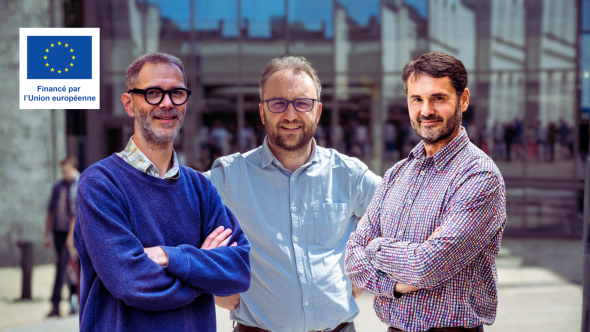
For the MSCA Doctoral Networks 2025 call, 1,616 proposals were submitted and 141 were selected, representing a success rate of 9.6%. In this highly competitive environment, the selection of three projects involving UNamur sends a strong signal: it confirms the scientific excellence of Namur’s teams and their ability to build high-level international partnerships in support of doctoral training and innovation. Six doctoral dissertations will be eligible for funding.
Three projects, three cutting-edge topics
GlycoAxis – Understanding How the Gut Influences Brain Inflammation
Grant #101311186 from January 1, 2027, to December 31, 2031 – Project led by Stéphane Vincent – UNamur, Namur Research Institute for Life Sciences (NARILIS), in collaboration with 16 partners.
Coordination: Federico II University (Naples, Italy)
In many neurological diseases, both inflammation of the nervous system and imbalances in the gut microbiota are observed. GlycoAxis aims to go beyond simple correlations by identifying the molecular “messengers” that link the gut, the immune system, and the brain. The project focuses on complex sugars found on the surface of certain bacteria (glycans), which are suspected of playing a key role in immune activation and neuroinflammation. The goal: to better understand these mechanisms and pave the way for new diagnostic tools, imaging techniques, or biomarkers for brain health.
ReDiLeep – Strengthening ecosystem resilience through diverse responses
Grant # 101312530 from January 1, 2027, to December 31, 2031 – Project led by Frédérik de Laender – UNamur, Institute of Life, Earth and Environment (ILEE), in collaboration with 20 partners.
Coordination: Linköping University (Sweden).
In the face of climate change, pollution, and habitat fragmentation, some ecosystems weather the shocks… while others collapse. ReDiLeep focuses on a key driver of this resilience: response diversity—that is, the fact that different species (or ecological functions) do not all react in the same way to a disturbance. The project aims to better measure and model this mechanism in order to link research more directly to the needs of conservation, restoration, and public policy regarding biodiversity.
SPARK – programmable materials for controlling light at extremely high speeds
Grant # 101310184 from January 1, 2027, to December 31, 2031 – Project led by Michaël Lobet – UNamur, Namur Institute of Structured Matter (NISM), in collaboration with 7 partners.
Coordination: Eindhoven University of Technology (Netherlands)
Our digital communications rely on light: optical fibers, sensors, and photonic circuits capable of processing information. But with the explosion of data, the rise of AI, and the advent of ever-faster networks, it is becoming crucial to control light dynamically—much faster than is possible with current components, which are often “static.” SPARK is exploring a new approach: combining spatiotemporal metamaterials (nanoscale structures designed to shape light) with light that is itself “structured” in space and time. The result: reconfigurable photonic technologies for computing, imaging, and ultra-fast communications.
What are the Marie Skłodowska-Curie Doctoral Networks (MSCA-DN)?
In 1996, the European Union established the MSCA, a set of prestigious grants designed to fund research. The MSCA Doctoral Networks fund international networks that recruit and train doctoral students. Their goal is to combine high-level research with structured training, while promoting interdisciplinary and cross-sectoral collaboration as well as mobility within Europe and beyond.
The fight against cancer is at the heart of Télévie’s projects at UNamur
On Saturday, April 18, 2026, Vice-Rector for Research Benoît Champagne and Professor Anne-Catherine Heuskin, a Télévie project sponsor, represented the UNamur community on the set of the Télévie gala. On this occasion, they presented a check for 20,000 euros to support this FRS-FNRS initiative, which raises funds to finance numerous research projects at universities in the Wallonia-Brussels Federation, with one goal: to improve treatments for this disease, which now affects nearly 80,000 new patients and claims nearly 30,000 lives each year in Belgium.
Research is hope
While scientific research has significantly improved the cure rates for certain cancers over the past few decades, others remain incurable or recur quickly. In this regard, advances in scientific research offer real hope to all patients who are looking forward to increasingly targeted and innovative treatments. A closer look at the Télévie projects currently underway at UNamur.
Enhancing the effects of radiation therapy and proton therapy
Radiation therapy is a treatment currently used for 50% of cancer patients. Several projects are underway in the Department of Physics under the direction of Professor Anne-Catherine Heuskin, aimed at optimizing its effectiveness while reducing harmful side effects for patients.
Giacomo Lopopolo is studying the effects of oxidative stress caused by radiation therapy and the damage it inflicts on cellular mitochondria, particularly in the treatment of lung cancer. Objective: to determine the necessary doses in treatment plans for conventional radiotherapy or proton therapy to ensure effective treatment while improving the patient’s quality of life. This interdisciplinary project also benefits from the expertise of Professor Thierry Arnould, co-supervisor (URBC).
For her part, Keïla Openge-Navenge is attempting to decipher the mechanisms of radiation resistance at work in breast, lung, and colorectal cancers, and in particular the role of lipid metabolism, ferroptosis, and mitochondria within cancer cells.
Jade Nichols, who has just joined UNamur, is launching a Télévie project to understand the response of macrophages—which play an essential role in shaping the tumor microenvironment—to ultra-high-dose-rate (UHDR) radiation, a phenomenon that has not yet been explored and whose results could eventually help optimize treatment strategies that leverage both radiation and the patient’s own immune responses.
Understanding tumors to better fight them
Within the URBC, under the direction of Professor Carine Michiels, several projects aim to better understand the factors contributing to the development of different types of tumors and the mechanisms that are triggered in response to treatment.
Inès Bourriez focuses her research on skin cancers, which account for 40% of all cancers diagnosed today. She is interested in the impact of skin aging and the accumulation of so-called senescent cells on tumor development and progression.
Understanding how cells react to radiation is also the focus of projects led by Emma Lambert, on the one hand, and Manon Van Den Abbeel, on the other, through a collaboration with Anne-Catherine Heuskin at LARN. Manon Van Den Abbeel is studying the irradiation conditions that induce the strongest possible immune response to circumvent the various immunosuppressive mechanisms developed within tumors, thereby enhancing the immunogenicity of tumors and thus their recognition and destruction by the immune system.
Emma Lambert, meanwhile, is launching a project on glioblastoma, an aggressive and currently incurable brain tumor, to better understand the resistance mechanisms that develop during combination treatments using chemotherapy, radiation therapy, or proton therapy.
As for Eloïse Rapport, she is interested in a third form of radiation therapy, using alpha particles—that is, ionized helium atoms—to increase the death of cancer cells within tumors. In particular, she is studying the different forms of induced cell death and their potential immunogenicity.
Improving the diagnosis of pancreatic cancer
Pancreatic cancer, particularly pancreatic ductal adenocarcinoma (PDAC), remains one of the deadliest cancers, with a five-year survival rate of only 13%. Because the disease is often asymptomatic in its early stages, it is frequently diagnosed at an advanced stage. This situation, coupled with the lack of effective treatments and the immunosuppressive tumor microenvironment that limits the efficacy of immunotherapies, explains the poor prognosis of PDAC. Early detection of this type of cancer is therefore crucial, but current diagnostic tools have limited sensitivity and specificity.
Emma Thompson has dedicated herself to this project, having joined Professor Marc Hennequart’s team at URPhyM. This research explores the metabolic changes associated with the early progression of PDAC with the aim of identifying new biomarkers that enable earlier detection and intervention, thereby improving patients’ chances of recovery.
The UNamur community rallies to support Télévie and the fight against cancer
As it has done every year for the past 23 years, the UNamur community is organizing a series of events to raise funds for the Télévie campaign. In 2026, students have been particularly active through three initiatives.
On February 18, the ImproNam project team came together once again to face off against the Namur-based troupe Oh My God in a lively improv match, which raised a generous total of 1,058.02 euros.
“It’s always a pleasure to contribute, in our own small way, to a project like Télévie. It’s an event that brings all generations together”—Calixte Henin Groves, student and president of ImproNam.
On March 12, the Student General Assembly brought the house down at the Arsenal during the second edition of the Grand Blind Test at UNamur. It was a fun-filled evening that brought together some thirty teams of staff and students to compete on the biggest hits of the past 30 years, and, thanks to the support of sponsors, raised €6,338.91.
Finally, the Namur Computer Club dedicated its 24-hour charity livestream on the Twitch platform. Over the course of the hours, and thanks to the generosity, activities, and challenges taken on by the Club’s members, a generous sum of €1,831.91 was donated to Télévie.
Well done to everyone!
UNamur thanks all the students and staff members who rallied to support the Télévie campaign on campus. UNamur also thanks all the suppliers and sponsors who have partnered with these initiatives and helped boost the Télévie total. |
For many years, the university community, its alumni, and its partners have been rallying to support cancer research through the Télévie campaign. All donations collected are donated to the FNRS.
Agenda
IBAF Conference 2026
Sixteen years after hosting the 2010 edition, UNamur is delighted to revive this scientific tradition and welcome the 11th edition of the Rencontres Ion Beam Applications Francophones (IBAF). This edition will be organized by scientists from the UNamur Physics Department who are active in the fields of materials science, biophysics, and interdisciplinary applications of ion beams.
The IBAF Meetings have been organized since 2003, every two years since 2008, by the Ion Beams Division of the French Vacuum Society (SFV), the oldest national vacuum society in the world, which celebrated its 80th anniversary in 2025.
As in previous editions, IBAF 2026 will offer a rich and varied program with guest lectures, oral and poster presentations, and technical sessions. All this will be complemented by an industrial presence to promote exchanges between research and innovation.
The conference will cover a wide range of topics, from ion beam instruments and techniques to the physics of ion-matter interactions, including the analysis and modification of materials, applications in the life sciences, earth and environmental sciences, and heritage sciences.