The NISM institute brings together the research activities of the chemistry and physics departments at the University of Namur. Research at the NISM institute focuses on various topics in organic chemistry, physical chemistry, (nano)materials chemistry, surface science, optics and photonics, and solid-state physics, from both a theoretical and experimental perspective.

The institute's researchers have recognized expertise in the field of synthesis and functionalization of molecular systems and innovative materials, from 0 to 3 dimensions. They develop analytical and numerical modeling tools for the rational design of molecules and (nano)materials with specific architectures that confer functional end properties.

Logo institut de recherche NISM

They draw on a range of advanced experimental techniques to study the chemical and physical properties of these systems at the micro- and nanometric scale. The research conducted at the institute falls within the field of both fundamental research, aimed at understanding and predicting the properties of structured matter, and applied research, aimed at developing functional materials and devices.

NISM's research areas are currently grouped into four clusters, whose boundaries are flexible, reflecting the transdisciplinary nature of the research topics and the collaborative dynamics between clusters.  

Each cluster is represented by a permanent scientist and a non-permanent scientist who, together with the institute's president and vice president, form the institute's executive committee.

NISM research poles

Research at NISM is identified by four poles which highlight the main scientific activities carried out within the institute. Each pole is a well-defined structure with members, and is managed by the pole representative. The structuring of the pole does not prevent ongoing cooperation between them. Indeed, there is well-established interaction between the various poles, through joint projects, conferences, seminars, co-supervision of master's and doctoral theses, among others.

SVG

High-Performance Computing - Multiscale Modeling (HPC-MM)

See content
SVG

Functional Structured Materials (FSM)

See content
SVG

Non-linear optics and photonics (NOP)

See content
SVG

Surfaces, interfaces and carbon nanostructures (SICN)

See content

Spotlight

News

PHOENIX: Revitalizing Heritage Sciences at UNamur

Heritage, culture and society
Physics and astronomy
History

With the PHOENIX project, UNamur is revisiting a long-standing area of expertise: heritage sciences. Using cutting-edge techniques and artificial intelligence, a transdisciplinary team of experts in history, archaeology, and physics has set out to renew our understanding of heritage objects in order to uncover their origins, methods of production, and uses. Under their scrutiny: ancient coins and medieval parchments. 
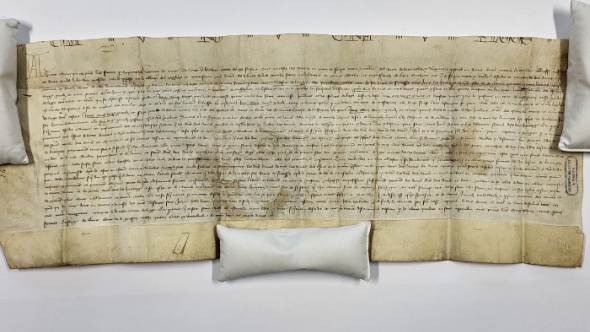
Parchemin entrée au monastère

Heritage sciences are experiencing a resurgence at UNamur. This field of research—which involves applying techniques and expertise from the exact sciences (physics, chemistry, biology) to study ancient heritage objects—is reinventing itself thanks to the PHOENIX project, led by seven researchers from the Faculties of Science (Department of Physics) and Philosophy and Letters (Departments of History and Classical Languages and Literatures). 

“PHOENIX emerged from the collaboration of several researchers from different backgrounds, yet all driven by the same desire to study the materiality of heritage objects. One notable figure is Julien Colaux, whose predecessor had led the first heritage science projects at UNamur’s Laboratory of Analysis by Nuclear Reactions (LARN). It’s a sort of return to our roots, recalls Nicolas Ruffini-Ronzani, a researcher in the Department of History, president of the PaTHs Institute, and one of the project’s leaders. 

A threefold objective 

With PHOENIX, researchers aim to “make” two types of objects speak: ancient coins and medieval parchments (see box). More specifically, their research is guided by three objectives:

  • To understand the composition of the artifacts being studied. For the parchments, to identify the animal species (sheep, goat, or calf); and for the coins, to characterize the metal alloy.
  • Gain a better understanding of the production and processing workflow. For example, determine which parts of the animal were used in the production of a parchment.
  • To propose the most precise dating possible. 

It is in this last objective that the main challenge lies. “We won’t be able to date these objects to within a year, warns Olivier Deparis, a professor in the Department of Physics and a member of the NISM research institute. “The idea is to provide a time frame that is as precise, if not more so, than that already provided by paleography (the study of ancient scripts) or textual analysis. If we can narrow it down to a quarter-century, that will already be a significant step forward.”

Fostering dialogue between the humanities and the natural sciences 

To achieve this, the PHOENIX team uses various non-invasive techniques, in particular infrared and Raman spectroscopy, time-of-flight secondary ion mass spectrometry (ToF-SIMS), and ion beam analysis (IBA). These approaches—which utilize UNamur’s state-of-the-art tools such as the ALTAÏS particle accelerator (see Omalius #36)—provide detailed information on the physicochemical composition of materials, such as the animal origin and ink formulations for parchments or the type of metal alloy for coins. “The use of the exact sciences will enrich our studies and thus allow us to better understand how these objects were produced in the past, explains Nicolas Ruffini-Ronzani. “Contrary to what one might think, collaboration between the humanities and the exact sciences has a long history, dating back to the 19th century, and even much earlier in the case of coins.”

A breath of fresh air thanks to artificial intelligence

These tools will make it possible to examine parchments and coins down to the finest detail, at the pixel level. These in-depth analyses therefore generate a colossal volume of raw data to process. This is where artificial intelligence comes into play to speed up the processing and reveal the information “hidden” in the data, identifying major trends invisible to the naked eye. 

Above all, it will provide a boost in meeting the challenge of dating the objects under study. Dated documents, such as charters, will thus be used as references to test the model’s robustness by comparing the results obtained with already known dates. “If the results are convincing, the technique could be applied to undated documents, says Nicolas Ruffini-Ronzani. This would represent a significant breakthrough in historical research.

“The use of machine learning methods is not a panacea, Olivier Deparis qualifies, however. “We wanted to explore it as an open-ended question to assess its benefits.”

PHOENIX could thus herald a new era for heritage sciences, where artificial intelligence—much like the phoenix after which the project is named—opens up new ways to analyze and understand materials from the past.

Greek coins and banknotes

The PHOENIX corpus covers two types of heritage objects: 

  • A collection of 168 silver coins associated with the city of Argos (Greece), from the private collection of Tony Hackens (1937–1999), former professor of Archaeology at UCLouvain.
  • Several hundred medieval and modern charters from the archives of the Cistercian Abbey of Notre-Dame du Vivier (Marche-les-Dames, Namur), currently held at the State Archives in Namur.
Projet Phoenix

Meet the team 

  • Francesca Cecchet (Department of Physics – NISM and NARILIS Institutes)
  • Lucas Baseil (Department of Physics – NISM Institute)
  • Julien Colaux (Department of Physics – NISM and PaTHs Institutes)
  • Olivier Deparis (Department of Physics – NISM, naXys, and PaTHs Institutes)
  • Christophe Flament (Department of Classical Languages and Literatures – PaTHs Institute)
  • Louise Fauchier (Department of Classical Languages and Literature – PaTHs Institute)
  • Laurent Houssiau (Department of Physics – NISM Institute)
  • Alexandre Mayer (Department of Physics – NISM and naXys Institutes)
  • Giulia Morabito (Department of Physics – NISM and PaTHs Institutes)
  • Nicolas Ruffini-Ronzani (Department of History – PaTHs Institute)
  • Nicolas Gros (Department of Physics – NISM and PaTHs Institutes)
  • Manon Bart (Department of Physics – NISM and naXys Institutes)
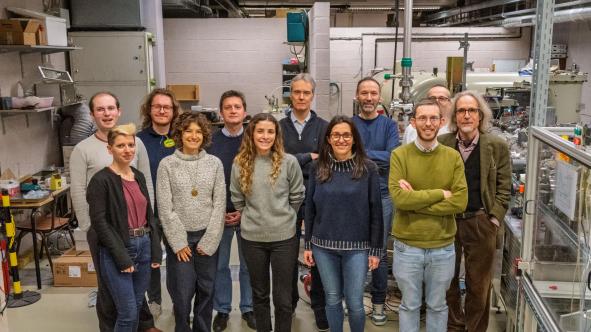
Photo d'équipe PHOENIX

The PHOENIX project is funded by the Concerted Research Action (ARC) program from September 2024 to August 2029. It is a continuation of the interdisciplinary Pergamenum21 project, launched in 2014 by the Moretus Plantin University Library (BUMP) under the leadership of Professor Olivier Deparis and dedicated to the scientific study of parchment with a view to improving conservation practices.

The PHOENIX Project at the First Lego League Challenge               

Young people from Rochefort showcased the PHOENIX project at the international First Lego League competition, a robotics contest open to students aged 10 to 16. To align with the annual theme focused on new technologies in the field of archaeology, this team from the Rochefort Youth and Culture Center drew inspiration from IBA technology to develop a research game designed to identify the origin of Ancient Greek coins modeled using a 3D printer. Their project caught the jury’s eye and earned them a spot in the national finals, which took place last March. Beyond the competition, this original game will be presented during Family Day at the Malagne Archaeological Park (Rochefort). 
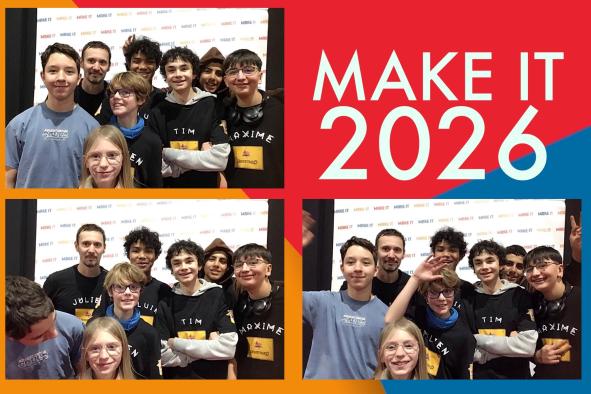
Phoenix - Make it 2026 - étudiants

This article is taken from the "Eureka" section of Omalius magazine, Issue #40 (April 2026).

cover-magazine-omalius-avril-2026

Three MSCA Doctoral Networks projects selected: a remarkable achievement for UNamur

Biodiversity
Chemistry
Physics and astronomy

This is a great recognition of research at UNamur: three Marie Skłodowska-Curie Doctoral Networks (DN) projects have just been awarded, with a key contribution from researchers in Namur! The first, in chemistry, involves Professor Stéphane Vincent; the second, focused on ecosystem resilience, involves Professor Frédérik de Laender; and the third, in the field of photonics, benefits from the expertise of FNRS-qualified researcher Michaël Lobet.

Les chercheurs F. de Laender, M. Lobet, S. Vincent (UNamur) pour leurs projets MSCA DN financés par la Communauté européenne

For the MSCA Doctoral Networks 2025 call, 1,616 proposals were submitted and 141 were selected, representing a success rate of 9.6%. In this highly competitive environment, the selection of three projects involving UNamur sends a strong signal: it confirms the scientific excellence of Namur’s teams and their ability to build high-level international partnerships in support of doctoral training and innovation. Six doctoral dissertations will be eligible for funding.

Three projects, three cutting-edge topics

GlycoAxis – Understanding How the Gut Influences Brain Inflammation

Grant #101311186 from January 1, 2027, to December 31, 2031 – Project led by Stéphane Vincent – UNamur, Namur Research Institute for Life Sciences (NARILIS), in collaboration with 16 partners. 

Coordination: Federico II University (Naples, Italy) 

Stéphane Vincent - Institut NARILIS

In many neurological diseases, both inflammation of the nervous system and imbalances in the gut microbiota are observed. GlycoAxis aims to go beyond simple correlations by identifying the molecular “messengers” that link the gut, the immune system, and the brain. The project focuses on complex sugars found on the surface of certain bacteria (glycans), which are suspected of playing a key role in immune activation and neuroinflammation. The goal: to better understand these mechanisms and pave the way for new diagnostic tools, imaging techniques, or biomarkers for brain health.

ReDiLeep – Strengthening ecosystem resilience through diverse responses

Grant # 101312530 from January 1, 2027, to December 31, 2031 – Project led by Frédérik de Laender – UNamur, Institute of Life, Earth and Environment (ILEE), in collaboration with 20 partners. 

Coordination: Linköping University (Sweden).

Frederik de Laender - ILEE

In the face of climate change, pollution, and habitat fragmentation, some ecosystems weather the shocks… while others collapse. ReDiLeep focuses on a key driver of this resilience: response diversity—that is, the fact that different species (or ecological functions) do not all react in the same way to a disturbance. The project aims to better measure and model this mechanism in order to link research more directly to the needs of conservation, restoration, and public policy regarding biodiversity.

SPARK – programmable materials for controlling light at extremely high speeds

Grant # 101310184 from January 1, 2027, to December 31, 2031 – Project led by Michaël Lobet – UNamur, Namur Institute of Structured Matter (NISM), in collaboration with 7 partners. 

Coordination: Eindhoven University of Technology (Netherlands) 

Michael Lobet - NISM

Our digital communications rely on light: optical fibers, sensors, and photonic circuits capable of processing information. But with the explosion of data, the rise of AI, and the advent of ever-faster networks, it is becoming crucial to control light dynamically—much faster than is possible with current components, which are often “static.” SPARK is exploring a new approach: combining spatiotemporal metamaterials (nanoscale structures designed to shape light) with light that is itself “structured” in space and time. The result: reconfigurable photonic technologies for computing, imaging, and ultra-fast communications.

What are the Marie Skłodowska-Curie Doctoral Networks (MSCA-DN)?

In 1996, the European Union established the MSCA, a set of prestigious grants designed to fund research. The MSCA Doctoral Networks fund international networks that recruit and train doctoral students. Their goal is to combine high-level research with structured training, while promoting interdisciplinary and cross-sectoral collaboration as well as mobility within Europe and beyond.

Logo "Financé par l'Union européenne"

Producing "green" hydrogen from water from the Meuse River? It's now possible!

Chemistry
Materials, energy and environment
SDG#7 - Clean and affordable energy

At UNamur, research is not confined to laboratories. From physics to political science, robotics, biodiversity, law, AI, and health, researchers collaborate daily with numerous stakeholders in society. The goal? Transform ideas into concrete solutions to address current challenges. 

Photo du Dr. Laroussi Chaabane avec les logos de l'Institut NISM et de la Région wallonne

Focus #2 | What if our rivers became a source of clean energy for the future?

An international team of chemistry researchers, led by Dr. Laroussi Chaabane and Prof. Bao-Lian Su, has just demonstrated that it is possible to produce "green" hydrogen using natural water and sunlight. These findings have been published in the prestigious Chemical Engineering Journal.

When sunlight becomes a source of clean energy

Faced with climate change, pollution, and energy shortages, the search for alternatives to fossil fuels has become a global priority in order to achieve carbon neutrality by 2050. Among the solutions being considered, green hydrogen appears to be a particularly promising energy carrier: it has a high energy density and can be produced without greenhouse gas emissions. Today, most of the world's hydrogen (around 87 million tons produced in 2020) is obtained through costly and polluting electrochemical processes, mainly used by the chemical industry or fuel cells. Hence the major interest in more sustainable methods.

Water photocatalysis: the "Holy Grail" of chemistry

Producing hydrogen and oxygen directly from water using light, a process known as photocatalysis of water, is often referred to as the "Holy Grail of chemistry" because it is so complex to master. At the University of Namur, researchers at the Laboratory of Inorganic Materials Chemistry (CMI), part of the Nanomaterials Chemistry Unit (UCNANO) and the Namur Institute of Structured Matter (NISM), have taken a decisive step forward. They have demonstrated that it is possible to use natural water, and no longer just ultrapure water, to produce green hydrogen under the action of sunlight.

Image
Dr. Laroussi Chaabane

The core of the process is based on an innovative photocatalyst, which acts as a kind of "chemical pair of scissors" capable of splitting water molecules into hydrogen and oxygen—an area in which the CMI laboratory has recognized expertise.

Dr. Laroussi Chaabane Researcher in the Department of Chemistry, CMI Laboratory, and member of the NISM Institute

A 3D photocatalyst based on graphene and gold

The new material developed is a three-dimensional (3D) photocatalyst based on titanium oxide, graphene, and gold nanoparticles. This 3D architecture allows for better light absorption and more efficient generation of free electrons, which are essential for triggering the water dissociation reaction. One of the main challenges lies in the use of natural water, which contains minerals, salts, and organic compounds that can disrupt the process. To address this challenge, the researchers tested their device with water from several Belgian rivers: the Meuse, the Sambre, the Scheldt, and the Yser.

Laroussi Chaaban - Profils d’évolution temporelle du H₂ et de l’O₂ stœchiométriques générés dans différentes matrices d’eaux de rivière sous conditions photocatalytiques à l’aide du photocatalyseur 3D-rGO@TiO₂@(SOS@AuNPs). Les graphes correspondent à : (a) la rivière Sambre (pH 7,2), (b) la Meuse (pH 7,0), (c) la Senne (pH 7,2), (d) l’Escaut (pH 7,4), (e) la Lys (pH 7,4) et (f) la Meuse (pH 7,1).

A remarkable result and a first in Belgium!

The performance achieved is almost equivalent to that measured with pure water.  

This is a first in Belgium, opening up concrete prospects for the sustainable use of local natural resources!

The full article, "Synergistic four physical phenomena in a 3D photocatalyst for unprecedented overall water splitting," is available in open access.

International recognition

This scientific breakthrough also earned Dr. Laroussi Chaabane the award for best poster at the 4th International Colloids Conference (San Sebastián, Spain, July 2025), highlighting the impact and originality of this work.

An international research team
  • University of Namur, Faculty of Sciences, UCNANO, Laboratory of Inorganic Materials Chemistry (CMI) and Namur Institute of Structured Matter (NISM), Belgium | Principal Investigator (PI) | Professor Bao Lian SU; Postdoctoral Researcher | Dr. Laroussi Chaabane
  • Institute of Organic Chemistry, Phytochemistry Center, Academy of Sciences, Bulgaria
  • Department of Organic Chemistry (MSc), Loyola Academy, India
  • Free University of Brussels (ULB) and Flanders Make, Department of Applied Physics and Photonics, Brussels Photonics, Belgium
  • University of Quebec in Montreal (UQAM), Department of Chemistry, Montreal, Quebec, Canada
  • National Institute for Scientific Research - Energy Materials Telecommunications Center (INRS-EMT), Varennes, Quebec, Canada
  • Wuhan University of Technology, National Laboratory for Advanced Technologies in Materials Synthesis and Processing, China

What next?

At this stage, the study constitutes proof of concept demonstrating the feasibility of the process. It illustrates the excellence of chemical engineering and nanomaterials research at UNamur, as well as its potential for sustainable energy applications. A new study is underway to evaluate the performance of the process with seawater, a key step towards large-scale green hydrogen production.

State-of-the-art equipment

The analyses carried out were made possible thanks to the equipment available at UNamur's Physico-Chemical Characterization (PC²), Electron Microscopy, and Material Synthesis, Irradiation, and Analysis (SIAM) technology platforms. UNamur's technology platforms house state-of-the-art equipment and are accessible to the scientific community as well as to industries and companies. 

The authors would like to thank the Wallonia Public Service (SPW) for its ongoing commitment to scientific research and innovation in Wallonia, enabling UNamur to develop technological solutions with a significant societal and environmental impact.

From fundamental to applied research, UNamur demonstrates every day that research is a driver of transformation. Thanks to the commitment of its researchers, the support of its partners from all walks of life, funders, industrial partners, and a solid ecosystem of valorization, UNamur actively participates in shaping a society that is open to the world, more innovative, more responsible, and more sustainable.

To go further

This article complements our publication "Research and innovation: major assets for the industrial sector" taken from the Issues section of Omalius magazine #39 (December 2025).

Delamination of sheepskin parchment: an interdisciplinary discovery published in Heritage Science

Sciences
Heritage, culture and society
Physics and astronomy

At UNamur, parchments are much more than objects of curiosity: they are at the heart of an interdisciplinary scientific adventure. Starting with historical sciences and conservation, the research has gradually incorporated the disciplines of physics, biology, chemistry, and archaeology.  This convergence has given rise to research in heritage sciences, driving innovative projects such as Marine Appart's doctoral work, supervised by Professor Olivier Deparis. This research has now been recognized with a publication in the prestigious journal Heritage Science (Nature Publishing Group).

Parchemins

For several years now, heritage sciences have been experiencing a particularly significant boom. This deeply interdisciplinary field of research aims to foster dialogue between the humanities and natural sciences with a view to improving our knowledge of heritage objects, whether they be parchments, works of art, or artifacts discovered during excavations.

Manuscripts bear witness to ancestral practices and know-how, which unfortunately are poorly documented. It is still unclear why legal documents were preferably written on sheepskin parchment in England from the 13th century until 1925. Among the hypotheses put forward is the fact that sheepskin is whiter, and therefore more attractive, but above all that documents written on it were considered unforgeable due to the tendency of sheepskin to delaminate (any malicious attempt to erase the text would thus be revealed). This delamination property was exploited because it allowed the production of high-quality writing surfaces. It was also used to prepare strong repair pieces used to fill any tears that appeared during the parchment manufacturing process. Understanding why sheepskin delaminates is of interest in the context of traditional parchment preparation techniques, offering valuable insights into the interaction between animal biology, craftsmanship, and historical needs.

Delamination, what is it?

Delamination is the phenomenon whereby the inner layers of the skin separate along their interface as a result of mechanical stress. The diagram (a) below shows the structure of the skin, which consists mainly of the epidermis, dermis, and hypodermis. The dermis is divided into two layers, the papillary dermis and the reticular dermis, which contain hair, hair follicles, and sebaceous glands. 

Délamination

During the parchment manufacturing process, a step following liming involves scraping the skin to remove the hair. This step crushes the sebaceous glands, releasing fats and creating a void where the hair was located (diagram b). 

The study showed that delamination occurs within the papillary dermis itself, in this structurally weakened area, rather than at the papillary-reticular junction as previously assumed. 

The unique nature of the delamination process in sheepskin is highlighted by the skin structure, which differs from that of other animals (calves, goats) used to make parchment, as it has a high fat content associated with a large number of primary and secondary hair follicles. In the study, the presence of fats was confirmed using Raman spectroscopy.

The experimental manufacture of parchment - explained in a video!

Le workshop fabrication de parchemins au Domaine d'Haugimont (septembre 2020)

This study combines experimental archaeology and advanced analytical techniques, including scanning electron microscopy (SEM) and micro-Raman spectroscopy, to characterize the delamination process and the adhesion of repair pieces on experimentally produced sheepskin parchment. It benefits from the expertise in archaeometry, biology, chemistry, and physics of the researchers involved.

Beyond its visual and structural implications, delamination has contributed to promoting the use of sheepskin for prestigious documents, improving the surface properties of parchment. The study of the interaction between metal-gallic ink and delaminated sheepskin (wetting experiments) showed that ink diffusion and writing quality are improved, a key finding that provides insight into how surface morphology and composition influence writing performance.

An international and multidisciplinary team

At UNamur, Marine Appart, a PhD student in physics, is conducting this multidisciplinary research on the archaeometry of delamination and repairs on a sheepskin parchment under the supervision of Professor Olivier Deparis (Department of Physics, NISM Institute). 

Also part of the UNamur team are:

  • Professor Francesca Cecchet (expert in Raman spectroscopy), Department of Physics, NARILIS and NISM Institutes
  • Professor Yves Poumay (skin specialist), Department of Medicine, NARILIS Institute
  • Dr. Caroline Canon (histology specialist), Department of Medicine
  • Nicolas Gros (PhD student in heritage sciences), Department of Physics, NARILIS and NISM Institutes

Other international experts

  • Professor Matthew Collins (world expert in biomolecular archaeology, Department of Archaeology, The McDonald Institute, University of Cambridge, Cambridge, UK)
  • Jiří Vnouček (curator and expert in parchment production, Preservation Department, Royal Danish Library, Copenhagen, Denmark)
  • Marc Fourneau (biologist) 

History of the study of parchments at UNamur

This study and the resulting article were inspired by the delamination experiments conducted in 2023 by Jiří Vnouček during a symposium in Klosterneuburg, Austria, in which Prof. Olivier Deparis participated. The symposium was organized by Professor Matthew Collins as part of the ABC and ERC Beast2Craft (B2C) projects.

But it all began in 2014, when the Pergamenum21 project, dedicated to the transdisciplinary study of parchments, was launched.  Pergamenum21 is a project of the Namur Transdisciplinary Research Impulse (NaTRIP) program at the University of Namur. The project received an additional grant in 2016 from the Jean-Jacques Comhaire Fund of the King Baudouin Foundation (FRB).

The projects and events followed one after another, including: 

  • May 2014: a transdisciplinary seminar on parchment, the scientific techniques used to characterize this material, and historical questions at the Mauretus Plantin Library (BUMP)
  • May 2017: "Autopsy of a scriptorium: the Orval parchments put to the test of bioarchaeology," a transdisciplinary research project co-financed by the University of Namur and the Jean-Jacques Comhaire Fund of the King Baudouin Foundation
  • April 2019: a publication in Scientific Reports, Nature group - Jean-Jacques Comhaire Prize: discovery of an innovative technique based on measuring the light scattered by ancient parchments. This technique makes it possible to characterize, in a non-invasive way, the nature of the skins used in the Middle Ages to make parchments
  • September 2020: a residential workshop on making parchment from animal skins at the Domaine d'Haugimont – a first in Belgium
  • July 2022: a new project on parchment bindings for the restoration workshop at the Moretus Plantin University Library (BUMP) thanks to the Jean-Jacques Comhaire Fund of the King Baudouin Foundation.
  • September 2024: a residential symposium-workshop at the Domaine d'Haugimont on the theme of the physicochemistry of parchment and inks using experimental and historical approaches 

Overall, the work of Marine Appart and her colleagues clarifies the structural and material factors that make sheepskin parchment susceptible to delamination and offers new insights into the surface properties of this ancient writing material. UNamur is now establishing itself as a major player in parchment research.

Professor Olivier Deparis, along with several of the researchers involved in this research, are also working on the ARC PHOENIX project.  This project aims to renew our understanding of medieval parchments and ancient coins. Artificial intelligence is used to analyze the data generated by the characterization of materials. This joint study will address issues related to the production chain and the use of these objects and materials in past societies. 

PHOENIX: Revitalizing Heritage Sciences at UNamur

Heritage, culture and society
Physics and astronomy
History

With the PHOENIX project, UNamur is revisiting a long-standing area of expertise: heritage sciences. Using cutting-edge techniques and artificial intelligence, a transdisciplinary team of experts in history, archaeology, and physics has set out to renew our understanding of heritage objects in order to uncover their origins, methods of production, and uses. Under their scrutiny: ancient coins and medieval parchments. 

Parchemin entrée au monastère

Heritage sciences are experiencing a resurgence at UNamur. This field of research—which involves applying techniques and expertise from the exact sciences (physics, chemistry, biology) to study ancient heritage objects—is reinventing itself thanks to the PHOENIX project, led by seven researchers from the Faculties of Science (Department of Physics) and Philosophy and Letters (Departments of History and Classical Languages and Literatures). 

“PHOENIX emerged from the collaboration of several researchers from different backgrounds, yet all driven by the same desire to study the materiality of heritage objects. One notable figure is Julien Colaux, whose predecessor had led the first heritage science projects at UNamur’s Laboratory of Analysis by Nuclear Reactions (LARN). It’s a sort of return to our roots, recalls Nicolas Ruffini-Ronzani, a researcher in the Department of History, president of the PaTHs Institute, and one of the project’s leaders. 

A threefold objective 

With PHOENIX, researchers aim to “make” two types of objects speak: ancient coins and medieval parchments (see box). More specifically, their research is guided by three objectives:

  • To understand the composition of the artifacts being studied. For the parchments, to identify the animal species (sheep, goat, or calf); and for the coins, to characterize the metal alloy.
  • Gain a better understanding of the production and processing workflow. For example, determine which parts of the animal were used in the production of a parchment.
  • To propose the most precise dating possible. 

It is in this last objective that the main challenge lies. “We won’t be able to date these objects to within a year, warns Olivier Deparis, a professor in the Department of Physics and a member of the NISM research institute. “The idea is to provide a time frame that is as precise, if not more so, than that already provided by paleography (the study of ancient scripts) or textual analysis. If we can narrow it down to a quarter-century, that will already be a significant step forward.”

Fostering dialogue between the humanities and the natural sciences 

To achieve this, the PHOENIX team uses various non-invasive techniques, in particular infrared and Raman spectroscopy, time-of-flight secondary ion mass spectrometry (ToF-SIMS), and ion beam analysis (IBA). These approaches—which utilize UNamur’s state-of-the-art tools such as the ALTAÏS particle accelerator (see Omalius #36)—provide detailed information on the physicochemical composition of materials, such as the animal origin and ink formulations for parchments or the type of metal alloy for coins. “The use of the exact sciences will enrich our studies and thus allow us to better understand how these objects were produced in the past, explains Nicolas Ruffini-Ronzani. “Contrary to what one might think, collaboration between the humanities and the exact sciences has a long history, dating back to the 19th century, and even much earlier in the case of coins.”

A breath of fresh air thanks to artificial intelligence

These tools will make it possible to examine parchments and coins down to the finest detail, at the pixel level. These in-depth analyses therefore generate a colossal volume of raw data to process. This is where artificial intelligence comes into play to speed up the processing and reveal the information “hidden” in the data, identifying major trends invisible to the naked eye. 

Above all, it will provide a boost in meeting the challenge of dating the objects under study. Dated documents, such as charters, will thus be used as references to test the model’s robustness by comparing the results obtained with already known dates. “If the results are convincing, the technique could be applied to undated documents, says Nicolas Ruffini-Ronzani. This would represent a significant breakthrough in historical research.

“The use of machine learning methods is not a panacea, Olivier Deparis qualifies, however. “We wanted to explore it as an open-ended question to assess its benefits.”

PHOENIX could thus herald a new era for heritage sciences, where artificial intelligence—much like the phoenix after which the project is named—opens up new ways to analyze and understand materials from the past.

Greek coins and banknotes

The PHOENIX corpus covers two types of heritage objects: 

  • A collection of 168 silver coins associated with the city of Argos (Greece), from the private collection of Tony Hackens (1937–1999), former professor of Archaeology at UCLouvain.
  • Several hundred medieval and modern charters from the archives of the Cistercian Abbey of Notre-Dame du Vivier (Marche-les-Dames, Namur), currently held at the State Archives in Namur.
Projet Phoenix

Meet the team 

  • Francesca Cecchet (Department of Physics – NISM and NARILIS Institutes)
  • Lucas Baseil (Department of Physics – NISM Institute)
  • Julien Colaux (Department of Physics – NISM and PaTHs Institutes)
  • Olivier Deparis (Department of Physics – NISM, naXys, and PaTHs Institutes)
  • Christophe Flament (Department of Classical Languages and Literatures – PaTHs Institute)
  • Louise Fauchier (Department of Classical Languages and Literature – PaTHs Institute)
  • Laurent Houssiau (Department of Physics – NISM Institute)
  • Alexandre Mayer (Department of Physics – NISM and naXys Institutes)
  • Giulia Morabito (Department of Physics – NISM and PaTHs Institutes)
  • Nicolas Ruffini-Ronzani (Department of History – PaTHs Institute)
  • Nicolas Gros (Department of Physics – NISM and PaTHs Institutes)
  • Manon Bart (Department of Physics – NISM and naXys Institutes)
Photo d'équipe PHOENIX

The PHOENIX project is funded by the Concerted Research Action (ARC) program from September 2024 to August 2029. It is a continuation of the interdisciplinary Pergamenum21 project, launched in 2014 by the Moretus Plantin University Library (BUMP) under the leadership of Professor Olivier Deparis and dedicated to the scientific study of parchment with a view to improving conservation practices.

The PHOENIX Project at the First Lego League Challenge               

Young people from Rochefort showcased the PHOENIX project at the international First Lego League competition, a robotics contest open to students aged 10 to 16. To align with the annual theme focused on new technologies in the field of archaeology, this team from the Rochefort Youth and Culture Center drew inspiration from IBA technology to develop a research game designed to identify the origin of Ancient Greek coins modeled using a 3D printer. Their project caught the jury’s eye and earned them a spot in the national finals, which took place last March. Beyond the competition, this original game will be presented during Family Day at the Malagne Archaeological Park (Rochefort). 

Phoenix - Make it 2026 - étudiants

This article is taken from the "Eureka" section of Omalius magazine, Issue #40 (April 2026).
cover-magazine-omalius-avril-2026

Three MSCA Doctoral Networks projects selected: a remarkable achievement for UNamur

Biodiversity
Chemistry
Physics and astronomy

This is a great recognition of research at UNamur: three Marie Skłodowska-Curie Doctoral Networks (DN) projects have just been awarded, with a key contribution from researchers in Namur! The first, in chemistry, involves Professor Stéphane Vincent; the second, focused on ecosystem resilience, involves Professor Frédérik de Laender; and the third, in the field of photonics, benefits from the expertise of FNRS-qualified researcher Michaël Lobet.
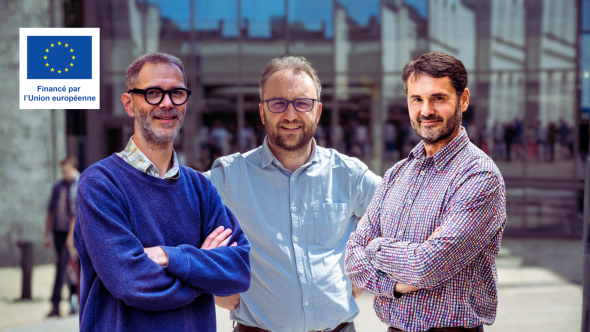
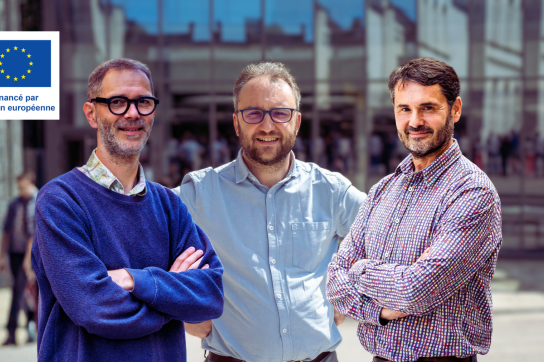
Les chercheurs F. de Laender, M. Lobet, S. Vincent (UNamur) pour leurs projets MSCA DN financés par la Communauté européenne

For the MSCA Doctoral Networks 2025 call, 1,616 proposals were submitted and 141 were selected, representing a success rate of 9.6%. In this highly competitive environment, the selection of three projects involving UNamur sends a strong signal: it confirms the scientific excellence of Namur’s teams and their ability to build high-level international partnerships in support of doctoral training and innovation. Six doctoral dissertations will be eligible for funding.

Three projects, three cutting-edge topics

GlycoAxis – Understanding How the Gut Influences Brain Inflammation

Grant #101311186 from January 1, 2027, to December 31, 2031 – Project led by Stéphane Vincent – UNamur, Namur Research Institute for Life Sciences (NARILIS), in collaboration with 16 partners. 

Coordination: Federico II University (Naples, Italy) 

Stéphane Vincent - Institut NARILIS

In many neurological diseases, both inflammation of the nervous system and imbalances in the gut microbiota are observed. GlycoAxis aims to go beyond simple correlations by identifying the molecular “messengers” that link the gut, the immune system, and the brain. The project focuses on complex sugars found on the surface of certain bacteria (glycans), which are suspected of playing a key role in immune activation and neuroinflammation. The goal: to better understand these mechanisms and pave the way for new diagnostic tools, imaging techniques, or biomarkers for brain health.

ReDiLeep – Strengthening ecosystem resilience through diverse responses

Grant # 101312530 from January 1, 2027, to December 31, 2031 – Project led by Frédérik de Laender – UNamur, Institute of Life, Earth and Environment (ILEE), in collaboration with 20 partners. 

Coordination: Linköping University (Sweden).

Frederik de Laender - ILEE

In the face of climate change, pollution, and habitat fragmentation, some ecosystems weather the shocks… while others collapse. ReDiLeep focuses on a key driver of this resilience: response diversity—that is, the fact that different species (or ecological functions) do not all react in the same way to a disturbance. The project aims to better measure and model this mechanism in order to link research more directly to the needs of conservation, restoration, and public policy regarding biodiversity.

SPARK – programmable materials for controlling light at extremely high speeds

Grant # 101310184 from January 1, 2027, to December 31, 2031 – Project led by Michaël Lobet – UNamur, Namur Institute of Structured Matter (NISM), in collaboration with 7 partners. 

Coordination: Eindhoven University of Technology (Netherlands) 

Michael Lobet - NISM

Our digital communications rely on light: optical fibers, sensors, and photonic circuits capable of processing information. But with the explosion of data, the rise of AI, and the advent of ever-faster networks, it is becoming crucial to control light dynamically—much faster than is possible with current components, which are often “static.” SPARK is exploring a new approach: combining spatiotemporal metamaterials (nanoscale structures designed to shape light) with light that is itself “structured” in space and time. The result: reconfigurable photonic technologies for computing, imaging, and ultra-fast communications.

What are the Marie Skłodowska-Curie Doctoral Networks (MSCA-DN)?

In 1996, the European Union established the MSCA, a set of prestigious grants designed to fund research. The MSCA Doctoral Networks fund international networks that recruit and train doctoral students. Their goal is to combine high-level research with structured training, while promoting interdisciplinary and cross-sectoral collaboration as well as mobility within Europe and beyond.

Logo "Financé par l'Union européenne"

Producing "green" hydrogen from water from the Meuse River? It's now possible!

Chemistry
Materials, energy and environment
SDG#7 - Clean and affordable energy

At UNamur, research is not confined to laboratories. From physics to political science, robotics, biodiversity, law, AI, and health, researchers collaborate daily with numerous stakeholders in society. The goal? Transform ideas into concrete solutions to address current challenges. 

Photo du Dr. Laroussi Chaabane avec les logos de l'Institut NISM et de la Région wallonne

Focus #2 | What if our rivers became a source of clean energy for the future?

An international team of chemistry researchers, led by Dr. Laroussi Chaabane and Prof. Bao-Lian Su, has just demonstrated that it is possible to produce "green" hydrogen using natural water and sunlight. These findings have been published in the prestigious Chemical Engineering Journal.

When sunlight becomes a source of clean energy

Faced with climate change, pollution, and energy shortages, the search for alternatives to fossil fuels has become a global priority in order to achieve carbon neutrality by 2050. Among the solutions being considered, green hydrogen appears to be a particularly promising energy carrier: it has a high energy density and can be produced without greenhouse gas emissions. Today, most of the world's hydrogen (around 87 million tons produced in 2020) is obtained through costly and polluting electrochemical processes, mainly used by the chemical industry or fuel cells. Hence the major interest in more sustainable methods.

Water photocatalysis: the "Holy Grail" of chemistry

Producing hydrogen and oxygen directly from water using light, a process known as photocatalysis of water, is often referred to as the "Holy Grail of chemistry" because it is so complex to master. At the University of Namur, researchers at the Laboratory of Inorganic Materials Chemistry (CMI), part of the Nanomaterials Chemistry Unit (UCNANO) and the Namur Institute of Structured Matter (NISM), have taken a decisive step forward. They have demonstrated that it is possible to use natural water, and no longer just ultrapure water, to produce green hydrogen under the action of sunlight.

Image
Dr. Laroussi Chaabane

The core of the process is based on an innovative photocatalyst, which acts as a kind of "chemical pair of scissors" capable of splitting water molecules into hydrogen and oxygen—an area in which the CMI laboratory has recognized expertise.

Dr. Laroussi Chaabane Researcher in the Department of Chemistry, CMI Laboratory, and member of the NISM Institute

A 3D photocatalyst based on graphene and gold

The new material developed is a three-dimensional (3D) photocatalyst based on titanium oxide, graphene, and gold nanoparticles. This 3D architecture allows for better light absorption and more efficient generation of free electrons, which are essential for triggering the water dissociation reaction. One of the main challenges lies in the use of natural water, which contains minerals, salts, and organic compounds that can disrupt the process. To address this challenge, the researchers tested their device with water from several Belgian rivers: the Meuse, the Sambre, the Scheldt, and the Yser.

Laroussi Chaaban - Profils d’évolution temporelle du H₂ et de l’O₂ stœchiométriques générés dans différentes matrices d’eaux de rivière sous conditions photocatalytiques à l’aide du photocatalyseur 3D-rGO@TiO₂@(SOS@AuNPs). Les graphes correspondent à : (a) la rivière Sambre (pH 7,2), (b) la Meuse (pH 7,0), (c) la Senne (pH 7,2), (d) l’Escaut (pH 7,4), (e) la Lys (pH 7,4) et (f) la Meuse (pH 7,1).

A remarkable result and a first in Belgium!

The performance achieved is almost equivalent to that measured with pure water.  

This is a first in Belgium, opening up concrete prospects for the sustainable use of local natural resources!

The full article, "Synergistic four physical phenomena in a 3D photocatalyst for unprecedented overall water splitting," is available in open access.

International recognition

This scientific breakthrough also earned Dr. Laroussi Chaabane the award for best poster at the 4th International Colloids Conference (San Sebastián, Spain, July 2025), highlighting the impact and originality of this work.

An international research team
  • University of Namur, Faculty of Sciences, UCNANO, Laboratory of Inorganic Materials Chemistry (CMI) and Namur Institute of Structured Matter (NISM), Belgium | Principal Investigator (PI) | Professor Bao Lian SU; Postdoctoral Researcher | Dr. Laroussi Chaabane
  • Institute of Organic Chemistry, Phytochemistry Center, Academy of Sciences, Bulgaria
  • Department of Organic Chemistry (MSc), Loyola Academy, India
  • Free University of Brussels (ULB) and Flanders Make, Department of Applied Physics and Photonics, Brussels Photonics, Belgium
  • University of Quebec in Montreal (UQAM), Department of Chemistry, Montreal, Quebec, Canada
  • National Institute for Scientific Research - Energy Materials Telecommunications Center (INRS-EMT), Varennes, Quebec, Canada
  • Wuhan University of Technology, National Laboratory for Advanced Technologies in Materials Synthesis and Processing, China

What next?

At this stage, the study constitutes proof of concept demonstrating the feasibility of the process. It illustrates the excellence of chemical engineering and nanomaterials research at UNamur, as well as its potential for sustainable energy applications. A new study is underway to evaluate the performance of the process with seawater, a key step towards large-scale green hydrogen production.

State-of-the-art equipment

The analyses carried out were made possible thanks to the equipment available at UNamur's Physico-Chemical Characterization (PC²), Electron Microscopy, and Material Synthesis, Irradiation, and Analysis (SIAM) technology platforms. UNamur's technology platforms house state-of-the-art equipment and are accessible to the scientific community as well as to industries and companies. 

The authors would like to thank the Wallonia Public Service (SPW) for its ongoing commitment to scientific research and innovation in Wallonia, enabling UNamur to develop technological solutions with a significant societal and environmental impact.

From fundamental to applied research, UNamur demonstrates every day that research is a driver of transformation. Thanks to the commitment of its researchers, the support of its partners from all walks of life, funders, industrial partners, and a solid ecosystem of valorization, UNamur actively participates in shaping a society that is open to the world, more innovative, more responsible, and more sustainable.

To go further

This article complements our publication "Research and innovation: major assets for the industrial sector" taken from the Issues section of Omalius magazine #39 (December 2025).

Delamination of sheepskin parchment: an interdisciplinary discovery published in Heritage Science

Sciences
Heritage, culture and society
Physics and astronomy

At UNamur, parchments are much more than objects of curiosity: they are at the heart of an interdisciplinary scientific adventure. Starting with historical sciences and conservation, the research has gradually incorporated the disciplines of physics, biology, chemistry, and archaeology.  This convergence has given rise to research in heritage sciences, driving innovative projects such as Marine Appart's doctoral work, supervised by Professor Olivier Deparis. This research has now been recognized with a publication in the prestigious journal Heritage Science (Nature Publishing Group).

Parchemins

For several years now, heritage sciences have been experiencing a particularly significant boom. This deeply interdisciplinary field of research aims to foster dialogue between the humanities and natural sciences with a view to improving our knowledge of heritage objects, whether they be parchments, works of art, or artifacts discovered during excavations.

Manuscripts bear witness to ancestral practices and know-how, which unfortunately are poorly documented. It is still unclear why legal documents were preferably written on sheepskin parchment in England from the 13th century until 1925. Among the hypotheses put forward is the fact that sheepskin is whiter, and therefore more attractive, but above all that documents written on it were considered unforgeable due to the tendency of sheepskin to delaminate (any malicious attempt to erase the text would thus be revealed). This delamination property was exploited because it allowed the production of high-quality writing surfaces. It was also used to prepare strong repair pieces used to fill any tears that appeared during the parchment manufacturing process. Understanding why sheepskin delaminates is of interest in the context of traditional parchment preparation techniques, offering valuable insights into the interaction between animal biology, craftsmanship, and historical needs.

Delamination, what is it?

Delamination is the phenomenon whereby the inner layers of the skin separate along their interface as a result of mechanical stress. The diagram (a) below shows the structure of the skin, which consists mainly of the epidermis, dermis, and hypodermis. The dermis is divided into two layers, the papillary dermis and the reticular dermis, which contain hair, hair follicles, and sebaceous glands. 

Délamination

During the parchment manufacturing process, a step following liming involves scraping the skin to remove the hair. This step crushes the sebaceous glands, releasing fats and creating a void where the hair was located (diagram b). 

The study showed that delamination occurs within the papillary dermis itself, in this structurally weakened area, rather than at the papillary-reticular junction as previously assumed. 

The unique nature of the delamination process in sheepskin is highlighted by the skin structure, which differs from that of other animals (calves, goats) used to make parchment, as it has a high fat content associated with a large number of primary and secondary hair follicles. In the study, the presence of fats was confirmed using Raman spectroscopy.

The experimental manufacture of parchment - explained in a video!

Le workshop fabrication de parchemins au Domaine d'Haugimont (septembre 2020)

This study combines experimental archaeology and advanced analytical techniques, including scanning electron microscopy (SEM) and micro-Raman spectroscopy, to characterize the delamination process and the adhesion of repair pieces on experimentally produced sheepskin parchment. It benefits from the expertise in archaeometry, biology, chemistry, and physics of the researchers involved.

Beyond its visual and structural implications, delamination has contributed to promoting the use of sheepskin for prestigious documents, improving the surface properties of parchment. The study of the interaction between metal-gallic ink and delaminated sheepskin (wetting experiments) showed that ink diffusion and writing quality are improved, a key finding that provides insight into how surface morphology and composition influence writing performance.

An international and multidisciplinary team

At UNamur, Marine Appart, a PhD student in physics, is conducting this multidisciplinary research on the archaeometry of delamination and repairs on a sheepskin parchment under the supervision of Professor Olivier Deparis (Department of Physics, NISM Institute). 

Also part of the UNamur team are:

  • Professor Francesca Cecchet (expert in Raman spectroscopy), Department of Physics, NARILIS and NISM Institutes
  • Professor Yves Poumay (skin specialist), Department of Medicine, NARILIS Institute
  • Dr. Caroline Canon (histology specialist), Department of Medicine
  • Nicolas Gros (PhD student in heritage sciences), Department of Physics, NARILIS and NISM Institutes

Other international experts

  • Professor Matthew Collins (world expert in biomolecular archaeology, Department of Archaeology, The McDonald Institute, University of Cambridge, Cambridge, UK)
  • Jiří Vnouček (curator and expert in parchment production, Preservation Department, Royal Danish Library, Copenhagen, Denmark)
  • Marc Fourneau (biologist) 

History of the study of parchments at UNamur

This study and the resulting article were inspired by the delamination experiments conducted in 2023 by Jiří Vnouček during a symposium in Klosterneuburg, Austria, in which Prof. Olivier Deparis participated. The symposium was organized by Professor Matthew Collins as part of the ABC and ERC Beast2Craft (B2C) projects.

But it all began in 2014, when the Pergamenum21 project, dedicated to the transdisciplinary study of parchments, was launched.  Pergamenum21 is a project of the Namur Transdisciplinary Research Impulse (NaTRIP) program at the University of Namur. The project received an additional grant in 2016 from the Jean-Jacques Comhaire Fund of the King Baudouin Foundation (FRB).

The projects and events followed one after another, including: 

  • May 2014: a transdisciplinary seminar on parchment, the scientific techniques used to characterize this material, and historical questions at the Mauretus Plantin Library (BUMP)
  • May 2017: "Autopsy of a scriptorium: the Orval parchments put to the test of bioarchaeology," a transdisciplinary research project co-financed by the University of Namur and the Jean-Jacques Comhaire Fund of the King Baudouin Foundation
  • April 2019: a publication in Scientific Reports, Nature group - Jean-Jacques Comhaire Prize: discovery of an innovative technique based on measuring the light scattered by ancient parchments. This technique makes it possible to characterize, in a non-invasive way, the nature of the skins used in the Middle Ages to make parchments
  • September 2020: a residential workshop on making parchment from animal skins at the Domaine d'Haugimont – a first in Belgium
  • July 2022: a new project on parchment bindings for the restoration workshop at the Moretus Plantin University Library (BUMP) thanks to the Jean-Jacques Comhaire Fund of the King Baudouin Foundation.
  • September 2024: a residential symposium-workshop at the Domaine d'Haugimont on the theme of the physicochemistry of parchment and inks using experimental and historical approaches 

Overall, the work of Marine Appart and her colleagues clarifies the structural and material factors that make sheepskin parchment susceptible to delamination and offers new insights into the surface properties of this ancient writing material. UNamur is now establishing itself as a major player in parchment research.

Professor Olivier Deparis, along with several of the researchers involved in this research, are also working on the ARC PHOENIX project.  This project aims to renew our understanding of medieval parchments and ancient coins. Artificial intelligence is used to analyze the data generated by the characterization of materials. This joint study will address issues related to the production chain and the use of these objects and materials in past societies. 

All news

Agenda

  • 08
    2026
  • 11
    2026

IBAF Conference 2026

Congress / Colloquium / Conference

IBAF Conference 2026

Sustainable
Physics
Materials, energy, and environment
Heritage, culture, and societies
8
2026 13:00 - 11
2026 15:00
Université de Namur - rue de Bruxelles, 61 - 5000 Namur
Contact person :  Colaux Julien

Sixteen years after hosting the 2010 edition, UNamur is delighted to revive this scientific tradition and welcome the 11th edition of the Rencontres Ion Beam Applications Francophones (IBAF). This edition will be organized by scientists from the UNamur Physics Department who are active in the fields of materials science, biophysics, and interdisciplinary applications of ion beams.

Logo de la conférence IBAF 2026 (UNamur, 8-11 septembre 2026)

The IBAF Meetings have been organized since 2003, every two years since 2008, by the Ion Beams Division of the French Vacuum Society (SFV), the oldest national vacuum society in the world, which celebrated its 80th anniversary in 2025.

As in previous editions, IBAF 2026 will offer a rich and varied program with guest lectures, oral and poster presentations, and technical sessions. All this will be complemented by an industrial presence to promote exchanges between research and innovation. 

The conference will cover a wide range of topics, from ion beam instruments and techniques to the physics of ion-matter interactions, including the analysis and modification of materials, applications in the life sciences, earth and environmental sciences, and heritage sciences.

All events