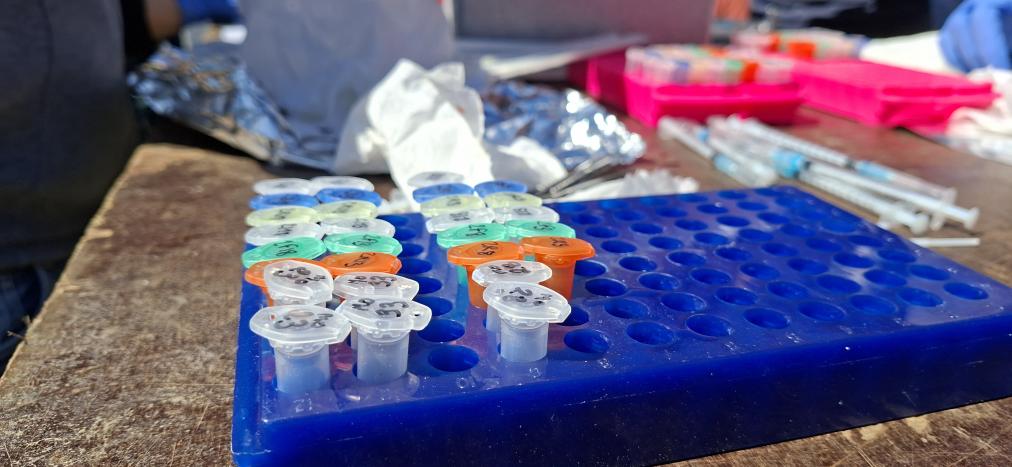
Welcome to ILEE, the Institute of Life, Earth and Environment at the University of Namur, committed to addressing pressing environmental issues.

We bring together a team of experts from diverse backgrounds and disciplines to work collaboratively using innovative technologies and rigorous scientific methods to make meaningful contributions to the field of environmental science.
 

The ILEE Institute is a member of Alternet, the European ecosystem research network.

Our institute is dedicated to advancing fundamental and applied research for a better understanding of the underlying processes that regulate life on earth, to characterizing anthropogenic pressures on the environment and vice versa, and to finding sustainable alternatives for managing natural resources, reducing pollution, and conserving and restoring biodiversity.

Logo institut de recherche ilee

Read more

SVG

Research fields

See content
SVG

Search results

See content
SVG

Members

See content
SVG

Contact

See content

Spotlight

News

Catherine Linard has been awarded the Francqui-Collen Research Professorship for her research on the spread of infectious diseases

Award
Geography
Sciences

Catherine Linard, a researcher in the Department of Geography at UNamur, was recognized for her work at the intersection of geography and epidemiology. This Francqui-Collen fellowship will allow her, starting in September and for the next three years, to be relieved of most of her teaching duties so she can devote more time to her research on the influence of environmental changes on the spread of infectious diseases. 
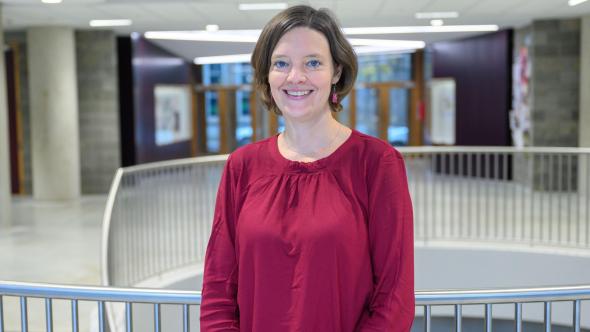
Catherine Linard

Why do certain infectious diseases pose a greater risk in some regions than in others? What role do urbanization, climate change, and population movements play in their spread? These are the kinds of questions that interest Catherine Linard, a researcher in the Department of Geography at UNamur

A geographer by training, she works in the field of health geography, which studies the relationship between health and place. “I study health, but through the eyes of a geographer. I’m primarily interested in the landscape, and I try to understand the natural and social processes that shape health in a given place.”

Understanding Diseases Across the Region

Her research focuses specifically on vector-borne diseases—that is, diseases transmitted by organisms such as mosquitoes. These include, in particular, malaria and dengue fever. To better understand their geographic distribution, the researcher analyzes various factors that may influence their transmission. The environment obviously plays a role, since it determines, in particular, where mosquitoes can breed, but it is not enough on its own to explain the spread of a disease. 

 “I take a fairly systemic approach. We’ll look at the environment, but also at human behavior, mobility, and so on.” Part of her research thus focuses on the impact of rapid changes in our environments—such as the rapid urbanization of the African continent—on mosquito-borne diseases. 

 This work has now received significant recognition. Starting in September, Catherine Linard will hold a three-year grant from the Francqui Foundation. Her proposal was first selected by the UNamur Research Council before being approved by the Foundation. 

Three years to take a step back 

This appointment will allow the researcher to be relieved of most of her teaching duties so she can devote more time to her research. This is a particularly valuable opportunity given that her daily academic life is divided between teaching, supervising researchers and doctoral students, conducting research, and handling administrative tasks. 

However, there are no plans yet to establish a specific schedule for the next three years. Catherine Linard first wants to take advantage of this newfound availability to devote more time to her ongoing projects and to mentor several doctoral students who are nearing the completion of their dissertations.

Image
Catherine Linard

“In recent years, I’ve felt that my work had become quite fragmented. I no longer necessarily had the time to explore certain aspects on my own that I would have liked to delve into more deeply. This appointment will give me valuable time to devote myself fully to research activities that are close to my heart.”

Catherine Linard Researcher in the Department of Geography at UNamur

The appointment should also enable her to strengthen her international collaborations. In particular, the researcher works with Cheick Anta Diop University in Dakar, Senegal, and plans to use these three years to deepen these exchanges and organize new fieldwork trips. In the longer term, she hopes above all to find time to explore new avenues and determine the future direction of her research. “Research is advancing at a breakneck pace. To stay abreast of everything happening in our field, we need to keep reading and following the work of other teams.” 

Collective Recognition 

Catherine Linard also sees the Francqui Prize as recognition of the work she has carried out with her team and her many collaborators. She also sees it as recognition for the field of health geography, a discipline long overlooked by the general public, but whose importance was particularly highlighted during the COVID-19 pandemic, when understanding the geographic spread of an epidemic became a particularly critical issue. “I believe it is also recognition of the relevance of this research to society, of its ability to shed light on major and highly topical societal issues, as well as of the value of a resolutely interdisciplinary project.” 

Catherine Linard – Short Biography

After defending her dissertation titled "Spatial and Integrated Modeling of Complex Disease Systems" in the Department of Geography at UCL in January 2009, she spent four months at the Department of Zoology at the University of Oxford (TALA Research Group) as a visiting researcher. She then began a two-year postdoc (2009–2011) at the University of Oxford on the WorldPop project, funded by the Wiener-Anspach Foundation, followed by six years (2011–2017) of postdoctoral research at the Spatial Epidemiology Laboratory (SpELL) at ULB (with funding from FNRS and BELSPO). She has been a professor in the Department of Geography at UNamur since 2015.

Catherine Linard

Interreg ORION Project | Protecting aquatic environments and raising awareness of the dangers of pollution

Biodiversity
Sustainable
SDG#6 - Clean water and sanitation

The Meuse and its tributaries, such as the Semois and the Sambre, are natural treasures that flow through France and Belgium. These rivers are home to a rich biodiversity, offer recreational opportunities, and, after treatment, provide clean drinking water. The shared use of these water resources requires consistent, coordinated, and sustainable management. This is the goal of the Interreg ORION project.
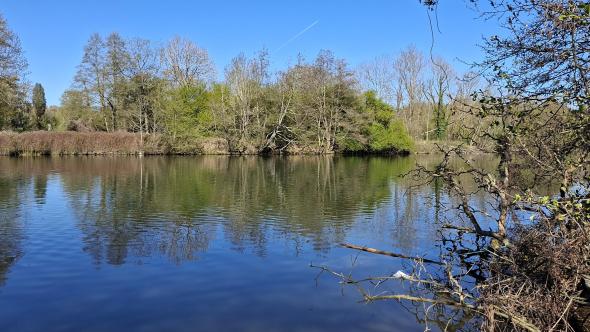
ORION - La Meuse

This article is excerpted from Omalius magazine #40 (March 2026)

Launched in November 2024, the Interreg France-Wallonia-Flanders cross-border project ORION aims to develop assessment tools based on predictive modeling to better understand and manage water quality in the context of global climate change. Through a comprehensive approach, it will enable the assessment, monitoring, and even prediction of the water quality of the Meuse River and the health of its ecosystems.

Improving the water quality of the Meuse River

Method

  1. Identification of pollutants
  2. Study of pressure dynamics
  3. Assessment of environmental impacts in the context of global warming

This will enable active biomonitoring, the simulation of future scenarios, the creation of innovative tools, and the sustainable management of shared resources.

Facilitation visuelle reprenant les objectifs du projet Interreg ORION

The ORION consortium, led by the University of Reims Champagne-Ardennes (URCA), brings together six operators and nine partners, including universities, research laboratories, and water management agencies in France, Wallonia, and Flanders. They work within the framework of a multidisciplinary collaboration involving biology, microbiology, parasitology, ecology, ecotoxicology, chemistry, and modeling.

At UNamur, one of the consortium’s six partners, the expertise being leveraged is that of Professor Eli Thoré, a member of the Research Unit in Environmental and Evolutionary Biology (URBE) within the Department of Biology and a researcher at the Institute of Life, Earth, and the Environment (ILEE). Eli Thoré and his colleagues contribute in particular to the assessment of ecotoxicological risks and environmental diagnostics under real-world conditions, including in degraded environments.

Phase 3 of the project: selection of caging sites

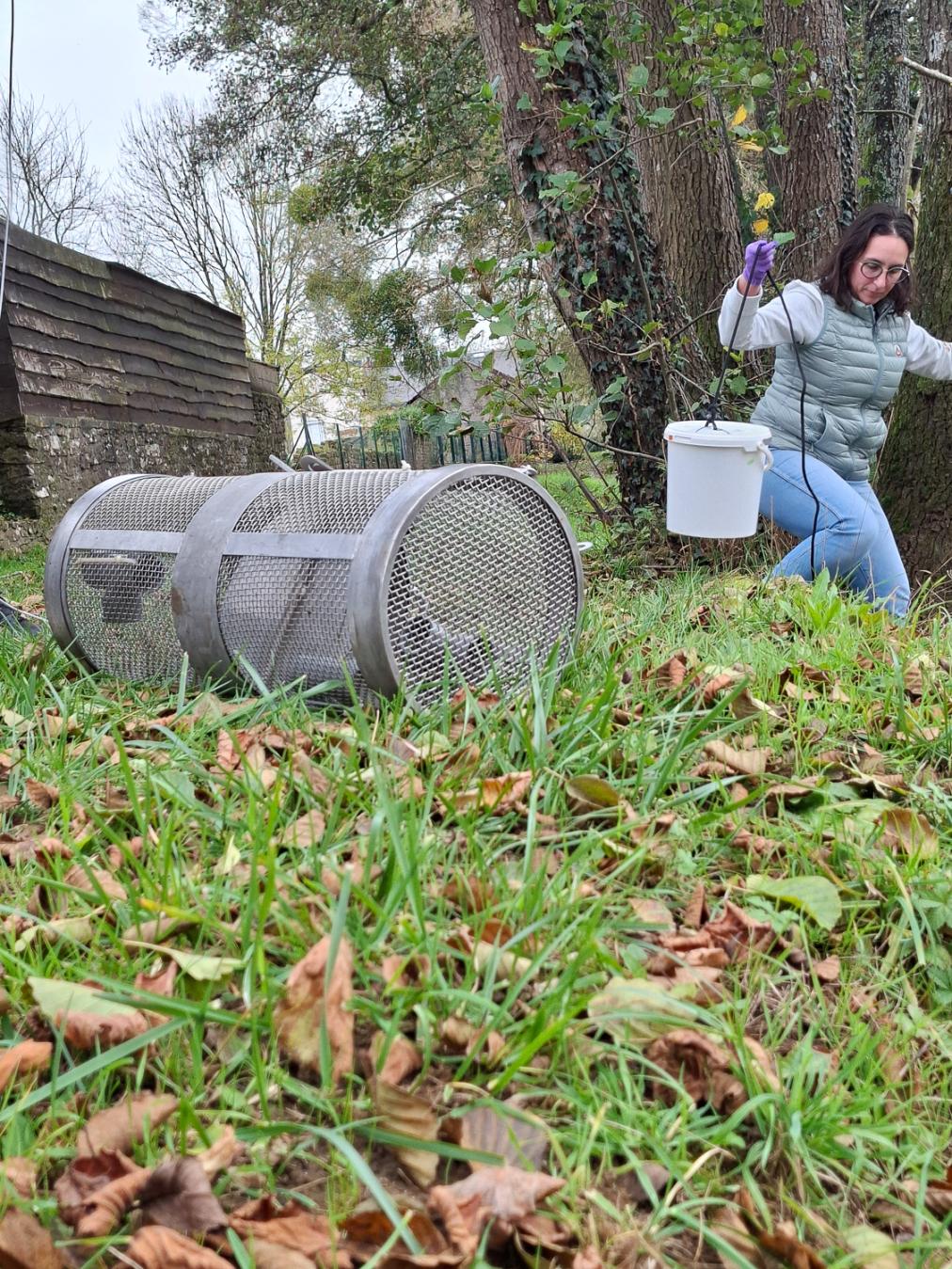
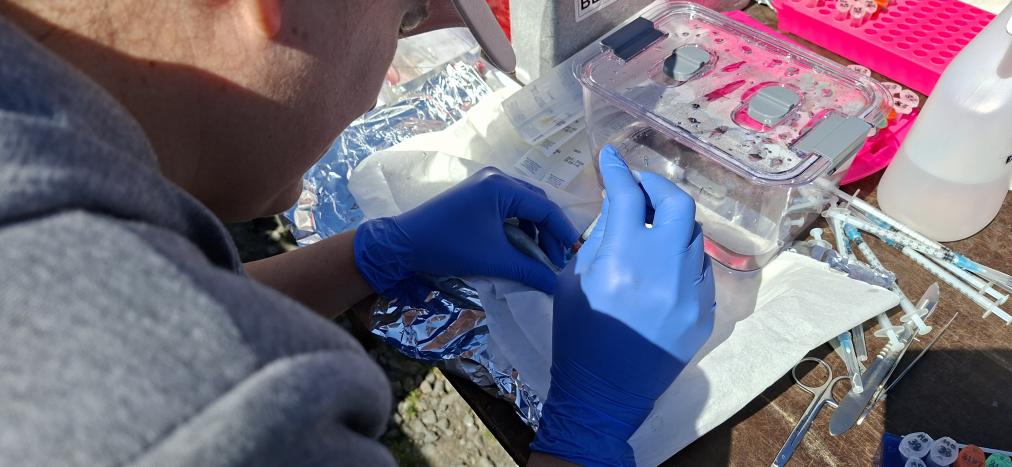
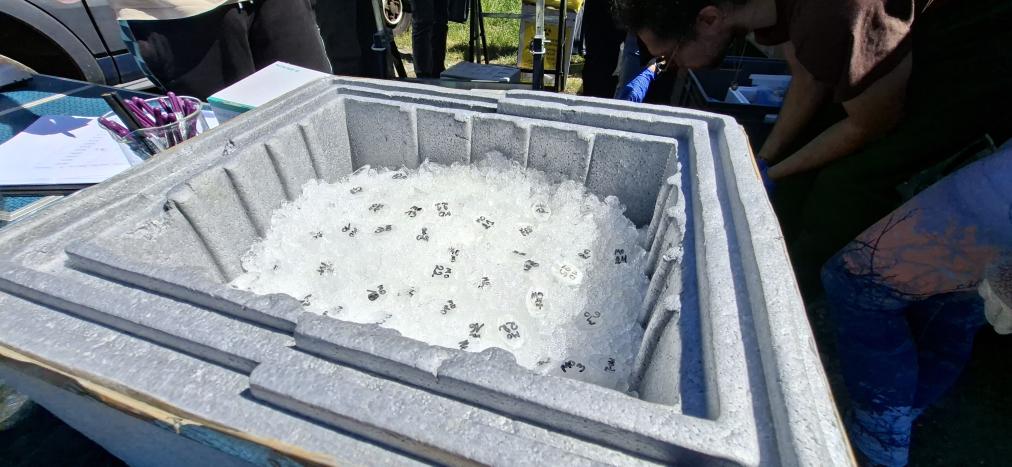
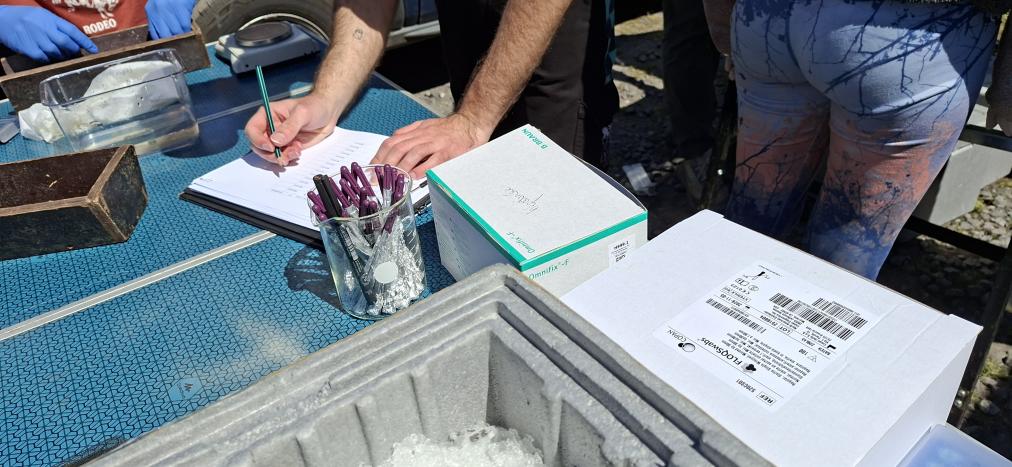
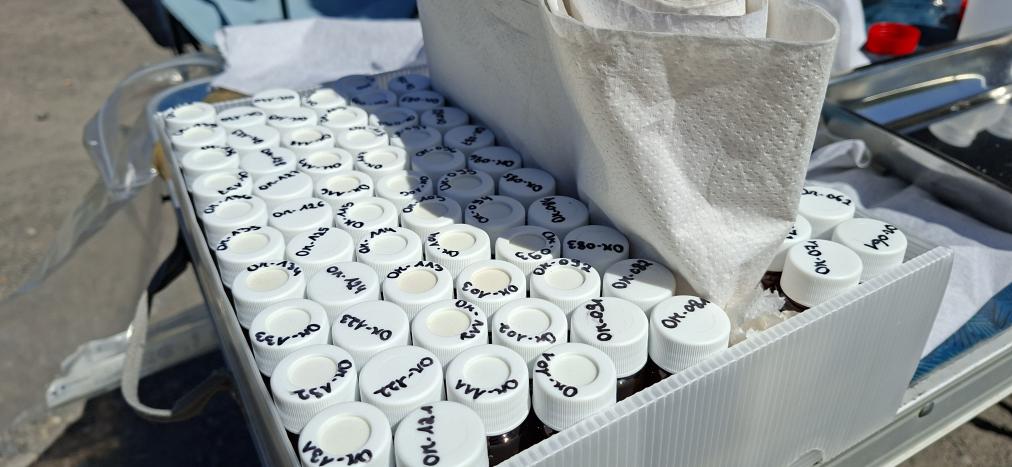
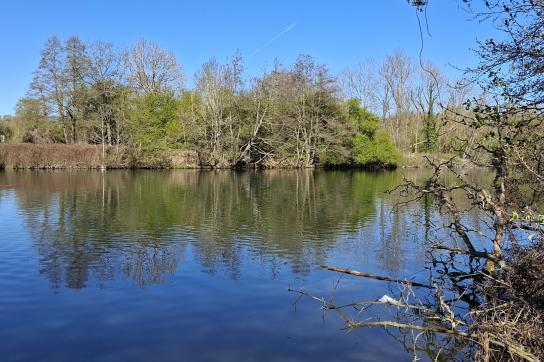
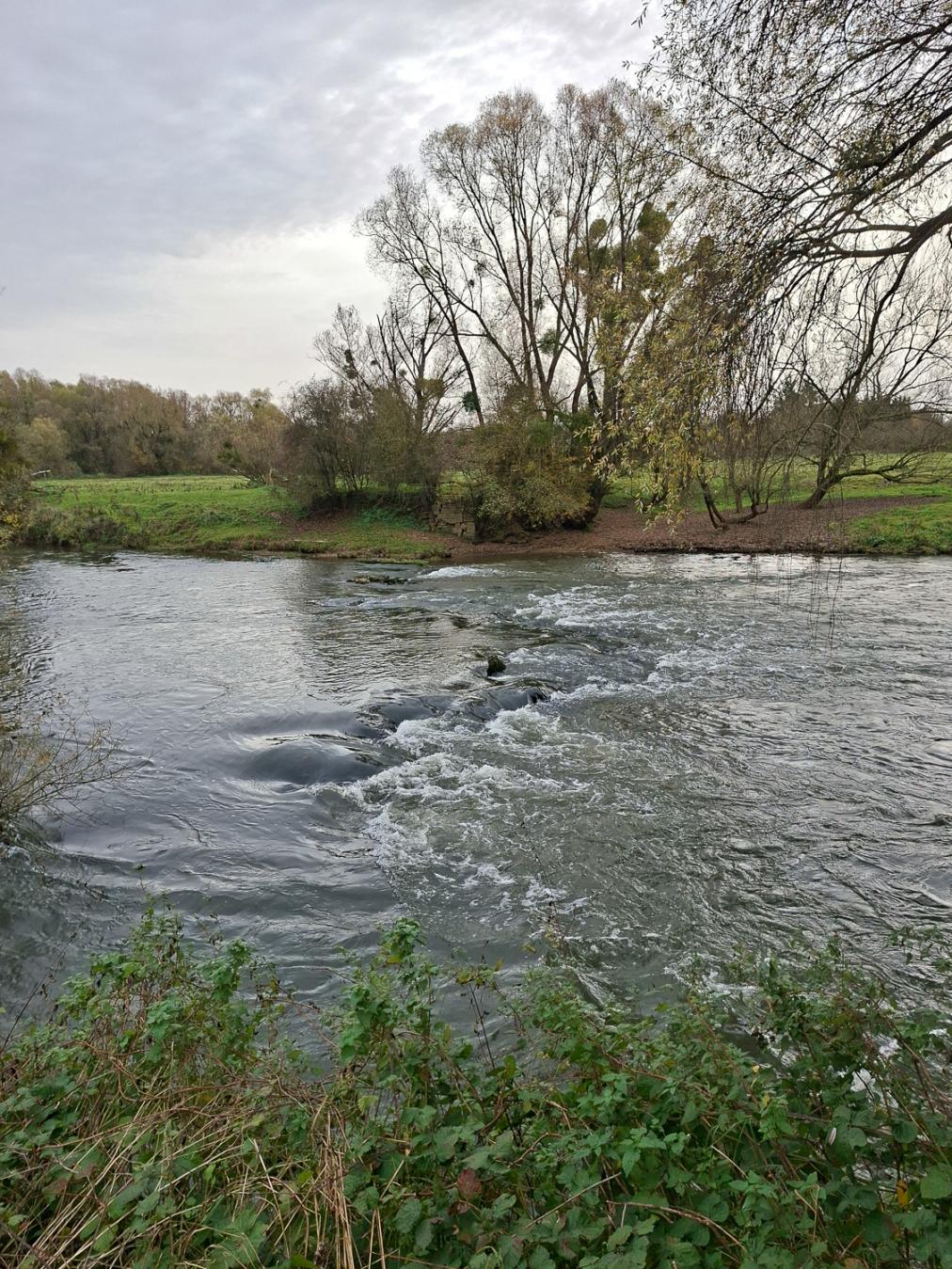
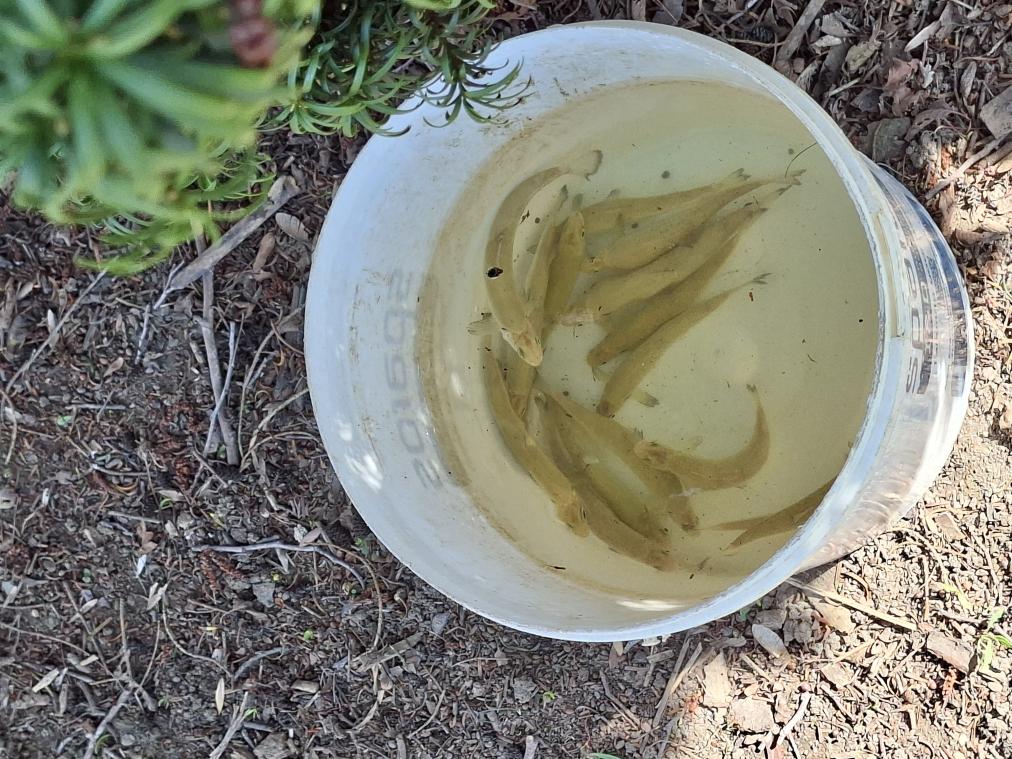
In November 2025, researchers from the ORION project, including Dr. Omayma Missawi, a postdoctoral researcher on Professor Eli Thoré’s team, surveyed the Meuse River basin to identify the most suitable sites for caging sentinel species in the Meuse, Sambre, and Chiers rivers. 

La Meuse en novembre 2025 - rpospection dans le cadre du projet interreg ORION

This phase, which involves exposing the animals to their natural environment, makes it possible to assess the concentrations of bioaccumulated pollutants and their impact on the animals’ health. Combined with concentration measurements taken directly from the water, these innovative tools enable a reliable assessment of water quality in the Meuse River basin. 

The process begins with an assessment of potential sites using pressure maps (Meuse, Sambre, Chiers) established during the previous phase of the project. This is followed by on-site validation, which takes into account parameters such as depth, current, temperature, pH, oxygenation, and sunlight exposure. 

Throughout the process, researchers pay particular attention to ensuring the well-being of the caged animals. To reduce their stress during the three-week experiment, researchers check the stability of the riverbed and the ability to securely anchor the cages to prevent any movement. Logistical and safety criteria are also taken into account, such as site accessibility, the tranquility of the location to minimize the risk of damage, and compatibility with other sentinel species, ideally located nearby. The objective of the field survey is therefore to confirm that the sites proposed by the maps are truly suitable, safe, and respectful of animal welfare.
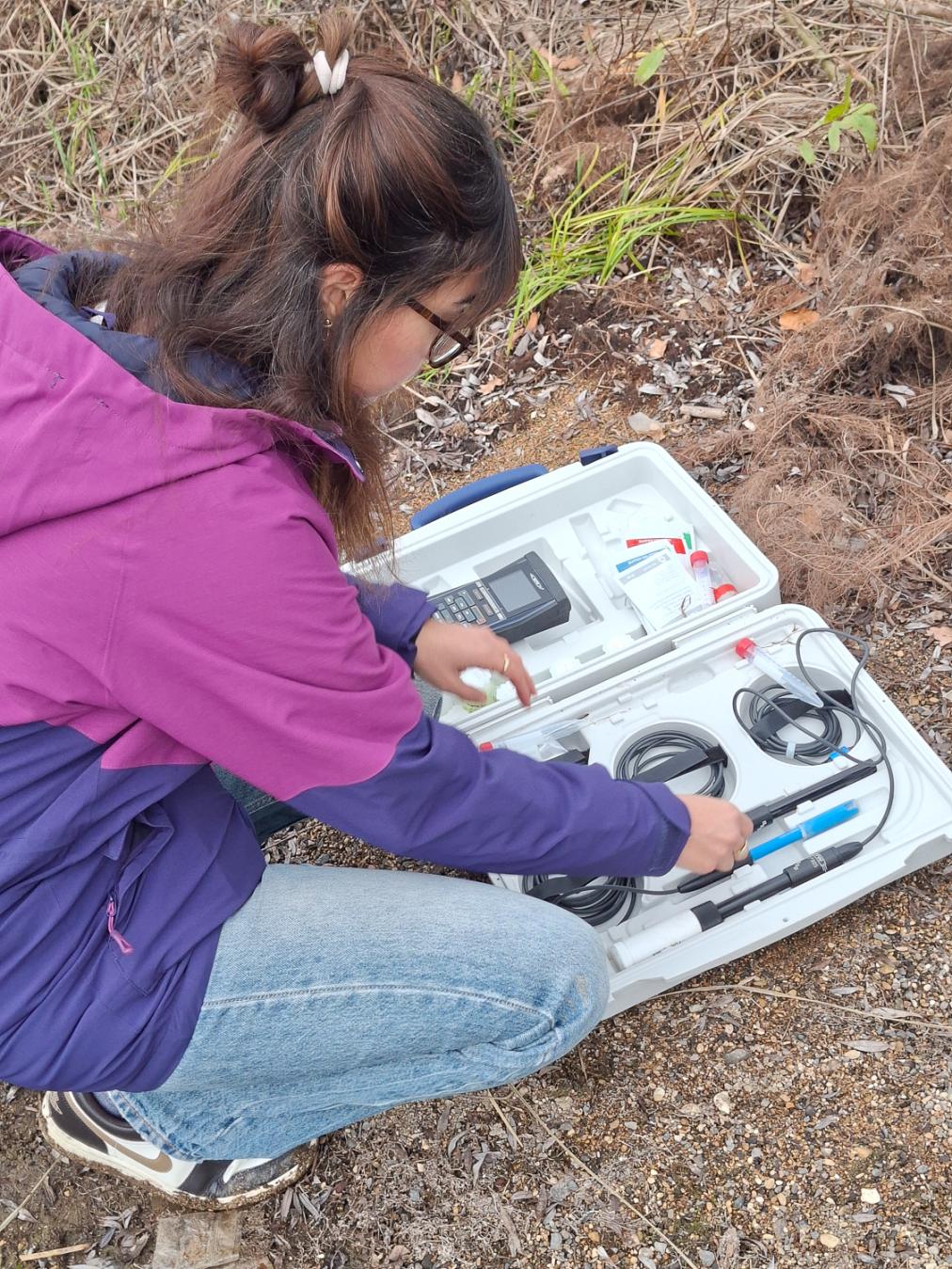
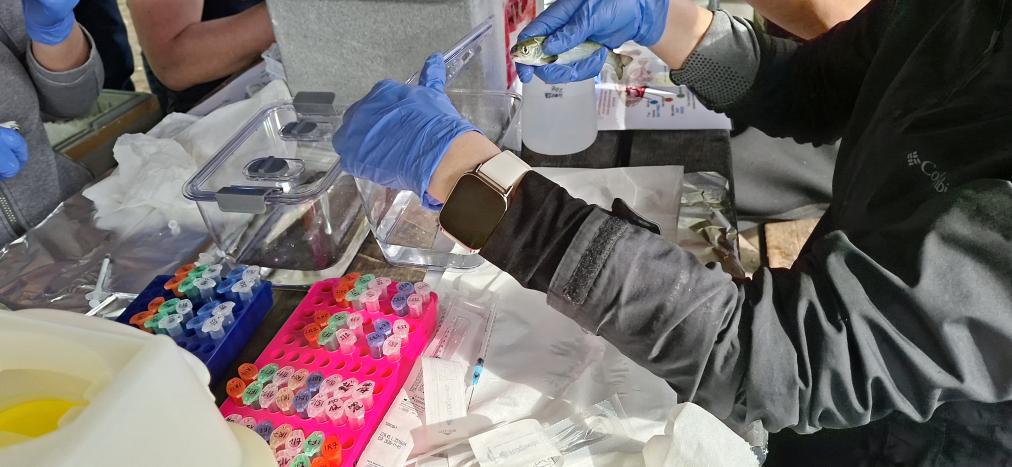
Once the animals have been caged and placed in their natural environment, the research moves into a diagnostic and integrative phase. The animals are collected and analyzed to determine which contaminants they have bioaccumulated and how this exposure has affected their physiological condition and health. By linking measured contaminant concentrations to biological responses, the study allows for an assessment of the actual ecotoxicological pressure exerted by the aquatic environment, rather than relying solely on chemical measurements of the water itself.

Image
Picture of Eli Thoré

Laboratory ecotoxicology does not always fully reflect the complexity of natural environments.  By directly exposing sentinel species in the field, ORION takes a more environmentally realistic approach, capturing the actual mixtures and exposure conditions that are difficult to replicate in the laboratory. This helps bridge the gap between experimental ecotoxicology and ecosystem health assessment.

Professeur Eli Thoré Researcher at the ILEE Institute

The Origins - The Interreg France-Wallonia-Flanders DIADeM Project

In 2017, Professor (now Emeritus) Patrick Kestemont was part of the DIADeM consortium, another cross-border project that had set itself two major objectives: 

  1. To measure the effect of a cocktail of pharmaceuticals on the populations of ecosystems in the Meuse River and its tributaries 
  2. To develop methodological tools for watercourse managers to improve water quality assessment.

The project was a success, as evidenced by its results: 

  • Six methodological guides and a multi-species caging approach.
  • A dozen scientific articles and a public exhibition featuring more than 20 panels: “The Health of Our Rivers: In Danger?”
  • Strengthened collaboration between URCA, the University of Namur, the University of Liège, and various stakeholders in the water sector in France and Wallonia.

ORION – For the good of all

By bringing together various stakeholders and developing innovative tools, the ORION project helps protect water quality and ensure a healthy environment for everyone: local governments, public authorities, higher education and research institutions, and the general public. 

The University of Namur is also responsible for producing, communicating, and disseminating information. Various resources will be produced (see the ORION website, under the “Resources and Videos” section) to promote research and raise public awareness about the vulnerability of ecosystems and the impact of human activity on water quality.

Logo interreg ORION

This article is taken from the "Impact" section of Omalius magazine, Issue #40 (April 2026).

cover-magazine-omalius-avril-2026

Three MSCA Doctoral Networks projects selected: a remarkable achievement for UNamur

Biodiversity
Chemistry
Physics and astronomy

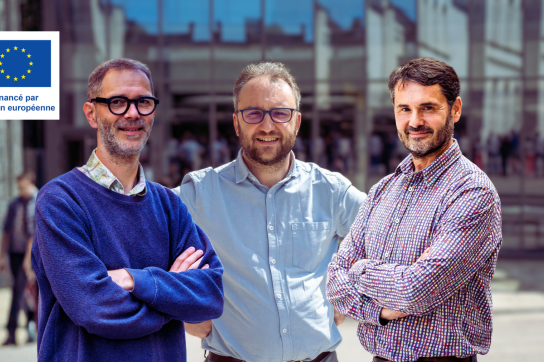
This is a great recognition of research at UNamur: three Marie Skłodowska-Curie Doctoral Networks (DN) projects have just been awarded, with a key contribution from researchers in Namur! The first, in chemistry, involves Professor Stéphane Vincent; the second, focused on ecosystem resilience, involves Professor Frédérik de Laender; and the third, in the field of photonics, benefits from the expertise of FNRS-qualified researcher Michaël Lobet.

Les chercheurs F. de Laender, M. Lobet, S. Vincent (UNamur) pour leurs projets MSCA DN financés par la Communauté européenne

For the MSCA Doctoral Networks 2025 call, 1,616 proposals were submitted and 141 were selected, representing a success rate of 9.6%. In this highly competitive environment, the selection of three projects involving UNamur sends a strong signal: it confirms the scientific excellence of Namur’s teams and their ability to build high-level international partnerships in support of doctoral training and innovation. Six doctoral dissertations will be eligible for funding.

Three projects, three cutting-edge topics

GlycoAxis – Understanding How the Gut Influences Brain Inflammation

Grant #101311186 from January 1, 2027, to December 31, 2031 – Project led by Stéphane Vincent – UNamur, Namur Research Institute for Life Sciences (NARILIS), in collaboration with 16 partners. 

Coordination: Federico II University (Naples, Italy) 

Stéphane Vincent - Institut NARILIS

In many neurological diseases, both inflammation of the nervous system and imbalances in the gut microbiota are observed. GlycoAxis aims to go beyond simple correlations by identifying the molecular “messengers” that link the gut, the immune system, and the brain. The project focuses on complex sugars found on the surface of certain bacteria (glycans), which are suspected of playing a key role in immune activation and neuroinflammation. The goal: to better understand these mechanisms and pave the way for new diagnostic tools, imaging techniques, or biomarkers for brain health.

ReDiLeep – Strengthening ecosystem resilience through diverse responses

Grant # 101312530 from January 1, 2027, to December 31, 2031 – Project led by Frédérik de Laender – UNamur, Institute of Life, Earth and Environment (ILEE), in collaboration with 20 partners. 

Coordination: Linköping University (Sweden).

Frederik de Laender - ILEE

In the face of climate change, pollution, and habitat fragmentation, some ecosystems weather the shocks… while others collapse. ReDiLeep focuses on a key driver of this resilience: response diversity—that is, the fact that different species (or ecological functions) do not all react in the same way to a disturbance. The project aims to better measure and model this mechanism in order to link research more directly to the needs of conservation, restoration, and public policy regarding biodiversity.

SPARK – programmable materials for controlling light at extremely high speeds

Grant # 101310184 from January 1, 2027, to December 31, 2031 – Project led by Michaël Lobet – UNamur, Namur Institute of Structured Matter (NISM), in collaboration with 7 partners. 

Coordination: Eindhoven University of Technology (Netherlands) 

Michael Lobet - NISM

Our digital communications rely on light: optical fibers, sensors, and photonic circuits capable of processing information. But with the explosion of data, the rise of AI, and the advent of ever-faster networks, it is becoming crucial to control light dynamically—much faster than is possible with current components, which are often “static.” SPARK is exploring a new approach: combining spatiotemporal metamaterials (nanoscale structures designed to shape light) with light that is itself “structured” in space and time. The result: reconfigurable photonic technologies for computing, imaging, and ultra-fast communications.

What are the Marie Skłodowska-Curie Doctoral Networks (MSCA-DN)?

In 1996, the European Union established the MSCA, a set of prestigious grants designed to fund research. The MSCA Doctoral Networks fund international networks that recruit and train doctoral students. Their goal is to combine high-level research with structured training, while promoting interdisciplinary and cross-sectoral collaboration as well as mobility within Europe and beyond.

Logo "Financé par l'Union européenne"

Walloon Honey PGI and Liège White Sausage PGI: When History Adds Flavor to Local Products

History
SDG#11 - Sustainable cities and communities

In 2025, two iconic Walloon products—Walloon honey and Liège white blood sausage—were awarded the prestigious European PGI designation. Behind this success lies the AgriLabel project, to which UNamur has been contributing for over a decade. Working alongside producers, specialists, and public institutions, our Department of History played a decisive role: demonstrating, through historical sources and scientific analysis, the close connection between these products and their local terroir. A project at the heart of economic, identity-related, cultural, and scientific issues.

Boudin Blan de Liège

With a beekeeping tradition dating back several centuries, Wallonia boasts a unique network of beekeepers, educational apiaries, and local chapters that preserve a true living heritage. It is largely thanks to this strong connection between the product and its terroir that Walloon honey has joined the prestigious list of Walloon products bearing the PGI (Protected Geographical Indication) label. 

Starting in the early 20th century, the sector became more professional and dynamic, largely thanks to improvements in apiary management and honey quality,” explains Natacha Aucuit, a food history researcher who contributed to this recognition of Walloon honey.

Image
Natacha Aucuit

One of the distinctive features of Walloon honey is its imperceptible to very fine crystallization, with no coarse crystals. This is no accident: Walloon beekeepers have adapted to Wallonia’s great floral diversity by developing a technique for controlled honey crystallization, perfected in the 1980s and 1990s and widely disseminated thanks to CARI ASBL and with the help of PROMIEL ASBL 

Natacha Aucuit Historian

This method, now widely used in Wallonia, produces a spreadable, creamy, uniform honey that retains its natural properties.

Miel wallon

What struck me as I traced the history of this product was its deeply human aspect: knowledge is passed down within beekeeping communities, from master beekeepers to apprentices, embodying the strength of a regional tradition,” notes Natacha Aucuit.

Liège White Sausage: a flavor, an herb, a tradition

In addition to Walloon Honey PGI, Natacha Aucuit also played a role in 2025 in securing PGI status for Liège White Sausage. 

A flagship product of the holiday season in the province, its historical origins are somewhat unclear… but its defining characteristics are very distinct. References to it appear in the press at the end of the 19th century, and by the early 20th century, one characteristic is confirmed: the addition of marjoram. This ingredient became the signature of Liège blood sausage. In the past, butchers and charcutiers grew marjoram themselves or bought it at local markets. Local production has resumed in recent years,” explains Natacha Aucuit.

Boudin de Liège
Liège blood sausage

This white sausage has deep roots in the city of Liège, but it is produced throughout the province. It is at the heart of Liège’s folk traditions: “This product is usually eaten cold, sliced. It is sometimes included in the drèssêye, a typical Liège assortment of cold cuts,” explains Natacha Aucuit. 

Ongoing work on local products

In addition to Walloon Honey PGI and Liège White Sausage PGI, other Walloon products are the focus of the Agrilabel unit, which is responsible for the recognition process. Currently, two applications are in progress: 

  • The revision of the specifications for Ardennes Ham PGI
  • The Wépion Strawberry

Other products certified as PGI since the creation of AgriLabel:

  • Florenville IGP Sausage
  • Ardennes Sausage IGP
  • Ardenne Collier IGP
  • Ardennes Pipe IGP
  • Chimay Escavèche PGI
  • Gaume Sausage PGI

The Agrilabel Project

Founded in 2011 at the initiative of the Wallonia Public Service and supported by the Office of the Walloon Minister of Agriculture, AgriLabel assists producers in obtaining European quality labels (PDO, PGI, and TSG) or regional labels (Label Qualité Plus). This work is based on a partnership between the University of Liège – Gembloux Agro-Bio Tech and UNamur.

In this context, the University of Liège-Gembloux Agro-Bio Tech focuses primarily on product characterization and producers’ expertise, as well as the delineation of the geographical production area. For its part, UNamur is responsible for demonstrating the socio-historical link between the product and its terroir, the designation’s historical recognition, and its reputation—essential elements for the recognition of a designation as a PDO or PGI.

Natacha Aucuit, a researcher specializing in food history at UNamur and a member of ILEE and Transitions, makes a key contribution to the AgriLabel unit under the supervision of Professor Isabelle Parmentier. Since 2013, she has been working on drafting applications for the registration of designations or modifications for products such as the Wépion Strawberry or the Ardennes Ham PGI. Her role consists primarily of establishing a documented historical link between the product and its terroir, based on rigorous research and a scientific approach.

Catherine Linard has been awarded the Francqui-Collen Research Professorship for her research on the spread of infectious diseases

Award
Geography
Sciences

Catherine Linard, a researcher in the Department of Geography at UNamur, was recognized for her work at the intersection of geography and epidemiology. This Francqui-Collen fellowship will allow her, starting in September and for the next three years, to be relieved of most of her teaching duties so she can devote more time to her research on the influence of environmental changes on the spread of infectious diseases. 

Catherine Linard

Why do certain infectious diseases pose a greater risk in some regions than in others? What role do urbanization, climate change, and population movements play in their spread? These are the kinds of questions that interest Catherine Linard, a researcher in the Department of Geography at UNamur

A geographer by training, she works in the field of health geography, which studies the relationship between health and place. “I study health, but through the eyes of a geographer. I’m primarily interested in the landscape, and I try to understand the natural and social processes that shape health in a given place.”

Understanding Diseases Across the Region

Her research focuses specifically on vector-borne diseases—that is, diseases transmitted by organisms such as mosquitoes. These include, in particular, malaria and dengue fever. To better understand their geographic distribution, the researcher analyzes various factors that may influence their transmission. The environment obviously plays a role, since it determines, in particular, where mosquitoes can breed, but it is not enough on its own to explain the spread of a disease. 

 “I take a fairly systemic approach. We’ll look at the environment, but also at human behavior, mobility, and so on.” Part of her research thus focuses on the impact of rapid changes in our environments—such as the rapid urbanization of the African continent—on mosquito-borne diseases. 

 This work has now received significant recognition. Starting in September, Catherine Linard will hold a three-year grant from the Francqui Foundation. Her proposal was first selected by the UNamur Research Council before being approved by the Foundation. 

Three years to take a step back 

This appointment will allow the researcher to be relieved of most of her teaching duties so she can devote more time to her research. This is a particularly valuable opportunity given that her daily academic life is divided between teaching, supervising researchers and doctoral students, conducting research, and handling administrative tasks. 

However, there are no plans yet to establish a specific schedule for the next three years. Catherine Linard first wants to take advantage of this newfound availability to devote more time to her ongoing projects and to mentor several doctoral students who are nearing the completion of their dissertations.

Image
Catherine Linard

“In recent years, I’ve felt that my work had become quite fragmented. I no longer necessarily had the time to explore certain aspects on my own that I would have liked to delve into more deeply. This appointment will give me valuable time to devote myself fully to research activities that are close to my heart.”

Catherine Linard Researcher in the Department of Geography at UNamur

The appointment should also enable her to strengthen her international collaborations. In particular, the researcher works with Cheick Anta Diop University in Dakar, Senegal, and plans to use these three years to deepen these exchanges and organize new fieldwork trips. In the longer term, she hopes above all to find time to explore new avenues and determine the future direction of her research. “Research is advancing at a breakneck pace. To stay abreast of everything happening in our field, we need to keep reading and following the work of other teams.” 

Collective Recognition 

Catherine Linard also sees the Francqui Prize as recognition of the work she has carried out with her team and her many collaborators. She also sees it as recognition for the field of health geography, a discipline long overlooked by the general public, but whose importance was particularly highlighted during the COVID-19 pandemic, when understanding the geographic spread of an epidemic became a particularly critical issue. “I believe it is also recognition of the relevance of this research to society, of its ability to shed light on major and highly topical societal issues, as well as of the value of a resolutely interdisciplinary project.” 

Catherine Linard – Short Biography

After defending her dissertation titled "Spatial and Integrated Modeling of Complex Disease Systems" in the Department of Geography at UCL in January 2009, she spent four months at the Department of Zoology at the University of Oxford (TALA Research Group) as a visiting researcher. She then began a two-year postdoc (2009–2011) at the University of Oxford on the WorldPop project, funded by the Wiener-Anspach Foundation, followed by six years (2011–2017) of postdoctoral research at the Spatial Epidemiology Laboratory (SpELL) at ULB (with funding from FNRS and BELSPO). She has been a professor in the Department of Geography at UNamur since 2015.

Catherine Linard

Interreg ORION Project | Protecting aquatic environments and raising awareness of the dangers of pollution

Biodiversity
Sustainable
SDG#6 - Clean water and sanitation

The Meuse and its tributaries, such as the Semois and the Sambre, are natural treasures that flow through France and Belgium. These rivers are home to a rich biodiversity, offer recreational opportunities, and, after treatment, provide clean drinking water. The shared use of these water resources requires consistent, coordinated, and sustainable management. This is the goal of the Interreg ORION project.

ORION - La Meuse

This article is excerpted from Omalius magazine #40 (March 2026)

Launched in November 2024, the Interreg France-Wallonia-Flanders cross-border project ORION aims to develop assessment tools based on predictive modeling to better understand and manage water quality in the context of global climate change. Through a comprehensive approach, it will enable the assessment, monitoring, and even prediction of the water quality of the Meuse River and the health of its ecosystems.

Improving the water quality of the Meuse River

Method

  1. Identification of pollutants
  2. Study of pressure dynamics
  3. Assessment of environmental impacts in the context of global warming

This will enable active biomonitoring, the simulation of future scenarios, the creation of innovative tools, and the sustainable management of shared resources.

Facilitation visuelle reprenant les objectifs du projet Interreg ORION

The ORION consortium, led by the University of Reims Champagne-Ardennes (URCA), brings together six operators and nine partners, including universities, research laboratories, and water management agencies in France, Wallonia, and Flanders. They work within the framework of a multidisciplinary collaboration involving biology, microbiology, parasitology, ecology, ecotoxicology, chemistry, and modeling.

At UNamur, one of the consortium’s six partners, the expertise being leveraged is that of Professor Eli Thoré, a member of the Research Unit in Environmental and Evolutionary Biology (URBE) within the Department of Biology and a researcher at the Institute of Life, Earth, and the Environment (ILEE). Eli Thoré and his colleagues contribute in particular to the assessment of ecotoxicological risks and environmental diagnostics under real-world conditions, including in degraded environments.

Phase 3 of the project: selection of caging sites

In November 2025, researchers from the ORION project, including Dr. Omayma Missawi, a postdoctoral researcher on Professor Eli Thoré’s team, surveyed the Meuse River basin to identify the most suitable sites for caging sentinel species in the Meuse, Sambre, and Chiers rivers. 

La Meuse en novembre 2025 - rpospection dans le cadre du projet interreg ORION

This phase, which involves exposing the animals to their natural environment, makes it possible to assess the concentrations of bioaccumulated pollutants and their impact on the animals’ health. Combined with concentration measurements taken directly from the water, these innovative tools enable a reliable assessment of water quality in the Meuse River basin. 

The process begins with an assessment of potential sites using pressure maps (Meuse, Sambre, Chiers) established during the previous phase of the project. This is followed by on-site validation, which takes into account parameters such as depth, current, temperature, pH, oxygenation, and sunlight exposure. 

Throughout the process, researchers pay particular attention to ensuring the well-being of the caged animals. To reduce their stress during the three-week experiment, researchers check the stability of the riverbed and the ability to securely anchor the cages to prevent any movement. Logistical and safety criteria are also taken into account, such as site accessibility, the tranquility of the location to minimize the risk of damage, and compatibility with other sentinel species, ideally located nearby. The objective of the field survey is therefore to confirm that the sites proposed by the maps are truly suitable, safe, and respectful of animal welfare.
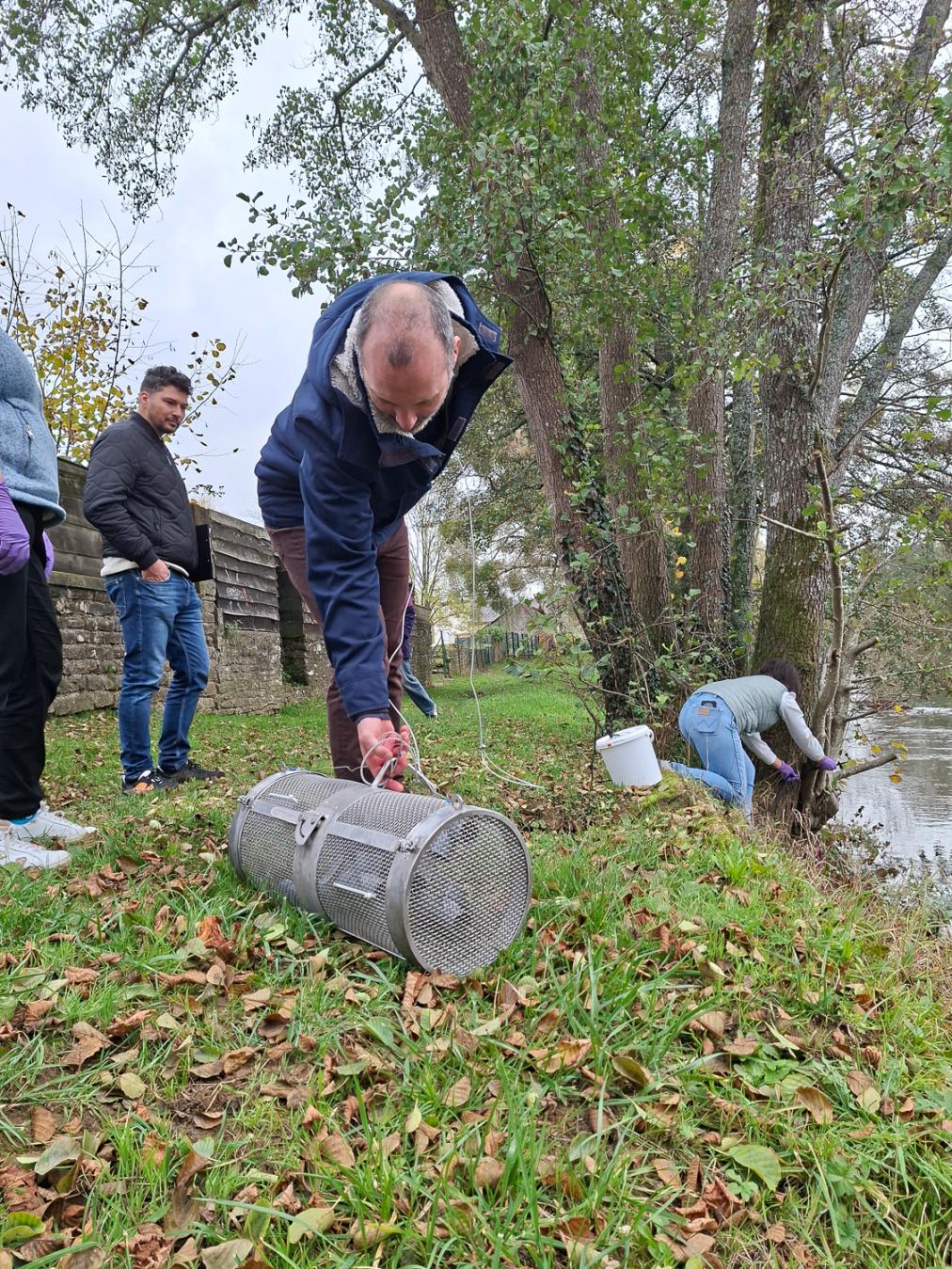
Once the animals have been caged and placed in their natural environment, the research moves into a diagnostic and integrative phase. The animals are collected and analyzed to determine which contaminants they have bioaccumulated and how this exposure has affected their physiological condition and health. By linking measured contaminant concentrations to biological responses, the study allows for an assessment of the actual ecotoxicological pressure exerted by the aquatic environment, rather than relying solely on chemical measurements of the water itself.
Image
Picture of Eli Thoré

Laboratory ecotoxicology does not always fully reflect the complexity of natural environments.  By directly exposing sentinel species in the field, ORION takes a more environmentally realistic approach, capturing the actual mixtures and exposure conditions that are difficult to replicate in the laboratory. This helps bridge the gap between experimental ecotoxicology and ecosystem health assessment.

Professeur Eli Thoré Researcher at the ILEE Institute

The Origins - The Interreg France-Wallonia-Flanders DIADeM Project

In 2017, Professor (now Emeritus) Patrick Kestemont was part of the DIADeM consortium, another cross-border project that had set itself two major objectives: 

  1. To measure the effect of a cocktail of pharmaceuticals on the populations of ecosystems in the Meuse River and its tributaries 
  2. To develop methodological tools for watercourse managers to improve water quality assessment.

The project was a success, as evidenced by its results: 

  • Six methodological guides and a multi-species caging approach.
  • A dozen scientific articles and a public exhibition featuring more than 20 panels: “The Health of Our Rivers: In Danger?”
  • Strengthened collaboration between URCA, the University of Namur, the University of Liège, and various stakeholders in the water sector in France and Wallonia.

ORION – For the good of all

By bringing together various stakeholders and developing innovative tools, the ORION project helps protect water quality and ensure a healthy environment for everyone: local governments, public authorities, higher education and research institutions, and the general public. 

The University of Namur is also responsible for producing, communicating, and disseminating information. Various resources will be produced (see the ORION website, under the “Resources and Videos” section) to promote research and raise public awareness about the vulnerability of ecosystems and the impact of human activity on water quality.

Logo interreg ORION

This article is taken from the "Impact" section of Omalius magazine, Issue #40 (April 2026).

cover-magazine-omalius-avril-2026

Three MSCA Doctoral Networks projects selected: a remarkable achievement for UNamur

Biodiversity
Chemistry
Physics and astronomy

This is a great recognition of research at UNamur: three Marie Skłodowska-Curie Doctoral Networks (DN) projects have just been awarded, with a key contribution from researchers in Namur! The first, in chemistry, involves Professor Stéphane Vincent; the second, focused on ecosystem resilience, involves Professor Frédérik de Laender; and the third, in the field of photonics, benefits from the expertise of FNRS-qualified researcher Michaël Lobet.
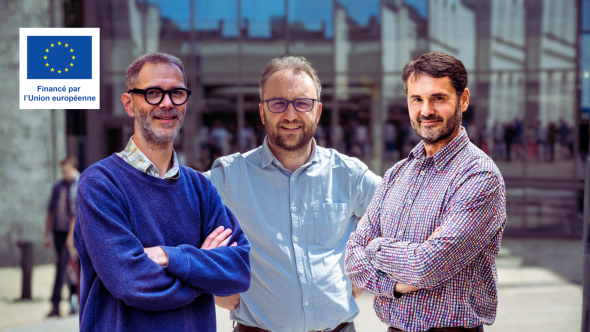
Les chercheurs F. de Laender, M. Lobet, S. Vincent (UNamur) pour leurs projets MSCA DN financés par la Communauté européenne

For the MSCA Doctoral Networks 2025 call, 1,616 proposals were submitted and 141 were selected, representing a success rate of 9.6%. In this highly competitive environment, the selection of three projects involving UNamur sends a strong signal: it confirms the scientific excellence of Namur’s teams and their ability to build high-level international partnerships in support of doctoral training and innovation. Six doctoral dissertations will be eligible for funding.

Three projects, three cutting-edge topics

GlycoAxis – Understanding How the Gut Influences Brain Inflammation

Grant #101311186 from January 1, 2027, to December 31, 2031 – Project led by Stéphane Vincent – UNamur, Namur Research Institute for Life Sciences (NARILIS), in collaboration with 16 partners. 

Coordination: Federico II University (Naples, Italy) 

Stéphane Vincent - Institut NARILIS

In many neurological diseases, both inflammation of the nervous system and imbalances in the gut microbiota are observed. GlycoAxis aims to go beyond simple correlations by identifying the molecular “messengers” that link the gut, the immune system, and the brain. The project focuses on complex sugars found on the surface of certain bacteria (glycans), which are suspected of playing a key role in immune activation and neuroinflammation. The goal: to better understand these mechanisms and pave the way for new diagnostic tools, imaging techniques, or biomarkers for brain health.

ReDiLeep – Strengthening ecosystem resilience through diverse responses

Grant # 101312530 from January 1, 2027, to December 31, 2031 – Project led by Frédérik de Laender – UNamur, Institute of Life, Earth and Environment (ILEE), in collaboration with 20 partners. 

Coordination: Linköping University (Sweden).

Frederik de Laender - ILEE

In the face of climate change, pollution, and habitat fragmentation, some ecosystems weather the shocks… while others collapse. ReDiLeep focuses on a key driver of this resilience: response diversity—that is, the fact that different species (or ecological functions) do not all react in the same way to a disturbance. The project aims to better measure and model this mechanism in order to link research more directly to the needs of conservation, restoration, and public policy regarding biodiversity.

SPARK – programmable materials for controlling light at extremely high speeds

Grant # 101310184 from January 1, 2027, to December 31, 2031 – Project led by Michaël Lobet – UNamur, Namur Institute of Structured Matter (NISM), in collaboration with 7 partners. 

Coordination: Eindhoven University of Technology (Netherlands) 

Michael Lobet - NISM

Our digital communications rely on light: optical fibers, sensors, and photonic circuits capable of processing information. But with the explosion of data, the rise of AI, and the advent of ever-faster networks, it is becoming crucial to control light dynamically—much faster than is possible with current components, which are often “static.” SPARK is exploring a new approach: combining spatiotemporal metamaterials (nanoscale structures designed to shape light) with light that is itself “structured” in space and time. The result: reconfigurable photonic technologies for computing, imaging, and ultra-fast communications.

What are the Marie Skłodowska-Curie Doctoral Networks (MSCA-DN)?

In 1996, the European Union established the MSCA, a set of prestigious grants designed to fund research. The MSCA Doctoral Networks fund international networks that recruit and train doctoral students. Their goal is to combine high-level research with structured training, while promoting interdisciplinary and cross-sectoral collaboration as well as mobility within Europe and beyond.

Logo "Financé par l'Union européenne"

Walloon Honey PGI and Liège White Sausage PGI: When History Adds Flavor to Local Products

History
SDG#11 - Sustainable cities and communities

In 2025, two iconic Walloon products—Walloon honey and Liège white blood sausage—were awarded the prestigious European PGI designation. Behind this success lies the AgriLabel project, to which UNamur has been contributing for over a decade. Working alongside producers, specialists, and public institutions, our Department of History played a decisive role: demonstrating, through historical sources and scientific analysis, the close connection between these products and their local terroir. A project at the heart of economic, identity-related, cultural, and scientific issues.

Boudin Blan de Liège

With a beekeeping tradition dating back several centuries, Wallonia boasts a unique network of beekeepers, educational apiaries, and local chapters that preserve a true living heritage. It is largely thanks to this strong connection between the product and its terroir that Walloon honey has joined the prestigious list of Walloon products bearing the PGI (Protected Geographical Indication) label. 

Starting in the early 20th century, the sector became more professional and dynamic, largely thanks to improvements in apiary management and honey quality,” explains Natacha Aucuit, a food history researcher who contributed to this recognition of Walloon honey.

Image
Natacha Aucuit

One of the distinctive features of Walloon honey is its imperceptible to very fine crystallization, with no coarse crystals. This is no accident: Walloon beekeepers have adapted to Wallonia’s great floral diversity by developing a technique for controlled honey crystallization, perfected in the 1980s and 1990s and widely disseminated thanks to CARI ASBL and with the help of PROMIEL ASBL 

Natacha Aucuit Historian

This method, now widely used in Wallonia, produces a spreadable, creamy, uniform honey that retains its natural properties.

Miel wallon

What struck me as I traced the history of this product was its deeply human aspect: knowledge is passed down within beekeeping communities, from master beekeepers to apprentices, embodying the strength of a regional tradition,” notes Natacha Aucuit.

Liège White Sausage: a flavor, an herb, a tradition

In addition to Walloon Honey PGI, Natacha Aucuit also played a role in 2025 in securing PGI status for Liège White Sausage. 

A flagship product of the holiday season in the province, its historical origins are somewhat unclear… but its defining characteristics are very distinct. References to it appear in the press at the end of the 19th century, and by the early 20th century, one characteristic is confirmed: the addition of marjoram. This ingredient became the signature of Liège blood sausage. In the past, butchers and charcutiers grew marjoram themselves or bought it at local markets. Local production has resumed in recent years,” explains Natacha Aucuit.

Boudin de Liège
Liège blood sausage

This white sausage has deep roots in the city of Liège, but it is produced throughout the province. It is at the heart of Liège’s folk traditions: “This product is usually eaten cold, sliced. It is sometimes included in the drèssêye, a typical Liège assortment of cold cuts,” explains Natacha Aucuit. 

Ongoing work on local products

In addition to Walloon Honey PGI and Liège White Sausage PGI, other Walloon products are the focus of the Agrilabel unit, which is responsible for the recognition process. Currently, two applications are in progress: 

  • The revision of the specifications for Ardennes Ham PGI
  • The Wépion Strawberry

Other products certified as PGI since the creation of AgriLabel:

  • Florenville IGP Sausage
  • Ardennes Sausage IGP
  • Ardenne Collier IGP
  • Ardennes Pipe IGP
  • Chimay Escavèche PGI
  • Gaume Sausage PGI

The Agrilabel Project

Founded in 2011 at the initiative of the Wallonia Public Service and supported by the Office of the Walloon Minister of Agriculture, AgriLabel assists producers in obtaining European quality labels (PDO, PGI, and TSG) or regional labels (Label Qualité Plus). This work is based on a partnership between the University of Liège – Gembloux Agro-Bio Tech and UNamur.

In this context, the University of Liège-Gembloux Agro-Bio Tech focuses primarily on product characterization and producers’ expertise, as well as the delineation of the geographical production area. For its part, UNamur is responsible for demonstrating the socio-historical link between the product and its terroir, the designation’s historical recognition, and its reputation—essential elements for the recognition of a designation as a PDO or PGI.

Natacha Aucuit, a researcher specializing in food history at UNamur and a member of ILEE and Transitions, makes a key contribution to the AgriLabel unit under the supervision of Professor Isabelle Parmentier. Since 2013, she has been working on drafting applications for the registration of designations or modifications for products such as the Wépion Strawberry or the Ardennes Ham PGI. Her role consists primarily of establishing a documented historical link between the product and its terroir, based on rigorous research and a scientific approach.

All news

Agenda

  • 08
    2026
  • 11
    2026

IBAF Conference 2026

Congress / Colloquium / Conference

IBAF Conference 2026

Sustainable
Physics
Materials, energy, and environment
Heritage, culture, and societies
8
2026 13:00 - 11
2026 15:00
Université de Namur - rue de Bruxelles, 61 - 5000 Namur
Contact person :  Colaux Julien

Sixteen years after hosting the 2010 edition, UNamur is delighted to revive this scientific tradition and welcome the 11th edition of the Rencontres Ion Beam Applications Francophones (IBAF). This edition will be organized by scientists from the UNamur Physics Department who are active in the fields of materials science, biophysics, and interdisciplinary applications of ion beams.

Logo de la conférence IBAF 2026 (UNamur, 8-11 septembre 2026)

The IBAF Meetings have been organized since 2003, every two years since 2008, by the Ion Beams Division of the French Vacuum Society (SFV), the oldest national vacuum society in the world, which celebrated its 80th anniversary in 2025.

As in previous editions, IBAF 2026 will offer a rich and varied program with guest lectures, oral and poster presentations, and technical sessions. All this will be complemented by an industrial presence to promote exchanges between research and innovation. 

The conference will cover a wide range of topics, from ion beam instruments and techniques to the physics of ion-matter interactions, including the analysis and modification of materials, applications in the life sciences, earth and environmental sciences, and heritage sciences.

All events

This content is currently being migrated. We invite you to visit the research institute's external page.