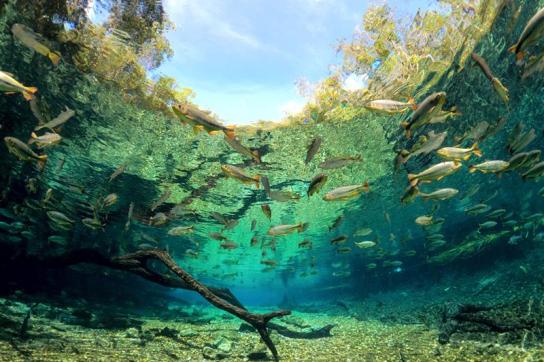
L'Unité de Recherche en Biologie Environnementale et évolutive (URBE) de l’Université de Namur rassemble une communauté dynamique et internationale de scientifiques explorant presque tous les aspects de la biologie environnementale et évolutive. Des gènes aux écosystèmes, l’URBE intègre l’écologie, l’évolution, la science de la biodiversité, l’écotoxicologie, la microbiologie et la biologie du changement global au sein d’un portefeuille de recherche hautement complémentaire.
À l’URBE, les chercheurs combinent travail de terrain, expériences, théorie et modélisation afin de répondre à des questions fondamentales et appliquées sur la manière dont les organismes s’adaptent, interagissent et réagissent aux pressions environnementales. L’unité est particulièrement reconnue pour ses travaux sur les systèmes aquatiques, soutenus par de vastes infrastructures de laboratoire et expérimentales ainsi que par des plateformes analytiques avancées.
En favorisant la collaboration entre disciplines, échelles et nationalités, l’URBE produit une science intégrative à impact réel — faisant progresser la compréhension de la dynamique de la biodiversité et soutenant des solutions aux défis environnementaux actuels.
Spotlight
News
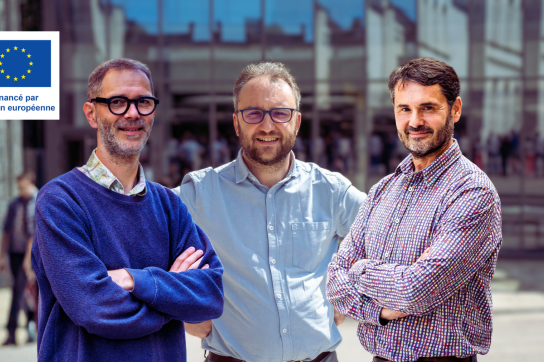
Three MSCA Doctoral Networks projects selected: a remarkable achievement for UNamur
This is a great recognition of research at UNamur: three Marie Skłodowska-Curie Doctoral Networks (DN) projects have just been awarded, with a key contribution from researchers in Namur! The first, in chemistry, involves Professor Stéphane Vincent; the second, focused on ecosystem resilience, involves Professor Frédérik de Laender; and the third, in the field of photonics, benefits from the expertise of FNRS-qualified researcher Michaël Lobet.
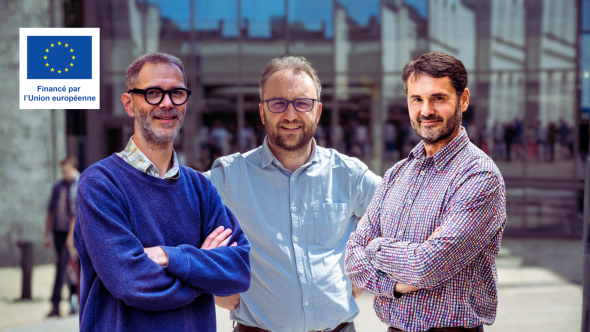
For the MSCA Doctoral Networks 2025 call, 1,616 proposals were submitted and 141 were selected, representing a success rate of 9.6%. In this highly competitive environment, the selection of three projects involving UNamur sends a strong signal: it confirms the scientific excellence of Namur’s teams and their ability to build high-level international partnerships in support of doctoral training and innovation. Six doctoral dissertations will be eligible for funding.
Three projects, three cutting-edge topics
GlycoAxis – Understanding How the Gut Influences Brain Inflammation
Grant #101311186 from January 1, 2027, to December 31, 2031 – Project led by Stéphane Vincent – UNamur, Namur Research Institute for Life Sciences (NARILIS), in collaboration with 16 partners.
Coordination: Federico II University (Naples, Italy)
In many neurological diseases, both inflammation of the nervous system and imbalances in the gut microbiota are observed. GlycoAxis aims to go beyond simple correlations by identifying the molecular “messengers” that link the gut, the immune system, and the brain. The project focuses on complex sugars found on the surface of certain bacteria (glycans), which are suspected of playing a key role in immune activation and neuroinflammation. The goal: to better understand these mechanisms and pave the way for new diagnostic tools, imaging techniques, or biomarkers for brain health.
ReDiLeep – Strengthening ecosystem resilience through diverse responses
Grant # 101312530 from January 1, 2027, to December 31, 2031 – Project led by Frédérik de Laender – UNamur, Institute of Life, Earth and Environment (ILEE), in collaboration with 20 partners.
Coordination: Linköping University (Sweden).
In the face of climate change, pollution, and habitat fragmentation, some ecosystems weather the shocks… while others collapse. ReDiLeep focuses on a key driver of this resilience: response diversity—that is, the fact that different species (or ecological functions) do not all react in the same way to a disturbance. The project aims to better measure and model this mechanism in order to link research more directly to the needs of conservation, restoration, and public policy regarding biodiversity.
SPARK – programmable materials for controlling light at extremely high speeds
Grant # 101310184 from January 1, 2027, to December 31, 2031 – Project led by Michaël Lobet – UNamur, Namur Institute of Structured Matter (NISM), in collaboration with 7 partners.
Coordination: Eindhoven University of Technology (Netherlands)
Our digital communications rely on light: optical fibers, sensors, and photonic circuits capable of processing information. But with the explosion of data, the rise of AI, and the advent of ever-faster networks, it is becoming crucial to control light dynamically—much faster than is possible with current components, which are often “static.” SPARK is exploring a new approach: combining spatiotemporal metamaterials (nanoscale structures designed to shape light) with light that is itself “structured” in space and time. The result: reconfigurable photonic technologies for computing, imaging, and ultra-fast communications.
What are the Marie Skłodowska-Curie Doctoral Networks (MSCA-DN)?
In 1996, the European Union established the MSCA, a set of prestigious grants designed to fund research. The MSCA Doctoral Networks fund international networks that recruit and train doctoral students. Their goal is to combine high-level research with structured training, while promoting interdisciplinary and cross-sectoral collaboration as well as mobility within Europe and beyond.
Biodiversity conservation using field data and computational methods
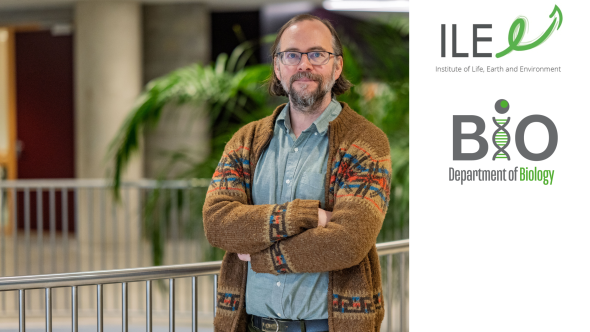
Brendan Reid has just joined the Environmental and Evolutionary Biology Research Unit (URBE) team in the Department of Biology, Faculty of Science. This unit functions as a collaborative ecosystem, bringing together skills and expertise to advance research on organisms and their dynamic interactions with the environment. Dive into aquatic and semi-aquatic research!
Brendan Reid comes from New Jersey, USA. He was appointed Professor of Biology at the University of Namur in September 2025 and became a member of the Institute of Life, Earth and Environment (ILEE). His research focusses on changes in aquatic and semi aquatic organisms and communities. He is particularly interested in fish and herps. To carry out his research, he uses (meta)genomics and field research, as well as demographic and genomic data. The goal? The preservation and management of diversity.
Sustainable conservation solutions
Brendan Reid's research combines cutting-edge genomic sequencing in space and time with habitat and demographic data, and computational methods. The aim is to understand the evolutionary responses of species and communities to environmental change over time and to propose conservation solutions to ensure their sustainability. He is particularly interested in using genetics and museum collections to understand the basis of species responses to new stresses and to preserve biodiversity in the current era of global climate change.
In a mid-January seminar, Brendan Reid presented his research to his new colleagues: the members of the ILEE Institute and members of the Department of Biology, URBE.
Research questions
How can genetics teach us about biological diversity?
He carried out a postdoc research project about the genetic barcoding and identification of marine and freshwater turtles. Another research project enabled him to analyse environmental DNA to assess different communities in highly human-impacted environments: reef monitoring, rivers in urban environments.
Photo: A Blanding's turtle (Emydoidea blandingii) from one of the populations studied in Wisconsin © Brendan Reid
How does loss of genetic diversity and inbreeding affect small populations?
He investigated this question in 2 postdoc research projects: one about the genetics of freshwater fish and another one about the inbreeding and fitness in endangered rattlesnakes.
How do populations respond to increasing human impact over time?
His PhD was about turtles and roads. There is still ongoing work on turtles thanks to a USFWS grant. He is currently leading a large-scale project to create a genomic database for the endangered Blanding's turtle, which will be used in USA conservation planning and forensics.
Historical genomics to answer questions
Postdoc research was carried out on historical genomics of fish to investigate how genetical diversity has changed over time. The “fisheries-induced evolution in cod project” used historic and contemporary samples from Norway and from Newfoundland, Canada.
Photo: Brendan Reid in the Lofoten Islands, Norway, with drying racks used in Norwegian cod fishing—one of the studies in which researchers used samples from 1907 paired with samples from the 2010s to understand how cod have adapted to overfishing. © Patrice Escandon
The evolutionary changes in size and age at maturity were already known, but we were interested in whether they were oligogenic (caused by changes in just a few genes) or polygenic (caused by changes in many genes with small individual effects). We showed that it was most likely polygenic evolution, not oligogenic evolution, that was behind the fisheries-induced changes. One of the achievements that he has been most proud of has been publishing this study in Philosophical Transactions of the Royal Society - the world’s oldest scientific journal!
The article “Detecting parallel polygenic adaptation to novel evolutionary pressure in wild populations: a case study in Atlantic cod (Gadus morhua)” is available in open access.
For historical samples, this was made possible in particular through the ARC Albatros recollection project (in the Philippines) refers to the USS Albatros expedition in 1908-1909, which brought back a huge collection of specimens conserved in ethanol (high powered rum 😊), not formalin. More than 10.000 specimens were paired with contemporary sampling taken from 60 sites between 2017 and 2022.
The ongoing PIRE project in the Philippines investigates changes in tropical (not temperate) regions, though a main goal is to determine whether the trends are similar across different climatic zones. It links museum specimens collected in the early 1900s to contemporary populations to understand how habitat changes have influenced the neutral and adaptive genetic diversity of fish.
Proven losses in diversity
All of this research has led to the general conclusion that insect, bird, mammal, and fish populations have declined and lost between 6% and 16% of their diversity to date. Genomics confirms a recent collapse in populations, probably linked to habitat change caused by human activity. There has also been a 4% loss of diversity in areas with high human density, and stronger selection in areas of greater development. Finally, tropical fish are losing their genetic diversity overall.
Future research projects at UNamur
Among the projects Brendan hopes to develop is research at the Domaine d'Haugimont on habitat management and monitoring of endangered Belgian amphibians. He says he is eager to start working on environmental DNA and certain salamander monitoring projects in the near future, including a project with SPW Research. Haugimont is recognized as a Site of Great Biological Interest (SGIB) by the Walloon Region.
Brendan would also like to look into historical genomics (mainly in insects) to identify signs of change and adaptation in communities based on data collected from specimens.
And work on the renaturation of Europe in general, mainly rivers and canals.
The importance of conservation
Brendan would like to determine species conservation needs and issues by analyzing breeding programs in zoos. He also wants to continue genetic analysis of populations and collect data in the field in order to maintain consistency between theory and practice and, above all, to accurately target the species most in need of protection.
I chose to join UNamur because I do a lot of work with aquatic or semi-aquatic organisms that combined molecular techniques and ecological data, and research profiles of the other members of URBE were all quite interesting to me - I could see a lot of possible collaborations and intersections. I had also worked quite a bit on long-term monitoring projects in nature reserves, and I was interested in developing the UNamur research at the Domaine d’Haugimont.
Aside from the fieldwork (which is what most conservation biologists live for) I really like working with students and developing ideas for research projects.
I am looking forward to getting started on environmental DNA work and some salamander monitoring projects in the near future.
Brendan Reid - Mini CV
Brendan is originally from the United States, born in the state of New Jersey. He lived in New York for years before recently moving to Belgium. He earned a bachelor's degree in biology and English from Williams College, a master's degree in conservation biology from Columbia University, and a PhD in wildlife ecology from the University of Wisconsin-Madison. After completing his PhD (and before joining UNamur), he conducted postdoctoral research at the American Museum of Natural History, Michigan State University, Rutgers University, and the University of California, Santa Cruz.
Given his wealth of research, cutting-edge expertise, and motivation, it is no surprise that Brendan Reid was chosen to join the URBE team in the Department of Biology.
Welcome, Brendan!
Institute of Life, Earth, and Environment (ILEE)
The ILEE Institute is dedicated to advancing fundamental and applied research to better understand the underlying processes that regulate life on Earth, to characterize anthropogenic pressures on the environment and vice versa, and to seek sustainable alternatives for managing natural resources, reducing pollution, and conserving and restoring biodiversity.
Biodiversity of American rivers analyzed over 30 years
A team of American researchers, with the help of Frédérik De Laender, professor in the Department of Biology at UNamur, has just published in the prestigious journal Nature. Their study describes how changing stream temperatures and human introductions of fish can alter river biodiversity in the USA.
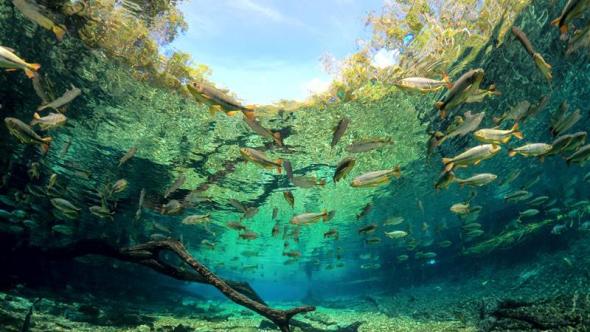
In 2021, Professor Frédérik De Laender was approached by American researchers to contribute to a study on the evolution of aquatic diversity in rivers in the USA. The aim: to analyze changes in aquatic diversity and identify the factors behind them. To answer this question, the researchers analyzed data collected over thirty years, covering 389 fish species in nearly 3,000 rivers and streams.
"There was already a lot of data on aquatic diversity in the USA, but it was scattered, recorded in different formats and produced using a variety of techniques and methodologies," explains Frédérik De Laender. "The challenge was therefore to harmonize them, in order to form a coherent whole, capable of revealing trends over several decades and on a continental scale."
Observed trends
In this study entitled "Diverging fish biodiversity trends in cold and warm rivers and streams" researchers studied 389 fish species in 2,992 rivers and streams, between 1993 and 2019. The results show contrasting trends depending on water temperature:
- In cold waters (< 15.4°C), the number of fish fell by 53% and the number of species by 32%. Small fish have declined, replaced by larger species often introduced for sport fishing.
- In warm waters (> 23.8°C), by contrast, the number of individuals has increased by 70% and diversity by 16%, with small opportunistic species dominating.
- Intermediate streams (15-24°C) showed little change.
These trends show that temperature changes and the introduction of certain fish species for fishing are helping to transform local aquatic communities.
The good news is that our results also indicate that targeted management actions, such as river restoration, limiting introductions or adapting fishing practices, can have a positive impact.
Frédérik De Laender - Mini CV
Frédérik De Laender is Professor in the Biology Department at the University of Namur, where he heads the Environmental Ecology of Ecosystems Laboratory (ECCOLOGY lab). He is director of the Environmental and Evolutionary Biology Research Unit (URBE) and also a member of the Life-Earth-Environment (ILEE) and Complex Systems (naXys) Institutes at UNamur.
Frédérik De Laender is a theoretical community ecologist who studies the links between environmental change, biodiversity and ecosystem functioning. Primarily focused on modeling, he has also conducted experiments on plankton and contributed to meta-analyses. His work focuses in particular on ecological stability and coexistence, to better understand the mechanisms that determine community composition.
La recherche au Département de biologie
Le Département de biologie, riche de ses professeurs permanents mène une recherche scientifique internationale de pointe. Celle-ci se répartit entre 5 unités de recherche abordant des thématiques variées de biologie cellulaire et moléculaire, de microbiologie moléculaire, de biologie environnementale et évolutive, de biologie végétale et de didactique.
Understanding for better protection: an innovative joint FNRS-FRQ research project on the St. Lawrence beluga whale
A project submitted by Professor Frédéric Silvestre's Laboratoire de Physiologie Évolutive et Adaptative (LEAP) at the University of Namur has been ranked among the top 6 research projects funded by the FNRS and the Fonds de recherche du Québec (FRQ) for scientific collaboration between Wallonia and Quebec. The aim? To understand the impact of human activities on St. Lawrence Estuary (SLE) belugas, using interdisciplinary approaches to help improve conservation strategies for this threatened species.
.
The beluga whale (Delphinapterus leucas) of the St. Lawrence Estuary (SLE) in Quebec, Canada, lives in a marine ecosystem heavily impacted by human activities and has shown no signs of recovery for several decades. Also known as the white whale or white dolphin, the beluga has a life expectancy of around 70 years. Infectious diseases and an increase in post-partum mortality in females have been observed, but the exact causes remain undetermined. However, exposure to contaminants is thought to be one of the causes of the increase in early mortality observed in recent years.
One of the main limitations to assessing the health of individuals in this population in relation to contaminant exposure is the lack of a method for determining the age of live beluga whales in the ESL.
Until now, the most reliable method for determining their age was to count the growth streaks on the inside of their teeth. The expertise of Namur-based researchers at Professor Frédéric Silvestre's Laboratoire de Physiologie Évolutive et Adaptative (LEAP) will enable the development of a new "epigenetic clock" and its use to estimate the age of living belugas, ultimately improving conservation strategies to help this threatened population recover.
An epigenetic clock to determine the age of belugas
The project is entitled: "Une horloge épigénétique pour estimer l'âge des belugas du Saint-Laurent et son impact sur l'accumulation de contaminants, le stress et la santé de cette population menacée"
Epigenetics is the study of changes in gene activity, not involving modification of the DNA sequence, that can be transmitted during cell divisions. One of the elements that "regulate" gene expression is methylation: a chemical group that attaches itself to certain places on the DNA strand to promote or limit gene expression. In recent decades, it has been discovered that methylation changes in a predictable way during aging, according to a pattern known as the "epigenetic clock". Once this clock has been established for a given population of individuals, it is therefore possible to deduce an individual's age by looking for the presence or absence of methylation on DNA. All it takes is a few cells, such as skin cells.
An international, interdisciplinary team
A team of top scientists from both regions is involved.
- Pr Frédéric Silvestre and Dr Alice Dennis - UNamur, Belgium
- Dr Krishna Das - ULiège, Belgium
- Dr Jonathan Verreault - Université du Québec à Montréal, Canada
- Dr Stéphane Lair - Université de Montréal, Canada
- Dr Magali Houde - Environment and Climate Change Canada
- Dr Véronique Lesage - Fisheries and Oceans Canada
- Dr Robert Michaud - Group for Research and Education on Marine Mammals (GREMM), Quebec, Canada
Namur's expertise to preserve biodiversity
The research team will validate this new method and investigate the link with contaminant accumulation, physiological stress and overall health in this threatened population, comparing the ESL population with a healthier population of belugas from the Canadian Arctic.
In summary, this research aims to better understand how biological age, as measured by the epigenetic clock, influences the vulnerability of belugas to environmental stressors and their health.
This project will address fundamental research questions never before explored in beluga whales,
A new PhD student will join the Namur team, under the supervision of Frédéric Silvestre and will work in collaboration with researcher Justine Bélik on the basis of the EpiClock she developed for the mangrove rivulus.
Along with a project on mangrove rivulus in Florida and Belize, and one on fish and invertebrate populations in the Ecuadorian mountains, this is the third scientific project to use Namur researchers' expertise in ecological epigenetics in wild animals to help preserve biodiversity.
FNRS - The freedom to search
Collaborative research F.R.S.-FNRS - FRQ (Fédération Wallonie-Bruxelles - Québec)
The F.R.S.-FNRS has launched PINT-Bilat-P calls for bilateral research projects with the Fonds de Recherche du Québec. These calls are part of a drive to develop strategic partnerships. The aim of this bilateral research program is to create a leverage effect for scientific excellence and to encourage researchers from the Wallonia-Brussels Federation and Quebec to develop innovative joint research projects.
Three MSCA Doctoral Networks projects selected: a remarkable achievement for UNamur
This is a great recognition of research at UNamur: three Marie Skłodowska-Curie Doctoral Networks (DN) projects have just been awarded, with a key contribution from researchers in Namur! The first, in chemistry, involves Professor Stéphane Vincent; the second, focused on ecosystem resilience, involves Professor Frédérik de Laender; and the third, in the field of photonics, benefits from the expertise of FNRS-qualified researcher Michaël Lobet.
For the MSCA Doctoral Networks 2025 call, 1,616 proposals were submitted and 141 were selected, representing a success rate of 9.6%. In this highly competitive environment, the selection of three projects involving UNamur sends a strong signal: it confirms the scientific excellence of Namur’s teams and their ability to build high-level international partnerships in support of doctoral training and innovation. Six doctoral dissertations will be eligible for funding.
Three projects, three cutting-edge topics
GlycoAxis – Understanding How the Gut Influences Brain Inflammation
Grant #101311186 from January 1, 2027, to December 31, 2031 – Project led by Stéphane Vincent – UNamur, Namur Research Institute for Life Sciences (NARILIS), in collaboration with 16 partners.
Coordination: Federico II University (Naples, Italy)
In many neurological diseases, both inflammation of the nervous system and imbalances in the gut microbiota are observed. GlycoAxis aims to go beyond simple correlations by identifying the molecular “messengers” that link the gut, the immune system, and the brain. The project focuses on complex sugars found on the surface of certain bacteria (glycans), which are suspected of playing a key role in immune activation and neuroinflammation. The goal: to better understand these mechanisms and pave the way for new diagnostic tools, imaging techniques, or biomarkers for brain health.
ReDiLeep – Strengthening ecosystem resilience through diverse responses
Grant # 101312530 from January 1, 2027, to December 31, 2031 – Project led by Frédérik de Laender – UNamur, Institute of Life, Earth and Environment (ILEE), in collaboration with 20 partners.
Coordination: Linköping University (Sweden).
In the face of climate change, pollution, and habitat fragmentation, some ecosystems weather the shocks… while others collapse. ReDiLeep focuses on a key driver of this resilience: response diversity—that is, the fact that different species (or ecological functions) do not all react in the same way to a disturbance. The project aims to better measure and model this mechanism in order to link research more directly to the needs of conservation, restoration, and public policy regarding biodiversity.
SPARK – programmable materials for controlling light at extremely high speeds
Grant # 101310184 from January 1, 2027, to December 31, 2031 – Project led by Michaël Lobet – UNamur, Namur Institute of Structured Matter (NISM), in collaboration with 7 partners.
Coordination: Eindhoven University of Technology (Netherlands)
Our digital communications rely on light: optical fibers, sensors, and photonic circuits capable of processing information. But with the explosion of data, the rise of AI, and the advent of ever-faster networks, it is becoming crucial to control light dynamically—much faster than is possible with current components, which are often “static.” SPARK is exploring a new approach: combining spatiotemporal metamaterials (nanoscale structures designed to shape light) with light that is itself “structured” in space and time. The result: reconfigurable photonic technologies for computing, imaging, and ultra-fast communications.
What are the Marie Skłodowska-Curie Doctoral Networks (MSCA-DN)?
In 1996, the European Union established the MSCA, a set of prestigious grants designed to fund research. The MSCA Doctoral Networks fund international networks that recruit and train doctoral students. Their goal is to combine high-level research with structured training, while promoting interdisciplinary and cross-sectoral collaboration as well as mobility within Europe and beyond.
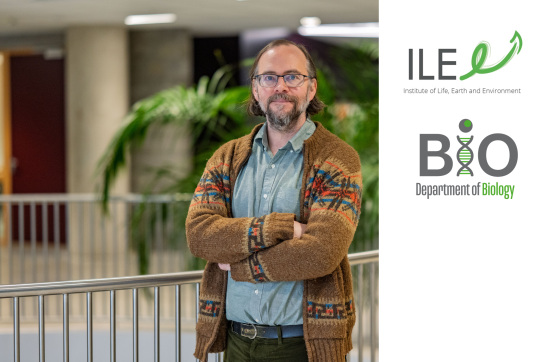
Biodiversity conservation using field data and computational methods
Brendan Reid has just joined the Environmental and Evolutionary Biology Research Unit (URBE) team in the Department of Biology, Faculty of Science. This unit functions as a collaborative ecosystem, bringing together skills and expertise to advance research on organisms and their dynamic interactions with the environment. Dive into aquatic and semi-aquatic research!
Brendan Reid comes from New Jersey, USA. He was appointed Professor of Biology at the University of Namur in September 2025 and became a member of the Institute of Life, Earth and Environment (ILEE). His research focusses on changes in aquatic and semi aquatic organisms and communities. He is particularly interested in fish and herps. To carry out his research, he uses (meta)genomics and field research, as well as demographic and genomic data. The goal? The preservation and management of diversity.
Sustainable conservation solutions
Brendan Reid's research combines cutting-edge genomic sequencing in space and time with habitat and demographic data, and computational methods. The aim is to understand the evolutionary responses of species and communities to environmental change over time and to propose conservation solutions to ensure their sustainability. He is particularly interested in using genetics and museum collections to understand the basis of species responses to new stresses and to preserve biodiversity in the current era of global climate change.
In a mid-January seminar, Brendan Reid presented his research to his new colleagues: the members of the ILEE Institute and members of the Department of Biology, URBE.
Research questions
How can genetics teach us about biological diversity?
He carried out a postdoc research project about the genetic barcoding and identification of marine and freshwater turtles. Another research project enabled him to analyse environmental DNA to assess different communities in highly human-impacted environments: reef monitoring, rivers in urban environments.
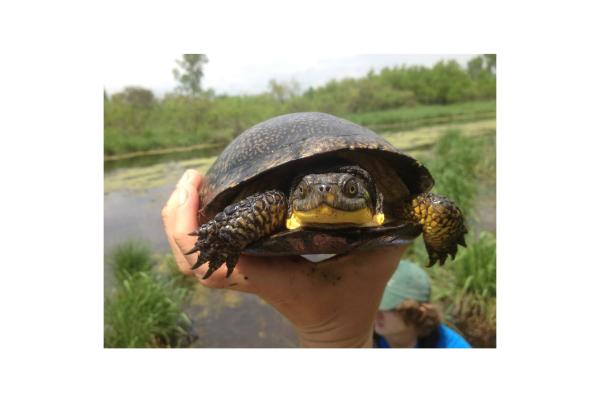
Photo: A Blanding's turtle (Emydoidea blandingii) from one of the populations studied in Wisconsin © Brendan Reid
How does loss of genetic diversity and inbreeding affect small populations?
He investigated this question in 2 postdoc research projects: one about the genetics of freshwater fish and another one about the inbreeding and fitness in endangered rattlesnakes.
How do populations respond to increasing human impact over time?
His PhD was about turtles and roads. There is still ongoing work on turtles thanks to a USFWS grant. He is currently leading a large-scale project to create a genomic database for the endangered Blanding's turtle, which will be used in USA conservation planning and forensics.
Historical genomics to answer questions
Postdoc research was carried out on historical genomics of fish to investigate how genetical diversity has changed over time. The “fisheries-induced evolution in cod project” used historic and contemporary samples from Norway and from Newfoundland, Canada.
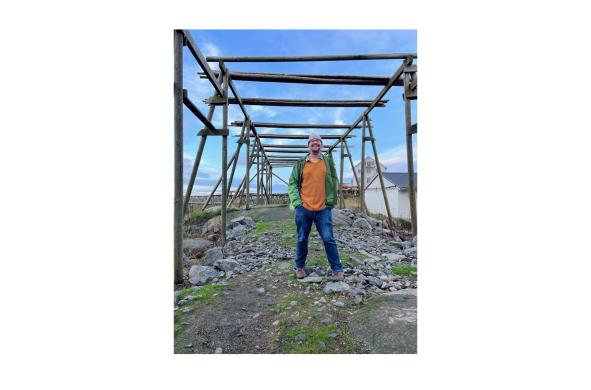
Photo: Brendan Reid in the Lofoten Islands, Norway, with drying racks used in Norwegian cod fishing—one of the studies in which researchers used samples from 1907 paired with samples from the 2010s to understand how cod have adapted to overfishing. © Patrice Escandon
The evolutionary changes in size and age at maturity were already known, but we were interested in whether they were oligogenic (caused by changes in just a few genes) or polygenic (caused by changes in many genes with small individual effects). We showed that it was most likely polygenic evolution, not oligogenic evolution, that was behind the fisheries-induced changes. One of the achievements that he has been most proud of has been publishing this study in Philosophical Transactions of the Royal Society - the world’s oldest scientific journal!
The article “Detecting parallel polygenic adaptation to novel evolutionary pressure in wild populations: a case study in Atlantic cod (Gadus morhua)” is available in open access.
For historical samples, this was made possible in particular through the ARC Albatros recollection project (in the Philippines) refers to the USS Albatros expedition in 1908-1909, which brought back a huge collection of specimens conserved in ethanol (high powered rum 😊), not formalin. More than 10.000 specimens were paired with contemporary sampling taken from 60 sites between 2017 and 2022.
The ongoing PIRE project in the Philippines investigates changes in tropical (not temperate) regions, though a main goal is to determine whether the trends are similar across different climatic zones. It links museum specimens collected in the early 1900s to contemporary populations to understand how habitat changes have influenced the neutral and adaptive genetic diversity of fish.
Proven losses in diversity
All of this research has led to the general conclusion that insect, bird, mammal, and fish populations have declined and lost between 6% and 16% of their diversity to date. Genomics confirms a recent collapse in populations, probably linked to habitat change caused by human activity. There has also been a 4% loss of diversity in areas with high human density, and stronger selection in areas of greater development. Finally, tropical fish are losing their genetic diversity overall.
Future research projects at UNamur
Among the projects Brendan hopes to develop is research at the Domaine d'Haugimont on habitat management and monitoring of endangered Belgian amphibians. He says he is eager to start working on environmental DNA and certain salamander monitoring projects in the near future, including a project with SPW Research. Haugimont is recognized as a Site of Great Biological Interest (SGIB) by the Walloon Region.
Brendan would also like to look into historical genomics (mainly in insects) to identify signs of change and adaptation in communities based on data collected from specimens.
And work on the renaturation of Europe in general, mainly rivers and canals.
The importance of conservation
Brendan would like to determine species conservation needs and issues by analyzing breeding programs in zoos. He also wants to continue genetic analysis of populations and collect data in the field in order to maintain consistency between theory and practice and, above all, to accurately target the species most in need of protection.
I chose to join UNamur because I do a lot of work with aquatic or semi-aquatic organisms that combined molecular techniques and ecological data, and research profiles of the other members of URBE were all quite interesting to me - I could see a lot of possible collaborations and intersections. I had also worked quite a bit on long-term monitoring projects in nature reserves, and I was interested in developing the UNamur research at the Domaine d’Haugimont.
Aside from the fieldwork (which is what most conservation biologists live for) I really like working with students and developing ideas for research projects.
I am looking forward to getting started on environmental DNA work and some salamander monitoring projects in the near future.
Brendan Reid - Mini CV
Brendan is originally from the United States, born in the state of New Jersey. He lived in New York for years before recently moving to Belgium. He earned a bachelor's degree in biology and English from Williams College, a master's degree in conservation biology from Columbia University, and a PhD in wildlife ecology from the University of Wisconsin-Madison. After completing his PhD (and before joining UNamur), he conducted postdoctoral research at the American Museum of Natural History, Michigan State University, Rutgers University, and the University of California, Santa Cruz.
Given his wealth of research, cutting-edge expertise, and motivation, it is no surprise that Brendan Reid was chosen to join the URBE team in the Department of Biology.
Welcome, Brendan!
Institute of Life, Earth, and Environment (ILEE)
The ILEE Institute is dedicated to advancing fundamental and applied research to better understand the underlying processes that regulate life on Earth, to characterize anthropogenic pressures on the environment and vice versa, and to seek sustainable alternatives for managing natural resources, reducing pollution, and conserving and restoring biodiversity.
Biodiversity of American rivers analyzed over 30 years
A team of American researchers, with the help of Frédérik De Laender, professor in the Department of Biology at UNamur, has just published in the prestigious journal Nature. Their study describes how changing stream temperatures and human introductions of fish can alter river biodiversity in the USA.
In 2021, Professor Frédérik De Laender was approached by American researchers to contribute to a study on the evolution of aquatic diversity in rivers in the USA. The aim: to analyze changes in aquatic diversity and identify the factors behind them. To answer this question, the researchers analyzed data collected over thirty years, covering 389 fish species in nearly 3,000 rivers and streams.
"There was already a lot of data on aquatic diversity in the USA, but it was scattered, recorded in different formats and produced using a variety of techniques and methodologies," explains Frédérik De Laender. "The challenge was therefore to harmonize them, in order to form a coherent whole, capable of revealing trends over several decades and on a continental scale."
Observed trends
In this study entitled "Diverging fish biodiversity trends in cold and warm rivers and streams" researchers studied 389 fish species in 2,992 rivers and streams, between 1993 and 2019. The results show contrasting trends depending on water temperature:
- In cold waters (< 15.4°C), the number of fish fell by 53% and the number of species by 32%. Small fish have declined, replaced by larger species often introduced for sport fishing.
- In warm waters (> 23.8°C), by contrast, the number of individuals has increased by 70% and diversity by 16%, with small opportunistic species dominating.
- Intermediate streams (15-24°C) showed little change.
These trends show that temperature changes and the introduction of certain fish species for fishing are helping to transform local aquatic communities.
The good news is that our results also indicate that targeted management actions, such as river restoration, limiting introductions or adapting fishing practices, can have a positive impact.
Frédérik De Laender - Mini CV
Frédérik De Laender is Professor in the Biology Department at the University of Namur, where he heads the Environmental Ecology of Ecosystems Laboratory (ECCOLOGY lab). He is director of the Environmental and Evolutionary Biology Research Unit (URBE) and also a member of the Life-Earth-Environment (ILEE) and Complex Systems (naXys) Institutes at UNamur.
Frédérik De Laender is a theoretical community ecologist who studies the links between environmental change, biodiversity and ecosystem functioning. Primarily focused on modeling, he has also conducted experiments on plankton and contributed to meta-analyses. His work focuses in particular on ecological stability and coexistence, to better understand the mechanisms that determine community composition.
La recherche au Département de biologie
Le Département de biologie, riche de ses professeurs permanents mène une recherche scientifique internationale de pointe. Celle-ci se répartit entre 5 unités de recherche abordant des thématiques variées de biologie cellulaire et moléculaire, de microbiologie moléculaire, de biologie environnementale et évolutive, de biologie végétale et de didactique.
Understanding for better protection: an innovative joint FNRS-FRQ research project on the St. Lawrence beluga whale
A project submitted by Professor Frédéric Silvestre's Laboratoire de Physiologie Évolutive et Adaptative (LEAP) at the University of Namur has been ranked among the top 6 research projects funded by the FNRS and the Fonds de recherche du Québec (FRQ) for scientific collaboration between Wallonia and Quebec. The aim? To understand the impact of human activities on St. Lawrence Estuary (SLE) belugas, using interdisciplinary approaches to help improve conservation strategies for this threatened species.
.
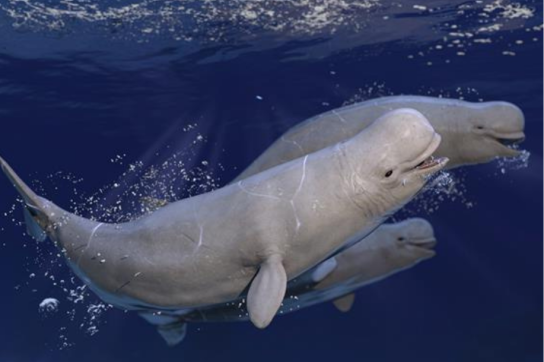
The beluga whale (Delphinapterus leucas) of the St. Lawrence Estuary (SLE) in Quebec, Canada, lives in a marine ecosystem heavily impacted by human activities and has shown no signs of recovery for several decades. Also known as the white whale or white dolphin, the beluga has a life expectancy of around 70 years. Infectious diseases and an increase in post-partum mortality in females have been observed, but the exact causes remain undetermined. However, exposure to contaminants is thought to be one of the causes of the increase in early mortality observed in recent years.
One of the main limitations to assessing the health of individuals in this population in relation to contaminant exposure is the lack of a method for determining the age of live beluga whales in the ESL.
Until now, the most reliable method for determining their age was to count the growth streaks on the inside of their teeth. The expertise of Namur-based researchers at Professor Frédéric Silvestre's Laboratoire de Physiologie Évolutive et Adaptative (LEAP) will enable the development of a new "epigenetic clock" and its use to estimate the age of living belugas, ultimately improving conservation strategies to help this threatened population recover.
An epigenetic clock to determine the age of belugas
The project is entitled: "Une horloge épigénétique pour estimer l'âge des belugas du Saint-Laurent et son impact sur l'accumulation de contaminants, le stress et la santé de cette population menacée"
Epigenetics is the study of changes in gene activity, not involving modification of the DNA sequence, that can be transmitted during cell divisions. One of the elements that "regulate" gene expression is methylation: a chemical group that attaches itself to certain places on the DNA strand to promote or limit gene expression. In recent decades, it has been discovered that methylation changes in a predictable way during aging, according to a pattern known as the "epigenetic clock". Once this clock has been established for a given population of individuals, it is therefore possible to deduce an individual's age by looking for the presence or absence of methylation on DNA. All it takes is a few cells, such as skin cells.
An international, interdisciplinary team
A team of top scientists from both regions is involved.
- Pr Frédéric Silvestre and Dr Alice Dennis - UNamur, Belgium
- Dr Krishna Das - ULiège, Belgium
- Dr Jonathan Verreault - Université du Québec à Montréal, Canada
- Dr Stéphane Lair - Université de Montréal, Canada
- Dr Magali Houde - Environment and Climate Change Canada
- Dr Véronique Lesage - Fisheries and Oceans Canada
- Dr Robert Michaud - Group for Research and Education on Marine Mammals (GREMM), Quebec, Canada
Namur's expertise to preserve biodiversity
The research team will validate this new method and investigate the link with contaminant accumulation, physiological stress and overall health in this threatened population, comparing the ESL population with a healthier population of belugas from the Canadian Arctic.
In summary, this research aims to better understand how biological age, as measured by the epigenetic clock, influences the vulnerability of belugas to environmental stressors and their health.
This project will address fundamental research questions never before explored in beluga whales,
A new PhD student will join the Namur team, under the supervision of Frédéric Silvestre and will work in collaboration with researcher Justine Bélik on the basis of the EpiClock she developed for the mangrove rivulus.
Along with a project on mangrove rivulus in Florida and Belize, and one on fish and invertebrate populations in the Ecuadorian mountains, this is the third scientific project to use Namur researchers' expertise in ecological epigenetics in wild animals to help preserve biodiversity.
FNRS - The freedom to search
Collaborative research F.R.S.-FNRS - FRQ (Fédération Wallonie-Bruxelles - Québec)
The F.R.S.-FNRS has launched PINT-Bilat-P calls for bilateral research projects with the Fonds de Recherche du Québec. These calls are part of a drive to develop strategic partnerships. The aim of this bilateral research program is to create a leverage effect for scientific excellence and to encourage researchers from the Wallonia-Brussels Federation and Quebec to develop innovative joint research projects.