Chemistry is par excellence the science of transforming matter, and as such lies at the crossroads between the physical sciences and mathematics on the one hand, and the life sciences, earth sciences and materials sciences on the other. State-of-the-art laboratories, led by world-renowned researchers, are dedicated to a wide range of fields, from organic chemistry to materials chemistry, analytical chemistry and theoretical chemistry.
Find out more about the Chemistry Department

SVG

Studying chemistry

See content
SVG

Chemical research

See content
SVG

Service to society in chemistry

See content
SVG

Alumni

See content
SVG

Members of the Chemistry Department

See content

Spotlight

News

Roberta Sessoli – The Convergence of the Sciences

Chemistry
Physics and astronomy
Award

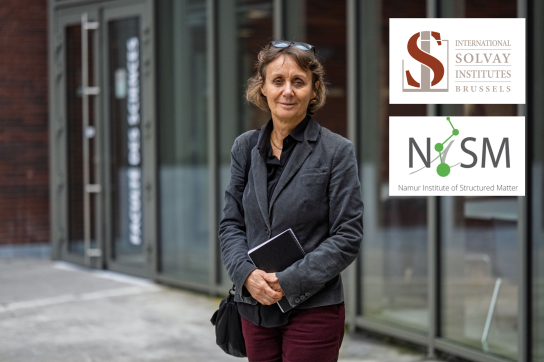
What role can chemistry play in quantum physics? To address this question, the Departments of Physics and Chemistry invited Professor Roberta Sessoli to a seminar organized by the NISM Institute and the Faculty of Science. A leading figure in both Chemistry and Physics thanks to her research on molecular magnetism and the quantum physics of molecular systems, Roberta Sessoli was awarded the prestigious 2026 Solvay International Chair in Chemistry. Today, she talks about her career, her research, and shares some advice for future generations. 
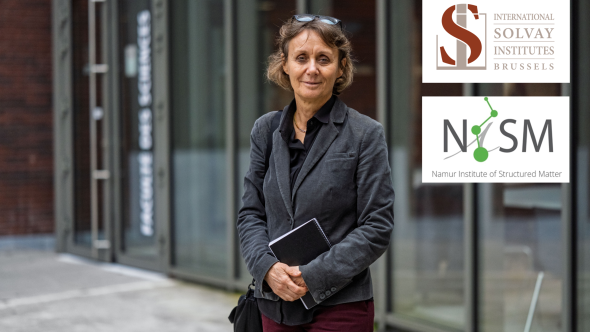
Roberta Sessoli - Solvay chair - Chemistry - 2026
Roberta Sessoli, Université de Florence, Italie.

You are a renowned chemist. What made you want to pursue this field? 

During an open day I attended, I had the opportunity to speak with a professor who convinced me to pursue Chemistry. According to her, it was a discipline in which there were more questions to ask than answers to give. I am naturally curious, and I have always been fascinated by open questions. 

Today, when people ask me for advice about choosing what to study, I always answer very simply: “Do you prefer solving problems or discovering problems?” For me, it is rather the second option. 

How did you start working on magnetism? 

I became interested in it during my second year at university. I had the opportunity to work on paramagnetic systems with my mentor, Dante Gatteschi. These materials have the particular property of developing a small magnetization in the presence of a magnetic field, although this magnetization is not permanent. 

At the beginning of my career, I discovered that some molecules could behave like small magnets. This is what is known as a single-molecule magnet (SMM). The interest of these materials lies in the fact that, when a magnetic field is applied to these molecules, they become magnetized and then take a very long time to return to their equilibrium state once the magnetic field is removed. This is referred to as slow relaxation time. This property makes it possible to store magnetic information for long periods of time. 

What were the implications of this discovery? 

At the time, physicists were investigating these types of effects, but they worked mainly with iron oxides, which had to be ordered—primarily in crystalline structures—in order for these effects to be observed. 

The magnetic properties of molecules are essentially defined by their chemical structure, which can be modulated more easily than the structure of inorganic solids. I therefore tried to draw the attention of various professors to this discovery, but it was difficult for me to gain their interest because I was a woman, I was young, and I was a chemist. I eventually had the opportunity to meet Professor Jacques Villain, a very well-known French theoretical physicist. He became fascinated by SMMs, and we began working together. Thanks to his interest in my research, other physicists also began looking into SMMs. 
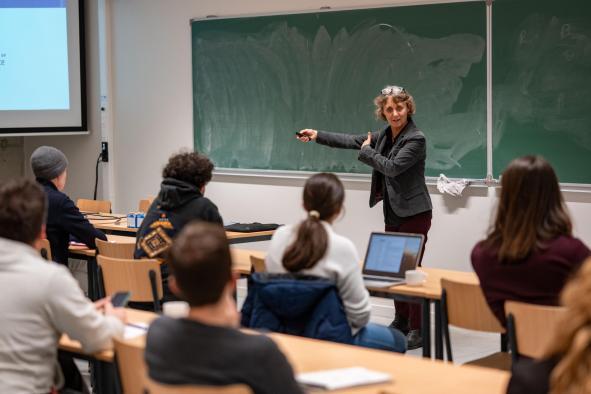
Roberta Sessoli
Roberta Sessoli, séminaire de l'Institut NISM et de la Faculté des sciences de l'UNamur.

You are also currently working on chirality. What is this phenomenon, and why is it interesting for your research? 

Through a project funded by the European Research Council (ERC), we recently started working on a phenomenon called chirality-induced spin selectivity. 

Chirality is a fundamental property of objects that cannot be superimposed on their mirror image. A chiral molecule therefore exists in two forms, called enantiomers, which are mirror images of one another and consequently cannot be superimposed. 

Spin, meanwhile, is a quantum property of a particle that gives it an intrinsic magnetic moment and, in simple terms, makes it behave like a small magnet. 

When electrons emerge from a chiral medium after passing through it, their spins are predominantly oriented in a particular direction, depending on which enantiomer was used to create the chiral medium. 

This is particularly interesting for applications such as oxygen production, artificial photosynthesis, and even the development of electrochemical systems. We use it to transform spin information into an electrical signal (spin-to-charge conversion). This makes it easier to detect the spin state of molecules by monitoring the electrical current. This is one of the main objectives of our ERC project, but it requires a multidisciplinary approach. To achieve this, we are working as a team with four partners, bringing together physicists and chemists in order to combine all the necessary expertise. 

Has being a woman influenced your career in research? 

At the beginning of my career, I encountered some difficulties in establishing myself in a field that was not originally mine and that was largely dominated by men. 

The only thing that can prevent us from building a successful professional career is imposing a mental burden on ourselves. Some women sometimes feel guilty when they are at work because they feel they are not present enough for their children, or conversely, that they are not sufficiently present at work. This is a pressure I refused to submit to by establishing, from the very beginning, a clear boundary between these two parts of my life. 

What message would you like to give to young people who are considering a career in science? 

First of all, it is important to have confidence in the future rather than trying to control it. Instability is part of life. I am thinking in particular of the day when I had to defend my PhD thesis in Rome with my seven-day-old child. Nevertheless, this did not frighten me because I know that there is a solution to every problem. 

Secondly, we should not forget that the most sincere motivation, and therefore the most enduring one, is to follow our own ideas. External recognition does not matter as long as our inner motivation remains strong. 

Finally, we must remain open-minded and never be afraid of change. Whether it is the people around us, the tools we use, or our opinions, everything can evolve. The important thing is to remain flexible and curious so that we never close ourselves off from new opportunities. 

Interview by Léa Ciparisse, UNamur, February 12, 2026. 

The Solvay International Chair in Chemistry

Following the legendary 1911 Solvay Conference on Radiation and the Quanta, chaired by Nobel Prize laureate Hendrik Lorentz, the International Solvay Institute of Physics was founded by Ernest Solvay in 1912. The International Solvay Institute of Chemistry was founded one year later, in 1913. The two institutes merged in 1963 and, in 1970, became the “International Solvay Institutes for Physics and Chemistry.”

International Solvay Institutes Brussels

Their mission is to support and develop curiosity-driven research in Physics, Chemistry, and related fields, with the aim of “broadening and deepening our understanding of natural phenomena.” 

“2025 was the International Year of Quantum Science and Technology. Receiving the Solvay International Chair is a responsibility, especially for me, because it is the Solvay Chair in Chemistry, and I do not really consider myself a ‘true’ chemist, in the sense that I work somewhat at the interface between chemistry and physics. But I am convinced that, even though I do not work on the major research themes that currently dominate the field—catalysis, batteries, or CO₂ capture, which are very much in vogue—there are other areas in which Chemistry can play a role.” 

Roberta Sessoli, February 2026.

To be a chemist or to be a physicist—that is the question!

Being half chemist and half physicist is not usual. It is one of the things Professor Yoann Olivier has in common with his guest. A challenge, certainly, but also an opportunity that arose at UNamur when he joined the university in 2019. Yoann Olivier’s research shares common ground with that of Roberta Sessoli, as he studies spin effects in organic π-conjugated materials.

Prof Yoann Olivier

Using numerical simulation methods, his research allows him to investigate these properties at the molecular and even atomic scale. 

His research has numerous applications, from a technological perspective (OLED TVs and smartphone displays), to energy (photovoltaic cells and lighting panels), healthcare (monitoring devices and biosensors), and, more recently, quantum information (molecular qubits, quantum computing, and quantum cryptography). 

In addition to being a member of the Departments of Chemistry and Physics, he is also a member of the NISM Research Institute, where he has strengthened its multidisciplinary team of researchers working on the synthesis and functionalization of molecular systems and novel materials (from 0D to 3D), the design of solids with specific architectures, their surface properties, and the development of advanced techniques for studying their physicochemical properties. 
Win4Doc | Automating the Production of Radiotracers for Medical Imaging

Life and health sciences
Chemistry

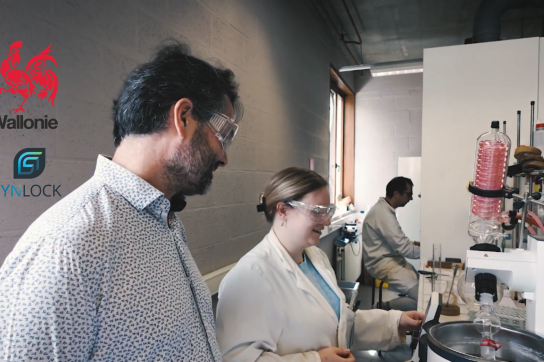
At UNamur, a doctoral thesis led by Juliette Liégeois—with support from SPW Recherche as part of the Win4Doc program—aims to modernize the automated production of radiotracers used, in particular, to diagnose certain cancers and other diseases. Called SMART, the project is being developed in collaboration with Synlock, a company that designs synthesis robots for academic and industrial laboratories.
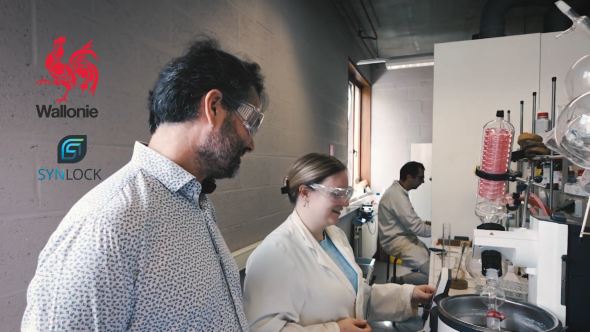
Le projet SMART repose sur la complémentarité entre l’UNamur et Synlock.

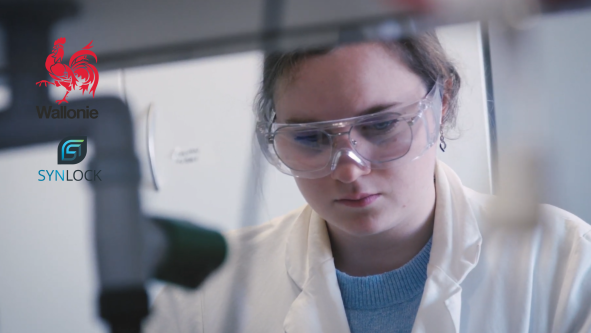
Radiotracers are small radioactive molecules used in medical imaging. Once injected into the body, they can bind to specific targets characteristic of a disease and emit radiation that can be detected by imaging devices. Juliette Liégeois, a doctoral student at the Bioorganic Chemistry Laboratory (CBO) at UNamur, is working on these molecules as part of a thesis conducted in collaboration with the company Synlock. “You can compare them to GPS trackers. For example, they make it possible to precisely locate a tumor in the human body and then help the oncologist determine a treatment strategy,” she explains. 

But producing these molecules is a real challenge. Because they are radioactive and unstable, they must be synthesized quickly and under conditions that ensure the safety of the scientists. Their synthesis is therefore carried out using automated machines capable of performing the various steps in sequence without direct human intervention. However, a large portion of the automated systems currently in use still rely on technologies that do not easily accommodate certain newer synthesis methods developed in research laboratories. 

The goal of the SMART project is precisely to bridge this gap by adapting existing methods so they can be integrated into automated systems and to verify their effectiveness under conditions that closely resemble actual production. 

Adapting machines to new research methods

To achieve this, Juliette Liégeois is working on two techniques. Biocatalysis uses enzymes to carry out certain chemical reactions under milder conditions, while photocatalysis uses light to trigger these reactions. These two methods are often used in research but still need to be adapted to the constraints of automated machines. 

The project is also testing the Cheminizer, a technology developed by Synlock. This reactor rotates during the manufacturing process to better mix the various components and more effectively control the reactions. Its operation could, in particular, facilitate the use of light and enzymes.

From the Laboratory to Automated Production

The SMART project is based on the complementary strengths of UNamur and Synlock. The company contributes its expertise in the design of machinery and reactors, while UNamur’s Bioorganic Chemistry Laboratory (CBO) contributes its knowledge of chemical reactions. 

Image
Stéphane Vincent

“The collaboration between Synlock and the CBO laboratory offers two key benefits. First, there is synergy regarding the technology or technologies developed in the project: the company contributes its expertise in the field of reactors, while the laboratory contributes its knowledge of chemical reactions and transformations relevant to the project. The other important aspect is the management and direction of strategic decisions to be made in consultation with both partners, as these decisions can have direct economic implications for the development of Synlock’s products.” 
Professeur Stéphane Vincent CBO Manager and Project Promoter

Watch the video about the project

Vidéo du projet WIN4Doc SMART

Win4doc | Bridging the Gap Between Academic Research and Industry

Win4Doc is a program established by Wallonia (SPW Research) that allows a Walloon company to hire a researcher to conduct doctoral research in collaboration with a university research unit.  

Logo Wallonie

Industry-Based Doctoral Programs at UNamur

Win4Doc | Speeding Up the Detection of Antibiotic-Resistant Bacteria

Life and health sciences
Chemistry
SDG#3 - Good health and well-being

At UNamur, a doctoral thesis led by Jozie Tientcheu—with support from SPW Recherche as part of the Win4Doc program—is exploring a new approach to speed up the diagnosis of bacterial antibiotic resistance. Called STABLE2, the project is being developed in collaboration with Coris BioConcept, a Walloon company specializing in rapid diagnostic tests. 

Logo Wallonie

Antibiotic resistance is one of the major public health challenges. Certain bacteria produce enzymes, called beta-lactamases, that can render widely used antibiotics—such as beta-lactams—ineffective. Among these, resistance to carbapenems—which are often reserved for severe infections—is of particular concern. 

Rapidly identifying these resistance patterns is essential for adapting treatment, avoiding the unnecessary use of last-resort antibiotics, and limiting the spread of resistant bacteria in healthcare settings. 

The goal of STABLE2 is to reduce the time between sample collection and diagnosis. “To achieve this, the project combines synthetic chemistry, electrochemistry, and microbiology. It aims to design molecules analogous to beta-lactams and then measure their transformation when they come into contact with the enzymes responsible for certain types of resistance,” explains Ph.D. student Jozie Tientcheu. 

This transformation can generate a measurable electrochemical signal. Ultimately, this approach could contribute to the development of tests that are faster, more targeted, and better suited to the needs of laboratories and hospitals. 

A collaboration between academic research and industrial innovation

The project is part of the expansion of the electrochemical test portfolio at Coris BioConcept, a company based in Gembloux that has been active in the rapid diagnosis of infectious diseases since 1996. Already involved in the detection of bacterial resistance, the company contributes its industrial expertise and understanding of real-world needs. 

At UNamur, research is conducted at the Bioorganic Chemistry Laboratory (CBO), which designs and synthesizes the molecules needed to develop the test.  

Image
Stéphane Vincent

“The fight against infectious diseases is the CBO’s primary area of research. The collaboration with Coris BioConcept is very promising because it establishes a direct link between the laboratory’s expertise and applications that can be rapidly made available to the medical community—and thus benefit patients. The two entities complement each other perfectly, creating a win-win relationship and genuine synergy.”

Professeur Stéphane Vincent Head of the CBO and Project Manager for STBALE2

Watch the video about the project

Win4Doc - Un doctorat en entreprise (SPW recherche) - vignette illustrative des vidéos

Win4doc | Bridging the Gap Between Academic Research and Industry

Win4Doc is a program established by Wallonia (SPW Research) that allows a Walloon company to hire a researcher to conduct doctoral research in collaboration with a university research unit. 
Learn more about Win4Doc 

Logo Wallonie

Industry-Based Doctoral Programs at UNamur

A new Walloon spin-off (UNamur / UCLouvain / WEL Research Institute) is developing a nasal spray to prevent viral respiratory infections

Life and health sciences
Sustainable
SDG#3 - Good health and well-being
ODD#9 - Industry, innovation and infrastructure

Jointly founded by the University of Namur and UCLouvain, the spin-off Intercept Bio aims to take a new step forward in the prevention of viral respiratory infections. Stemming from research conducted by the teams of Professor Stéphane Vincent at the UNamur Bio-Organic Chemistry Laboratory and Professor David Alsteens at the Louvain Institute of Biomolecular Science and Technology at UCLouvain, and a researcher at the WEL Research Institute, the start-up is developing a nasal spray designed to act right at the entry point for respiratory viruses: the nasal passages.

copyright-adobe-stock-Intercept-bio-spin-off

The innovation at the heart of Intercept Bio is based on a proprietary molecule, 9-Ac-SAP, protected by several families of international patents jointly held by the two universities. This molecule, formulated as a nasal spray, is designed to intercept viruses before they can attach to human cells. Specifically, it acts as a molecular “decoy”: instead of attaching to the surface of the body’s cells, the virus first encounters this molecule, which disrupts its adhesion and thus limits its ability to initiate infection.

Image
VINCENT Stéphane

With the nasal spray, our goal is to offer an approach that is easy to use but based on a very detailed understanding of the early stages of viral infection. Rather than waiting for the virus to take hold in the body, we aim to prevent it from crossing that first barrier by acting directly on the nasal passages. 

Professeur Stéphane Vincent UNamur, Faculty of Science, Department of Chemistry

Professor Stéphane Vincent is a member of the Bio-Organic Chemistry Laboratory (CBO) and the NISM and NARILIS institutes at UNamur.

Respiratory viruses are constantly evolving. By targeting a fundamental step in their interaction with human cells rather than a specific viral protein, we hope to develop a solution that remains effective even as new variants or emerging viruses appear.

Professeur David Alsteens UCLouvain, NanoBioPhysics Lab, and member of the Louvain Institute of Biomolecular Science and Technology and the WEL Research Institute

Professor David Alsteens of the NanoBioPhysics Lab and a member of the Louvain Institute of Biomolecular Science and Technology at UCLouvain and the WEL Research Institute.

This approach is particularly innovative because it does not target a single virus or a single strain. Preclinical studies conducted at UNamur and UCLouvain have demonstrated antiviral activity against several major respiratory viruses, including SARS-CoV-2, influenza viruses, and respiratory syncytial virus. By targeting a very early and common stage of the infection process—namely, the virus’s attachment to the host cell—the technology paves the way for a preventive strategy that complements vaccines, existing antiviral treatments, and conventional protective measures.

The first product developed by Intercept Bio comes in the form of a nasal spray. This method of administration follows a simple logic: to act locally, where many respiratory viruses begin their progression in the body. Easy to use, non-invasive, and designed for preventive use, this spray could be a particularly relevant solution for people at highest risk of complications, especially patients with chronic respiratory conditions. 

“This spray could be an alternative to the vaccine for immunocompromised individuals. It would help prevent respiratory illnesses, the flu, or other infections by applying it before entering confined spaces, such as public transportation. It could also be used by an infected person to limit the risk of transmitting the virus to those around them,” explains David Alsteens of UCLouvain’s WEL Research Institute. 

By reducing the risk of infection or exacerbation of severe respiratory illnesses, a preventive solution like this spray could help limit complications, hospitalizations, and pressure on the healthcare system.

illu-spray-nasal-spin-off-intercept-bio

A fruitful interuniversity collaboration

In 2020, as soon as the coronavirus pandemic began, David Alsteens (UCLouvain, WEL Research Institute) used his state-of-the-art atomic force microscopy platform—unique in Belgium for its ability to study interactions between pathogens and cells—to investigate how COVID-19 attaches to our cells. Very quickly, the UCLouvain-WEL Research Institute team discovered the importance of certain sialic acids on the surface of our cells in allowing the virus to attach to them. Sialic acids, which are sugar residues, act like tiny locks to which the virus binds via its surface proteins before entering the host cell. 

In an effort to block this interaction—and thus prevent the virus from infecting cells— David Alsteens turned to Professor Stéphane Vincent of the Bio-Organic Chemistry Laboratory at UNamur, who specializes in organic chemistry, glycosciences, biocatalysis, and mechanistic enzymology. His team designs and synthesizes complex molecules capable of interacting with biological targets, particularly in contexts related to infections. Vincent then produced a molecule flanked by sialic acids—the famous decoy molecule—which saturates the virus and prevents it from binding to its host cells. Subsequent tests on mice proved effective in 80% of cases. Within the Intercept Bio framework, this contribution was instrumental in designing, producing, and optimizing the molecules that form the basis of the technology platform.

Intercept Bio also illustrates the power of inter-university collaboration. The project arose from the complementary nature of two high-level scientific areas of expertise: on the one hand, UNamur’s ability to design and synthesize innovative molecules inspired by glycoscience; and, on the other hand, the expertise of UCLouvain-WEL Research Institute in observing, measuring, and understanding, at the nanoscale, the interactions between viruses, molecules, and cells. This collaboration has made it possible to move from a scientific intuition to a protected technology, validated in preclinical trials and now moving toward industrial development.

From the Lab to the Spin-off

The creation of Intercept Bio is part of a commercialization initiative jointly led by UNamur and UCLouvain, with support from the WEL Research Institute, UNamur Venture, and Sopartec—a member of Louvain-Transfer, UCLouvain’s research commercialization organization. These organizations have supported the project’s development, structuring, initial funding, and governance, working alongside the founding researchers and the management team, thereby enabling the transition from basic research to a concrete application for society. Serge Pampfer, a seasoned figure in the Belgian biotech ecosystem, is leading the new organization as CEO.

intercept-bio-logos-partenaires

The research and funding that made the development of this solution possible, as well as the filing of the related patents, were supported by several funding initiatives and programs: the two ERC grants, support from the WEL Research Institute and the Louvain Foundation, obtained by David Alsteens of UCLouvain; as well as the EOS (interuniversity) program, the FNRS, and the Marie Curie ITN network, which funded a Ph.D. position in Stéphane Vincent’s team. The ITN, funded under the FP7 Marie Curie Doctoral Network program, made it possible to establish the initial methodology developed for Ebola, which contributed to the scientific advances that led to this technology. The company’s mission will be to continue the preclinical and clinical development phases, secure the necessary funding for the upcoming regulatory phases, and ultimately prepare for the market launch of innovative solutions designed to prevent viral respiratory infections. Beyond this first product, Intercept Bio aims to gradually develop a portfolio of products based on the same technological platform.

Roberta Sessoli – The Convergence of the Sciences

Chemistry
Physics and astronomy
Award

What role can chemistry play in quantum physics? To address this question, the Departments of Physics and Chemistry invited Professor Roberta Sessoli to a seminar organized by the NISM Institute and the Faculty of Science. A leading figure in both Chemistry and Physics thanks to her research on molecular magnetism and the quantum physics of molecular systems, Roberta Sessoli was awarded the prestigious 2026 Solvay International Chair in Chemistry. Today, she talks about her career, her research, and shares some advice for future generations. 

Roberta Sessoli - Solvay chair - Chemistry - 2026
Roberta Sessoli, Université de Florence, Italie.

You are a renowned chemist. What made you want to pursue this field? 

During an open day I attended, I had the opportunity to speak with a professor who convinced me to pursue Chemistry. According to her, it was a discipline in which there were more questions to ask than answers to give. I am naturally curious, and I have always been fascinated by open questions. 

Today, when people ask me for advice about choosing what to study, I always answer very simply: “Do you prefer solving problems or discovering problems?” For me, it is rather the second option. 

How did you start working on magnetism? 

I became interested in it during my second year at university. I had the opportunity to work on paramagnetic systems with my mentor, Dante Gatteschi. These materials have the particular property of developing a small magnetization in the presence of a magnetic field, although this magnetization is not permanent. 

At the beginning of my career, I discovered that some molecules could behave like small magnets. This is what is known as a single-molecule magnet (SMM). The interest of these materials lies in the fact that, when a magnetic field is applied to these molecules, they become magnetized and then take a very long time to return to their equilibrium state once the magnetic field is removed. This is referred to as slow relaxation time. This property makes it possible to store magnetic information for long periods of time. 

What were the implications of this discovery? 

At the time, physicists were investigating these types of effects, but they worked mainly with iron oxides, which had to be ordered—primarily in crystalline structures—in order for these effects to be observed. 

The magnetic properties of molecules are essentially defined by their chemical structure, which can be modulated more easily than the structure of inorganic solids. I therefore tried to draw the attention of various professors to this discovery, but it was difficult for me to gain their interest because I was a woman, I was young, and I was a chemist. I eventually had the opportunity to meet Professor Jacques Villain, a very well-known French theoretical physicist. He became fascinated by SMMs, and we began working together. Thanks to his interest in my research, other physicists also began looking into SMMs. 

Roberta Sessoli
Roberta Sessoli, séminaire de l'Institut NISM et de la Faculté des sciences de l'UNamur.

You are also currently working on chirality. What is this phenomenon, and why is it interesting for your research? 

Through a project funded by the European Research Council (ERC), we recently started working on a phenomenon called chirality-induced spin selectivity. 

Chirality is a fundamental property of objects that cannot be superimposed on their mirror image. A chiral molecule therefore exists in two forms, called enantiomers, which are mirror images of one another and consequently cannot be superimposed. 

Spin, meanwhile, is a quantum property of a particle that gives it an intrinsic magnetic moment and, in simple terms, makes it behave like a small magnet. 

When electrons emerge from a chiral medium after passing through it, their spins are predominantly oriented in a particular direction, depending on which enantiomer was used to create the chiral medium. 

This is particularly interesting for applications such as oxygen production, artificial photosynthesis, and even the development of electrochemical systems. We use it to transform spin information into an electrical signal (spin-to-charge conversion). This makes it easier to detect the spin state of molecules by monitoring the electrical current. This is one of the main objectives of our ERC project, but it requires a multidisciplinary approach. To achieve this, we are working as a team with four partners, bringing together physicists and chemists in order to combine all the necessary expertise. 

Has being a woman influenced your career in research? 

At the beginning of my career, I encountered some difficulties in establishing myself in a field that was not originally mine and that was largely dominated by men. 

The only thing that can prevent us from building a successful professional career is imposing a mental burden on ourselves. Some women sometimes feel guilty when they are at work because they feel they are not present enough for their children, or conversely, that they are not sufficiently present at work. This is a pressure I refused to submit to by establishing, from the very beginning, a clear boundary between these two parts of my life. 

What message would you like to give to young people who are considering a career in science? 

First of all, it is important to have confidence in the future rather than trying to control it. Instability is part of life. I am thinking in particular of the day when I had to defend my PhD thesis in Rome with my seven-day-old child. Nevertheless, this did not frighten me because I know that there is a solution to every problem. 

Secondly, we should not forget that the most sincere motivation, and therefore the most enduring one, is to follow our own ideas. External recognition does not matter as long as our inner motivation remains strong. 

Finally, we must remain open-minded and never be afraid of change. Whether it is the people around us, the tools we use, or our opinions, everything can evolve. The important thing is to remain flexible and curious so that we never close ourselves off from new opportunities. 

Interview by Léa Ciparisse, UNamur, February 12, 2026. 

The Solvay International Chair in Chemistry

Following the legendary 1911 Solvay Conference on Radiation and the Quanta, chaired by Nobel Prize laureate Hendrik Lorentz, the International Solvay Institute of Physics was founded by Ernest Solvay in 1912. The International Solvay Institute of Chemistry was founded one year later, in 1913. The two institutes merged in 1963 and, in 1970, became the “International Solvay Institutes for Physics and Chemistry.”

International Solvay Institutes Brussels

Their mission is to support and develop curiosity-driven research in Physics, Chemistry, and related fields, with the aim of “broadening and deepening our understanding of natural phenomena.” 

“2025 was the International Year of Quantum Science and Technology. Receiving the Solvay International Chair is a responsibility, especially for me, because it is the Solvay Chair in Chemistry, and I do not really consider myself a ‘true’ chemist, in the sense that I work somewhat at the interface between chemistry and physics. But I am convinced that, even though I do not work on the major research themes that currently dominate the field—catalysis, batteries, or CO₂ capture, which are very much in vogue—there are other areas in which Chemistry can play a role.” 

Roberta Sessoli, February 2026.

To be a chemist or to be a physicist—that is the question!

Being half chemist and half physicist is not usual. It is one of the things Professor Yoann Olivier has in common with his guest. A challenge, certainly, but also an opportunity that arose at UNamur when he joined the university in 2019. Yoann Olivier’s research shares common ground with that of Roberta Sessoli, as he studies spin effects in organic π-conjugated materials.

Prof Yoann Olivier

Using numerical simulation methods, his research allows him to investigate these properties at the molecular and even atomic scale. 

His research has numerous applications, from a technological perspective (OLED TVs and smartphone displays), to energy (photovoltaic cells and lighting panels), healthcare (monitoring devices and biosensors), and, more recently, quantum information (molecular qubits, quantum computing, and quantum cryptography). 

In addition to being a member of the Departments of Chemistry and Physics, he is also a member of the NISM Research Institute, where he has strengthened its multidisciplinary team of researchers working on the synthesis and functionalization of molecular systems and novel materials (from 0D to 3D), the design of solids with specific architectures, their surface properties, and the development of advanced techniques for studying their physicochemical properties. 

Win4Doc | Automating the Production of Radiotracers for Medical Imaging

Life and health sciences
Chemistry

At UNamur, a doctoral thesis led by Juliette Liégeois—with support from SPW Recherche as part of the Win4Doc program—aims to modernize the automated production of radiotracers used, in particular, to diagnose certain cancers and other diseases. Called SMART, the project is being developed in collaboration with Synlock, a company that designs synthesis robots for academic and industrial laboratories.

Le projet SMART repose sur la complémentarité entre l’UNamur et Synlock.

Radiotracers are small radioactive molecules used in medical imaging. Once injected into the body, they can bind to specific targets characteristic of a disease and emit radiation that can be detected by imaging devices. Juliette Liégeois, a doctoral student at the Bioorganic Chemistry Laboratory (CBO) at UNamur, is working on these molecules as part of a thesis conducted in collaboration with the company Synlock. “You can compare them to GPS trackers. For example, they make it possible to precisely locate a tumor in the human body and then help the oncologist determine a treatment strategy,” she explains. 

But producing these molecules is a real challenge. Because they are radioactive and unstable, they must be synthesized quickly and under conditions that ensure the safety of the scientists. Their synthesis is therefore carried out using automated machines capable of performing the various steps in sequence without direct human intervention. However, a large portion of the automated systems currently in use still rely on technologies that do not easily accommodate certain newer synthesis methods developed in research laboratories. 

The goal of the SMART project is precisely to bridge this gap by adapting existing methods so they can be integrated into automated systems and to verify their effectiveness under conditions that closely resemble actual production. 

Adapting machines to new research methods

To achieve this, Juliette Liégeois is working on two techniques. Biocatalysis uses enzymes to carry out certain chemical reactions under milder conditions, while photocatalysis uses light to trigger these reactions. These two methods are often used in research but still need to be adapted to the constraints of automated machines. 

The project is also testing the Cheminizer, a technology developed by Synlock. This reactor rotates during the manufacturing process to better mix the various components and more effectively control the reactions. Its operation could, in particular, facilitate the use of light and enzymes.

From the Laboratory to Automated Production

The SMART project is based on the complementary strengths of UNamur and Synlock. The company contributes its expertise in the design of machinery and reactors, while UNamur’s Bioorganic Chemistry Laboratory (CBO) contributes its knowledge of chemical reactions. 

Image
Stéphane Vincent

“The collaboration between Synlock and the CBO laboratory offers two key benefits. First, there is synergy regarding the technology or technologies developed in the project: the company contributes its expertise in the field of reactors, while the laboratory contributes its knowledge of chemical reactions and transformations relevant to the project. The other important aspect is the management and direction of strategic decisions to be made in consultation with both partners, as these decisions can have direct economic implications for the development of Synlock’s products.” 

Professeur Stéphane Vincent CBO Manager and Project Promoter

Watch the video about the project

Vidéo du projet WIN4Doc SMART

Win4doc | Bridging the Gap Between Academic Research and Industry

Win4Doc is a program established by Wallonia (SPW Research) that allows a Walloon company to hire a researcher to conduct doctoral research in collaboration with a university research unit.  

Logo Wallonie

Industry-Based Doctoral Programs at UNamur

Win4Doc | Speeding Up the Detection of Antibiotic-Resistant Bacteria

Life and health sciences
Chemistry
SDG#3 - Good health and well-being

At UNamur, a doctoral thesis led by Jozie Tientcheu—with support from SPW Recherche as part of the Win4Doc program—is exploring a new approach to speed up the diagnosis of bacterial antibiotic resistance. Called STABLE2, the project is being developed in collaboration with Coris BioConcept, a Walloon company specializing in rapid diagnostic tests. 

Logo Wallonie

Antibiotic resistance is one of the major public health challenges. Certain bacteria produce enzymes, called beta-lactamases, that can render widely used antibiotics—such as beta-lactams—ineffective. Among these, resistance to carbapenems—which are often reserved for severe infections—is of particular concern. 

Rapidly identifying these resistance patterns is essential for adapting treatment, avoiding the unnecessary use of last-resort antibiotics, and limiting the spread of resistant bacteria in healthcare settings. 

The goal of STABLE2 is to reduce the time between sample collection and diagnosis. “To achieve this, the project combines synthetic chemistry, electrochemistry, and microbiology. It aims to design molecules analogous to beta-lactams and then measure their transformation when they come into contact with the enzymes responsible for certain types of resistance,” explains Ph.D. student Jozie Tientcheu. 

This transformation can generate a measurable electrochemical signal. Ultimately, this approach could contribute to the development of tests that are faster, more targeted, and better suited to the needs of laboratories and hospitals. 

A collaboration between academic research and industrial innovation

The project is part of the expansion of the electrochemical test portfolio at Coris BioConcept, a company based in Gembloux that has been active in the rapid diagnosis of infectious diseases since 1996. Already involved in the detection of bacterial resistance, the company contributes its industrial expertise and understanding of real-world needs. 

At UNamur, research is conducted at the Bioorganic Chemistry Laboratory (CBO), which designs and synthesizes the molecules needed to develop the test.  

Image
Stéphane Vincent

“The fight against infectious diseases is the CBO’s primary area of research. The collaboration with Coris BioConcept is very promising because it establishes a direct link between the laboratory’s expertise and applications that can be rapidly made available to the medical community—and thus benefit patients. The two entities complement each other perfectly, creating a win-win relationship and genuine synergy.”
Professeur Stéphane Vincent Head of the CBO and Project Manager for STBALE2

Watch the video about the project

Win4Doc - Un doctorat en entreprise (SPW recherche) - vignette illustrative des vidéos

Win4doc | Bridging the Gap Between Academic Research and Industry

Win4Doc is a program established by Wallonia (SPW Research) that allows a Walloon company to hire a researcher to conduct doctoral research in collaboration with a university research unit. 
Learn more about Win4Doc 

Logo Wallonie

Industry-Based Doctoral Programs at UNamur

A new Walloon spin-off (UNamur / UCLouvain / WEL Research Institute) is developing a nasal spray to prevent viral respiratory infections

Life and health sciences
Sustainable
SDG#3 - Good health and well-being
ODD#9 - Industry, innovation and infrastructure

Jointly founded by the University of Namur and UCLouvain, the spin-off Intercept Bio aims to take a new step forward in the prevention of viral respiratory infections. Stemming from research conducted by the teams of Professor Stéphane Vincent at the UNamur Bio-Organic Chemistry Laboratory and Professor David Alsteens at the Louvain Institute of Biomolecular Science and Technology at UCLouvain, and a researcher at the WEL Research Institute, the start-up is developing a nasal spray designed to act right at the entry point for respiratory viruses: the nasal passages.
copyright-adobe-stock-Intercept-bio-spin-off

The innovation at the heart of Intercept Bio is based on a proprietary molecule, 9-Ac-SAP, protected by several families of international patents jointly held by the two universities. This molecule, formulated as a nasal spray, is designed to intercept viruses before they can attach to human cells. Specifically, it acts as a molecular “decoy”: instead of attaching to the surface of the body’s cells, the virus first encounters this molecule, which disrupts its adhesion and thus limits its ability to initiate infection.

Image
VINCENT Stéphane

With the nasal spray, our goal is to offer an approach that is easy to use but based on a very detailed understanding of the early stages of viral infection. Rather than waiting for the virus to take hold in the body, we aim to prevent it from crossing that first barrier by acting directly on the nasal passages. 

Professeur Stéphane Vincent UNamur, Faculty of Science, Department of Chemistry

Professor Stéphane Vincent is a member of the Bio-Organic Chemistry Laboratory (CBO) and the NISM and NARILIS institutes at UNamur.

Respiratory viruses are constantly evolving. By targeting a fundamental step in their interaction with human cells rather than a specific viral protein, we hope to develop a solution that remains effective even as new variants or emerging viruses appear.

Professeur David Alsteens UCLouvain, NanoBioPhysics Lab, and member of the Louvain Institute of Biomolecular Science and Technology and the WEL Research Institute

Professor David Alsteens of the NanoBioPhysics Lab and a member of the Louvain Institute of Biomolecular Science and Technology at UCLouvain and the WEL Research Institute.

This approach is particularly innovative because it does not target a single virus or a single strain. Preclinical studies conducted at UNamur and UCLouvain have demonstrated antiviral activity against several major respiratory viruses, including SARS-CoV-2, influenza viruses, and respiratory syncytial virus. By targeting a very early and common stage of the infection process—namely, the virus’s attachment to the host cell—the technology paves the way for a preventive strategy that complements vaccines, existing antiviral treatments, and conventional protective measures.

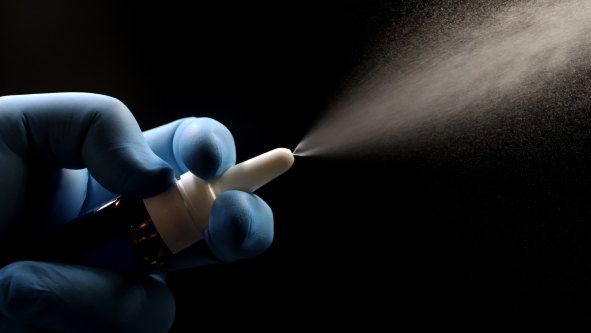
The first product developed by Intercept Bio comes in the form of a nasal spray. This method of administration follows a simple logic: to act locally, where many respiratory viruses begin their progression in the body. Easy to use, non-invasive, and designed for preventive use, this spray could be a particularly relevant solution for people at highest risk of complications, especially patients with chronic respiratory conditions. 

“This spray could be an alternative to the vaccine for immunocompromised individuals. It would help prevent respiratory illnesses, the flu, or other infections by applying it before entering confined spaces, such as public transportation. It could also be used by an infected person to limit the risk of transmitting the virus to those around them,” explains David Alsteens of UCLouvain’s WEL Research Institute. 

By reducing the risk of infection or exacerbation of severe respiratory illnesses, a preventive solution like this spray could help limit complications, hospitalizations, and pressure on the healthcare system.
illu-spray-nasal-spin-off-intercept-bio

A fruitful interuniversity collaboration

In 2020, as soon as the coronavirus pandemic began, David Alsteens (UCLouvain, WEL Research Institute) used his state-of-the-art atomic force microscopy platform—unique in Belgium for its ability to study interactions between pathogens and cells—to investigate how COVID-19 attaches to our cells. Very quickly, the UCLouvain-WEL Research Institute team discovered the importance of certain sialic acids on the surface of our cells in allowing the virus to attach to them. Sialic acids, which are sugar residues, act like tiny locks to which the virus binds via its surface proteins before entering the host cell. 

In an effort to block this interaction—and thus prevent the virus from infecting cells— David Alsteens turned to Professor Stéphane Vincent of the Bio-Organic Chemistry Laboratory at UNamur, who specializes in organic chemistry, glycosciences, biocatalysis, and mechanistic enzymology. His team designs and synthesizes complex molecules capable of interacting with biological targets, particularly in contexts related to infections. Vincent then produced a molecule flanked by sialic acids—the famous decoy molecule—which saturates the virus and prevents it from binding to its host cells. Subsequent tests on mice proved effective in 80% of cases. Within the Intercept Bio framework, this contribution was instrumental in designing, producing, and optimizing the molecules that form the basis of the technology platform.

Intercept Bio also illustrates the power of inter-university collaboration. The project arose from the complementary nature of two high-level scientific areas of expertise: on the one hand, UNamur’s ability to design and synthesize innovative molecules inspired by glycoscience; and, on the other hand, the expertise of UCLouvain-WEL Research Institute in observing, measuring, and understanding, at the nanoscale, the interactions between viruses, molecules, and cells. This collaboration has made it possible to move from a scientific intuition to a protected technology, validated in preclinical trials and now moving toward industrial development.

From the Lab to the Spin-off

The creation of Intercept Bio is part of a commercialization initiative jointly led by UNamur and UCLouvain, with support from the WEL Research Institute, UNamur Venture, and Sopartec—a member of Louvain-Transfer, UCLouvain’s research commercialization organization. These organizations have supported the project’s development, structuring, initial funding, and governance, working alongside the founding researchers and the management team, thereby enabling the transition from basic research to a concrete application for society. Serge Pampfer, a seasoned figure in the Belgian biotech ecosystem, is leading the new organization as CEO.
intercept-bio-logos-partenaires

The research and funding that made the development of this solution possible, as well as the filing of the related patents, were supported by several funding initiatives and programs: the two ERC grants, support from the WEL Research Institute and the Louvain Foundation, obtained by David Alsteens of UCLouvain; as well as the EOS (interuniversity) program, the FNRS, and the Marie Curie ITN network, which funded a Ph.D. position in Stéphane Vincent’s team. The ITN, funded under the FP7 Marie Curie Doctoral Network program, made it possible to establish the initial methodology developed for Ebola, which contributed to the scientific advances that led to this technology. The company’s mission will be to continue the preclinical and clinical development phases, secure the necessary funding for the upcoming regulatory phases, and ultimately prepare for the market launch of innovative solutions designed to prevent viral respiratory infections. Beyond this first product, Intercept Bio aims to gradually develop a portfolio of products based on the same technological platform.

All news

Agenda

14
2026

10 Years of the NISM Institute

Event
18
2026

2nd Symposium on Protein Disorder, Interactions, and Dynamics (PDID)

Congress / Colloquium / Conference

2nd Symposium on Protein Disorder, Interactions, and Dynamics (PDID)

Training
18
2026 08:30 - 18:00
Université de Namur, Auditoire Pedro Arrupe (PA02) - Rue Joseph Grafé 2 (Faculté des Sciences) / rue Grangagnage, Sentier Thomas - 5000 Namur

Following a successful first edition that notably brought together leading figures known for discovering and conceptualizing intrinsically disordered proteins—Drs. Vladimir N. Uversky, Peter Tompa, and Sonia Longhi—we are pleased to announce that the second edition of the One-Day Symposium on Protein Disorder, Interactions, and Dynamics (PDID 2026) will be held on Friday, December 18, 2026, at the University of Namur (UNamur) in Namur, Belgium.
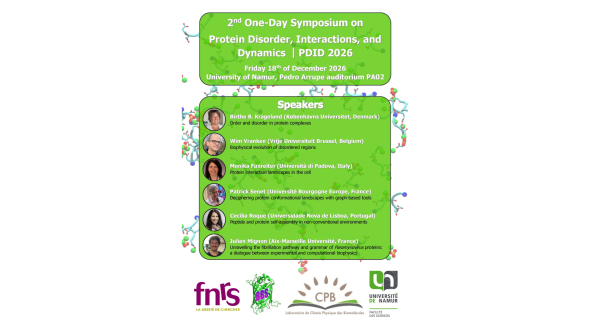
PDID 2026 - poster

The PDID symposium is finally back in 2026!

Organized every two years by the Belgian Biophysical Society (BBS) and the Laboratoire de Chimie Physique des Biomolécules (CPB), the PDID symposium is an intimate and friendly event for exchanging new ideas and meeting leading experts in the field in the quintessentially Belgian city of Namur, the capital of Wallonia, located at the confluence of the Meuse and Sambre rivers.

We welcome participants from any scientific background who are particularly interested in delving into the world of biomolecular dynamics and exploring their unique behaviors, including structural transitions, interaction networks, protein-ligand interactions, self-assembly, amyloid fibrillation, condensation, phase separation, and phase transitions. Through the lens of biophysics, biochemistry, bioinformatics, and molecular biology, the program aims to cover both experimental and computational approaches for characterizing such intricate and elusive systems in health-related, biotechnological, and biomaterial contexts.

All events

Management

Carmela APRILE

Department Manager

Annick Bonmariage

Secretary