Département de mathématique

2025 - "Scientific Excellence" Category - Edouard Bomans
Title: Visualizing Complex Data: Rethinking the Distribution Law of the t-SNE Method
Advisor: Anne-Sophie Libert
Co-advisor: Benoît Frenay
Abstract:
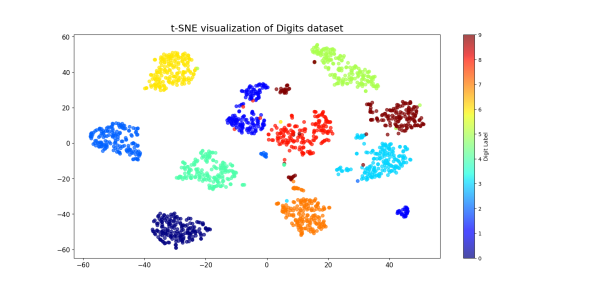
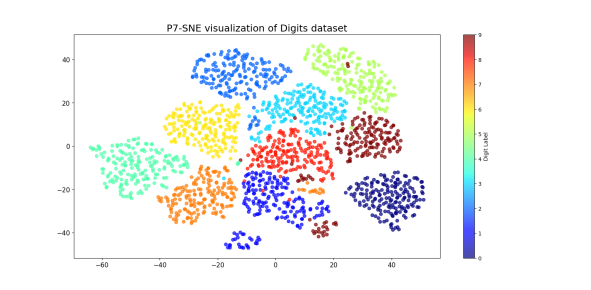
As part of my research thesis, I chose to challenge a hypothesis that is rarely questioned in the scientific literature: the systematic use of Student’s t-distribution in the t-SNE algorithm, a method that is now indispensable for visualizing complex data. The objective of my work was to reevaluate this fundamental choice, both theoretically and empirically, by questioning its validity and exploring alternatives that may be better suited to certain data structures.
To this end, I proposed replacing the t-distribution with three other distributions with contrasting properties: the log-normal, the Pearson Type VII, and the Weibull distributions. These choices are not arbitrary: each one modifies the attractive and repulsive forces in the projected space differently, which directly affects the quality of the resulting visualization. I evaluated these modifications using three complementary metrics on three well-known datasets: Iris, Digits, and a subsample of MNIST. The results showed that certain alternative parameterizations outperformed the classic version of t-SNE according to several quantitative criteria. However, this work also highlighted a frequent discrepancy between measured performance and perceived visual quality, underscoring the intrinsic complexity of evaluation in visualization.
Another contribution of this thesis lies in the detailed analysis of the underlying mechanisms of these methods. By modeling their radius of influence, I demonstrated that the classical version of t-SNE acts very locally, whereas alternative distributions induce more global interactions. This structural difference could explain certain observed variations in behavior, although a rigorous link between these forces and performance has yet to be established.
2024 - "Scientific Excellence" Category: Cyriac Delie
Title: Modeling Dynamic Systems Using Latent Differential Equations
Advisor: Annick Sartenaer
Co-advisor: Noémie Vlaminck (Cenaero)
Advisor: Cédric Simal
Abstract:
Time series modeling is a recurring challenge in many fields, such as industrial optimization and epidemiology. In this work, conducted in collaboration with Cenaero and Carmeuse Technologies, we investigate the ability of the latent differential equation (LDE) model to reconstruct a dynamic system based on time series. The goal is to provide a coherent model that satisfies certain properties, namely those of dynamic systems. The LDM combines a neural differential equation—which provides the expected “dynamic” consistency—with elements from generative models, which offer the flexibility often needed to address the modeling problem. While EDL can achieve adequate modeling, it appears, however, that the model is sensitive to the relative strengths of its two components. A generative component that is too powerful could override the dynamic component, thereby undermining the model’s coherence, whereas too little power could completely hinder its operation. It follows that EDL should be improved in this regard by constraining the dynamic component without directly limiting its power. One solution could be to add a regularization term to the model’s training criterion, in order to ensure the preservation of topological properties within the model.

2023 - "Scientific Excellence" Category: Marie Dorchain
Title: Turing Patterns on Lattices: A Study of Directed and Degenerate Cases
Advisor: Timoteo Carletti
Co-advisor: Riccardo Muolo
Abstract:
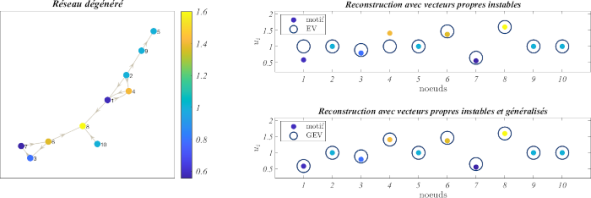
Patterns are an integral part of our surroundings; they can be found, for example, on the skin of animals, on seashells, or in the spatial distribution of the products of a chemical reaction. One of the most widely accepted theories to explain the emergence of these patterns is undoubtedly Turing’s. In 1952, Alan Turing studied a reaction-diffusion system—that is, a system in which two species interact and diffuse throughout the domain; he hypothesized that such a system possesses a stable equilibrium and that, once perturbed, under certain conditions, the system can reach a new inhomogeneous state, known as a Turing pattern. Although this theory was initially studied for a continuous domain, it was subsequently extended to discrete domains, which can be modeled using networks. Several types of networks were then considered: first, undirected networks; then, directed and non-normal networks.
This thesis therefore reviews the necessary foundations of Turing theory and reproduces the results established for networks. We then go beyond the framework already studied in the literature and consider degenerate networks, whose Laplacian matrix lacks the eigenvector basis required by the theory. We then introduce a new formalism that allows for the study of Turing theory in this context. In a second step, we also focus on the reconstruction of patterns. Indeed, while it has already been established that the pattern can be explained using the eigenvectors of the Laplacian matrix associated with unstable eigenvalues, we are specifically interested in the effect of generalized eigenvectors on the reconstruction of the pattern.
2022 - "Science Communication" Category: François-Grégoire Biewart
Title: Study of a Numerical Method for Approximating the Attraction Basin of Nonlinear Dynamical Systems Using the Koopman Operator
Advisor: Alexandre Mauroy
Abstract:
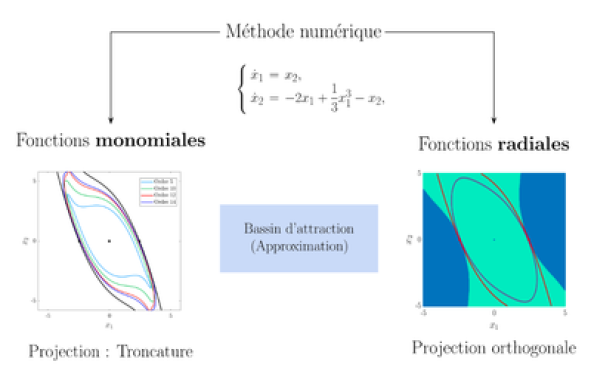
In the theory of nonlinear dynamical systems, the study of the global stability of fixed points is far from straightforward. Indeed, the stability of such attractors generally requires determining a specific Lyapunov function from an infinite number of possible choices, which can become quite tedious. This observation thus motivates a functional approach to dynamical systems via the Koopman operator. In this context, the stability of fixed points relies on the existence of specific eigenfunctions of the operator whose support delimits the boundaries of the attractor basin of the equilibrium. Since this operator is of infinite dimension, the analytical calculation of its eigenfunctions is unfortunately not trivial, and we generally must determine an approximation of them on a finite subspace generated by certain basis functions. In this case, the approximation of the eigenfunctions is obtained by calculating the eigenvectors of the matrix representation of the operator projected onto the chosen basis. A natural basis, frequently used in the literature, is that of monomials, for which it is possible to characterize the approximation error between the exact and estimated eigenfunctions.
In this thesis, we investigate in particular the impact of the projection and the choice of basis on the approximation of the attractor basin. To do so, we develop a general numerical method, which we apply using radial and monomial basis functions to various systems, notably in three dimensions. We show that the use of these functions provides a good estimate of the attractor basin, particularly for radial basis functions that had not yet been considered in this context. At the same time, we also address certain theoretical questions arising from this study, which in particular allows us to obtain rigorous stability guarantees, despite the approximations made.
2022 - "Scientific Excellence" Category: Gaetan Louvet
Title: Robustness: The Influence of Scatter Half-Space Depth and the Graphical Lasso
Advisor: Germain Van Bever
Abstract:
When we receive a dataset to analyze, outliers may appear, thereby affecting the statistical methods used. There are various tools available to assess the robustness of procedures—that is, their sensitivity when the data is contaminated. This thesis focuses on the robustness of several statistical methods. In the first chapter, we begin by defining various tools for assessing robustness. Next, we introduce the best-known and most widely used robust estimators of position and dispersion. In the second chapter, we examine depth functions, which quantify the centrality of a value with respect to a given parameter. In particular, we discuss the position and scatter half-space depth functions. After introducing these various concepts, we derive the influence function of the scatter depth. We begin by assuming that the position estimator on which the scatter depth function depends is known and fixed. We then consider the case where the distribution is discrete with finite support, and we conclude by providing bounds for the influence function when the distribution is absolutely continuous with respect to the Lebesgue measure.
2021 - "Science Communication" Category: Célestine Hiernaux
Title: Podcasts on Linear Combinations: Illustrating the Unifying Nature of Linear Algebra… and Much More!
Advisor: Martine De Vleeschouwer
Abstract:
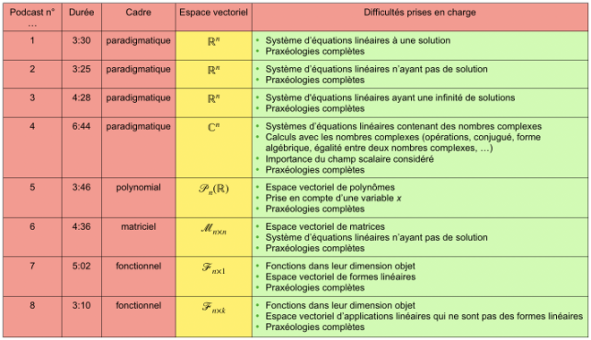
The unifying nature of linear algebra is not easily grasped by students new to the field. As part of this thesis, we have developed a teaching tool consisting of a series of podcasts that illustrate the algebraic concept of linear combinations. This concept is basic enough that beginners can apply it to different vector spaces in a step-by-step manner, thereby highlighting its unifying nature. The specific challenges of teaching and learning linear algebra—such as the barrier posed by formalism—compound the difficulties already identified in the literature. Some of these are addressed progressively by the program, such as the difficulties in solving and interpreting systems of linear equations, working with complex numbers, and viewing functions as mathematical “objects”—as elements of an algebraic structure. Justifying any technique used through theoretical discourse also often poses a problem for students during the transition from high school to college. All the podcasts therefore highlight the importance of theory and mathematical rigor in exercises to facilitate learning in the field of linear algebra. This process of establishing connections between theory and exercises is often carried out independently by students. The podcasts, which would serve as a supplement to lectures, could be helpful to them. The program was tested with students new to linear algebra, and surveys were sent to them. Institutional constraints related to the program’s implementation and health-related constraints due to COVID-19 prevented a meaningful analysis of the survey results. We also distributed a survey to the teaching assistants and instructional staff leading the exercise sessions for this test group. The responses we collected allowed us to gather positive feedback on the project described in this thesis, draw conclusions, and identify areas for improvement and potential future directions.
The project in video:
1. Linear Combinations in R^n - Video 1
2. Linear Combinations in R^n - Video 2
3. Linear Combinations in R^n - Video 3
4. Linear Combinations in C^n
5. Linear Combinations in Polynomials
6. Linear Combinations in Matrices
7. Linear Combinations in Applications - Video
1 8. Linear Combinations in Applications - Video 2
2021 - "Scientific Excellence" Category: Martin Baptiste
Title: Galois Theory Today.
Advisor: Alexandre Mauroy
Abstract:
Galois theory in its modern form is often summarized by two theorems that have had a considerable influence on how problems in algebra are approached. The first is the Galois correspondence; the second is the necessary and sufficient condition for the solvability of a polynomial equation by radicals. Motivated by the power and depth of these theorems, mathematicians have sought to generalize and apply them to other branches of mathematics. Thus, while the best-known applications of this theory may seem somewhat outdated, today we find a remarkable diversity of new Galois correspondences offering a myriad of solutions—as well as open problems—for geometers of our time.
This thesis is therefore intended more as a non-exhaustive summary of the various topics in which Galois theory plays a role than as a truly rigorous presentation of the entire theory. The first chapter is devoted to classical Galois theory—that developed by Galois—but in its modern form. This chapter is more comprehensive than the subsequent chapters because it serves as the foundation for all that follow. The goal is to provide a simpler presentation than what is typically found in textbooks or well-known courses on this theory and to demystify certain points for beginners. Thus, I hope to present an approach that I wish I had read when I first encountered Galois theory. The second chapter addresses infinite Galois theory, an initial extension of classical Galois theory to algebraic extensions of infinite degree. Although this theory is important, it is rarely covered in books on Galois theory, and the goal of this section is to combine the somewhat abstract theory with fairly concrete examples. The third chapter highlights the connections between the arithmetic of extensions of the field of rational numbers and the associated Galois group. This chapter explains how Galois theory naturally applies to a theory older than itself: number theory. The fourth chapter briefly introduces differential Galois theory. This theory shares many analogies with the first chapter, but the main focus of this section is the linear differential equation. The fifth chapter focuses on the Galois theory of coverings, a theory that shows there is a Galois correspondence between coverings and subgroups of the fundamental group of the underlying topological space.

2020 - "Science Communication" and "Scientific Excellence" Categories: Judicaël Mohet
Title: Moving-Average Estimation of the State of a Linear Convection-Diffusion-Reaction System.
Advisor: Joseph Winkin & Supervisor: Anthony Hastir
Abstract:
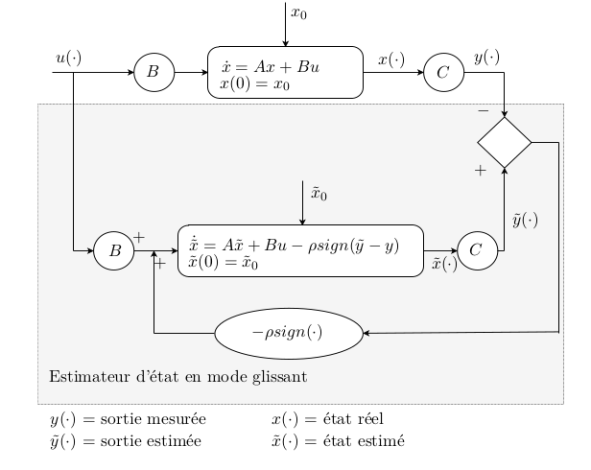
State estimation in infinite-dimensional spaces remains a significant challenge to this day. The principle involves approximating the state trajectories of a dynamic system based on its input and output. In the case of an infinite-dimensional state space, it is also necessary to demonstrate the well-posedness of both the system and the estimator. A robust estimation method involves applying a discontinuous input to the error dynamics, which allows the trajectories to be confined within what is known as a sliding surface. This technique is known as sliding-mode estimation, and its greatest advantage is its ability to compensate for bounded disturbances acting on the system. In this thesis, such an estimator is applied in finite and infinite dimensions to a linear convection-diffusion-reaction model subject to a bounded disturbance. This model describes the behavior of various industrial processes, such as chemical or biochemical reactors. Using a functional approach, the well-posedness of the estimator is established by demonstrating the generation of a strongly continuous and compact semigroup on the Sobolev space H1(0,1). Next, stability is proven using Lyapunov theory. Finally, a comparison of the estimator’s performance in finite and infinite dimensions is carried out using numerical simulations.
2019 - "Science Communication" Category: Hugo Henris
Title: Formation of a multi-cable satellite system with satellite companions moving along Lissajous curves.
Advisor: Anne Lemaître
Abstract:
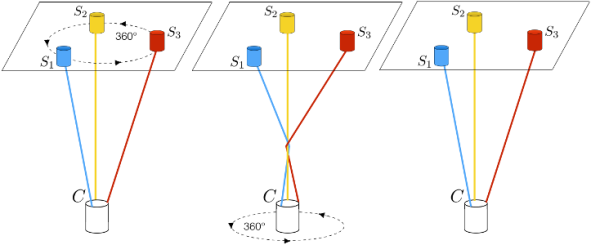
In atmospheric and geodetic plasma physics, multipoint measurements are increasingly necessary. This is even more true in the context of space interferometry, where simultaneous measurements can be taken using a set of probes connected by cables aligned along the local vertical. To minimize fuel consumption, a design was devised to connect these satellite pairs—each equipped with sensors—to a single satellite (rather than to each other) via cables. Since rotation and gravitational force alone are insufficient, the satellite satellites are nevertheless equipped with low-thrust engines to keep the cables taut between the satellites. These engines help stabilize the desired dynamics of the system. In this thesis, the complete modeling of the equations of motion for such a system is first detailed. One possible equilibrium is also presented, along with the effects of small deviations from it. A theoretical and numerical analysis of the satellites’ motion along Lissajous curves is also provided. The possibility of cable entanglement is, of course, present, increasing the risk of collisions and the complexity of deploying such a system. This thesis therefore contains an in-depth study of this risk. First, by distinguishing between two different types of entanglement (weak and strong), and then by identifying which configurations are more prone to risk than others using proven theorems. A series of combinations of the number of satellite pairs and parameter values that result in severe entanglements is then ruled out. Finally, a brief discussion of the effects of nonlinearity in the motion of the satellite pairs along Lissajous curves—which is assumed to be unstable—is presented.
Image source: H. Henris, Formation of a multi-cable satellite system with satellite pairs moving along Lissajous curves, University of Namur, June 2019
2019 - "Scientific Excellence" Category: Alice Bellière
Title: Application of Graph Limit Theory to Reaction-Diffusion Network Dynamics and Turing Instability.
Advisor: Timotéo Carletti & Supervisor: Julien Petit
Abstract:
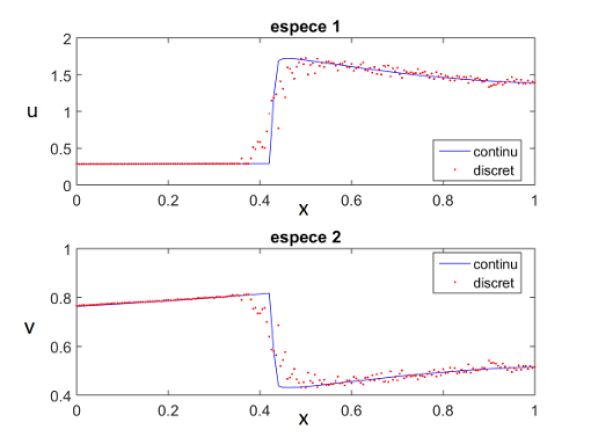
Studying a network and the dynamics operating within it is of great interest, since processes encountered in nature or technology can often be modeled using a network. However, the complexity of such networks, which are becoming increasingly large, still prevents us from obtaining certain answers. Our research is grounded in graphon theory, which defines a limit object that preserves the network’s structure. We apply this theory to reaction-diffusion dynamics, including cases of Turing instability, where the stable equilibrium of the reaction is unstable for the reaction-diffusion system. We show that the solution on the network converges to that defined via a graphon, offering us an alternative to modeling the dynamics on a very large graph. We applied the study of the convergence of the lattice solution to that via a graphon to the case of a single species and then to two interacting species following the Brusselator model (see the figure below for an example). Since this graphon-based approach saves memory and execution time, it makes it easier, among other things, to identify Turing patterns. Another advantage of the graphon is the relatively straightforward determination of the stability and eigen structure of the corresponding graphon operator. Since this operator is the infinite-dimensional analog of the Laplacian matrix of the graph, it allows us to avoid studying the eigenvalue structure of a high-dimensional matrix.
Image source: A. Bellière, “Application of Graph Limit Theory to Reaction-Diffusion Network Dynamical Systems and Turing Instability,” University of Namur, June 2019
2018: Anthony Hastir
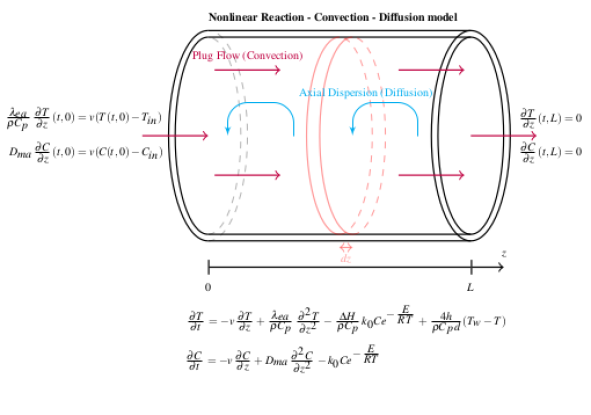
Title: Dynamical Analysis of a Non-Isothermal Axial Dispersion Reactor.
Advisor: J. Winkin
Abstract:
Designing a control law to stabilize the temperature and concentration of chemical components during a reaction in a non-isothermal tubular reactor with axial dispersion remains a challenge in the field of process engineering. Preliminary steps such as verifying the well-posedness of the problem, stability analysis, and equilibrium analysis of such a chemical reactor are therefore crucial. In this thesis, these various steps are developed for a reaction of the type A → B, where A represents the reactant and B the product. This type of system with distributed parameters is governed by partial differential equations known as reaction-convection-diffusion equations, which include a nonlinear term. We first show that the system under study is well-posed using, in particular, the theory of linear and nonlinear semigroups. Next, we prove the exponential stability of the linear part. The following step involves analyzing the equilibria, which revolves around two specific numbers: the mass Peclet number and the thermal Peclet number. Existing analyses are extended to the case where these two numbers are different. The main result obtained is that the reactor can exhibit one or three equilibria, depending in particular on the diffusion coefficient. Furthermore, approximate analytical forms of the equilibrium profiles are calculated explicitly using perturbation theory. The final section of this thesis addresses the stability of the equilibrium profiles. A model linearized around the various equilibria is constructed, and its well-posedness is demonstrated. With regard to the stability analysis, various approaches are implemented. In particular, a numerical method known as the Galerkin residual method is developed for equal Peclet numbers and extended to different Peclet numbers. All analyses and results obtained are supported by numerical simulations.
Image source: A. Hastir, “Dynamical Analysis of a Nonisothermal Axial Dispersion Reactor,” University of Namur, June 2018
2017 - Arnaud Roisin
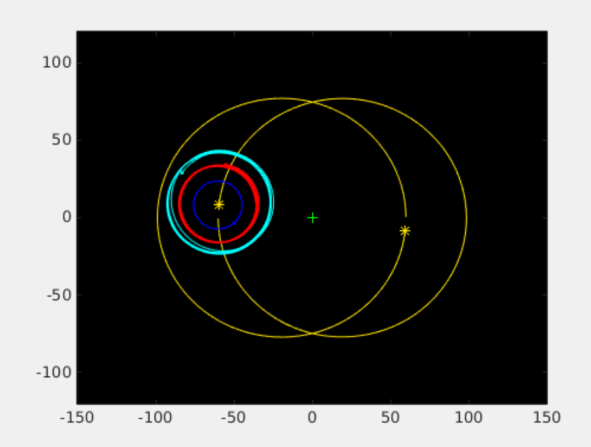
Title: Development of a Symplectic Integrator for Binary Systems. Application to the Formation of Giant Planet Systems.
Advisor: A.-S. Libert
Abstract:
Currently, scientists estimate that more than half of all stellar systems are multiple. Exoplanets have already been detected in about sixty of these systems. In this thesis, we have developed a symplectic integrator that calculates the evolution of binary systems hosting S-type planets, i.e., planets orbiting one of the two stars. The advantage of such integrators is that, based on the Hamiltonian structure of the evolution equations, they limit energy loss even with a large integration step size. Adapting the existing SyMBA code to binary systems required the introduction of a suitable coordinate system, as well as a different decomposition of the Hamiltonian. Our code is also adapted to the problem of close encounters between planets and to that of close encounters between planets and the central body. We then addressed the issue of migration in giant planet systems within binary systems. The code was modified to simulate Type II migration of giant planets and to study the influence of a distant binary companion on the final configurations of the bodies. To do this, we studied the evolution of more than 1,300 simulations. We focused, in particular, on the influence of the binary companion’s initial parameters on the migration process.
Image source: A. Roisin, “Development of a Symplectic Integrator for Binary Systems: Application to the Formation of Giant Planet Systems,” University of Namur, June 2017
2016: Elodie Mal & François Staelens
Elodie Mal
Title: Study of Various Mathematical Formalisms in Symplectic Geometry and Design of a Teaching Program.
Advisor: A.-S. Libert
Abstract:
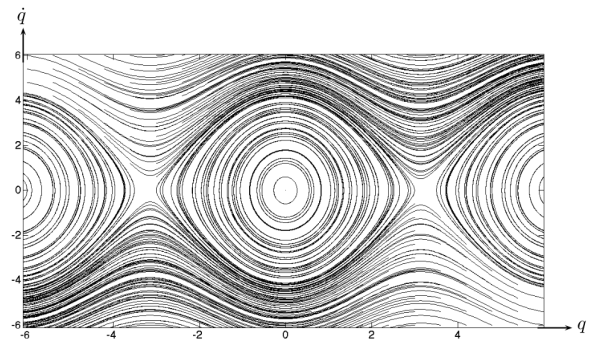
Symplectic geometry is a branch of mathematics that studies differentiable manifolds equipped with a closed, non-degenerate 2-form. It is ideally suited to the study of phase spaces of conservative systems and can be approached through three mathematical formalisms: dynamical systems, algebra, and differential geometry. The Symplectic Geometry course SMATB307, taught in the Bachelor’s program in Mathematical Sciences at the University of Namur, focuses on dynamical systems. The question of whether it would be appropriate to offer a course more focused on differential geometry naturally arises and is the subject of this thesis. On the one hand, this thesis presents a theoretical study of symplectic geometry within the various formalisms. Equivalent concepts in the dynamical, algebraic, and differential formalisms are highlighted to reveal the interconnection between the different approaches. On the other hand, a course based on the differential formalism is designed. This course was offered to mathematics students during the 2015–2016 academic year, and their feedback on the content of the course was analyzed via a questionnaire. This thesis was written with a constant focus on pedagogy.
Image source: F. Staelens, Study of Hilbert Varieties and Their Application to Quantum Mechanics, University of Namur, June 2016
François Staelens
Title: Study of Hilbert Varieties and Their Application to Quantum Mechanics.
Advisor: A. Füzfa
Abstract:
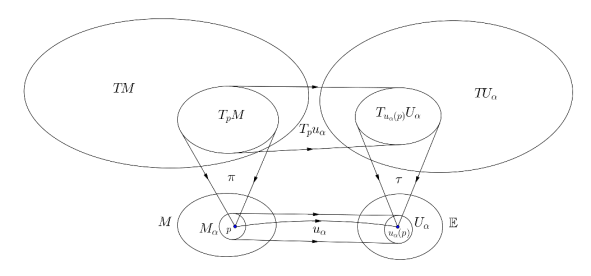
Differential geometry in infinite dimensions is generally not taught in university courses, yet it is thoroughly developed from a theoretical and global perspective. However, the local framework and tensor calculus seem to have been sidelined in favor of global results. Hilbert manifolds—manifolds whose representation space is a separable Hilbert space—seem, however, to have the potential to play a role in theoretical physics. Quantum mechanics indeed uses Hilbert spaces, whereas general relativity is built on Riemannian geometry. This motivates the study of Hilbertian manifolds carried out in this thesis. A detailed presentation of the general concepts of differential geometry in infinite dimensions is provided. Furthermore, this work focuses closely on local notation and tensor calculus. Most of the tensor formulas used in differential and Riemannian geometry are developed in the Hilbertian case. Finally, an attempt at application to quantum mechanics is presented. This attempt highlights a fundamental problem: quantum mechanics is profoundly linear, whereas differential geometry is, by nature, nonlinear. This thesis is both a literature review and an exploratory study.
Image source: F. Staelens, Study of Hilbert Varieties and Application to Quantum Mechanics, University of Namur, June 2016
2015: François Lamoline
Title: Analysis and LQ-Optimal Control of Ported Hamiltonian Systems.
Advisor: J. Winkin
Abstract:
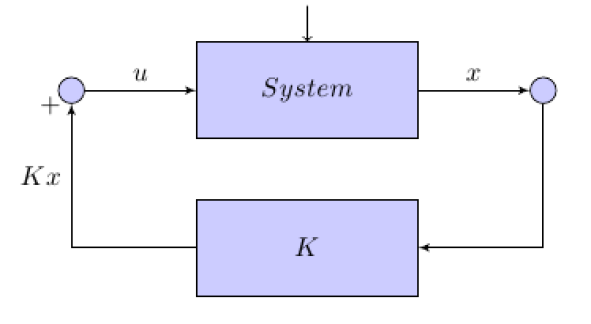
In this thesis, we focus on ported Hamiltonian systems in infinite dimensions. This ported Hamiltonian approach allows us to consider a wide range of problems involving control at the boundaries of the spatial domain. The primary advantage of this ported Hamiltonian formulation lies in the structure of the resulting mathematical model. This structure enables us to develop a more appropriate analysis than the semigroup approach, which, while applicable to any infinite-dimensional dynamical system, can be difficult to implement in certain cases.
Ported Hamiltonian systems are dynamical systems in which the inputs act at the boundaries of the spatial domain. The outputs are also measured at the boundaries. We will show that it is possible to characterize the inputs and outputs using matrices. These matrices will be used to study properties of this class of systems, such as the existence and uniqueness of a solution, stability, and the determination of the equilibrium equation. We will also show that the class of ported Hamiltonian systems is a subclass of Riesz spectral systems. Finally, we will study the linear-quadratic control of a ported Hamiltonian system. Throughout this thesis, we apply the presented theory to the example of a vibrating string.
Image source: F. Lamoline, “Analysis and linear-quadratic optimal control of port-Hamiltonian systems,” report naXys-10-2015, University of Namur, August 2015
2014: Gwendoline Planchon & Manon Bataille
Gwendoline Planchon
Title: Pattern Formation in Biological Models.
Advisor: T. Carletti
Abstract:
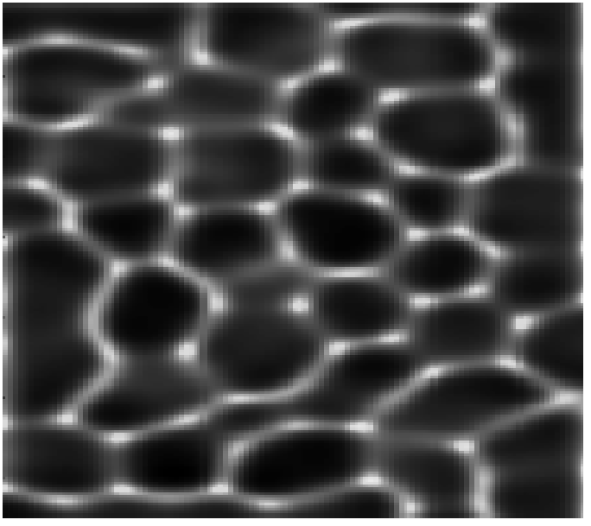
Many patterns are found in nature and have prompted researchers to attempt to model pigmentation. The models used in this work involve systems of partial differential equations that include the reaction-diffusion-advection process. Certain conditions allowing for pattern formation were established by Alan Turing in 1952 and have since been referred to as Turing instabilities. In this thesis, we study the dynamics of reaction-diffusion-advection in continuous domains and then in networks (diffusion in d-dimensional lattices along d independent directions and diffusion in multiplexes), and we determine the conditions that must be imposed on the set of parameters for Turing instabilities to occur. We highlight the important role of domain discretization in whether or not spatially heterogeneous patterns develop. We have also determined the set of bifurcation points yielding three different types of patterns (stripes, rectangles, and hexagons) for a given model. Finally, we show that coupling the levels of a multiplex can generate Turing instabilities that are not permitted in any of the layers considered separately.
Source: G. Planchon, Pattern Formation in Biological Models, University of Namur, June 2014
Manon Bataille
Title: The Importance of Relativistic and Tidal Effects in Binary Systems.
Co-advisors: A. Lemaître & A.-S. Libert
Abstract:
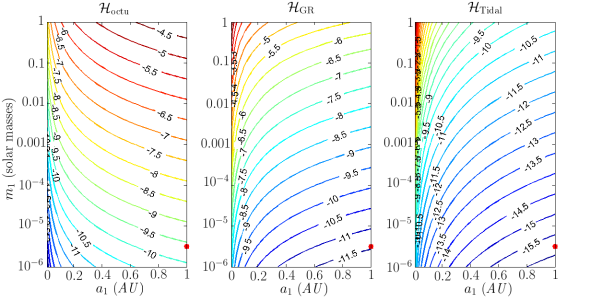
Binary star systems account for more than half of the stellar population. Recent observations have shown that some of them host an exoplanet. In this work, the long-term evolution of binary systems with a planetary or stellar companion is analyzed using the octupole analytical expansion, to which relativistic and tidal effects (non-point masses) are added.
This approach accurately describes the dynamics of hierarchical triple systems, regardless of the masses of the various bodies. The objective of this study is to determine the significance of these two corrections in the dynamics of the systems. In particular, charts estimating the orders of magnitude of each Hamiltonian contribution are developed for a wide range of masses and semi-major axes of the second body, in the case of conservative effects. The question of binary system formation is also addressed, with a view to understanding the accumulation of planetary companions with short periods (between 1 and 10 days). A statistical study of the secular evolution of non-coplanar systems is conducted, taking into account both the orbital evolution and the spins of the bodies. It follows that the combination of the Kozai mechanism and dissipative tides is responsible for the migration of planets toward short periods.
Image source: M. Bataille, “Importance of Relativistic and Tidal Effects in Binary Systems,” University of Namur, June 2014
2013 - Virginie Marelli
Title: Matching on School Choice: Theory and Algorithms.
Advisor: T. Carletti, Co-advisor: G. Aldashev
Abstract:
In this thesis, we apply genetic algorithms to matching problems. First, we review the entire theory of matching, from both an economic and an algorithmic perspective. We analyze three matching problems: the simple case of one-to-one matching (or marriage); unconstrained many-to-one matching; and many-to-one matching with constraints. Next, we briefly describe genetic algorithms, how they work, and their adaptations. We apply them to a simple matching problem—the marriage problem—to test them. Next, we apply them to a real-world case of student allocation in Belgian schools. This problem is subject to constraints imposed by the “missions” decree. This case of many-to-one matching with constraints and indifference has not yet been addressed in the existing literature, and genetic algorithms yield good results. Finally, we apply genetic algorithms to another matching problem: coalition formation. In this case as well, these algorithms prove to be useful.
Image source: V. Marelli, “Matching on School Choice: Theory and Algorithms,” University of Namur, June 2013
2012 - Estelle Collard
Title: Quantum Mechanics: A Study of the Schrödinger-Newton Equations.
Advisor: A. FÜZFA
Abstract:
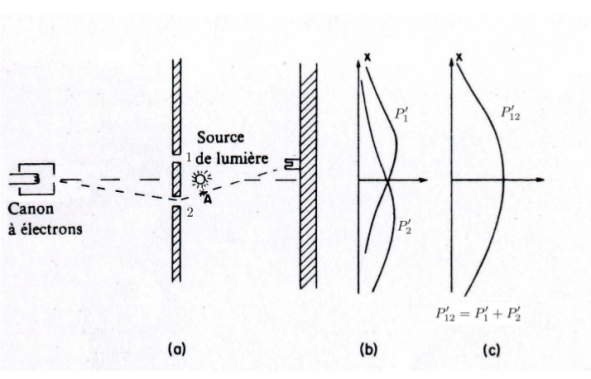
This thesis is a study of the Schrödinger-Newton (SN) equations in the case of two particles. These SN equations were initially introduced by Penrose to replace the traditional Schrödinger equation and explain the decoherence of the wave function at macroscopic scales. Penrose added gravitational self-interactions to the quantum systems, using a Poisson equation, to force this decoherence.
Several studies have already examined the solutions to the SN equations, but always in the case of a single particle. Some of their numerical results are reproduced in this thesis for the case of spherical symmetry. They show that there is a discrete infinity of stationary solutions associated with increasingly higher energies. The fundamental solution has the lowest energy and no zeros. Other papers have shown that this fundamental state is the only stable solution. In general, the nth solution has n zeros and a higher energy.
In this thesis, the influence of mass has been studied and appears to confirm Penrose’s hypothesis that the SN equations form a link between the quantum and macroscopic worlds. Indeed, the ground state, scaled according to mass, shows that heavy objects are extremely well localized, whereas quantum particles turn out to be delocalized. The transition between the quantum and macroscopic worlds occurs at masses on the order of 10⁻¹⁸ kg.
A study involving two particles has been initiated in this thesis, although the formulation of the SN equations for multiple particles is subject to debate. Two expressions are therefore studied here. The first, proposed specifically for this thesis, is inspired by the center-of-mass decomposition of the Schrödinger equation, to which self-interactions are added. The second expression stems from the formulation of the Schrödinger equations proposed by Diosi; this formulation has never been studied numerically for multiple particles. Both approaches were considered in the case of spherical symmetry. Various stationary solutions were found, corresponding to increasingly higher energies; the solution with the lowest energy was again the state with similar order of magnitude, although Diosi’s expression yields a lower energy and a more localized state.
Finally, a study of the system with angular momentum was undertaken.
Image sources: R. Feynman, R. Leighton and M. Sands, Quantum Mechanics, InterEditions, Paris, 1992
; E. Collard, Quantum Mechanics: A Study of the Schrödinger-Newton Equations, University of Namur, June 2012
2011 - Romain Hendrickx
Title: Genetic Algorithms: Theory and Applications.
Advisor: T. Carletti
Abstract:
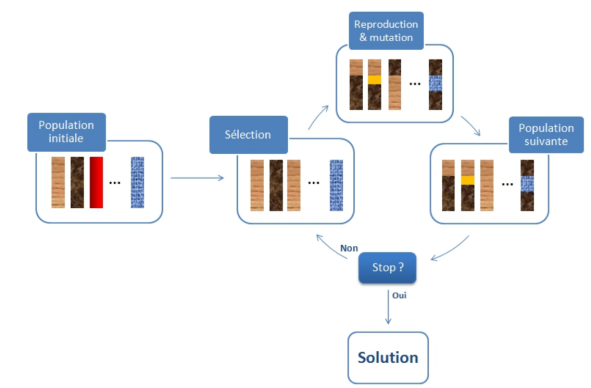
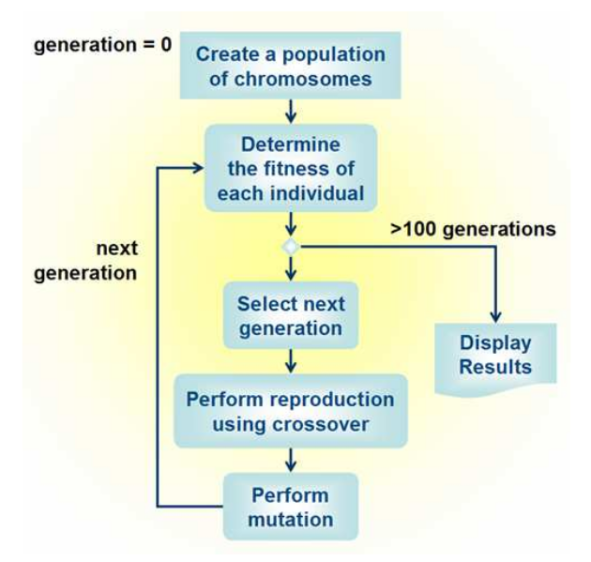
Genetic algorithms (GAs) are meta-heuristic methods for solving combinatorial optimization problems, whose operation is inspired by the evolutionary process described by Darwin.
The general idea is to draw a parallel between the feasible solutions to the optimization problem and a set of individuals evolving in an abstract world, in which their fitness is described by the objective function, such that the higher the objective function value, the more “fit” the individuals are to their environment. Thus, starting from a given initial population and simulating an evolutionary process based on the alternation of variation operators—which allow the exploration of the space of feasible solutions—and a selection operator—which ensures that only the best individuals (i.e., those with the highest fitness), genetic algorithms make it possible to obtain, over successive generations, a set of individuals that are increasingly “adapted to their environment,” and thus, by design, have an objective value that is increasingly close to the optimal solution.
The purpose of this thesis is to provide an overview of how GAs generally work. The first part of the thesis is devoted to an introduction to the general structure of GAs, including the most common specifications for mutation and selection operators (Chapters 1 and 2), as well as a theoretical justification for their use (Chapter 3). The second part of the thesis is devoted to the application of GAs to certain combinatorial optimization problems. For example, we study the optimal strategy problem for a robot tasked with cleaning a surface covered with empty cans (known as “Robby, the Soda-Can-Collecting Robot,” Chapter 4). We also consider the robust optimization of event-based experiments in the context of functional magnetic resonance imaging (conducted as part of the Master’s 2 internship, Chapter 5).
Image source: R. Hendrickx, Genetic Algorithms: Theory and Applications, University of Namur, June 2011