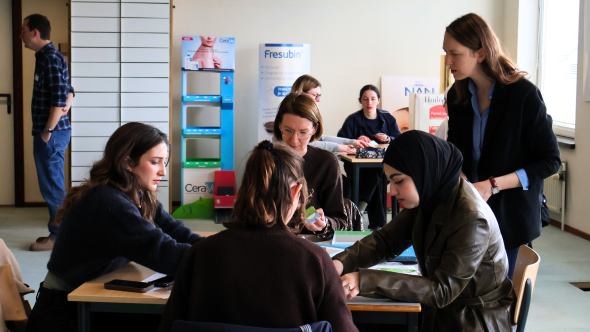
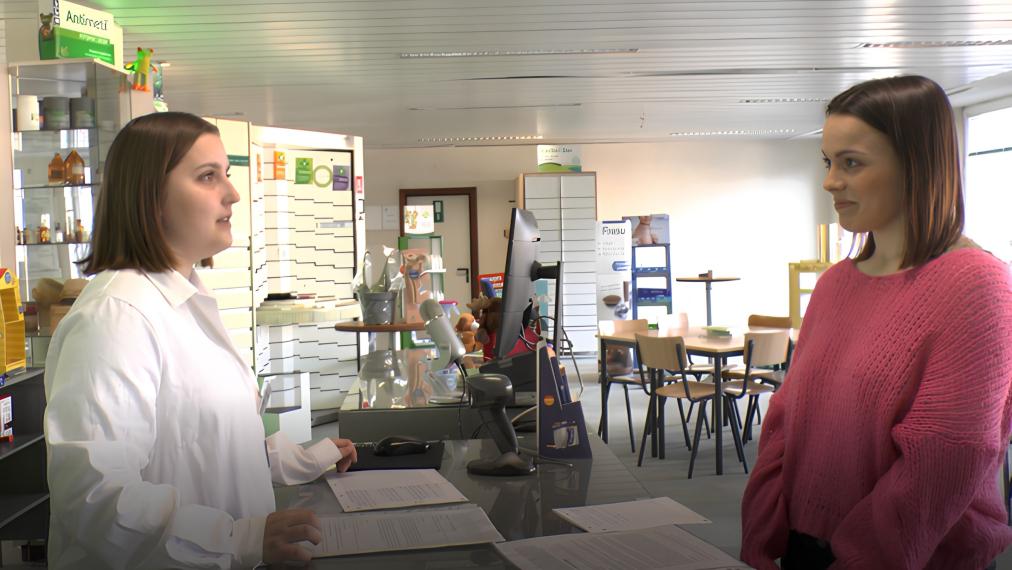
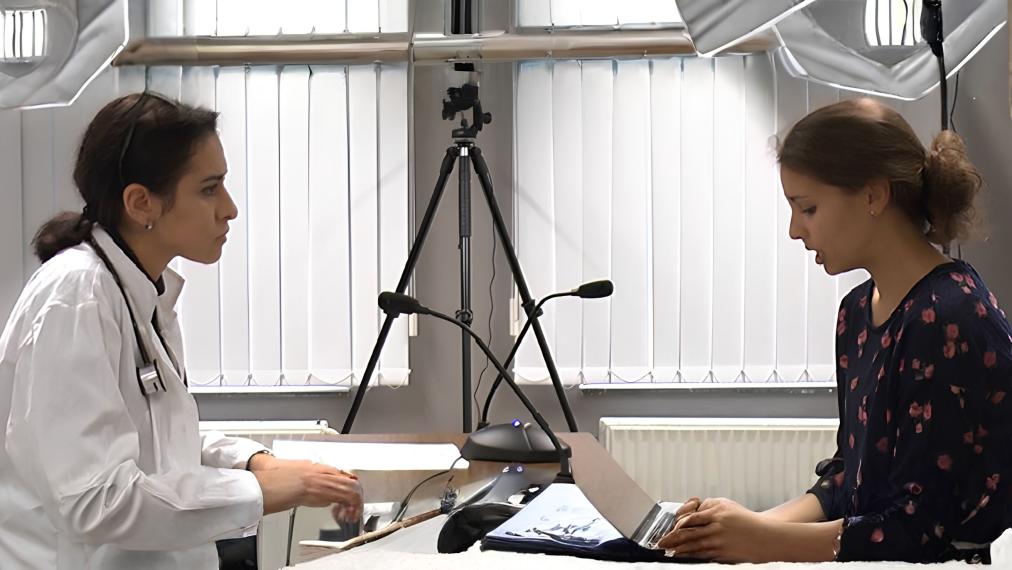
The ideal approach would have involved having students interact with actor-patients, so they could get as close as possible to their future reality, but class sizes make such a system impossible. “So I decided to use role-playing exercises, in which students took turns playing the roles of both doctor and patient,” explains Hélène Givron. “The exercise was very well received by the students, who were essentially taking on the role of a doctor for the first time! And the literature showed that putting themselves in a patient’s shoes also helps develop their empathy.”
Each simulation is filmed, allowing students to review their performance and reflect on what they did and how to improve their communication. “This is a very important moment, which can have detrimental consequences for students if it isn’t led by properly trained individuals,” warns the psychologist. “Even though it’s just a simulation, it deeply immerses students in what will be their future profession. We mustn’t let any of them, faced with a poorly supervised debriefing, conclude that they’ll be a bad doctor.”
To avoid this situation, Hélène Givron helped develop an interuniversity training program specifically designed for simulation instructors: “The role model’s attitude is, in my view, very important, because students learn a great deal by imitation. It would therefore be somewhat absurd to teach them to be good listeners while we ourselves are being judgmental during a debriefing. We must embody what we teach.”
Due to its positive evaluation, this communication workshop is now mandatory for all third-year medical students. Using a simulated clinic designed to closely mirror reality, students first practice welcoming a new patient before tackling more complex situations. “We put them in very specific situations, such as managing a patient under intense stress or delivering bad news,” explains Hélène Givron. “The whole point is to teach them to hone their listening skills and learn to read what patients aren’t saying by observing their nonverbal behavior.”
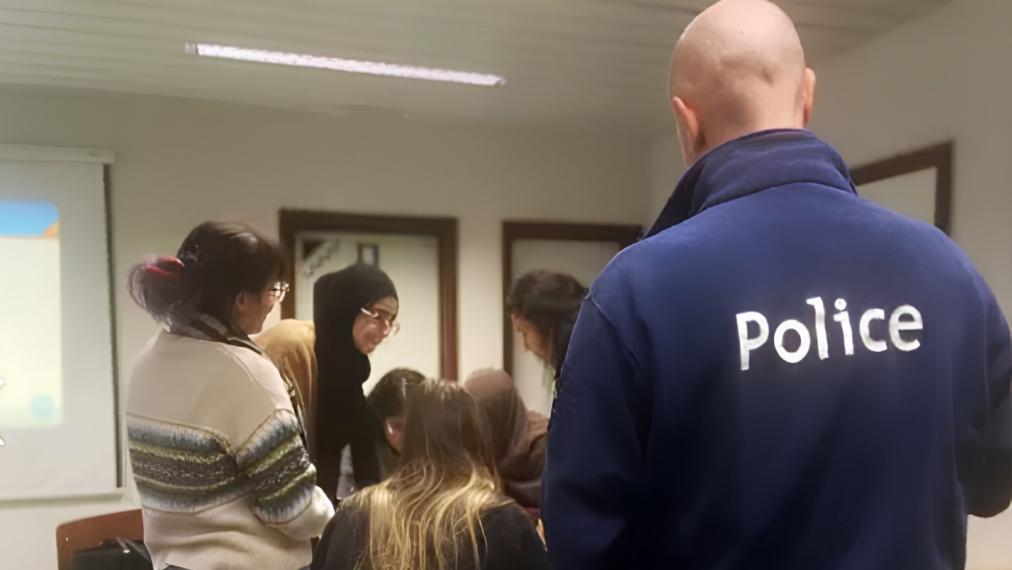
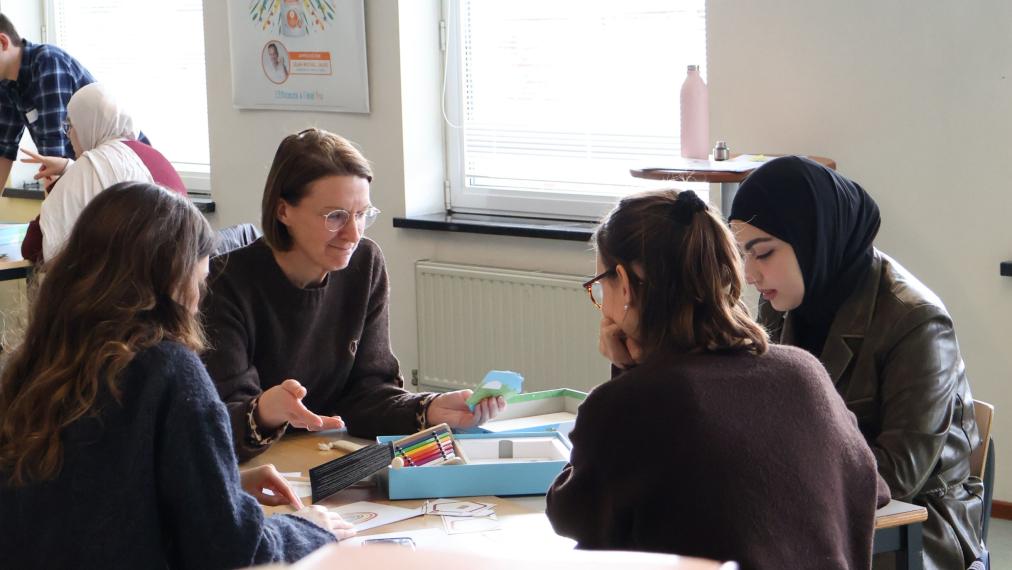
“This program has since been enhanced with an escape game, created by Milena Jarosik and Sophie Evrard from Hénallux University with the goal of raising students’ awareness about addressing domestic and spousal violence,” the psychologist continues. “The debriefing is led by practitioners in the field who can share their real-life experiences on this topic.”