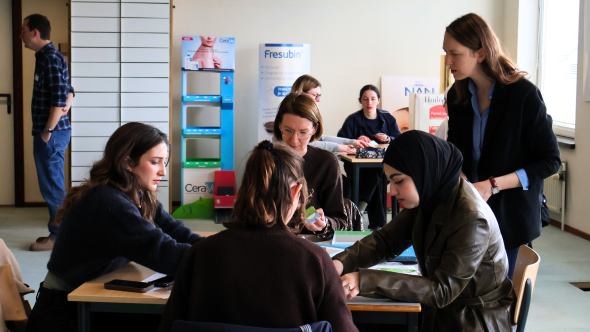
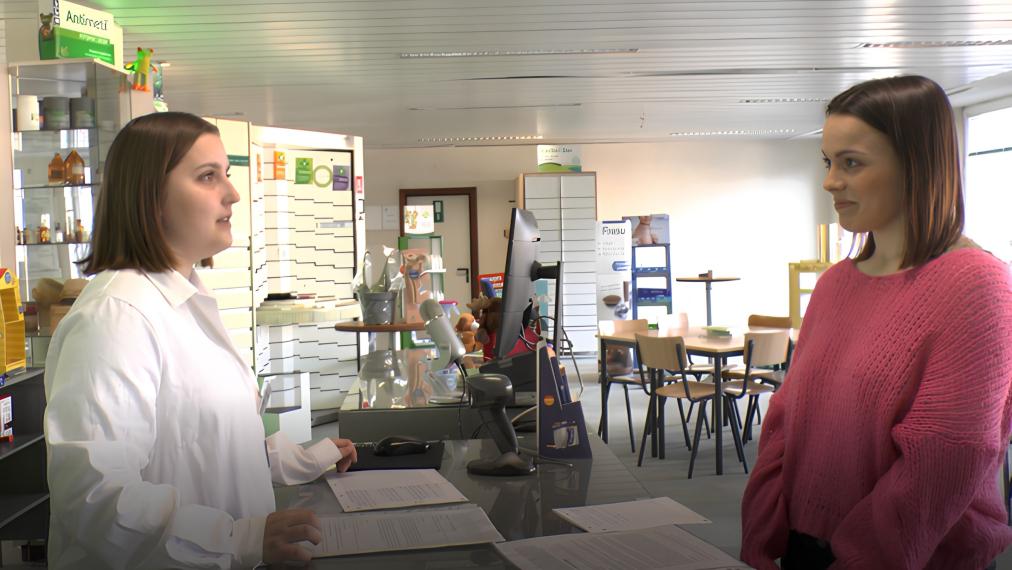
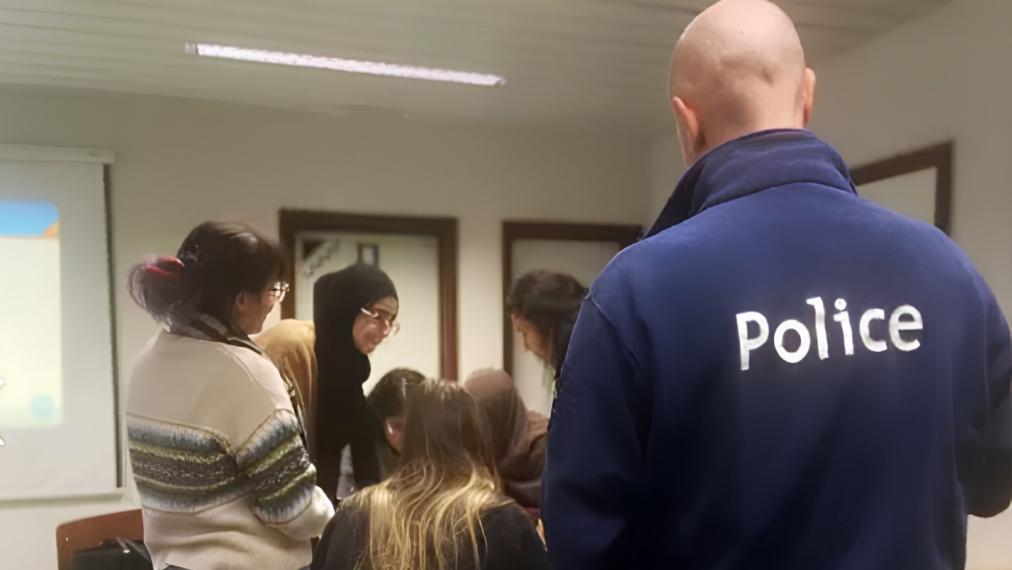
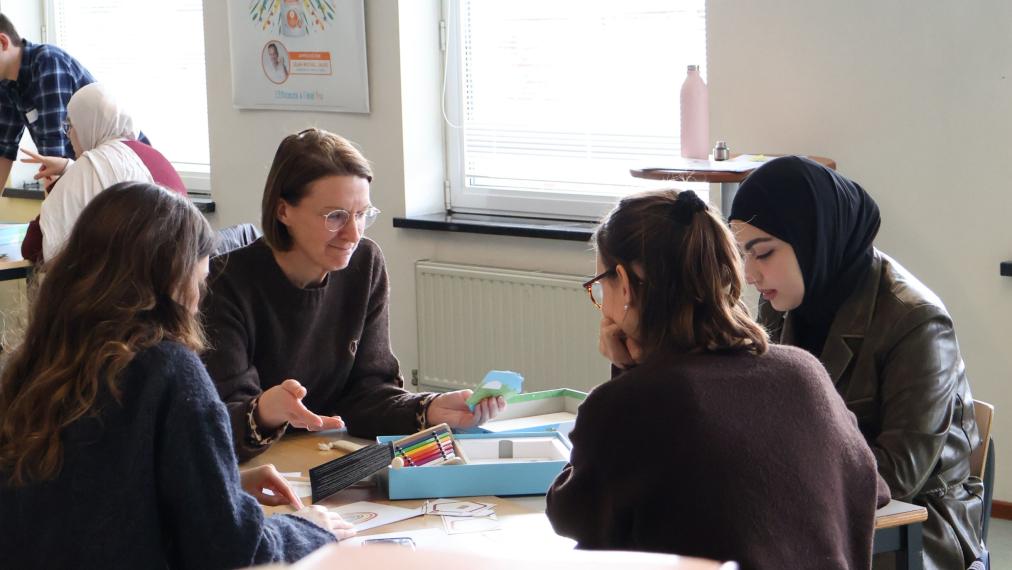
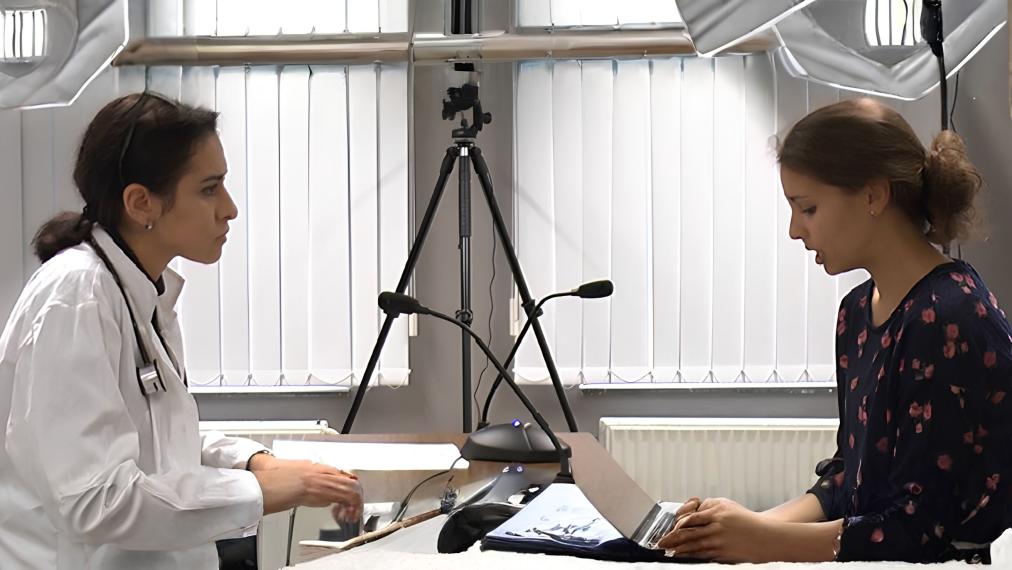
The Faculty of Medicine is equipped with several cross-disciplinary research entities that also rely on collaboration with UCL Godinne University Hospital within the Namur Institute for Life Sciences (Narilis) research institute.
.Spotlight
News
Shortage of General Practitioners in Rural Areas: UNamur Pioneers a New Approach with Community Health Centers
In response to the growing shortage of general practitioners in rural areas, the University of Namur is launching a groundbreaking initiative to encourage future practitioners to explore these regions. This year, nine rural placement centers have been established in the provinces of Namur, Hainaut, and Luxembourg, enabling 26 students in the Master’s program specializing in general practice (a joint UNamur-UCLouvain degree) to complete an internship under conditions that facilitate their immersion. Designed to address barriers related to housing, transportation, and isolation, this pilot program has found a particularly promising first implementation in Chevetogne, in partnership with the Province of Namur and several municipalities.

Today, more than half of Wallonia’s municipalities are facing a shortage of general practitioners, with particularly concerning situations in Hainaut, the southern part of the province of Namur, and the province of Luxembourg. Rural areas are the hardest hit.
For Dr. Dominique Henrion, a general practitioner and director of the master’s program in general medicine at UNamur (joint degree with UCLouvain), it is essential to take action as early as the training phase:
“Repeated clinical rotations in rural areas significantly increase the likelihood that a young doctor will later choose to set up practice there. We also know that students are largely in favor of this. So we needed to turn this interest into a real opportunity.”
However, several obstacles still hinder these hands-on experiences: housing, mobility, and the fear of isolation. It was to address these challenges that the concept of a rural training hub was developed.
An integrated approach to overcoming obstacles
In practical terms, these centers offer third-year medical students an internship structured around three key elements: a supervising physician, nearby housing, and transportation arrangements for the entire duration of the internship.
Aurélie Strickaert, a project manager in the Department of Medicine at UNamur, highlights the practical rationale behind the program:
“We wanted to create a simple and effective solution that focuses directly on students’ needs. By combining supervision, housing, and transportation, we’re creating the conditions that make a rural internship truly accessible and attractive.”
This year, nine host centers were established in the provinces of Namur, Hainaut, and Luxembourg, enabling 26 students to gain a diverse hands-on internship experience in the field.

Chevetogne, an exemplary pilot project
Among these various centers, the one in Chevetogne stands out for its foundational and replicable nature. Its uniqueness lies in the provision of housing within the Chevetogne Provincial Estate, capable of accommodating seven students completing their internships with physicians practicing in the municipalities of Ciney, Houyet, and Rochefort. To facilitate their commutes, each partner municipality provides a CPAS shuttle or a municipal vehicle.
For the Province of Namur, this project is fully aligned with its territorial and well-being priorities. Virginie Solbreux, chief of staff representing Provincial Deputy Isabelle Joiret, explains:
“By supporting this initiative, the Province of Namur is contributing to a concrete solution to the shortage of doctors in rural areas. It is a way to support local stakeholders, enhance the region’s appeal, and participate in an initiative that is meaningful to citizens.”
A welcoming environment designed for students
The Chevetogne Provincial Estate plays a central role in this pilot phase. In addition to providing suitable accommodations, it helps reduce feelings of isolation by bringing the trainees together in a single living space.
For Marie-Julie Baeken, director of the Chevetogne Provincial Estate, this involvement is a natural extension of the site’s mission:
“The Chevetogne Provincial Estate offers a comfortable, welcoming living environment that is well-suited to temporarily hosting students. By participating in this project, we are putting our facilities to work in support of an important societal issue and an innovative regional initiative.”
Beyond providing practical accommodations, the project also helps foster local collaboration between the university, provincial authorities, municipalities, and healthcare professionals.
A Local Response to a Social Issue
By exposing students to real-world situations, rural training centers have a twofold objective: to improve internship conditions and, in the longer term, to encourage the establishment of medical facilities in areas that are currently underserved.
Through this initiative, UNamur and its partners demonstrate that an innovative solution to the shortage of medical professionals can emerge from collaboration between academia, public authorities, and local stakeholders. In Chevetogne and the Ciney region, this initiative is now well underway.
An interactive map for objective analysis It is thanks to the fruitful interdisciplinary collaboration between geographers Aliz Hevesi and Catherine Linard, computer scientist Nicolas Matton, and Dr. Dominique Henrion that we owe the launch of an online map presenting a new rurality index specific to Wallonia, which combines population density, urban typology, and travel time to centers of activity. This interactive map aims to improve the planning of healthcare services in rural areas and to guide future general practitioners in their choice of practice location. This new tool has already been featured in the specialized press with a view to making it available to professionals. Published as open source, the interactive map is accessible for free below.
The UNamur Rural Medicine Observatory
Since 2023, the UNamur University Observatory on Rural Medicine (OUMRu) has been working on the issue of the declining availability of general practice services, particularly in underserved areas of Wallonia, with the aim of identifying potential solutions in collaboration with stakeholders on the ground.
The UNamur Master's Degree in Rural Medicine
(UNamur-UCLouvain joint degree program)

Birth control pills: new scientific evidence supporting natural estrogens
A new study conducted by researchers at UNamur confirms a fact that is still largely unknown to the general public: not all combined oral contraceptives expose women to the same risk of venous thrombosis. This research was conducted by Lucie Raskin, a researcher at the University of Namur, under the supervision of Professor Jonathan Douxfils, a specialist in thrombosis and the effects of hormones on coagulation. This represents a significant advance in public health.

By analyzing adverse event reports recorded in the U.S. Food and Drug Administration’s pharmacovigilance database, researchers at UNamur have shown that certain birth control pills containing estrogens more similar to those naturally produced by the body, such as 17β-estradiol or estetrol, were associated with fewer reports of blood clots than pills containing ethinylestradiol, a synthetic estrogen that has been widely used for several decades. Furthermore, the rates observed with these new generations of contraceptives were similar to those reported for progestin-only pills, which are considered the safest in terms of cardiovascular risk.
This study confirms data collected by the same team in EudraVigilance, the European database for managing and analyzing reports of adverse drug reactions, and published in 2025 in the journal Contraception.
The findings of this research send an important message regarding public health, as the pill is used by millions of women worldwide. These results call for a reevaluation of certain prescribing practices in favor of options with a more favorable or even neutral thrombotic profile. This contribution is all the more crucial today, as more and more people are turning away from contraceptives or hormone replacement therapies, which are nonetheless essential for public health.
“Our goal is to shift the landscape of prescribing guidelines. Biological and observational evidence supporting formulations based on natural estrogens is growing. These data show us that safer alternatives exist; it is time to reverse the trend. ” — Lucie Raskin, Researcher in the Department of Pharmacy.
Belgium's pioneering research in women's health
Beyond the findings themselves, this publication highlights the role of Belgian academic research in a field with significant societal impact. Through this work, Lucie Raskin embodies a new generation of researchers committed to addressing concrete issues in women’s health, while Jonathan Douxfils contributes the scientific and clinical expertise he has developed over several years on the links between hormones, coagulation, and thrombotic risk. This expertise now extends beyond the local context and is part of a European and international effort, particularly through Jonathan Douxfils’ participation in several international expert networks dedicated to contraceptive safety and the assessment of hormone-related thrombotic risk.
While venous thrombosis is the most serious complication associated with hormonal contraceptive use, other aspects are also beginning to be studied by the scientific community, particularly in terms of bone health and mental health. Regarding the risks of breast cancer, here too, the data are currently being updated and show favorable profiles depending on the progestin used.
Prevent, protect, personalize
This research demonstrates that more informed contraceptive choices are possible and that better use of scientific knowledge can improve prevention, reduce serious complications, and promote more personalized medicine in the field of women’s health.
A clearer understanding of the risk profiles associated with different contraceptives allows us to provide women with better information, help doctors make more personalized choices, and, ultimately, reduce preventable complications. The goal is not to call hormonal contraception into question, but to contribute to safer, more modern contraception that is better suited to each woman’s individual profile.
Related articles in the newsroom
The Clinical Pharmacology and Toxicology Research Unit (URPC)
The main mission of the Clinical Pharmacology and Toxicology Research Unit (URPC) at UNamur is to conduct studies and research aimed at evaluating the efficacy, safety, and clinical impact of drugs, treatments, and medical interventions. It brings together researchers from various departments within the Faculty of Medicine.

VENOM2: When Animal Venoms Open Up New Avenues in the Fight Against Cancer
Supported by the SPW Research’s Win4SpinOff program and led by the University of Liège through its Mass Spectrometry Laboratory (MSLab, Faculty of Science) and the University of Namur through its Laboratory of Molecular Cancer Biology, (NARILIS, LBMC, Faculty of Medicine), the VENOM2 project explores the potential of peptides derived from animal venoms to develop new diagnostic and therapeutic solutions in oncology.

Photo: (c) Shutterstock - Craig Cordier
Animal venoms are a remarkable source of molecular diversity. The study of venoms, known as venomomics, enables the identification and characterization of the peptides and proteins that make them up. Optimized by evolution to interact rapidly and selectively with biological targets, some of these peptides could offer new opportunities to better detect, understand, or target cancer cells.
A project supported by the SPW Research Win4SpinOff program
This is the avenue being explored by the VENOM2 project (Venom-based Exploration for Novel Oncology Molecules), which has just received Win4SpinOff funding, a measure from SPW Research designed to support the maturation of research results with a view to creating spin-off companies in Wallonia.
Targeting the most treatment-resistant cancers
VENOM2 is initially focusing on a refractory cancer for which treatment options remain limited. This choice is based in particular on the growing interest in certain biological targets involved in tumor progression and treatment resistance, which peptides derived from venoms could help to better detect, modulate, or target.
A joint doctoral thesis between ULiège and UNamur
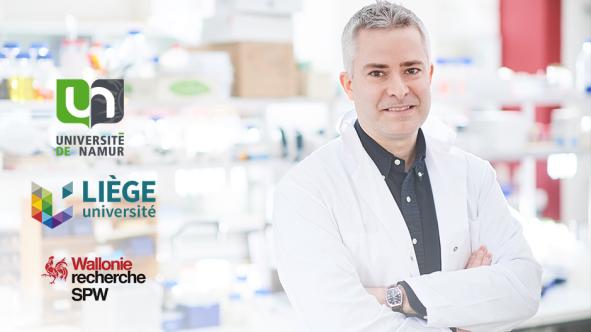
The project is being conducted under the joint supervision of Professors Loïc Quinton (Mass Spectrometry Laboratory, MolSys / Faculty of Sciences, ULiège) and Jean-Pierre Gillet—in the picture - (Laboratory of Molecular Cancer Biology (LBMC), NARILIS Research Institute, Faculty of Medicine, UNamur). It draws on the complementary nature of their respective areas of expertise: on the one hand, mass spectrometry, proteomics, and the detailed analysis of complex biological mixtures such as venoms; on the other hand, the study of mechanisms of cancer resistance to treatments.
The project is led by Lou Freuville, a joint PhD student at MSLab ULiège and LBMC UNamur. In this context, she benefits from the joint supervision of her two advisors to successfully carry out this project.
An approach combining analytical expertise and cancer biology
Specifically, VENOM2 will combine venom fractionation, functional screening on healthy and cancerous cell models, and advanced structural analyses to identify peptides capable of specifically targeting cancer cells or mechanisms involved in tumor progression. The approach thus combines ULiège’s analytical expertise in peptide characterization with UNamur’s expertise in biological and cellular cancer models.
The project’s originality lies in its dual potential for commercialization. Some peptides could be developed as targeting agents for molecular imaging, contributing to more precise diagnosis. Other candidates could have therapeutic potential by selectively modulating key biological pathways in oncology.
“With VENOM2, we aim to transform a biodiversity that remains largely underutilized into opportunities for precision oncology. The Win4SpinOff funding gives us the means to take significant new steps in research and the opportunity to test our ideas in the market. It embodies our commitment to developing innovative therapeutic solutions for cancers resistant to conventional treatments,” emphasize Professors Loïc Quinton and Jean-Pierre Gillet.
Toward a future Walloon spin-off
Beyond its scientific ambition, VENOM2 is part of a dynamic of technology transfer and value creation, laying the groundwork for a future spin-off company specializing in the development of peptides derived from venoms for human health, with the support of the technology transfer teams at ULiège, UNamur, and ULiège’s commercialization and investment company, Gesval.
“This project lies at the intersection of several areas of expertise: detailed venom analysis, cancer biology, and the development of relevant cellular models. The goal is to identify peptides capable not only of recognizing certain tumor cells, but also of opening new avenues for better understanding and targeting mechanisms involved in cancers resistant to current treatments,” explains Lou Freuville.
The project was developed with the support of technology transfer teams: Yasmina Zeroual for ULiège, Daniel Maréchal for Gesval, as well as Eléana Somville and Joël Marinozzi for UNamur.
Learn more
Two researchers from UNamur have been inducted into the College of Young Researchers of the Royal Academy of Medicine of Belgium
This is a significant honor for two members of the UNamur School of Medicine: Professor Charlotte Beaudart, who heads the "clinical research" track of the Master’s program in biomedical sciences, and Professor Jonathan Douxfils (School of Medicine, URPC – NARILIS) have just joined the College of Young Researchers of the Royal Academy of Medicine of Belgium.
This award recognizes young Belgian scientists whose work makes a significant contribution to the advancement of medicine and the biomedical sciences.
Above all, this designation represents recognition of our scientific, academic, and societal commitment to the field of health. Through our respective careers, we share a common desire to contribute, through research, teaching, and interdisciplinary dialogue, to a better understanding of public health issues and, more broadly, to improving the health of the population.
- Charlotte Beaudart and Jonathan Douxfils
“This designation is also important because it allows us to engage in a space for reflection that goes beyond the usual institutional frameworks,” adds Jonathan Douxfils.
The College indeed offers a valuable opportunity to collaborate with researchers from other universities, other disciplines, and other generations of scientists.
“In a context where medical, scientific, and societal challenges are becoming increasingly complex, this cross-disciplinary and transgenerational approach seems essential to us for fostering collective intelligence, serving the Academy, the scientific community, and society,” he continues.
Within this College, Charlotte Beaudart and Jonathan Douxfils will contribute their expertise in their respective fields (clinical pharmacology and toxicology, as well as aging), fostering a culture of collegiality, knowledge sharing, and collaboration.
“Our ambition is to help develop initiatives that bridge the gaps between basic research, clinical research, public health, and innovation, while fostering a scientific culture grounded in rigor, openness, cooperation, and service to the common good,” they conclude.
Charlotte Beaudart
The recipient of several prestigious awards, Charlotte Beaudart is an associate professor of clinical research at UNamur, a member of the NARILIS Institute, and a senior advisor to the WHO Collaborating Center for the Epidemiology of Musculoskeletal Health and Aging.
She has just received the René de Cooman Prize (March 2026), an award presented every two years by the Belgian Society of Gerontology and Geriatrics (SBGG) that recognizes major scientific contributions by young Belgian researchers in the medical and biomedical fields.
The European Society for Clinical and Economic Aspects of Osteoporosis, Osteoarthritis, and Musculoskeletal Diseases (ESCEO) and the International Osteoporosis Foundation (IOF) have also recently awarded him the 2026 ESCEO-IOF Pierre Meunier Prize (https://www.osteoporosis.foundation/news/charlotte-beaudart-receives-prestigious-esceo-iof-pierre-meunier-young-scientist-award) for the young scientist. This prestigious annual award was presented in April 2026 during the WCO-IOF-ESCEO Congress in Prague.
Charlotte Beaudart’s work focuses on aging and, more specifically, on sarcopenia, a condition characterized by the loss of muscle mass and function in older adults. Through her research, Charlotte Beaudart has made a significant contribution to a better understanding of this condition, notably through the development of the SarcoPhAge cohort (for Sarcopenia and Physical Impairments with advancing Age), a Belgian cohort comprising more than 500 individuals over the age of 65 who were prospectively followed for 10 years, and the creation of the SarQoL questionnaire, now used internationally to assess the quality of life of patients with sarcopenia.
Jonathan Douxfils
Specializing in clinical pharmacology and toxicology, Jonathan Douxfils conducts internationally recognized research in the fields of hemostasis, thrombosis, the development of new diagnostic tools, and pharmacovigilance. He is Director of the Clinical Pharmacology and Toxicology Research Unit (URPC - https://www.unamur.be/fr/medecine/recherche/urpc) at the UNamur School of Medicine and a member of the NARILIS Research Institute.
Since 2023, he has headed a research unit in clinical pharmacology and toxicology, comprising seven faculty members and about ten doctoral students. Professor Douxfils collaborates with numerous researchers in the industrial, hospital, and academic sectors to develop precise and sensitive biomarkers in hemostasis, serology, oncology, and, more recently, neurology. He has secured significant funding for his research in thrombosis, hemostasis, infectious diseases, oncology, and gene therapies. His multidisciplinary approach and expertise in blood biomarkers enable him to work on interconnected projects. He has also served as a pharmacovigilance expert at the European Medicines Agency as an evaluator, co-chairs the SSC Control of Anticoagulation at the International Society on Thrombosis and Haemostasis (ISTH), and is a member of the Haemostasis Diagnostics expert team at ECAT as well as the Belgian Society of Thrombosis and Hemostasis (BSTH). He coordinates the recommendations of the International Council for Standardization in Hematology (ICSH) on the measurement of direct oral anticoagulants and is an associate editor for several scientific journals.
Learn more about the College of Young Researchers
At the initiative of its Permanent Secretary, Georges Casimir, the Academy sought to establish a College of Young Researchers with which it collaborates in a structured and regular manner. It serves as an advisory and forward-looking body for the Academy.
Its mission is:
- to attract and engage young researchers in the scientific and academic life of the ARMB;
- to foster reflection on current and future challenges in basic, translational, and clinical (bio)medical research;
- to serve as a source of ideas and proposals for the ARMB’s Executive Board, Sections, and Committees;
- to organize, in collaboration with the Academy, at least one annual scientific session dedicated to young researchers.
The College consists of 36 full members, with six members per ARMB Section; the Executive Board may propose up to four additional full members to bring the total to 40. Members must be under 46 years of age as of December 31 of the year of their appointment and must have held a master’s degree for at least 11 years.
The NARILIS Research Institute
NARILIS seeks to foster two-way interactions between basic researchers and clinicians, and to build bridges between the laboratory and the patient’s bedside. NARILIS therefore aims to facilitate the translation of basic research findings into clinical applications. Its mission is to promote multidisciplinary research in order to improve human and animal health and quality of life.
Shortage of General Practitioners in Rural Areas: UNamur Pioneers a New Approach with Community Health Centers
In response to the growing shortage of general practitioners in rural areas, the University of Namur is launching a groundbreaking initiative to encourage future practitioners to explore these regions. This year, nine rural placement centers have been established in the provinces of Namur, Hainaut, and Luxembourg, enabling 26 students in the Master’s program specializing in general practice (a joint UNamur-UCLouvain degree) to complete an internship under conditions that facilitate their immersion. Designed to address barriers related to housing, transportation, and isolation, this pilot program has found a particularly promising first implementation in Chevetogne, in partnership with the Province of Namur and several municipalities.
Today, more than half of Wallonia’s municipalities are facing a shortage of general practitioners, with particularly concerning situations in Hainaut, the southern part of the province of Namur, and the province of Luxembourg. Rural areas are the hardest hit.
For Dr. Dominique Henrion, a general practitioner and director of the master’s program in general medicine at UNamur (joint degree with UCLouvain), it is essential to take action as early as the training phase:
“Repeated clinical rotations in rural areas significantly increase the likelihood that a young doctor will later choose to set up practice there. We also know that students are largely in favor of this. So we needed to turn this interest into a real opportunity.”
However, several obstacles still hinder these hands-on experiences: housing, mobility, and the fear of isolation. It was to address these challenges that the concept of a rural training hub was developed.
An integrated approach to overcoming obstacles
In practical terms, these centers offer third-year medical students an internship structured around three key elements: a supervising physician, nearby housing, and transportation arrangements for the entire duration of the internship.
Aurélie Strickaert, a project manager in the Department of Medicine at UNamur, highlights the practical rationale behind the program:
“We wanted to create a simple and effective solution that focuses directly on students’ needs. By combining supervision, housing, and transportation, we’re creating the conditions that make a rural internship truly accessible and attractive.”
This year, nine host centers were established in the provinces of Namur, Hainaut, and Luxembourg, enabling 26 students to gain a diverse hands-on internship experience in the field.
Chevetogne, an exemplary pilot project
Among these various centers, the one in Chevetogne stands out for its foundational and replicable nature. Its uniqueness lies in the provision of housing within the Chevetogne Provincial Estate, capable of accommodating seven students completing their internships with physicians practicing in the municipalities of Ciney, Houyet, and Rochefort. To facilitate their commutes, each partner municipality provides a CPAS shuttle or a municipal vehicle.
For the Province of Namur, this project is fully aligned with its territorial and well-being priorities. Virginie Solbreux, chief of staff representing Provincial Deputy Isabelle Joiret, explains:
“By supporting this initiative, the Province of Namur is contributing to a concrete solution to the shortage of doctors in rural areas. It is a way to support local stakeholders, enhance the region’s appeal, and participate in an initiative that is meaningful to citizens.”
A welcoming environment designed for students
The Chevetogne Provincial Estate plays a central role in this pilot phase. In addition to providing suitable accommodations, it helps reduce feelings of isolation by bringing the trainees together in a single living space.
For Marie-Julie Baeken, director of the Chevetogne Provincial Estate, this involvement is a natural extension of the site’s mission:
“The Chevetogne Provincial Estate offers a comfortable, welcoming living environment that is well-suited to temporarily hosting students. By participating in this project, we are putting our facilities to work in support of an important societal issue and an innovative regional initiative.”
Beyond providing practical accommodations, the project also helps foster local collaboration between the university, provincial authorities, municipalities, and healthcare professionals.
A Local Response to a Social Issue
By exposing students to real-world situations, rural training centers have a twofold objective: to improve internship conditions and, in the longer term, to encourage the establishment of medical facilities in areas that are currently underserved.
Through this initiative, UNamur and its partners demonstrate that an innovative solution to the shortage of medical professionals can emerge from collaboration between academia, public authorities, and local stakeholders. In Chevetogne and the Ciney region, this initiative is now well underway.
An interactive map for objective analysis It is thanks to the fruitful interdisciplinary collaboration between geographers Aliz Hevesi and Catherine Linard, computer scientist Nicolas Matton, and Dr. Dominique Henrion that we owe the launch of an online map presenting a new rurality index specific to Wallonia, which combines population density, urban typology, and travel time to centers of activity. This interactive map aims to improve the planning of healthcare services in rural areas and to guide future general practitioners in their choice of practice location. This new tool has already been featured in the specialized press with a view to making it available to professionals. Published as open source, the interactive map is accessible for free below.
The UNamur Rural Medicine Observatory
Since 2023, the UNamur University Observatory on Rural Medicine (OUMRu) has been working on the issue of the declining availability of general practice services, particularly in underserved areas of Wallonia, with the aim of identifying potential solutions in collaboration with stakeholders on the ground.
The UNamur Master's Degree in Rural Medicine
(UNamur-UCLouvain joint degree program)
Birth control pills: new scientific evidence supporting natural estrogens
A new study conducted by researchers at UNamur confirms a fact that is still largely unknown to the general public: not all combined oral contraceptives expose women to the same risk of venous thrombosis. This research was conducted by Lucie Raskin, a researcher at the University of Namur, under the supervision of Professor Jonathan Douxfils, a specialist in thrombosis and the effects of hormones on coagulation. This represents a significant advance in public health.
By analyzing adverse event reports recorded in the U.S. Food and Drug Administration’s pharmacovigilance database, researchers at UNamur have shown that certain birth control pills containing estrogens more similar to those naturally produced by the body, such as 17β-estradiol or estetrol, were associated with fewer reports of blood clots than pills containing ethinylestradiol, a synthetic estrogen that has been widely used for several decades. Furthermore, the rates observed with these new generations of contraceptives were similar to those reported for progestin-only pills, which are considered the safest in terms of cardiovascular risk.
This study confirms data collected by the same team in EudraVigilance, the European database for managing and analyzing reports of adverse drug reactions, and published in 2025 in the journal Contraception.
The findings of this research send an important message regarding public health, as the pill is used by millions of women worldwide. These results call for a reevaluation of certain prescribing practices in favor of options with a more favorable or even neutral thrombotic profile. This contribution is all the more crucial today, as more and more people are turning away from contraceptives or hormone replacement therapies, which are nonetheless essential for public health.
“Our goal is to shift the landscape of prescribing guidelines. Biological and observational evidence supporting formulations based on natural estrogens is growing. These data show us that safer alternatives exist; it is time to reverse the trend. ” — Lucie Raskin, Researcher in the Department of Pharmacy.
Belgium's pioneering research in women's health
Beyond the findings themselves, this publication highlights the role of Belgian academic research in a field with significant societal impact. Through this work, Lucie Raskin embodies a new generation of researchers committed to addressing concrete issues in women’s health, while Jonathan Douxfils contributes the scientific and clinical expertise he has developed over several years on the links between hormones, coagulation, and thrombotic risk. This expertise now extends beyond the local context and is part of a European and international effort, particularly through Jonathan Douxfils’ participation in several international expert networks dedicated to contraceptive safety and the assessment of hormone-related thrombotic risk.
While venous thrombosis is the most serious complication associated with hormonal contraceptive use, other aspects are also beginning to be studied by the scientific community, particularly in terms of bone health and mental health. Regarding the risks of breast cancer, here too, the data are currently being updated and show favorable profiles depending on the progestin used.
Prevent, protect, personalize
This research demonstrates that more informed contraceptive choices are possible and that better use of scientific knowledge can improve prevention, reduce serious complications, and promote more personalized medicine in the field of women’s health.
A clearer understanding of the risk profiles associated with different contraceptives allows us to provide women with better information, help doctors make more personalized choices, and, ultimately, reduce preventable complications. The goal is not to call hormonal contraception into question, but to contribute to safer, more modern contraception that is better suited to each woman’s individual profile.
Related articles in the newsroom
The Clinical Pharmacology and Toxicology Research Unit (URPC)
The main mission of the Clinical Pharmacology and Toxicology Research Unit (URPC) at UNamur is to conduct studies and research aimed at evaluating the efficacy, safety, and clinical impact of drugs, treatments, and medical interventions. It brings together researchers from various departments within the Faculty of Medicine.
VENOM2: When Animal Venoms Open Up New Avenues in the Fight Against Cancer
Supported by the SPW Research’s Win4SpinOff program and led by the University of Liège through its Mass Spectrometry Laboratory (MSLab, Faculty of Science) and the University of Namur through its Laboratory of Molecular Cancer Biology, (NARILIS, LBMC, Faculty of Medicine), the VENOM2 project explores the potential of peptides derived from animal venoms to develop new diagnostic and therapeutic solutions in oncology.
Photo: (c) Shutterstock - Craig Cordier
Animal venoms are a remarkable source of molecular diversity. The study of venoms, known as venomomics, enables the identification and characterization of the peptides and proteins that make them up. Optimized by evolution to interact rapidly and selectively with biological targets, some of these peptides could offer new opportunities to better detect, understand, or target cancer cells.
A project supported by the SPW Research Win4SpinOff program
This is the avenue being explored by the VENOM2 project (Venom-based Exploration for Novel Oncology Molecules), which has just received Win4SpinOff funding, a measure from SPW Research designed to support the maturation of research results with a view to creating spin-off companies in Wallonia.
Targeting the most treatment-resistant cancers
VENOM2 is initially focusing on a refractory cancer for which treatment options remain limited. This choice is based in particular on the growing interest in certain biological targets involved in tumor progression and treatment resistance, which peptides derived from venoms could help to better detect, modulate, or target.
A joint doctoral thesis between ULiège and UNamur
The project is being conducted under the joint supervision of Professors Loïc Quinton (Mass Spectrometry Laboratory, MolSys / Faculty of Sciences, ULiège) and Jean-Pierre Gillet—in the picture - (Laboratory of Molecular Cancer Biology (LBMC), NARILIS Research Institute, Faculty of Medicine, UNamur). It draws on the complementary nature of their respective areas of expertise: on the one hand, mass spectrometry, proteomics, and the detailed analysis of complex biological mixtures such as venoms; on the other hand, the study of mechanisms of cancer resistance to treatments.
The project is led by Lou Freuville, a joint PhD student at MSLab ULiège and LBMC UNamur. In this context, she benefits from the joint supervision of her two advisors to successfully carry out this project.
An approach combining analytical expertise and cancer biology
Specifically, VENOM2 will combine venom fractionation, functional screening on healthy and cancerous cell models, and advanced structural analyses to identify peptides capable of specifically targeting cancer cells or mechanisms involved in tumor progression. The approach thus combines ULiège’s analytical expertise in peptide characterization with UNamur’s expertise in biological and cellular cancer models.
The project’s originality lies in its dual potential for commercialization. Some peptides could be developed as targeting agents for molecular imaging, contributing to more precise diagnosis. Other candidates could have therapeutic potential by selectively modulating key biological pathways in oncology.
“With VENOM2, we aim to transform a biodiversity that remains largely underutilized into opportunities for precision oncology. The Win4SpinOff funding gives us the means to take significant new steps in research and the opportunity to test our ideas in the market. It embodies our commitment to developing innovative therapeutic solutions for cancers resistant to conventional treatments,” emphasize Professors Loïc Quinton and Jean-Pierre Gillet.
Toward a future Walloon spin-off
Beyond its scientific ambition, VENOM2 is part of a dynamic of technology transfer and value creation, laying the groundwork for a future spin-off company specializing in the development of peptides derived from venoms for human health, with the support of the technology transfer teams at ULiège, UNamur, and ULiège’s commercialization and investment company, Gesval.
“This project lies at the intersection of several areas of expertise: detailed venom analysis, cancer biology, and the development of relevant cellular models. The goal is to identify peptides capable not only of recognizing certain tumor cells, but also of opening new avenues for better understanding and targeting mechanisms involved in cancers resistant to current treatments,” explains Lou Freuville.
The project was developed with the support of technology transfer teams: Yasmina Zeroual for ULiège, Daniel Maréchal for Gesval, as well as Eléana Somville and Joël Marinozzi for UNamur.
Learn more
Two researchers from UNamur have been inducted into the College of Young Researchers of the Royal Academy of Medicine of Belgium
This is a significant honor for two members of the UNamur School of Medicine: Professor Charlotte Beaudart, who heads the "clinical research" track of the Master’s program in biomedical sciences, and Professor Jonathan Douxfils (School of Medicine, URPC – NARILIS) have just joined the College of Young Researchers of the Royal Academy of Medicine of Belgium.
This award recognizes young Belgian scientists whose work makes a significant contribution to the advancement of medicine and the biomedical sciences.
Above all, this designation represents recognition of our scientific, academic, and societal commitment to the field of health. Through our respective careers, we share a common desire to contribute, through research, teaching, and interdisciplinary dialogue, to a better understanding of public health issues and, more broadly, to improving the health of the population.
- Charlotte Beaudart and Jonathan Douxfils
“This designation is also important because it allows us to engage in a space for reflection that goes beyond the usual institutional frameworks,” adds Jonathan Douxfils.
The College indeed offers a valuable opportunity to collaborate with researchers from other universities, other disciplines, and other generations of scientists.
“In a context where medical, scientific, and societal challenges are becoming increasingly complex, this cross-disciplinary and transgenerational approach seems essential to us for fostering collective intelligence, serving the Academy, the scientific community, and society,” he continues.
Within this College, Charlotte Beaudart and Jonathan Douxfils will contribute their expertise in their respective fields (clinical pharmacology and toxicology, as well as aging), fostering a culture of collegiality, knowledge sharing, and collaboration.
“Our ambition is to help develop initiatives that bridge the gaps between basic research, clinical research, public health, and innovation, while fostering a scientific culture grounded in rigor, openness, cooperation, and service to the common good,” they conclude.
Charlotte Beaudart
The recipient of several prestigious awards, Charlotte Beaudart is an associate professor of clinical research at UNamur, a member of the NARILIS Institute, and a senior advisor to the WHO Collaborating Center for the Epidemiology of Musculoskeletal Health and Aging.
She has just received the René de Cooman Prize (March 2026), an award presented every two years by the Belgian Society of Gerontology and Geriatrics (SBGG) that recognizes major scientific contributions by young Belgian researchers in the medical and biomedical fields.
The European Society for Clinical and Economic Aspects of Osteoporosis, Osteoarthritis, and Musculoskeletal Diseases (ESCEO) and the International Osteoporosis Foundation (IOF) have also recently awarded him the 2026 ESCEO-IOF Pierre Meunier Prize (https://www.osteoporosis.foundation/news/charlotte-beaudart-receives-prestigious-esceo-iof-pierre-meunier-young-scientist-award) for the young scientist. This prestigious annual award was presented in April 2026 during the WCO-IOF-ESCEO Congress in Prague.
Charlotte Beaudart’s work focuses on aging and, more specifically, on sarcopenia, a condition characterized by the loss of muscle mass and function in older adults. Through her research, Charlotte Beaudart has made a significant contribution to a better understanding of this condition, notably through the development of the SarcoPhAge cohort (for Sarcopenia and Physical Impairments with advancing Age), a Belgian cohort comprising more than 500 individuals over the age of 65 who were prospectively followed for 10 years, and the creation of the SarQoL questionnaire, now used internationally to assess the quality of life of patients with sarcopenia.
Jonathan Douxfils
Specializing in clinical pharmacology and toxicology, Jonathan Douxfils conducts internationally recognized research in the fields of hemostasis, thrombosis, the development of new diagnostic tools, and pharmacovigilance. He is Director of the Clinical Pharmacology and Toxicology Research Unit (URPC - https://www.unamur.be/fr/medecine/recherche/urpc) at the UNamur School of Medicine and a member of the NARILIS Research Institute.
Since 2023, he has headed a research unit in clinical pharmacology and toxicology, comprising seven faculty members and about ten doctoral students. Professor Douxfils collaborates with numerous researchers in the industrial, hospital, and academic sectors to develop precise and sensitive biomarkers in hemostasis, serology, oncology, and, more recently, neurology. He has secured significant funding for his research in thrombosis, hemostasis, infectious diseases, oncology, and gene therapies. His multidisciplinary approach and expertise in blood biomarkers enable him to work on interconnected projects. He has also served as a pharmacovigilance expert at the European Medicines Agency as an evaluator, co-chairs the SSC Control of Anticoagulation at the International Society on Thrombosis and Haemostasis (ISTH), and is a member of the Haemostasis Diagnostics expert team at ECAT as well as the Belgian Society of Thrombosis and Hemostasis (BSTH). He coordinates the recommendations of the International Council for Standardization in Hematology (ICSH) on the measurement of direct oral anticoagulants and is an associate editor for several scientific journals.
Learn more about the College of Young Researchers
At the initiative of its Permanent Secretary, Georges Casimir, the Academy sought to establish a College of Young Researchers with which it collaborates in a structured and regular manner. It serves as an advisory and forward-looking body for the Academy.
Its mission is:
- to attract and engage young researchers in the scientific and academic life of the ARMB;
- to foster reflection on current and future challenges in basic, translational, and clinical (bio)medical research;
- to serve as a source of ideas and proposals for the ARMB’s Executive Board, Sections, and Committees;
- to organize, in collaboration with the Academy, at least one annual scientific session dedicated to young researchers.
The College consists of 36 full members, with six members per ARMB Section; the Executive Board may propose up to four additional full members to bring the total to 40. Members must be under 46 years of age as of December 31 of the year of their appointment and must have held a master’s degree for at least 11 years.
The NARILIS Research Institute
NARILIS seeks to foster two-way interactions between basic researchers and clinicians, and to build bridges between the laboratory and the patient’s bedside. NARILIS therefore aims to facilitate the translation of basic research findings into clinical applications. Its mission is to promote multidisciplinary research in order to improve human and animal health and quality of life.