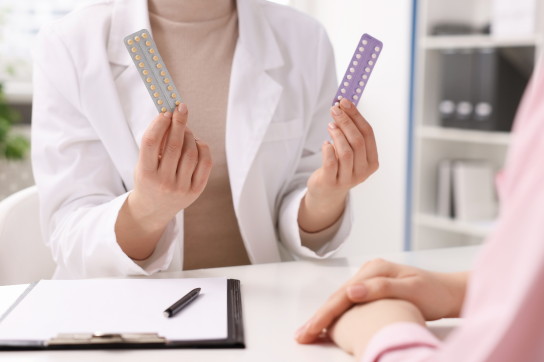
The Department of Pharmacy at the University of Namur is dedicated to the advancement of knowledge in the field of pharmacology and pharmaceutical research. It organizes training programs covering pharmaceutical sciences, biochemistry, pharmaceutical analysis and medicinal chemistry. It also contributes to the continuing education of pharmacists in collaboration with the Société scientifique des pharmaciens francophones, and hosts the PHARMAFUN alumni association. Finally, it is committed to a training program focused on international openness, the implementation of a quality system and the integration of innovative pedagogies.
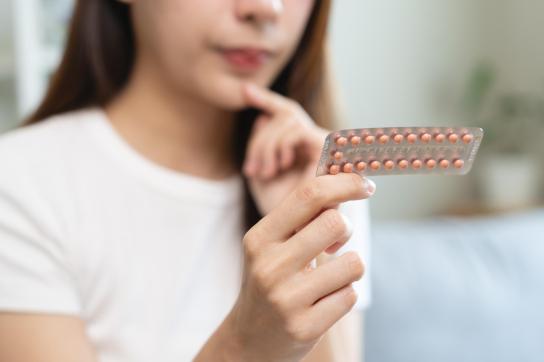
Find out more about the Pharmacy Department
Spotlight
News
An immersive game to strengthen interprofessional collaboration in healthcare
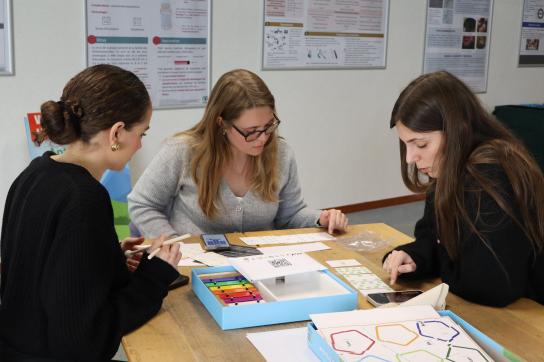
On Thursday, March 12, students from the Master’s program in General Medicine and the Master’s program in Pharmaceutical Sciences at UNamur, as well as students from the Master’s program in Nursing at Henallux, gathered to test “Eugène’s Journey,” an immersive game created as part of the PUNCh (Namur University Pedagogy in Transition) project. This educational game was designed to strengthen communication and collaboration among future healthcare professionals. Following the gameplay phase, a structured debriefing was conducted with the students to transform the experience into a collective learning opportunity.
This PUNCh project, led by Hélène Givron, associate professor and educational coordinator in the Department of Psychology at the University of Namur, is designed to address educational needs in interprofessional training. The goal was to develop a fun, flexible tool that could be adapted for use in various contexts, in order to address a significant challenge in the field.
The main objective of this workshop was to strengthen interprofessional communication and collaboration in the healthcare field. A multidisciplinary team was therefore formed, composed of representatives from various sectors: Catherine Magnette (Instructor, Department of Medicine), Romain Siriez (Educational Coordinator, Department of Pharmacy), and Laura Demarthe (Assistant, Department of Psychology), to bring together students from the Master’s in General Practice and the Master’s in Pharmaceutical Sciences at UNamur, as well as the Master’s in Nursing (Hénallux), to address these issues.
An immersive game experience designed to explore collaboration in a hospital setting
The workshop was based on the board game “Eugène’s Journey,” designed by Christine Laurent (a public health physician and educational game designer) and inspired by the concept of an escape room, with the aim of providing students with an immersive and collaborative experience. Participants were divided into teams of three to four players, consisting of a physician, a nurse, and one or two pharmacists, to encourage interprofessional collaboration. Each team had to progress through a scenario by solving a series of puzzles within 45 minutes, under the watchful eye of instructors. To succeed, students had to collaborate and rely on verbal communication to exchange ideas, share information, and coordinate their actions
This educational tool draws on various skills essential to teamwork, such as active listening, the ability to clearly articulate ideas, task coordination, and collective decision-making. Each puzzle presented a challenge that required genuine cooperation among group members, as no solution could be found by working alone.
A structured debriefing to turn experience into learning
Following the game phase, a debriefing session was held with all participants. This discussion aimed to reflect on the experience gained during the workshop and to encourage students to think about the concepts of collaboration and interprofessional communication in the healthcare context. The game served as a tool to illustrate certain cooperative scenarios, but also to highlight challenges related to coordination and information sharing. The debriefing thus facilitated a dialogue among students from different programs regarding the barriers and enablers of effective communication. Participants had the opportunity to share their feelings, compare their perspectives, and discuss strategies to promote better collaboration among healthcare professionals.
The educational objectives of the workshop were clearly defined:
- Address the skills necessary for interprofessional collaboration, such as communication and collective decision-making.
- Identify the drivers and barriers to interprofessional collaboration.
- Contribute to improving the quality and safety of care through better coordination among professionals.
In just 1 hour and 45 minutes, it is probably unrealistic to expect to see an improvement in students’ skills. However, we hope that they will gain a better understanding of interprofessional communication. We are trying to plant the seeds for their future collaborative practices.
Student Testimonials
“I hope this experience will lead to a change in practice. The game gives you the tools to assert yourself, especially as a young doctor when you have to integrate into teams with more experienced colleagues. It helps you stand your ground and build self-confidence.” — Yorick, medical student
“Based on the information we received, we expected an activity with exclusively ‘medical’ content. This unique experience takes us beyond the scope of typical role-playing scenarios.” - Margaux, medical student
“I found this workshop to be very useful; it adds value and is very interesting. We never have simulations focused on collaboration. It would be interesting to incorporate this into the curriculum.” – Nursing student
A versatile tool
The game “Eugène’s Journey” was designed by Dr. Christine Laurent, a public health physician and educational game designer, in collaboration with Emeline Boreux, a graphic designer and illustrator. “The game’s development spanned a year and a half, allowing time to create a structure robust enough to accommodate a variety of puzzles and multiple educational objectives. Its versatility lies in the ability to modify the central puzzle, adapt the clues, and tailor the debriefing to different skills depending on the audience. This tool can indeed be adapted to other disciplines, such as project management or engineering, for example,” explains Christine Laurent, the game’s designer.
Interactivity at the heart of the general practice curriculum
This experience is part of a series of immersive sessions offered to students in the Master’s program in General Practice at UNamur. “Students spend most of their time on clinical rotations during their master’s program. However, they also have several more academic-focused days during which we strive to develop interactive activities,” explains Catherine Magnette, lecturer and general practitioner. The upcoming workshops will therefore focus on interprofessional collaboration in the event of an outbreak in nursing homes and on collaboration with medical consultants and occupational physicians.
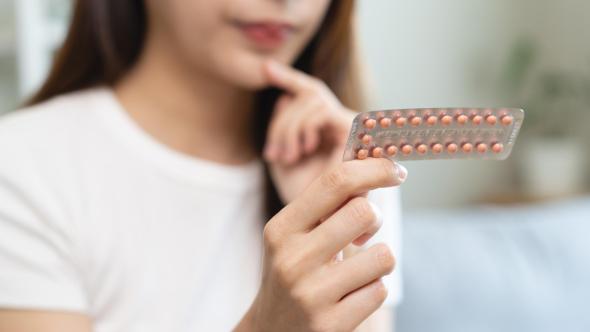
Birth control pills: anticipating the risk of thrombosis for safer prescribing
How can women be better protected against the risks of thrombosis associated with the contraceptive pill? Researchers from the Department of Pharmacy at UNamur have just developed an innovative prediction model that can estimate the risk of thrombosis associated with taking combined oral contraceptives at an earlier stage. The ultimate goal is to support healthcare professionals in prescribing the right pill for each patient.
Venous thrombosis is one of the most serious complications associated with combined oral contraceptives. While this risk is low overall in the general population, it increases significantly in women with specific genetic mutations, such as Factor V Leiden or the G20210A prothrombin mutation, which affects 5 to 7% of the Caucasian population.
"Most people with genetic mutations that promote coagulation disorders are unaware of this because they are not systematically screened. The actual risk of thrombosis when prescribing birth control pills is therefore underestimated for these patients," explains Laure Morimont, a researcher at the Clinical Pharmacology and Toxicology Research Unit (URPC) and head of this research.
A tool combining risk modeling and individual assessment
As part of her doctoral research, Laure Morimont—under the supervision of Professor Jonathan Douxfils (Director of the URPC and member of the Department of Pharmacy)—has been working on the development of a blood test to assess the risk of thrombosis associated with taking the contraceptive pill. This test, known as nAPCsr (Normalized Activated Protein C Sensitivity Ratio), measures the degree of resistance to activated protein C, a natural inhibitor of coagulation.
By cross-referencing the nAPCsr of a sample of patients taking oral contraceptives with data on the actual risk of thrombosis from pharmacovigilance studies, Laure Morimont's team was able to develop and validate a robust prediction model demonstrating a significant correlation between the thrombotic risk estimated by the nAPCsr for a given pill and the actual incidence of thrombosis observed in the population.
Based on this model and the established reference thresholds, the nAPCsr can then be used to assess a patient's individual risk profile. The test generates a score ranging from 0 to 10, allowing the patient to be ranked in relation to these reference values and her eligibility for a given contraceptive pill to be assessed. "If the test results remain within the reference standards, the patient is considered eligible for any contraceptive pill and the doctor can safely prescribe the desired one. On the other hand, if her score deviates from these standards, the doctor can carry out a more thorough assessment or refer the patient to a pill considered to be less risky. Ultimately, our goal is to help the medical profession in its choice of prescription," emphasizes Laure Morimont.
Currently available in several hospitals in Wallonia at a cost of approximately €70, the test is currently under discussion with a view to partial or total reimbursement by health insurance companies.
Scientific recognition and future prospects
The result of six years of research, the work of the URPC team has just been published in Research and Practice in Thrombosis and Haemostasis (RPTH), a journal of the International Society on Thrombosis and Haemostasis (ISTH), an international learned society specializing in thrombosis and hemostasis.
In this publication, we have further developed the prediction model to make it more robust. Using the clinical data obtained, we demonstrate that it is possible to estimate the risk of thrombosis associated with a contraceptive pill well before the actual incidence data are available. This is an important step that paves the way for earlier assessment of the safety of contraceptive formulas.
This publication will also serve as the basis for efforts underway with the European Medicines Agency to recognize this test as an official biomarker.
At the same time, Laure Morimont and her team are continuing their efforts to raise awareness among general practitioners and gynecologists in Wallonia, with the aim of making the test known to a wider range of patients. The nAPCsr is also set to be used outside Belgium, thanks to a collaboration initiated with a hospital in France.
The Clinical Pharmacology and Toxicology Research Unit (URPC)
The main mission of the Clinical Pharmacology and Toxicology Research Unit (URPC) at UNamur is to conduct studies and research aimed at evaluating the efficacy, safety, and clinical impact of drugs, treatments, and medical interventions. It brings together researchers from different departments within the Faculty of Medicine.
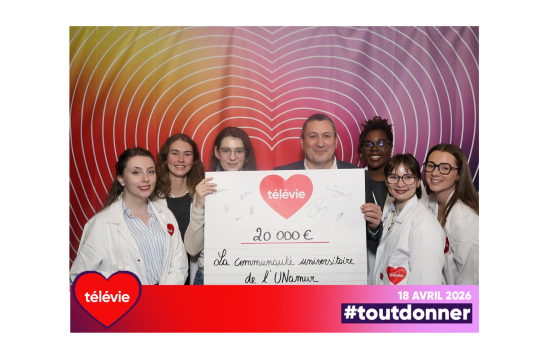
Two UNamur researchers win prizes in Ma thèse en 180 secondes competition
Beautiful victory for Margaux Mignolet, a researcher at the Faculty of Medicine's Unité de Recherche en Physiologie Moléculaire (URPhyM), who wins 1st prize in the Belgian inter-university final of the Ma thèse en 180 secondes (MT180) competition. Her research? To better understand the mechanisms of antibodies active in cases of long COVID. The second prize in this national competition was also won by a candidate from Namur. It was Petra Manja, from the Unité de Recherche en biologie des micro-organismes (URBM), Department of Biology, Faculty of Science, and is pursuing a thesis aimed at understanding resistance mechanisms in the bacterium E. coli. Both are also researchers at the NARILIS Institute.
First prize for Margaux Mignolet and her research on COVID long
"The world of Dory the antibody" is the popularized title of Margaux Mignolet's thesis. This neuroscience researcher is part of the Unité de Recherche en Physiologie Moléculaire (URPhyM) at the Faculty of Medicine. She works under the supervision of Professor Charles Nicaise and is also a member of the NARILIS Institute. She studies pathogenic autoantibodies in patients with post-acute neurological sequelae of COVID-19.
"Many people still suffer from persistent symptoms after COVID (e.g. memory disorders, fatigue, pain,...). This condition is called long COVID. The mechanism is still unknown. One hypothesis is that patients have antibodies that attack their nervous system, inducing an autoimmune disease. The aim of my thesis is to determine whether patients have these antibodies. This will enable better patient care", explains Margaux Mignolet.
On Wednesday May 21, 2025, she brilliantly succeeded in popularizing her research topic and captivating the audience using clear, simple language, at the national inter-university final of the MT 180 competition. The aim of the competition is to inform the general public about the richness and interest of scientific research, while developing the communication skills of doctoral students. Each participant (doctoral student or doctor who graduated in the previous academic year) presents a clear, concise and convincing three-minute popular presentation in French on his or her thesis. All with the support of a single slide!
And Margaux Mignolet managed to convince the jury, as she won first prize in the competition!
A fine accolade for this enthusiast of the human body and medicine. "I've always been fascinated by how our bodies work, and I've always wanted to understand how diseases work and how to cure them. So I studied biomedical sciences in Namur to be able to work in research," she confides. "I never expected to win this prize! The fourteen other participants presented topics that were each more exciting than the last, and the pitches were really well written. I'm very happy to have won this prize, with Petra by my side, and to have been able to experience this competition alongside Thomas and Petra."
Second prize for Petra Manja and her research in microbiology
Doctoral students from UNamur shone particularly brightly in this competition, with second prize going to Petra Manja, a microbiology researcher at the Research Unit in Microorganism Biology (URBM) of the Faculty of Science (NARILIS Institute). She is a member of Prof. Régis Hallez's research group. Her thesis aims to understand the persistence mechanisms of the E. coli uropathogenic bacterium.
"Uropathogenic E. coli is one of the bacteria that causes cystitis. Treatment of cystitis is difficult, not least because of its persistence. When the bacteria are treated with antibiotics, the majority of the population dies, except for a small population that goes dormant and thus avoids treatment. Studies have shown that a molecule called alarmone plays a role in this form of persistence. The aim of my research is to find out more about this role. To understand it, I'm interested in the protein that produces alarmone, called SpoT. The idea is to find a regulator of SpoT that will be activated when bacteria are treated with antibiotics. This regulator will in turn activate SpoT which leads to alarmone production and bacterial dormancy," she explains. "I really enjoyed this experience, I learned how to popularize my work to make it accessible to the general public. It's also for them that we do science", she reacts.
Her presentation was entitled: "Dormir pour ne pas mourir".
A fine performance for Thomas Rouma and his research on immune responses
Thomas Rouma, also a researcher at URBM (Faculty of Science) and the NARILIS Institute, and whose doctoral thesis is co-directed by Professors Eric Muraille and Xavier De Bolle, is studying the protective immune response against lung infections caused by Acinetobacter baumannii in mice.
His presentation was entitled: "How to get rid of a freeloader!"
Congratulations to Margaux, Petra and Thomas, who rose to the challenge of presenting their thesis in 180 seconds!
15 PhD students, 180 seconds to convince
Each year, the MT180 competition takes place initially in the five universities of the Wallonia-Brussels Federation: UCLouvain, ULB, ULiège, UMONS and UNamur. Each university nominates candidates to take part in the inter-university final. This year, the inter-university final brought together 15 doctoral students, including the 3 candidates from UNamur: Margaux Mignolet, Petra Manja and Thomas Rouma.
QUALIblood, a spin-off for the medicine of tomorrow
One of the major concerns with the disease caused by Covid-19 is its severe course, which causes many problems that can lead to hospital overload. Early detection of whether or not a person is at risk of developing a severe form of the disease is therefore crucial to optimise patient care and hospital resource management. This is one of the objectives of the study carried out by QUALIblood, a UNamur spin-off, in collaboration with the Department of Pharmacy and many other industrial and hospital partners. Exploration of a cutting-edge technology at the service of health.
Mars 2020. Alors que la plupart des dépistages du Covid-19 sont réalisés via un frottis nasopharyngé soumis à un test RT-PCR, Jonathan Douxfils et ses collaborateurs se lancent dans une étude clinique pour évaluer quels paramètres sanguins pourraient prédire la sévérité de la maladie. Concrètement, le projet COVIMOA (« COVI » pour Covid et « MOA » pour technologie Simoa® de Quanterix) est mené sur base d’analyses effectuées sur des échantillons sanguins de patients aux profils variés, positifs au virus, et suivis durant la durée de leur hospitalisation. L’équipe du chercheur démontre qu’il est possible d’y détecter la présence du virus SARS-CoV-2, même à des taux extrêmement faibles, et de vérifier si des anticorps ont déjà été produits par le patient, pour peu que l’on dispose de la technologie nécessaire. Cette technologie, QUALIblood la possède. Elle a fait l’acquisition d’un outil assez exceptionnel, dont il n’existe que 90 exemplaires en Europe, et qui permet de réaliser des mesures de marqueurs sanguins d’une sensibilité au minimum 1000 fois supérieure à la technologie ELISA (voir encadré ci-contre), permettant la détection de biomarqueurs avec un prélèvement capillaire, c’est-à-dire une goutte de sang au bout du doigt.
Dépistage : trois types de tests
Le dépistage est l'un des piliers de la stratégie mise en place pour enrayer l'épidémie de Covid-19. Trois types de tests sont utilisés : les tests moléculaires (RT-PCR), les tests antigéniques (disponibles en pharmacie) et les tests sérologiques. La détection de protéines spécifiques dans le sang peut se faire via un test ELISA signifiant Enzyme Linked ImmunoSorbent Assay. Ce test va permettre de reconnaître la protéine d’intérêt et de générer un signal suite à la formation d’un complexe entre cette protéine et les constituants du test. La technologie Simoa® utilisée par le laboratoire QUALIblood pousse cette technologie à son paroxysme puisqu’elle permet de détecter les protéines pratiquement une à une, repoussant les limites de détection à des valeurs inégalées à ce jour. La détection de protéine spécifique à des teneurs extrêmement faibles permettra de détecter des maladies avant même qu’elles ne se manifestent cliniquement.
COVIMOA : à la recherche d’un biomarqueur pour anticiper la sévérité de la maladie
Le projet COVIMOA, s’inscrit dans la lignée des projets du COVILAB namurois, un rassemblement de laboratoires industriels, hospitaliers et universitaires initié par Jonathan Douxfils visant à mettre leurs expertises respectives en commun pour travailler sur le Covid-19. Ce projet implique de nombreux acteurs, dont les membres de la spin-off, des chercheurs du Département de pharmacie de l’Institut NARILIS, des professionnels de la santé de diverses institutions hospitalières en Wallonie et à Bruxelles et même des étudiants en sciences pharmaceutiques de l’UNamur.
Il s’agit en fait d’étudier le lien entre la virémie, c’est-à-dire le taux de présence du virus dans le sang, et la réponse immunitaire des patients. Cela permet d’objectiver si, par exemple, un patient atteint d’une forme sévère de la maladie présente une virémie élevée et une réponse immunitaire faible.
Ensuite, sur base de cette hypothèse, il faut analyser la corrélation entre la virémie et la sévérité de la maladie, pour s’en servir comme biomarqueur prédictif d’une évolution grave de la maladie. Dans le cadre de l’étude menée par ce groupe de recherche, la sévérité de la maladie a été objectivée selon les recommandations de l’OMS. De façon impressionnante, il ressort que la mesure de la charge virale sanguine permet de distinguer de manière précoce les cas sévères des non-sévères, une distinction qui n’est pas observée avec la RT-PCR réalisée sur frotti nasopharyngé. Jonathan Douxfils, CEO du laboratoire QUALIblood et académique à l’Université de Namur : « Une fois que le patient dépasse un certain seuil de virus dans le sang, il peut avoir jusqu’à 30 fois plus de risque de développer une forme sévère de la maladie. D’un point de vue pronostique, c’est remarquable ! […] À l’échelle du patient, ceci nous permet d’agir rapidement auprès de ceux dont la symptomatologie initiale n’est pas spécialement évocatrice d’une évolution vers une forme sévère. Sur le plan logistique, ceci pourrait permettre d’identifier les patients risquant d’évoluer vers une forme sévère afin de s’assurer que les ressources hospitalières disponibles sont suffisantes et d’anticiper un transfert vers une autre institution au cas où les ressources locales ne suffiraient pas ».
Outre le fait que ce test est capable de prédire la sévérité de la maladie, c’est aussi un excellent outil de diagnostic alternatif à la RT-PCR sur frottis nasopharyngé. « Dans notre étude, 100% des sujets positifs en RT-PCR et considérés comme contagieux étaient positifs au test sanguin proposé par QUALIblood » précise Julien Favresse, Pharmacien Biologiste à la Clinique Saint-Luc de Bouge et initiateur du COVILAB avec Jonathan Douxfils. Une discrimination importante puisque beaucoup de tests RT-PCR sont rapportés positifs alors que la charge virale est trop faible pour considérer le patient comme contagieux selon les critères du Center for Disease Control and Prevention américain. Un pas en avant vers plus d’objectivité dans le diagnostic et les mesures sanitaires qui en découlent.
C’était la promesse de QUALIblood lors de sa création en 2017 : de belles perspectives de recherche et une valorisation technologique indéniable dans un domaine de premier plan grâce à des collaborations académiques et extra-académiques. Ceci génère des résultats concrets au service de la santé pour tous.
Les équipes en étroite collaboration avec QUALIblood
- Jean-Louis Bayart, pharmacien-biologiste et Grégoire Wieers, Clinique St Pierre d’Ottignies
- Julien Favresse, pharmacien-biologiste, clinique St Luc de Bouge
- Hélène Haguet, doctorante et le Département de pharmacie de l’UNamur, notamment Constant Gillot
- Marie Tré-Hardy, Hôpitaux Iris Sud
- Christophe Beauloye, UCL ; CHU UCL Namur
- Volition RX
- Hôpital de Clermont-Ferrand (France)
Quelques chiffres
33
Publications
2
Thèses de doctorat
1
Doctorat en entreprise
4
Etudes cliniques COVID-19
An immersive game to strengthen interprofessional collaboration in healthcare
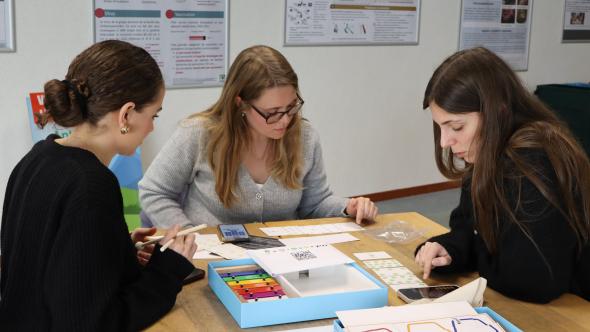
On Thursday, March 12, students from the Master’s program in General Medicine and the Master’s program in Pharmaceutical Sciences at UNamur, as well as students from the Master’s program in Nursing at Henallux, gathered to test “Eugène’s Journey,” an immersive game created as part of the PUNCh (Namur University Pedagogy in Transition) project. This educational game was designed to strengthen communication and collaboration among future healthcare professionals. Following the gameplay phase, a structured debriefing was conducted with the students to transform the experience into a collective learning opportunity.
This PUNCh project, led by Hélène Givron, associate professor and educational coordinator in the Department of Psychology at the University of Namur, is designed to address educational needs in interprofessional training. The goal was to develop a fun, flexible tool that could be adapted for use in various contexts, in order to address a significant challenge in the field.
The main objective of this workshop was to strengthen interprofessional communication and collaboration in the healthcare field. A multidisciplinary team was therefore formed, composed of representatives from various sectors: Catherine Magnette (Instructor, Department of Medicine), Romain Siriez (Educational Coordinator, Department of Pharmacy), and Laura Demarthe (Assistant, Department of Psychology), to bring together students from the Master’s in General Practice and the Master’s in Pharmaceutical Sciences at UNamur, as well as the Master’s in Nursing (Hénallux), to address these issues.
An immersive game experience designed to explore collaboration in a hospital setting
The workshop was based on the board game “Eugène’s Journey,” designed by Christine Laurent (a public health physician and educational game designer) and inspired by the concept of an escape room, with the aim of providing students with an immersive and collaborative experience. Participants were divided into teams of three to four players, consisting of a physician, a nurse, and one or two pharmacists, to encourage interprofessional collaboration. Each team had to progress through a scenario by solving a series of puzzles within 45 minutes, under the watchful eye of instructors. To succeed, students had to collaborate and rely on verbal communication to exchange ideas, share information, and coordinate their actions
This educational tool draws on various skills essential to teamwork, such as active listening, the ability to clearly articulate ideas, task coordination, and collective decision-making. Each puzzle presented a challenge that required genuine cooperation among group members, as no solution could be found by working alone.
A structured debriefing to turn experience into learning
Following the game phase, a debriefing session was held with all participants. This discussion aimed to reflect on the experience gained during the workshop and to encourage students to think about the concepts of collaboration and interprofessional communication in the healthcare context. The game served as a tool to illustrate certain cooperative scenarios, but also to highlight challenges related to coordination and information sharing. The debriefing thus facilitated a dialogue among students from different programs regarding the barriers and enablers of effective communication. Participants had the opportunity to share their feelings, compare their perspectives, and discuss strategies to promote better collaboration among healthcare professionals.
The educational objectives of the workshop were clearly defined:
- Address the skills necessary for interprofessional collaboration, such as communication and collective decision-making.
- Identify the drivers and barriers to interprofessional collaboration.
- Contribute to improving the quality and safety of care through better coordination among professionals.
In just 1 hour and 45 minutes, it is probably unrealistic to expect to see an improvement in students’ skills. However, we hope that they will gain a better understanding of interprofessional communication. We are trying to plant the seeds for their future collaborative practices.
Student Testimonials
“I hope this experience will lead to a change in practice. The game gives you the tools to assert yourself, especially as a young doctor when you have to integrate into teams with more experienced colleagues. It helps you stand your ground and build self-confidence.” — Yorick, medical student
“Based on the information we received, we expected an activity with exclusively ‘medical’ content. This unique experience takes us beyond the scope of typical role-playing scenarios.” - Margaux, medical student
“I found this workshop to be very useful; it adds value and is very interesting. We never have simulations focused on collaboration. It would be interesting to incorporate this into the curriculum.” – Nursing student
A versatile tool
The game “Eugène’s Journey” was designed by Dr. Christine Laurent, a public health physician and educational game designer, in collaboration with Emeline Boreux, a graphic designer and illustrator. “The game’s development spanned a year and a half, allowing time to create a structure robust enough to accommodate a variety of puzzles and multiple educational objectives. Its versatility lies in the ability to modify the central puzzle, adapt the clues, and tailor the debriefing to different skills depending on the audience. This tool can indeed be adapted to other disciplines, such as project management or engineering, for example,” explains Christine Laurent, the game’s designer.
Interactivity at the heart of the general practice curriculum
This experience is part of a series of immersive sessions offered to students in the Master’s program in General Practice at UNamur. “Students spend most of their time on clinical rotations during their master’s program. However, they also have several more academic-focused days during which we strive to develop interactive activities,” explains Catherine Magnette, lecturer and general practitioner. The upcoming workshops will therefore focus on interprofessional collaboration in the event of an outbreak in nursing homes and on collaboration with medical consultants and occupational physicians.
Birth control pills: anticipating the risk of thrombosis for safer prescribing
How can women be better protected against the risks of thrombosis associated with the contraceptive pill? Researchers from the Department of Pharmacy at UNamur have just developed an innovative prediction model that can estimate the risk of thrombosis associated with taking combined oral contraceptives at an earlier stage. The ultimate goal is to support healthcare professionals in prescribing the right pill for each patient.
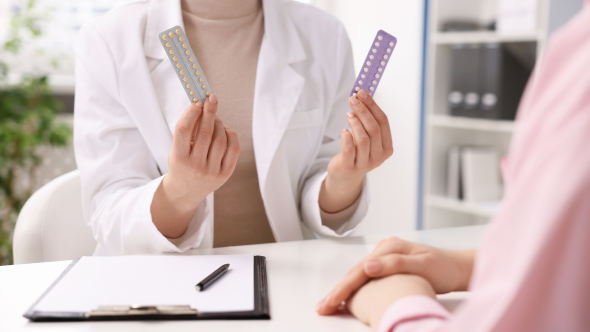
Venous thrombosis is one of the most serious complications associated with combined oral contraceptives. While this risk is low overall in the general population, it increases significantly in women with specific genetic mutations, such as Factor V Leiden or the G20210A prothrombin mutation, which affects 5 to 7% of the Caucasian population.
"Most people with genetic mutations that promote coagulation disorders are unaware of this because they are not systematically screened. The actual risk of thrombosis when prescribing birth control pills is therefore underestimated for these patients," explains Laure Morimont, a researcher at the Clinical Pharmacology and Toxicology Research Unit (URPC) and head of this research.
A tool combining risk modeling and individual assessment
As part of her doctoral research, Laure Morimont—under the supervision of Professor Jonathan Douxfils (Director of the URPC and member of the Department of Pharmacy)—has been working on the development of a blood test to assess the risk of thrombosis associated with taking the contraceptive pill. This test, known as nAPCsr (Normalized Activated Protein C Sensitivity Ratio), measures the degree of resistance to activated protein C, a natural inhibitor of coagulation.
By cross-referencing the nAPCsr of a sample of patients taking oral contraceptives with data on the actual risk of thrombosis from pharmacovigilance studies, Laure Morimont's team was able to develop and validate a robust prediction model demonstrating a significant correlation between the thrombotic risk estimated by the nAPCsr for a given pill and the actual incidence of thrombosis observed in the population.
Based on this model and the established reference thresholds, the nAPCsr can then be used to assess a patient's individual risk profile. The test generates a score ranging from 0 to 10, allowing the patient to be ranked in relation to these reference values and her eligibility for a given contraceptive pill to be assessed. "If the test results remain within the reference standards, the patient is considered eligible for any contraceptive pill and the doctor can safely prescribe the desired one. On the other hand, if her score deviates from these standards, the doctor can carry out a more thorough assessment or refer the patient to a pill considered to be less risky. Ultimately, our goal is to help the medical profession in its choice of prescription," emphasizes Laure Morimont.
Currently available in several hospitals in Wallonia at a cost of approximately €70, the test is currently under discussion with a view to partial or total reimbursement by health insurance companies.
Scientific recognition and future prospects
The result of six years of research, the work of the URPC team has just been published in Research and Practice in Thrombosis and Haemostasis (RPTH), a journal of the International Society on Thrombosis and Haemostasis (ISTH), an international learned society specializing in thrombosis and hemostasis.
In this publication, we have further developed the prediction model to make it more robust. Using the clinical data obtained, we demonstrate that it is possible to estimate the risk of thrombosis associated with a contraceptive pill well before the actual incidence data are available. This is an important step that paves the way for earlier assessment of the safety of contraceptive formulas.
This publication will also serve as the basis for efforts underway with the European Medicines Agency to recognize this test as an official biomarker.
At the same time, Laure Morimont and her team are continuing their efforts to raise awareness among general practitioners and gynecologists in Wallonia, with the aim of making the test known to a wider range of patients. The nAPCsr is also set to be used outside Belgium, thanks to a collaboration initiated with a hospital in France.
The Clinical Pharmacology and Toxicology Research Unit (URPC)
The main mission of the Clinical Pharmacology and Toxicology Research Unit (URPC) at UNamur is to conduct studies and research aimed at evaluating the efficacy, safety, and clinical impact of drugs, treatments, and medical interventions. It brings together researchers from different departments within the Faculty of Medicine.
Two UNamur researchers win prizes in Ma thèse en 180 secondes competition
Beautiful victory for Margaux Mignolet, a researcher at the Faculty of Medicine's Unité de Recherche en Physiologie Moléculaire (URPhyM), who wins 1st prize in the Belgian inter-university final of the Ma thèse en 180 secondes (MT180) competition. Her research? To better understand the mechanisms of antibodies active in cases of long COVID. The second prize in this national competition was also won by a candidate from Namur. It was Petra Manja, from the Unité de Recherche en biologie des micro-organismes (URBM), Department of Biology, Faculty of Science, and is pursuing a thesis aimed at understanding resistance mechanisms in the bacterium E. coli. Both are also researchers at the NARILIS Institute.
First prize for Margaux Mignolet and her research on COVID long
"The world of Dory the antibody" is the popularized title of Margaux Mignolet's thesis. This neuroscience researcher is part of the Unité de Recherche en Physiologie Moléculaire (URPhyM) at the Faculty of Medicine. She works under the supervision of Professor Charles Nicaise and is also a member of the NARILIS Institute. She studies pathogenic autoantibodies in patients with post-acute neurological sequelae of COVID-19.
"Many people still suffer from persistent symptoms after COVID (e.g. memory disorders, fatigue, pain,...). This condition is called long COVID. The mechanism is still unknown. One hypothesis is that patients have antibodies that attack their nervous system, inducing an autoimmune disease. The aim of my thesis is to determine whether patients have these antibodies. This will enable better patient care", explains Margaux Mignolet.
On Wednesday May 21, 2025, she brilliantly succeeded in popularizing her research topic and captivating the audience using clear, simple language, at the national inter-university final of the MT 180 competition. The aim of the competition is to inform the general public about the richness and interest of scientific research, while developing the communication skills of doctoral students. Each participant (doctoral student or doctor who graduated in the previous academic year) presents a clear, concise and convincing three-minute popular presentation in French on his or her thesis. All with the support of a single slide!
And Margaux Mignolet managed to convince the jury, as she won first prize in the competition!
A fine accolade for this enthusiast of the human body and medicine. "I've always been fascinated by how our bodies work, and I've always wanted to understand how diseases work and how to cure them. So I studied biomedical sciences in Namur to be able to work in research," she confides. "I never expected to win this prize! The fourteen other participants presented topics that were each more exciting than the last, and the pitches were really well written. I'm very happy to have won this prize, with Petra by my side, and to have been able to experience this competition alongside Thomas and Petra."
Second prize for Petra Manja and her research in microbiology
Doctoral students from UNamur shone particularly brightly in this competition, with second prize going to Petra Manja, a microbiology researcher at the Research Unit in Microorganism Biology (URBM) of the Faculty of Science (NARILIS Institute). She is a member of Prof. Régis Hallez's research group. Her thesis aims to understand the persistence mechanisms of the E. coli uropathogenic bacterium.
"Uropathogenic E. coli is one of the bacteria that causes cystitis. Treatment of cystitis is difficult, not least because of its persistence. When the bacteria are treated with antibiotics, the majority of the population dies, except for a small population that goes dormant and thus avoids treatment. Studies have shown that a molecule called alarmone plays a role in this form of persistence. The aim of my research is to find out more about this role. To understand it, I'm interested in the protein that produces alarmone, called SpoT. The idea is to find a regulator of SpoT that will be activated when bacteria are treated with antibiotics. This regulator will in turn activate SpoT which leads to alarmone production and bacterial dormancy," she explains. "I really enjoyed this experience, I learned how to popularize my work to make it accessible to the general public. It's also for them that we do science", she reacts.
Her presentation was entitled: "Dormir pour ne pas mourir".
A fine performance for Thomas Rouma and his research on immune responses
Thomas Rouma, also a researcher at URBM (Faculty of Science) and the NARILIS Institute, and whose doctoral thesis is co-directed by Professors Eric Muraille and Xavier De Bolle, is studying the protective immune response against lung infections caused by Acinetobacter baumannii in mice.
His presentation was entitled: "How to get rid of a freeloader!"
Congratulations to Margaux, Petra and Thomas, who rose to the challenge of presenting their thesis in 180 seconds!
15 PhD students, 180 seconds to convince
Each year, the MT180 competition takes place initially in the five universities of the Wallonia-Brussels Federation: UCLouvain, ULB, ULiège, UMONS and UNamur. Each university nominates candidates to take part in the inter-university final. This year, the inter-university final brought together 15 doctoral students, including the 3 candidates from UNamur: Margaux Mignolet, Petra Manja and Thomas Rouma.
QUALIblood, a spin-off for the medicine of tomorrow
One of the major concerns with the disease caused by Covid-19 is its severe course, which causes many problems that can lead to hospital overload. Early detection of whether or not a person is at risk of developing a severe form of the disease is therefore crucial to optimise patient care and hospital resource management. This is one of the objectives of the study carried out by QUALIblood, a UNamur spin-off, in collaboration with the Department of Pharmacy and many other industrial and hospital partners. Exploration of a cutting-edge technology at the service of health.
Mars 2020. Alors que la plupart des dépistages du Covid-19 sont réalisés via un frottis nasopharyngé soumis à un test RT-PCR, Jonathan Douxfils et ses collaborateurs se lancent dans une étude clinique pour évaluer quels paramètres sanguins pourraient prédire la sévérité de la maladie. Concrètement, le projet COVIMOA (« COVI » pour Covid et « MOA » pour technologie Simoa® de Quanterix) est mené sur base d’analyses effectuées sur des échantillons sanguins de patients aux profils variés, positifs au virus, et suivis durant la durée de leur hospitalisation. L’équipe du chercheur démontre qu’il est possible d’y détecter la présence du virus SARS-CoV-2, même à des taux extrêmement faibles, et de vérifier si des anticorps ont déjà été produits par le patient, pour peu que l’on dispose de la technologie nécessaire. Cette technologie, QUALIblood la possède. Elle a fait l’acquisition d’un outil assez exceptionnel, dont il n’existe que 90 exemplaires en Europe, et qui permet de réaliser des mesures de marqueurs sanguins d’une sensibilité au minimum 1000 fois supérieure à la technologie ELISA (voir encadré ci-contre), permettant la détection de biomarqueurs avec un prélèvement capillaire, c’est-à-dire une goutte de sang au bout du doigt.
Dépistage : trois types de tests
Le dépistage est l'un des piliers de la stratégie mise en place pour enrayer l'épidémie de Covid-19. Trois types de tests sont utilisés : les tests moléculaires (RT-PCR), les tests antigéniques (disponibles en pharmacie) et les tests sérologiques. La détection de protéines spécifiques dans le sang peut se faire via un test ELISA signifiant Enzyme Linked ImmunoSorbent Assay. Ce test va permettre de reconnaître la protéine d’intérêt et de générer un signal suite à la formation d’un complexe entre cette protéine et les constituants du test. La technologie Simoa® utilisée par le laboratoire QUALIblood pousse cette technologie à son paroxysme puisqu’elle permet de détecter les protéines pratiquement une à une, repoussant les limites de détection à des valeurs inégalées à ce jour. La détection de protéine spécifique à des teneurs extrêmement faibles permettra de détecter des maladies avant même qu’elles ne se manifestent cliniquement.
COVIMOA : à la recherche d’un biomarqueur pour anticiper la sévérité de la maladie
Le projet COVIMOA, s’inscrit dans la lignée des projets du COVILAB namurois, un rassemblement de laboratoires industriels, hospitaliers et universitaires initié par Jonathan Douxfils visant à mettre leurs expertises respectives en commun pour travailler sur le Covid-19. Ce projet implique de nombreux acteurs, dont les membres de la spin-off, des chercheurs du Département de pharmacie de l’Institut NARILIS, des professionnels de la santé de diverses institutions hospitalières en Wallonie et à Bruxelles et même des étudiants en sciences pharmaceutiques de l’UNamur.
Il s’agit en fait d’étudier le lien entre la virémie, c’est-à-dire le taux de présence du virus dans le sang, et la réponse immunitaire des patients. Cela permet d’objectiver si, par exemple, un patient atteint d’une forme sévère de la maladie présente une virémie élevée et une réponse immunitaire faible.
Ensuite, sur base de cette hypothèse, il faut analyser la corrélation entre la virémie et la sévérité de la maladie, pour s’en servir comme biomarqueur prédictif d’une évolution grave de la maladie. Dans le cadre de l’étude menée par ce groupe de recherche, la sévérité de la maladie a été objectivée selon les recommandations de l’OMS. De façon impressionnante, il ressort que la mesure de la charge virale sanguine permet de distinguer de manière précoce les cas sévères des non-sévères, une distinction qui n’est pas observée avec la RT-PCR réalisée sur frotti nasopharyngé. Jonathan Douxfils, CEO du laboratoire QUALIblood et académique à l’Université de Namur : « Une fois que le patient dépasse un certain seuil de virus dans le sang, il peut avoir jusqu’à 30 fois plus de risque de développer une forme sévère de la maladie. D’un point de vue pronostique, c’est remarquable ! […] À l’échelle du patient, ceci nous permet d’agir rapidement auprès de ceux dont la symptomatologie initiale n’est pas spécialement évocatrice d’une évolution vers une forme sévère. Sur le plan logistique, ceci pourrait permettre d’identifier les patients risquant d’évoluer vers une forme sévère afin de s’assurer que les ressources hospitalières disponibles sont suffisantes et d’anticiper un transfert vers une autre institution au cas où les ressources locales ne suffiraient pas ».
Outre le fait que ce test est capable de prédire la sévérité de la maladie, c’est aussi un excellent outil de diagnostic alternatif à la RT-PCR sur frottis nasopharyngé. « Dans notre étude, 100% des sujets positifs en RT-PCR et considérés comme contagieux étaient positifs au test sanguin proposé par QUALIblood » précise Julien Favresse, Pharmacien Biologiste à la Clinique Saint-Luc de Bouge et initiateur du COVILAB avec Jonathan Douxfils. Une discrimination importante puisque beaucoup de tests RT-PCR sont rapportés positifs alors que la charge virale est trop faible pour considérer le patient comme contagieux selon les critères du Center for Disease Control and Prevention américain. Un pas en avant vers plus d’objectivité dans le diagnostic et les mesures sanitaires qui en découlent.
C’était la promesse de QUALIblood lors de sa création en 2017 : de belles perspectives de recherche et une valorisation technologique indéniable dans un domaine de premier plan grâce à des collaborations académiques et extra-académiques. Ceci génère des résultats concrets au service de la santé pour tous.
Les équipes en étroite collaboration avec QUALIblood
- Jean-Louis Bayart, pharmacien-biologiste et Grégoire Wieers, Clinique St Pierre d’Ottignies
- Julien Favresse, pharmacien-biologiste, clinique St Luc de Bouge
- Hélène Haguet, doctorante et le Département de pharmacie de l’UNamur, notamment Constant Gillot
- Marie Tré-Hardy, Hôpitaux Iris Sud
- Christophe Beauloye, UCL ; CHU UCL Namur
- Volition RX
- Hôpital de Clermont-Ferrand (France)
Quelques chiffres
33
Publications
2
Thèses de doctorat
1
Doctorat en entreprise
4
Etudes cliniques COVID-19
Challenges
In order to meet today's challenges, the Department of Pharmacy is embarking on a reform whose main thrusts are:
- developing international openness
- habilitating a master's degree in pharmaceutical sciences
- implementing a quality system
- initiating a program-based approach
- exploiting innovative pedagogies
If you would like more information on this reform, we invite you to read our action plan!