

Image

Department of Medicine
The fight against disease is both a science and an art. Knowledge of human beings, pathologies and medicines is the key to fighting disease. But the essence of the medical art is practiced in contact with patients, who are looking for a doctor who is rigorous, with solid knowledge and sound reasoning, but who is also deeply warm and human.
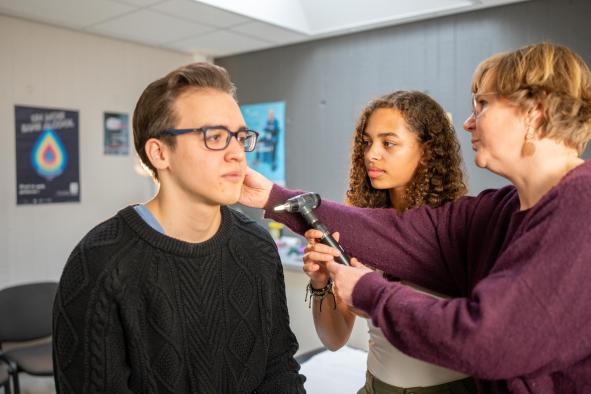
In response to the growing shortage of general practitioners in rural areas, the University of Namur is launching a groundbreaking initiative to encourage future practitioners to explore these regions. This year, nine rural placement centers have been established in the provinces of Namur, Hainaut, and Luxembourg, enabling 26 students in the Master’s program specializing in general practice (a joint UNamur-UCLouvain degree) to complete an internship under conditions that facilitate their immersion. Designed to address barriers related to housing, transportation, and isolation, this pilot program has found a particularly promising first implementation in Chevetogne, in partnership with the Province of Namur and several municipalities.

Today, more than half of Wallonia’s municipalities are facing a shortage of general practitioners, with particularly concerning situations in Hainaut, the southern part of the province of Namur, and the province of Luxembourg. Rural areas are the hardest hit.

For Dr. Dominique Henrion, a general practitioner and director of the master’s program in general medicine at UNamur (joint degree with UCLouvain), it is essential to take action as early as the training phase:
“Repeated clinical rotations in rural areas significantly increase the likelihood that a young doctor will later choose to set up practice there. We also know that students are largely in favor of this. So we needed to turn this interest into a real opportunity.”
However, several obstacles still hinder these hands-on experiences: housing, mobility, and the fear of isolation. It was to address these challenges that the concept of a rural training hub was developed.
In practical terms, these centers offer third-year medical students an internship structured around three key elements: a supervising physician, nearby housing, and transportation arrangements for the entire duration of the internship.
Aurélie Strickaert, a project manager in the Department of Medicine at UNamur, highlights the practical rationale behind the program:
“We wanted to create a simple and effective solution that focuses directly on students’ needs. By combining supervision, housing, and transportation, we’re creating the conditions that make a rural internship truly accessible and attractive.”
This year, nine host centers were established in the provinces of Namur, Hainaut, and Luxembourg, enabling 26 students to gain a diverse hands-on internship experience in the field.
Among these various centers, the one in Chevetogne stands out for its foundational and replicable nature. Its uniqueness lies in the provision of housing within the Chevetogne Provincial Estate, capable of accommodating seven students completing their internships with physicians practicing in the municipalities of Ciney, Houyet, and Rochefort. To facilitate their commutes, each partner municipality provides a CPAS shuttle or a municipal vehicle.
For the Province of Namur, this project is fully aligned with its territorial and well-being priorities. Virginie Solbreux, chief of staff representing Provincial Deputy Isabelle Joiret, explains:
“By supporting this initiative, the Province of Namur is contributing to a concrete solution to the shortage of doctors in rural areas. It is a way to support local stakeholders, enhance the region’s appeal, and participate in an initiative that is meaningful to citizens.”
The Chevetogne Provincial Estate plays a central role in this pilot phase. In addition to providing suitable accommodations, it helps reduce feelings of isolation by bringing the trainees together in a single living space.
For Marie-Julie Baeken, director of the Chevetogne Provincial Estate, this involvement is a natural extension of the site’s mission:
“The Chevetogne Provincial Estate offers a comfortable, welcoming living environment that is well-suited to temporarily hosting students. By participating in this project, we are putting our facilities to work in support of an important societal issue and an innovative regional initiative.”
Beyond providing practical accommodations, the project also helps foster local collaboration between the university, provincial authorities, municipalities, and healthcare professionals.
By exposing students to real-world situations, rural training centers have a twofold objective: to improve internship conditions and, in the longer term, to encourage the establishment of medical facilities in areas that are currently underserved.
Through this initiative, UNamur and its partners demonstrate that an innovative solution to the shortage of medical professionals can emerge from collaboration between academia, public authorities, and local stakeholders. In Chevetogne and the Ciney region, this initiative is now well underway.
An interactive map for objective analysis It is thanks to the fruitful interdisciplinary collaboration between geographers Aliz Hevesi and Catherine Linard, computer scientist Nicolas Matton, and Dr. Dominique Henrion that we owe the launch of an online map presenting a new rurality index specific to Wallonia, which combines population density, urban typology, and travel time to centers of activity. This interactive map aims to improve the planning of healthcare services in rural areas and to guide future general practitioners in their choice of practice location. This new tool has already been featured in the specialized press with a view to making it available to professionals. Published as open source, the interactive map is accessible for free below.
Since 2023, the UNamur University Observatory on Rural Medicine (OUMRu) has been working on the issue of the declining availability of general practice services, particularly in underserved areas of Wallonia, with the aim of identifying potential solutions in collaboration with stakeholders on the ground.
(UNamur-UCLouvain joint degree program)
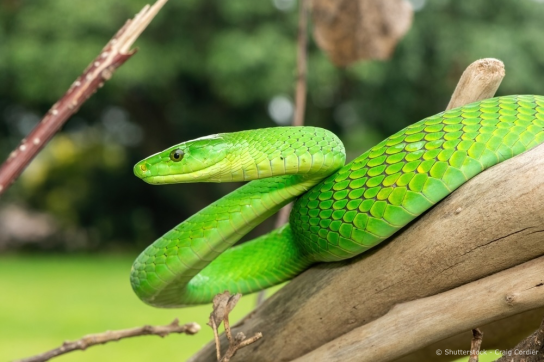
Supported by the SPW Research’s Win4SpinOff program and led by the University of Liège through its Mass Spectrometry Laboratory (MSLab, Faculty of Science) and the University of Namur through its Laboratory of Molecular Cancer Biology, (NARILIS, LBMC, Faculty of Medicine), the VENOM2 project explores the potential of peptides derived from animal venoms to develop new diagnostic and therapeutic solutions in oncology.
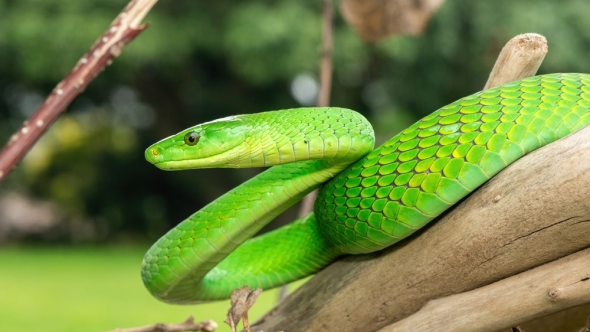
Photo: (c) Shutterstock - Craig Cordier
Animal venoms are a remarkable source of molecular diversity. The study of venoms, known as venomomics, enables the identification and characterization of the peptides and proteins that make them up. Optimized by evolution to interact rapidly and selectively with biological targets, some of these peptides could offer new opportunities to better detect, understand, or target cancer cells.
This is the avenue being explored by the VENOM2 project (Venom-based Exploration for Novel Oncology Molecules), which has just received Win4SpinOff funding, a measure from SPW Research designed to support the maturation of research results with a view to creating spin-off companies in Wallonia.
VENOM2 is initially focusing on a refractory cancer for which treatment options remain limited. This choice is based in particular on the growing interest in certain biological targets involved in tumor progression and treatment resistance, which peptides derived from venoms could help to better detect, modulate, or target.
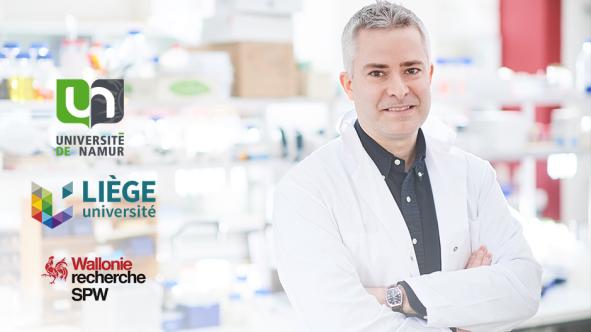
The project is being conducted under the joint supervision of Professors Loïc Quinton (Mass Spectrometry Laboratory, MolSys / Faculty of Sciences, ULiège) and Jean-Pierre Gillet—in the picture - (Laboratory of Molecular Cancer Biology (LBMC), NARILIS Research Institute, Faculty of Medicine, UNamur). It draws on the complementary nature of their respective areas of expertise: on the one hand, mass spectrometry, proteomics, and the detailed analysis of complex biological mixtures such as venoms; on the other hand, the study of mechanisms of cancer resistance to treatments.
The project is led by Lou Freuville, a joint PhD student at MSLab ULiège and LBMC UNamur. In this context, she benefits from the joint supervision of her two advisors to successfully carry out this project.
Specifically, VENOM2 will combine venom fractionation, functional screening on healthy and cancerous cell models, and advanced structural analyses to identify peptides capable of specifically targeting cancer cells or mechanisms involved in tumor progression. The approach thus combines ULiège’s analytical expertise in peptide characterization with UNamur’s expertise in biological and cellular cancer models.
The project’s originality lies in its dual potential for commercialization. Some peptides could be developed as targeting agents for molecular imaging, contributing to more precise diagnosis. Other candidates could have therapeutic potential by selectively modulating key biological pathways in oncology.
“With VENOM2, we aim to transform a biodiversity that remains largely underutilized into opportunities for precision oncology. The Win4SpinOff funding gives us the means to take significant new steps in research and the opportunity to test our ideas in the market. It embodies our commitment to developing innovative therapeutic solutions for cancers resistant to conventional treatments,” emphasize Professors Loïc Quinton and Jean-Pierre Gillet.
Beyond its scientific ambition, VENOM2 is part of a dynamic of technology transfer and value creation, laying the groundwork for a future spin-off company specializing in the development of peptides derived from venoms for human health, with the support of the technology transfer teams at ULiège, UNamur, and ULiège’s commercialization and investment company, Gesval.
“This project lies at the intersection of several areas of expertise: detailed venom analysis, cancer biology, and the development of relevant cellular models. The goal is to identify peptides capable not only of recognizing certain tumor cells, but also of opening new avenues for better understanding and targeting mechanisms involved in cancers resistant to current treatments,” explains Lou Freuville.
The project was developed with the support of technology transfer teams: Yasmina Zeroual for ULiège, Daniel Maréchal for Gesval, as well as Eléana Somville and Joël Marinozzi for UNamur.
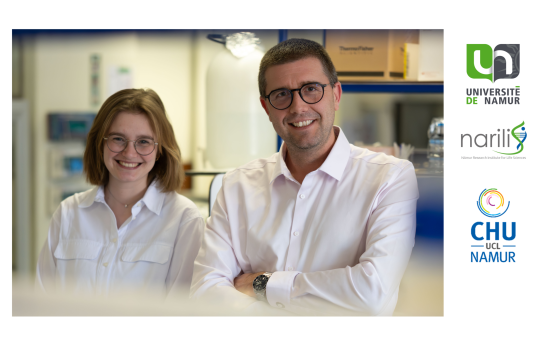
A multidisciplinary research team from the University of Namur (UNamur) and the UCL Namur University Hospital (Godinne campus) has just published a study in the journal Acta Neuropathologica that sheds light on some of the mysteries surrounding the origin of the pain experienced by patients with long COVID. Their findings suggest that these painful symptoms may be mediated by an autoimmune response. In other words: patients produce antibodies that attack their own neurons—those responsible for pain perception and deep body sensation, located along the spine. These highly promising results represent a major scientific breakthrough that opens new avenues for better understanding the disease and, ultimately, developing a treatment targeting the painful symptoms of long COVID.
Long COVID remains difficult to diagnose and treat, particularly in Belgium. A recent report estimated that this hidden epidemic will impose an annual societal cost of tens of billions of euros on OECD member countries. In the absence of clear biomarkers, many practitioners still sometimes mistakenly attribute some of the symptoms to psychosomatic causes. Since 2022, the team led by Prof. Charles Nicaise (Molecular Physiology Research Unit - Namur Research Institute for Life Sciences (NARILIS) - UNamur), notably through the work of Margaux Mignolet, a FRIA researcher and PhD student, has been exploring the hypothesis of immune dysregulation occurring during acute infection and leading to the production of autoantibodies directed against components of the nervous system.
With this in mind, a collaboration has been established between the UNamur team and the team led by Prof. Pierre Bulpa (Intensive Care Unit – UCL Namur University Hospital – Godinne Campus). Patients suffering from long COVID were recruited under the coordination of Prof. Bulpa and Catherine Deroux, a neuropsychologist at the Memory Clinic.

Thirteen patients whose symptoms were consistent with long neurological COVID and were confirmed by tests assessing their cognitive and pain-related complaints were included in this study.
After collecting blood samples, the researchers isolated the patients’ immunoglobulin G (IgG) antibodies and studied their effects in a passive transfer mouse model at Professor Charles Nicaise’s LNR laboratory. The animals underwent a battery of behavioural tests assessing, in particular, pain sensitivity thresholds, as well as other cognitive, anxiety, or depressive disorders.
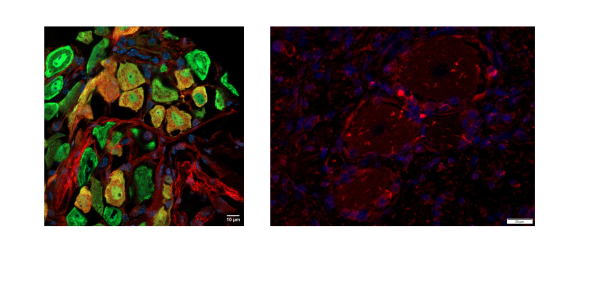
Left: Mouse ganglion (a structure located along the spine). Green indicates sensory neurons; red indicates antibodies from long-COVID patients; yellow indicates the colocalization of neurons and antibodies. This demonstrates that the patients’ antibodies target sensory neurons.
Right: Human ganglion to which antibodies from long-COVID patients were applied to verify whether binding to sensory neurons occurs as in mice. In blue, cell nuclei; in red, antibodies from long-COVID patients, proving that antibodies from long-COVID patients bind to human sensory neurons.
“We are the second group in the world, following UMC Utrecht just a few weeks ago, to demonstrate that painful symptoms in long-COVID patients are mediated by an autoimmune reaction, based on the presence of immunoglobulin G-type autoantibodies,” summarizes Prof. Charles Nicaise.
Other studies conducted independently at Yale University and King’s College London are currently undergoing peer review and appear to support these findings.
These findings help to provide scientific evidence for some aspects of long COVID by establishing a biological basis for the pain component. They open up therapeutic avenues aimed at identifying and then eliminating circulating pathogenic autoantibodies—for example, through plasmapheresis (plasma filtration) or targeted therapies based on anti-autoantibodies. The study suggests, however, that the frequently reported cognitive impairments may stem from other mechanisms that have yet to be elucidated.
The study is based on multidisciplinary work involving clinicians, neurobiologists, and technology platforms, building on the collaborations established during the pandemic. The proximity between UNamur—and more specifically the Narilis Institute—and the UCL Namur University Hospital facilitates the rapid translation of clinical observations into laboratory experiments and contributes to our understanding of public health issues such as long COVID.

As well as all the staff, doctors, virologists, students, laboratory technicians, patients, and volunteers whom the team thanks for their dedication.
The COVID-19 pandemic is a human tragedy that has claimed millions of lives worldwide and placed our entire society under immense strain. But it has also been a powerful collective experience for many scientists at UNamur, whose research continues in an effort to better understand this disease and its consequences.
Read our article: Covid-19, Five Years On: A Look Back at UNamur’s Major Role in Addressing the Pandemic
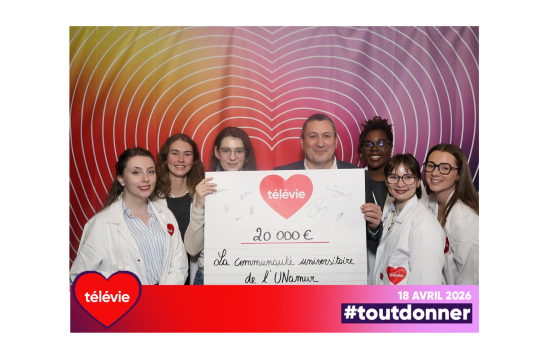
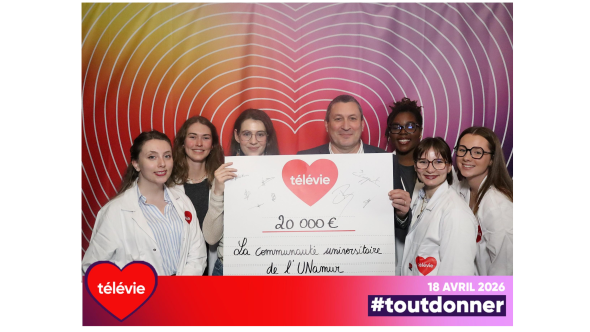
On Saturday, April 18, 2026, Vice-Rector for Research Benoît Champagne and Professor Anne-Catherine Heuskin, a Télévie project sponsor, represented the UNamur community on the set of the Télévie gala. On this occasion, they presented a check for 20,000 euros to support this FRS-FNRS initiative, which raises funds to finance numerous research projects at universities in the Wallonia-Brussels Federation, with one goal: to improve treatments for this disease, which now affects nearly 80,000 new patients and claims nearly 30,000 lives each year in Belgium.
While scientific research has significantly improved the cure rates for certain cancers over the past few decades, others remain incurable or recur quickly. In this regard, advances in scientific research offer real hope to all patients who are looking forward to increasingly targeted and innovative treatments. A closer look at the Télévie projects currently underway at UNamur.

Radiation therapy is a treatment currently used for 50% of cancer patients. Several projects are underway in the Department of Physics under the direction of Professor Anne-Catherine Heuskin, aimed at optimizing its effectiveness while reducing harmful side effects for patients.

Giacomo Lopopolo is studying the effects of oxidative stress caused by radiation therapy and the damage it inflicts on cellular mitochondria, particularly in the treatment of lung cancer. Objective: to determine the necessary doses in treatment plans for conventional radiotherapy or proton therapy to ensure effective treatment while improving the patient’s quality of life. This interdisciplinary project also benefits from the expertise of Professor Thierry Arnould, co-supervisor (URBC).
For her part, Keïla Openge-Navenge is attempting to decipher the mechanisms of radiation resistance at work in breast, lung, and colorectal cancers, and in particular the role of lipid metabolism, ferroptosis, and mitochondria within cancer cells.
Jade Nichols, who has just joined UNamur, is launching a Télévie project to understand the response of macrophages—which play an essential role in shaping the tumor microenvironment—to ultra-high-dose-rate (UHDR) radiation, a phenomenon that has not yet been explored and whose results could eventually help optimize treatment strategies that leverage both radiation and the patient’s own immune responses.
Within the URBC, under the direction of Professor Carine Michiels, several projects aim to better understand the factors contributing to the development of different types of tumors and the mechanisms that are triggered in response to treatment.

Inès Bourriez focuses her research on skin cancers, which account for 40% of all cancers diagnosed today. She is interested in the impact of skin aging and the accumulation of so-called senescent cells on tumor development and progression.
Understanding how cells react to radiation is also the focus of projects led by Emma Lambert, on the one hand, and Manon Van Den Abbeel, on the other, through a collaboration with Anne-Catherine Heuskin at LARN. Manon Van Den Abbeel is studying the irradiation conditions that induce the strongest possible immune response to circumvent the various immunosuppressive mechanisms developed within tumors, thereby enhancing the immunogenicity of tumors and thus their recognition and destruction by the immune system.
Emma Lambert, meanwhile, is launching a project on glioblastoma, an aggressive and currently incurable brain tumor, to better understand the resistance mechanisms that develop during combination treatments using chemotherapy, radiation therapy, or proton therapy.
As for Eloïse Rapport, she is interested in a third form of radiation therapy, using alpha particles—that is, ionized helium atoms—to increase the death of cancer cells within tumors. In particular, she is studying the different forms of induced cell death and their potential immunogenicity.
Pancreatic cancer, particularly pancreatic ductal adenocarcinoma (PDAC), remains one of the deadliest cancers, with a five-year survival rate of only 13%. Because the disease is often asymptomatic in its early stages, it is frequently diagnosed at an advanced stage. This situation, coupled with the lack of effective treatments and the immunosuppressive tumor microenvironment that limits the efficacy of immunotherapies, explains the poor prognosis of PDAC. Early detection of this type of cancer is therefore crucial, but current diagnostic tools have limited sensitivity and specificity.
Emma Thompson has dedicated herself to this project, having joined Professor Marc Hennequart’s team at URPhyM. This research explores the metabolic changes associated with the early progression of PDAC with the aim of identifying new biomarkers that enable earlier detection and intervention, thereby improving patients’ chances of recovery.

As it has done every year for the past 23 years, the UNamur community is organizing a series of events to raise funds for the Télévie campaign. In 2026, students have been particularly active through three initiatives.
On February 18, the ImproNam project team came together once again to face off against the Namur-based troupe Oh My God in a lively improv match, which raised a generous total of 1,058.02 euros.
“It’s always a pleasure to contribute, in our own small way, to a project like Télévie. It’s an event that brings all generations together”—Calixte Henin Groves, student and president of ImproNam.

On March 12, the Student General Assembly brought the house down at the Arsenal during the second edition of the Grand Blind Test at UNamur. It was a fun-filled evening that brought together some thirty teams of staff and students to compete on the biggest hits of the past 30 years, and, thanks to the support of sponsors, raised €6,338.91.
Finally, the Namur Computer Club dedicated its 24-hour charity livestream on the Twitch platform. Over the course of the hours, and thanks to the generosity, activities, and challenges taken on by the Club’s members, a generous sum of €1,831.91 was donated to Télévie.
Well done to everyone!
UNamur thanks all the students and staff members who rallied to support the Télévie campaign on campus. UNamur also thanks all the suppliers and sponsors who have partnered with these initiatives and helped boost the Télévie total. |
For many years, the university community, its alumni, and its partners have been rallying to support cancer research through the Télévie campaign. All donations collected are donated to the FNRS.

Two alumni of the School of Medicine will share their experiences in humanitarian medicine: Dr. Raphaël Rubay, a surgeon at Saint-Luc Bouge Hospital and on humanitarian missions, and Dr. Isabelle Defourny, President of Doctors Without Borders (MSF) France.
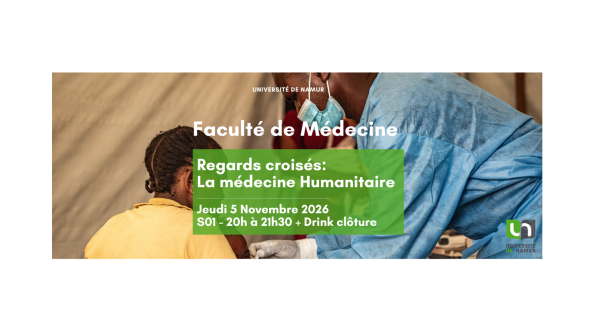
The conference will be followed by a closing reception organized by the Cercle de Médecine and BeMSA Namur.
Free event; registration required.
Contact: Caroline Canon
