The Department of Biomedical Sciences at the University of Namur focuses on the development of tools and techniques dedicated to understanding the functioning of the human body at the molecular, cellular and organic levels. Its aim is to create new therapies and technological devices to improve people's health and quality of life. By training tomorrow's researchers with an active and innovative teaching approach, the department prepares students for their future.
In addition, it offers students the chance to discover a variety of professional opportunities right from the Bachelier, whether in Belgium or internationally, by collaborating directly with companies!
Find out more about the Department of Biomedical Sciences
Spotlight
News
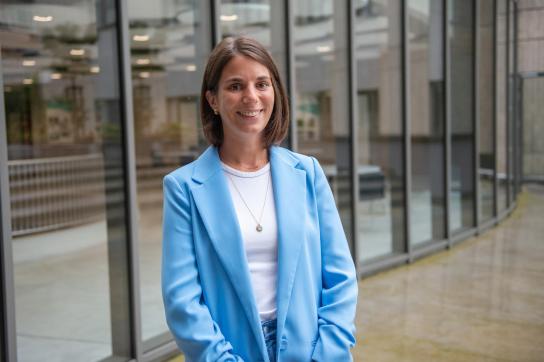
Charlotte Beaudart: A researcher committed to healthy aging
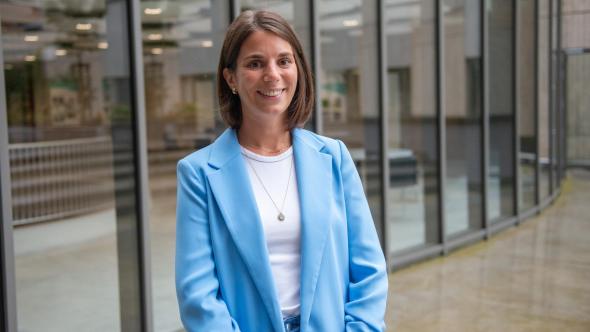
For about a decade, a disease has been attracting the attention of the medical community. Its name: sarcopenia. This condition affects more than 10% of people over the age of 65 and is characterized by a significant loss of muscle mass and strength. Charlotte Beaudart, a member of the Department of Biomedical Sciences and the NARILIS Research Institute, has made a name for herself on the international stage in recent years by contributing to a better understanding of this disease and raising awareness about it.
What led you to specialize in the field of aging?
It all started with my doctoral thesis. I was offered the opportunity to work on sarcopenia, a subject that was relatively unexplored in 2012. It was the very beginning: people were just starting to talk about this disease. I was immediately interested in the topic and quickly realized that research in this field was still in its infancy! I launched a cohort study of 530 patients over the age of 65 who were followed for about ten years. This data led to the publication of numerous studies. It was not until 2016 that sarcopenia was recognized as a distinct pathology. Until then, it was little known to the general public and health professionals. In addition, there were many different definitions of the disease, which added to the complexity. I joined an international group of experts, the GLIS (Global Leadership Initiative in Sarcopenia), which is currently working to establish a global, consensus-based definition of sarcopenia. We are finally moving towards a clear definition and greater awareness of the disease, particularly among doctors.
So how do we define sarcopenia?
Today, sarcopenia is defined as a progressive and generalized loss of muscle strength and mass with advancing age, beyond the physiological threshold. Everyone loses muscle as they age, but we have noticed that some people lose much more than others. We are seeking to understand this interindividual variability, which is influenced by many factors, including genetic and metabolic factors.
What percentage of people are affected?
This disease affects a huge number of elderly people. It is estimated that between 10 and 16% of people over 65 suffer from sarcopenia. This figure rises to 60% for people hospitalized in an oncology ward, for example.
Why does it deserve special attention?
In addition to its high prevalence, it has serious consequences: falls, fractures, hospitalizations, loss of independence, reduced quality of life and, very clearly, increased mortality. Numerous studies are also beginning to show the significant healthcare costs associated with sarcopenia. The impact of sarcopenia therefore extends beyond the individual; we can talk about a real societal impact!
Do you think it is an underestimated public health issue?
It certainly was a few years ago, but the situation is changing. Research is booming and the media is starting to take an interest. Politicians are also paying more and more attention to it, which is very positive. We all want to age well and preserve our physical abilities.
You have developed a specific tool, the SarQol. What is it?
SarQol is a quality of life questionnaire specific to sarcopenia, created ten years ago. The term "specific" is particularly apt, because previously generic tools were used to measure quality of life, which only partially measured its real impact. I have received a huge number of requests to use and translate this questionnaire. It has now been translated into more than forty languages! In view of this enthusiasm, I carried out a meta-analysis which unanimously showed a clear decline in the quality of life of patients with sarcopenia.
This tool is representative of a "patient-centered" approach. How does this approach work in practice?
Clinical research tends to involve the patient more in the care process. If the patient feels listened to and understood, this will influence their condition. SarQoL is part of this approach, as is the Discrete Choice Experiment (DCE) technique, which I am particularly interested in. This is a study of patient preferences in terms of treatment characteristics. To date, there is no drug treatment for sarcopenia. This type of study will therefore enable the pharmaceutical and agri-food industries to offer pharmacological treatments or nutritional supplements tailored to patient preferences. By taking these preferences into account, we can achieve better treatment adherence and, therefore, better results.
In addition to your role as a researcher, you are also an expert in methodology. What does that involve?
Discrete choice experiments (DCEs), like meta-analyses, are methods that can be applied to many areas of research. I am therefore regularly contacted by researchers and clinicians in the health sector, but not only, to apply these tools to their research topics in a practical way. I am very fond of this kind of collaboration, which feeds my scientific curiosity.
Express resume
Charlotte Beaudart is a lecturer in the Department of Biomedical Sciences at UNamur and a member of the NARILIS Institute. Winner of the AstraZeneca Foundation Prize, Namur Citizen of the Year 2024, and holder of a Collen-Franqui Start-Up grant, she sits on several Belgian and international medical councils, including the Belgian Bone Club, the Belgian Aging Muscle Society, the European Society on Clinical and Economic Aspects of Musculoskeletal Disease, and the Global Leadership Initiative in Sarcopenia (GLIS). She recently joined the scientific council of Sciensano and will soon become a member of the College of Young Researchers of the Royal Academy of Medicine of Belgium. Charlotte Beaudart was also awarded the 2025 René de Cooman Prize, an award from the Belgian Society of Gerontology and Geriatrics given to young Belgian researchers for their scientific contribution to the issue of aging.
This article is taken from the "The Expert" section of Omalius magazine #39 (December 2025).
A boost for ageing research thanks to a new Collen-Francqui Start-up Grant for Charlotte Beaudart
Charlotte Beaudart, a lecturer in the Faculty of Medicine's Department of Biomedical Sciences, has been awarded the Mandat Start-Up Collen-Francqui! A prestigious distinction awarded by the Francqui Foundation to support promising young researchers in the development of their research program.
For nearly fifteen years, Charlotte Beaudart has been researching the physiological aspects of aging, exploring themes such as sarcopenia, frailty and intrinsic capacities.
Thanks to her Start-Up Collen-Francqui mandate, she will now be able to devote more time to her research. Time that she wishes to use on the one hand to strengthen her presence in international and interdisciplinary collaborations, and on the other to explore new dimensions in her research on aging."I would like to explore research in the field of osteosarcopenia, defined by the combination of sarcopenia and osteoporosis."
Towards patient-centered research
Charlotte Beaudart defines the majority of her research as "patient-centered". Her wish is to take this approach a step further and thus "more fully take into account the patient's preferences in terms of therapeutic modalities to adapt management proposals and thus hope for better treatment initiation and adherence."
The ultimate aim of this research is to promote more personalized and humane medicine. In this way, the notion of democracy is also included in the healthcare sector.
Expertise in meta-analysis to be developed
In the course of her career as a researcher, Charlotte Beaudart has also developed several methodological expertises, skills in biostatistics and meta-synthesis of scientific literature, which are transposable to numerous themes. "This has already led to numerous interdisciplinary collaborations, for example with UNamur's pharmacy department, but also with several clinicians working in hospitals in the Namur region," continues the scientist. This new mandate will also enable her to further develop this aspect of her research, notably by training her teams in these rigorous methods and strengthening her internal collaborations.
Deciphering resistance mechanisms in liver cancer
Hepatocellular carcinoma is the most common primary liver cancer. Unfortunately, this tumor still has a high mortality rate due to the lack of effective treatments for its most advanced or poorly localized forms. As part of a partnership with the CHU UCL Namur - site de Godinne and with the support of Roche Belgium, researchers in the Department of Biomedical Sciences are trying to understand why liver tumor cells are so resistant to treatment, and to identify therapeutic alternatives to better target them.
The liver is our body's largest internal organ and plays an essential role in many vital functions such as digestion and detoxification. As a result, although diseased, the liver is very well equipped to resist chemical agents sent into the body to treat it, such as chemotherapy. On the strength of his expertise in the field of multi-drug resistance in cancer, Professor Jean-Pierre Gillet, Director of the Department of Biomedical Sciences and the Laboratory of Molecular Cancer Biology at UNamur, is one of the linchpins of a new research project devoted to the resistance mechanisms of hepatocellular carcinoma conducted in collaboration with Drs. Lionel D'Hondt and Quentin Gilliaux, oncologists at the Medical Oncology Department of CHU UCL Namur - site de Godinne.
Olfactory receptors under the microscope
This project focuses on olfactory receptors, proteins localized in the membrane of sensory neurons in the nasal cavity, but which are also found expressed elsewhere in the body. Beyond their role in odor detection, these receptors have highly interesting properties in terms of treatment: they are, in fact, so-called "highly druggable " therapeutic targets, i.e. particularly receptive to small molecule drugs, but also to biological drugs such as, for example, antibodies. In other words, they are excellent candidates for the development of drugs that can bind to them effectively and modulate their function to produce the desired therapeutic effect. Based on the existing literature and Professor Gillet's previous work on liver cancer, the following question arose: would olfactory receptors be specifically expressed in liver tumors and, if so, play a role in their development and mechanisms of resistance to treatment?
To answer this question, an interdisciplinary collaboration was set up between various partners. The Biobank of the CHU UCL Namur in Godinne, which preserves tissue samples taken in particular during tumor removal, made it possible to build up a representative collection of healthy livers, diseased (cirrhotic) livers and liver tumor tissue. Messenger RNA was extracted from these three types of tissue, then sequenced (a method which identifies the genes expressed in the cells). Data analysis was then carried out at Namur Molecular Tech, a molecular biology technology platform located on the Godinne university site and directed by Dr Degosserie. This work led to the identification of six olfactory receptors specifically expressed in tumor cells, and hitherto little studied. They are therefore promising candidates for further investigation of the original hypothesis: deciphering the role of these receptors in the development of treatment-resistant liver tumors.
Support from Roche Belgium
Thanks to their joint expertise and the innovative nature of their research, UNamur and CHU UCL Namur - site de Godinne have been awarded a €50,000 grant to further explore the role of these six olfactory receptors. In collaboration with the CHU Research Laboratory and in particular Dr Morgane Canonne, the UNamur Cancer Molecular Biology Laboratory is currently developing in vitro models, such as organoids, or mini-organ, from liver tumor biopsies. These models will make it possible to test the biological role of olfactory receptors within the cell: does the expression of these receptors in tumor cells induce an increase in their proliferation or aggressiveness? Do they accelerate the generation of metastases in other tissues? Or, on the contrary, does a lack of activation of these receptors contribute to these mechanisms? Depending on the answers to these questions, it will be possible to assess whether these receptors constitute good therapeutic targets within the primary liver tumor, with a view to blocking its metastatic capacity or slowing its development. The ultimate aim is to test targeted treatments on cells from these models, with a view to developing therapeutic alternatives that will offer new hope for patients.
.
This project is the result of an excellent collaboration between different partners who, together, each have their own role to play.
NARILIS, a bridge between hospital and university
Founded in 2010, the Namur Research Institute In Life Sciences (NARILIS) brings together the University of Namur and the CHU UCL Namur - site de Godinne. It brings CHU doctors into dialogue with scientists from a variety of backgrounds, with a resolutely interdisciplinary outlook.
This article was published in the Fond Namur Université newsletter.
UNamur students in direct contact with an astronaut on the ISS.
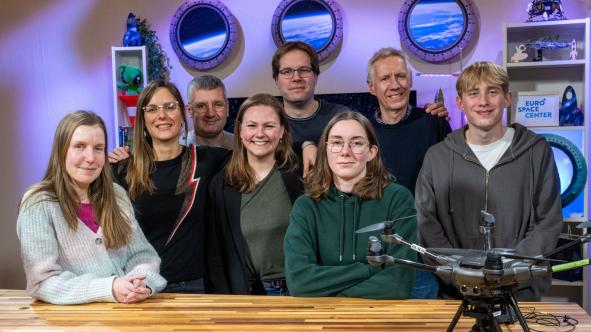
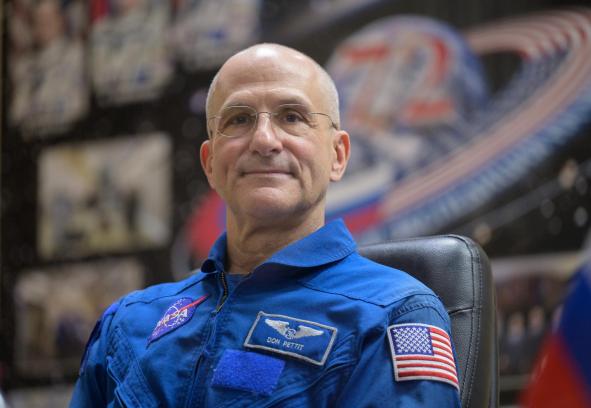
As part of the English course given in the first year of science-medicine, students are introduced to the popularization of scientific concepts in the form of videos. This is the "It's not Rocket Science" project, proposed by Natassia Schutz and Aude Hansel, professors at UNamur's School of Modern Languages (ELV). This year's competition prize-giving event featured a highlight: a live audio connection with Donald Pettit, American astronaut, currently aboard the International Space Station.
The project's ambition is to make science accessible to as many people as possible, especially high school students. The aim is clear: to demystify complex scientific concepts while offering young people a fascinating gateway to the world of research.
The idea behind "It's not Rocket Science" is simple but ambitious: each student duo must design a 2-minute popular science video that explains a space-related scientific concept or phenomenon. From a pool of 300 videos, the most convincing are selected to take part in a competition organized during Printemps des Sciences. High school students are invited to vote for the best video.
The objectives of this project are multiple: (1) to practice English in a concrete way , (2) to offer secondary school students a glimpse of what is achieved at university , (3) to discover interdisciplinarity and (4) to inspire young people to study science - why not at UNamur?
To meet this challenge, the finalist students are supported in the production of their videos by the team of English and subject teachers, by Confluent des Savoirs - UNamur's science popularization service - and by the Audio-Visual Service.
2025 edition: discovering space
The videos produced by the students cover concepts related to space, a theme that captures the imagination and arouses the curiosity and interest of young people. From the effects of cosmic radiation on the human body, to the quest for new energy sources in space or the study of volcanoes on other planets, each video becomes a fascinating exploration of a complex subject, presented in a clear and engaging way.
An exceptional live exchange with the International Space Station
The competition's prize-giving event was marked by a highlight: a live audio connection with Donald Pettit, American astronaut, currently aboard the International Space Station. This privileged moment of exchange enabled the students and secondary school pupils in attendance to ask questions of the astronaut orbiting the Earth and learn more about life on board, the astronauts' journey and the challenges they face on a daily basis.
Following this exchange, the winners of the 2025 edition were presented with prizes donated by project partner EuroSpace Centre. Among the 7 finalist videos, the one made by Ella Cishahayo and Angelina Severino, students in biomedical sciences, won the competition.
The evening closed with a talk by Julie Henry, STEAM Project Manager at UNamur, on the challenge of attracting girls to scientific fields.
Listen to the exchange with the astronaut
Funded by the European Union. Views and opinions expressed are however those of the author(s) only and do not necessarily reflect those of the European Union or European Education and Culture Executive Agency (EACEA). Neither the European Union nor the granting authority can be held responsible for them.
Charlotte Beaudart: A researcher committed to healthy aging
For about a decade, a disease has been attracting the attention of the medical community. Its name: sarcopenia. This condition affects more than 10% of people over the age of 65 and is characterized by a significant loss of muscle mass and strength. Charlotte Beaudart, a member of the Department of Biomedical Sciences and the NARILIS Research Institute, has made a name for herself on the international stage in recent years by contributing to a better understanding of this disease and raising awareness about it.
What led you to specialize in the field of aging?
It all started with my doctoral thesis. I was offered the opportunity to work on sarcopenia, a subject that was relatively unexplored in 2012. It was the very beginning: people were just starting to talk about this disease. I was immediately interested in the topic and quickly realized that research in this field was still in its infancy! I launched a cohort study of 530 patients over the age of 65 who were followed for about ten years. This data led to the publication of numerous studies. It was not until 2016 that sarcopenia was recognized as a distinct pathology. Until then, it was little known to the general public and health professionals. In addition, there were many different definitions of the disease, which added to the complexity. I joined an international group of experts, the GLIS (Global Leadership Initiative in Sarcopenia), which is currently working to establish a global, consensus-based definition of sarcopenia. We are finally moving towards a clear definition and greater awareness of the disease, particularly among doctors.
So how do we define sarcopenia?
Today, sarcopenia is defined as a progressive and generalized loss of muscle strength and mass with advancing age, beyond the physiological threshold. Everyone loses muscle as they age, but we have noticed that some people lose much more than others. We are seeking to understand this interindividual variability, which is influenced by many factors, including genetic and metabolic factors.
What percentage of people are affected?
This disease affects a huge number of elderly people. It is estimated that between 10 and 16% of people over 65 suffer from sarcopenia. This figure rises to 60% for people hospitalized in an oncology ward, for example.
Why does it deserve special attention?
In addition to its high prevalence, it has serious consequences: falls, fractures, hospitalizations, loss of independence, reduced quality of life and, very clearly, increased mortality. Numerous studies are also beginning to show the significant healthcare costs associated with sarcopenia. The impact of sarcopenia therefore extends beyond the individual; we can talk about a real societal impact!
Do you think it is an underestimated public health issue?
It certainly was a few years ago, but the situation is changing. Research is booming and the media is starting to take an interest. Politicians are also paying more and more attention to it, which is very positive. We all want to age well and preserve our physical abilities.
You have developed a specific tool, the SarQol. What is it?
SarQol is a quality of life questionnaire specific to sarcopenia, created ten years ago. The term "specific" is particularly apt, because previously generic tools were used to measure quality of life, which only partially measured its real impact. I have received a huge number of requests to use and translate this questionnaire. It has now been translated into more than forty languages! In view of this enthusiasm, I carried out a meta-analysis which unanimously showed a clear decline in the quality of life of patients with sarcopenia.
This tool is representative of a "patient-centered" approach. How does this approach work in practice?
Clinical research tends to involve the patient more in the care process. If the patient feels listened to and understood, this will influence their condition. SarQoL is part of this approach, as is the Discrete Choice Experiment (DCE) technique, which I am particularly interested in. This is a study of patient preferences in terms of treatment characteristics. To date, there is no drug treatment for sarcopenia. This type of study will therefore enable the pharmaceutical and agri-food industries to offer pharmacological treatments or nutritional supplements tailored to patient preferences. By taking these preferences into account, we can achieve better treatment adherence and, therefore, better results.
In addition to your role as a researcher, you are also an expert in methodology. What does that involve?
Discrete choice experiments (DCEs), like meta-analyses, are methods that can be applied to many areas of research. I am therefore regularly contacted by researchers and clinicians in the health sector, but not only, to apply these tools to their research topics in a practical way. I am very fond of this kind of collaboration, which feeds my scientific curiosity.
Express resume
Charlotte Beaudart is a lecturer in the Department of Biomedical Sciences at UNamur and a member of the NARILIS Institute. Winner of the AstraZeneca Foundation Prize, Namur Citizen of the Year 2024, and holder of a Collen-Franqui Start-Up grant, she sits on several Belgian and international medical councils, including the Belgian Bone Club, the Belgian Aging Muscle Society, the European Society on Clinical and Economic Aspects of Musculoskeletal Disease, and the Global Leadership Initiative in Sarcopenia (GLIS). She recently joined the scientific council of Sciensano and will soon become a member of the College of Young Researchers of the Royal Academy of Medicine of Belgium. Charlotte Beaudart was also awarded the 2025 René de Cooman Prize, an award from the Belgian Society of Gerontology and Geriatrics given to young Belgian researchers for their scientific contribution to the issue of aging.
This article is taken from the "The Expert" section of Omalius magazine #39 (December 2025).
A boost for ageing research thanks to a new Collen-Francqui Start-up Grant for Charlotte Beaudart
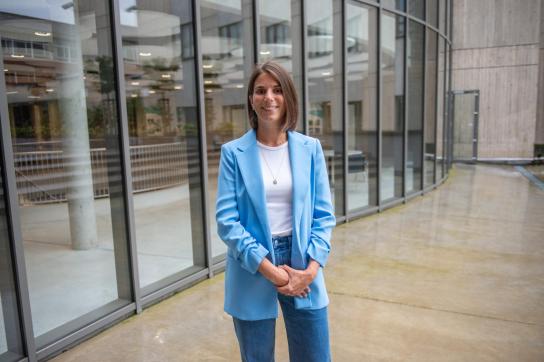
Charlotte Beaudart, a lecturer in the Faculty of Medicine's Department of Biomedical Sciences, has been awarded the Mandat Start-Up Collen-Francqui! A prestigious distinction awarded by the Francqui Foundation to support promising young researchers in the development of their research program.
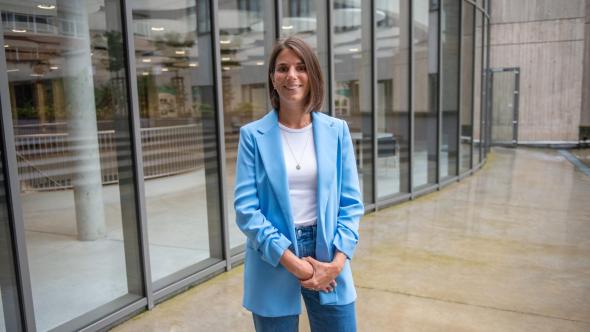
For nearly fifteen years, Charlotte Beaudart has been researching the physiological aspects of aging, exploring themes such as sarcopenia, frailty and intrinsic capacities.
Thanks to her Start-Up Collen-Francqui mandate, she will now be able to devote more time to her research. Time that she wishes to use on the one hand to strengthen her presence in international and interdisciplinary collaborations, and on the other to explore new dimensions in her research on aging."I would like to explore research in the field of osteosarcopenia, defined by the combination of sarcopenia and osteoporosis."
Towards patient-centered research
Charlotte Beaudart defines the majority of her research as "patient-centered". Her wish is to take this approach a step further and thus "more fully take into account the patient's preferences in terms of therapeutic modalities to adapt management proposals and thus hope for better treatment initiation and adherence."
The ultimate aim of this research is to promote more personalized and humane medicine. In this way, the notion of democracy is also included in the healthcare sector.
Expertise in meta-analysis to be developed
In the course of her career as a researcher, Charlotte Beaudart has also developed several methodological expertises, skills in biostatistics and meta-synthesis of scientific literature, which are transposable to numerous themes. "This has already led to numerous interdisciplinary collaborations, for example with UNamur's pharmacy department, but also with several clinicians working in hospitals in the Namur region," continues the scientist. This new mandate will also enable her to further develop this aspect of her research, notably by training her teams in these rigorous methods and strengthening her internal collaborations.
Deciphering resistance mechanisms in liver cancer
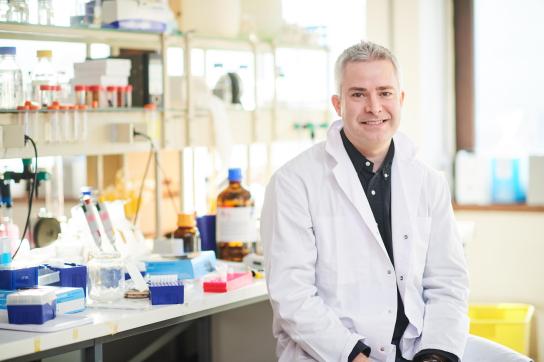
Hepatocellular carcinoma is the most common primary liver cancer. Unfortunately, this tumor still has a high mortality rate due to the lack of effective treatments for its most advanced or poorly localized forms. As part of a partnership with the CHU UCL Namur - site de Godinne and with the support of Roche Belgium, researchers in the Department of Biomedical Sciences are trying to understand why liver tumor cells are so resistant to treatment, and to identify therapeutic alternatives to better target them.
The liver is our body's largest internal organ and plays an essential role in many vital functions such as digestion and detoxification. As a result, although diseased, the liver is very well equipped to resist chemical agents sent into the body to treat it, such as chemotherapy. On the strength of his expertise in the field of multi-drug resistance in cancer, Professor Jean-Pierre Gillet, Director of the Department of Biomedical Sciences and the Laboratory of Molecular Cancer Biology at UNamur, is one of the linchpins of a new research project devoted to the resistance mechanisms of hepatocellular carcinoma conducted in collaboration with Drs. Lionel D'Hondt and Quentin Gilliaux, oncologists at the Medical Oncology Department of CHU UCL Namur - site de Godinne.
Olfactory receptors under the microscope
This project focuses on olfactory receptors, proteins localized in the membrane of sensory neurons in the nasal cavity, but which are also found expressed elsewhere in the body. Beyond their role in odor detection, these receptors have highly interesting properties in terms of treatment: they are, in fact, so-called "highly druggable " therapeutic targets, i.e. particularly receptive to small molecule drugs, but also to biological drugs such as, for example, antibodies. In other words, they are excellent candidates for the development of drugs that can bind to them effectively and modulate their function to produce the desired therapeutic effect. Based on the existing literature and Professor Gillet's previous work on liver cancer, the following question arose: would olfactory receptors be specifically expressed in liver tumors and, if so, play a role in their development and mechanisms of resistance to treatment?
To answer this question, an interdisciplinary collaboration was set up between various partners. The Biobank of the CHU UCL Namur in Godinne, which preserves tissue samples taken in particular during tumor removal, made it possible to build up a representative collection of healthy livers, diseased (cirrhotic) livers and liver tumor tissue. Messenger RNA was extracted from these three types of tissue, then sequenced (a method which identifies the genes expressed in the cells). Data analysis was then carried out at Namur Molecular Tech, a molecular biology technology platform located on the Godinne university site and directed by Dr Degosserie. This work led to the identification of six olfactory receptors specifically expressed in tumor cells, and hitherto little studied. They are therefore promising candidates for further investigation of the original hypothesis: deciphering the role of these receptors in the development of treatment-resistant liver tumors.
Support from Roche Belgium
Thanks to their joint expertise and the innovative nature of their research, UNamur and CHU UCL Namur - site de Godinne have been awarded a €50,000 grant to further explore the role of these six olfactory receptors. In collaboration with the CHU Research Laboratory and in particular Dr Morgane Canonne, the UNamur Cancer Molecular Biology Laboratory is currently developing in vitro models, such as organoids, or mini-organ, from liver tumor biopsies. These models will make it possible to test the biological role of olfactory receptors within the cell: does the expression of these receptors in tumor cells induce an increase in their proliferation or aggressiveness? Do they accelerate the generation of metastases in other tissues? Or, on the contrary, does a lack of activation of these receptors contribute to these mechanisms? Depending on the answers to these questions, it will be possible to assess whether these receptors constitute good therapeutic targets within the primary liver tumor, with a view to blocking its metastatic capacity or slowing its development. The ultimate aim is to test targeted treatments on cells from these models, with a view to developing therapeutic alternatives that will offer new hope for patients.
.
This project is the result of an excellent collaboration between different partners who, together, each have their own role to play.
NARILIS, a bridge between hospital and university
Founded in 2010, the Namur Research Institute In Life Sciences (NARILIS) brings together the University of Namur and the CHU UCL Namur - site de Godinne. It brings CHU doctors into dialogue with scientists from a variety of backgrounds, with a resolutely interdisciplinary outlook.
This article was published in the Fond Namur Université newsletter.
UNamur students in direct contact with an astronaut on the ISS.
As part of the English course given in the first year of science-medicine, students are introduced to the popularization of scientific concepts in the form of videos. This is the "It's not Rocket Science" project, proposed by Natassia Schutz and Aude Hansel, professors at UNamur's School of Modern Languages (ELV). This year's competition prize-giving event featured a highlight: a live audio connection with Donald Pettit, American astronaut, currently aboard the International Space Station.
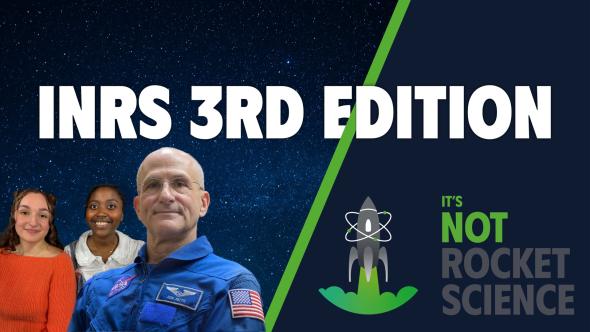
The project's ambition is to make science accessible to as many people as possible, especially high school students. The aim is clear: to demystify complex scientific concepts while offering young people a fascinating gateway to the world of research.
The idea behind "It's not Rocket Science" is simple but ambitious: each student duo must design a 2-minute popular science video that explains a space-related scientific concept or phenomenon. From a pool of 300 videos, the most convincing are selected to take part in a competition organized during Printemps des Sciences. High school students are invited to vote for the best video.
The objectives of this project are multiple: (1) to practice English in a concrete way , (2) to offer secondary school students a glimpse of what is achieved at university , (3) to discover interdisciplinarity and (4) to inspire young people to study science - why not at UNamur?
To meet this challenge, the finalist students are supported in the production of their videos by the team of English and subject teachers, by Confluent des Savoirs - UNamur's science popularization service - and by the Audio-Visual Service.
2025 edition: discovering space
The videos produced by the students cover concepts related to space, a theme that captures the imagination and arouses the curiosity and interest of young people. From the effects of cosmic radiation on the human body, to the quest for new energy sources in space or the study of volcanoes on other planets, each video becomes a fascinating exploration of a complex subject, presented in a clear and engaging way.
An exceptional live exchange with the International Space Station
The competition's prize-giving event was marked by a highlight: a live audio connection with Donald Pettit, American astronaut, currently aboard the International Space Station. This privileged moment of exchange enabled the students and secondary school pupils in attendance to ask questions of the astronaut orbiting the Earth and learn more about life on board, the astronauts' journey and the challenges they face on a daily basis.
Following this exchange, the winners of the 2025 edition were presented with prizes donated by project partner EuroSpace Centre. Among the 7 finalist videos, the one made by Ella Cishahayo and Angelina Severino, students in biomedical sciences, won the competition.
The evening closed with a talk by Julie Henry, STEAM Project Manager at UNamur, on the challenge of attracting girls to scientific fields.
Listen to the exchange with the astronaut
Funded by the European Union. Views and opinions expressed are however those of the author(s) only and do not necessarily reflect those of the European Union or European Education and Culture Executive Agency (EACEA). Neither the European Union nor the granting authority can be held responsible for them.