This article is excerpted from Omalius magazine #40 (March 2026)

Launched in November 2024, the Interreg France-Wallonia-Flanders cross-border project ORION aims to develop assessment tools based on predictive modeling to better understand and manage water quality in the context of global climate change. Through a comprehensive approach, it will enable the assessment, monitoring, and even prediction of the water quality of the Meuse River and the health of its ecosystems.

Improving the water quality of the Meuse River

Method

  1. Identification of pollutants
  2. Study of pressure dynamics
  3. Assessment of environmental impacts in the context of global warming

This will enable active biomonitoring, the simulation of future scenarios, the creation of innovative tools, and the sustainable management of shared resources.

Facilitation visuelle reprenant les objectifs du projet Interreg ORION

The ORION consortium, led by the University of Reims Champagne-Ardennes (URCA), brings together six operators and nine partners, including universities, research laboratories, and water management agencies in France, Wallonia, and Flanders. They work within the framework of a multidisciplinary collaboration involving biology, microbiology, parasitology, ecology, ecotoxicology, chemistry, and modeling.

At UNamur, one of the consortium’s six partners, the expertise being leveraged is that of Professor Eli Thoré, a member of the Research Unit in Environmental and Evolutionary Biology (URBE) within the Department of Biology and a researcher at the Institute of Life, Earth, and the Environment (ILEE). Eli Thoré and his colleagues contribute in particular to the assessment of ecotoxicological risks and environmental diagnostics under real-world conditions, including in degraded environments.

Phase 3 of the project: selection of caging sites

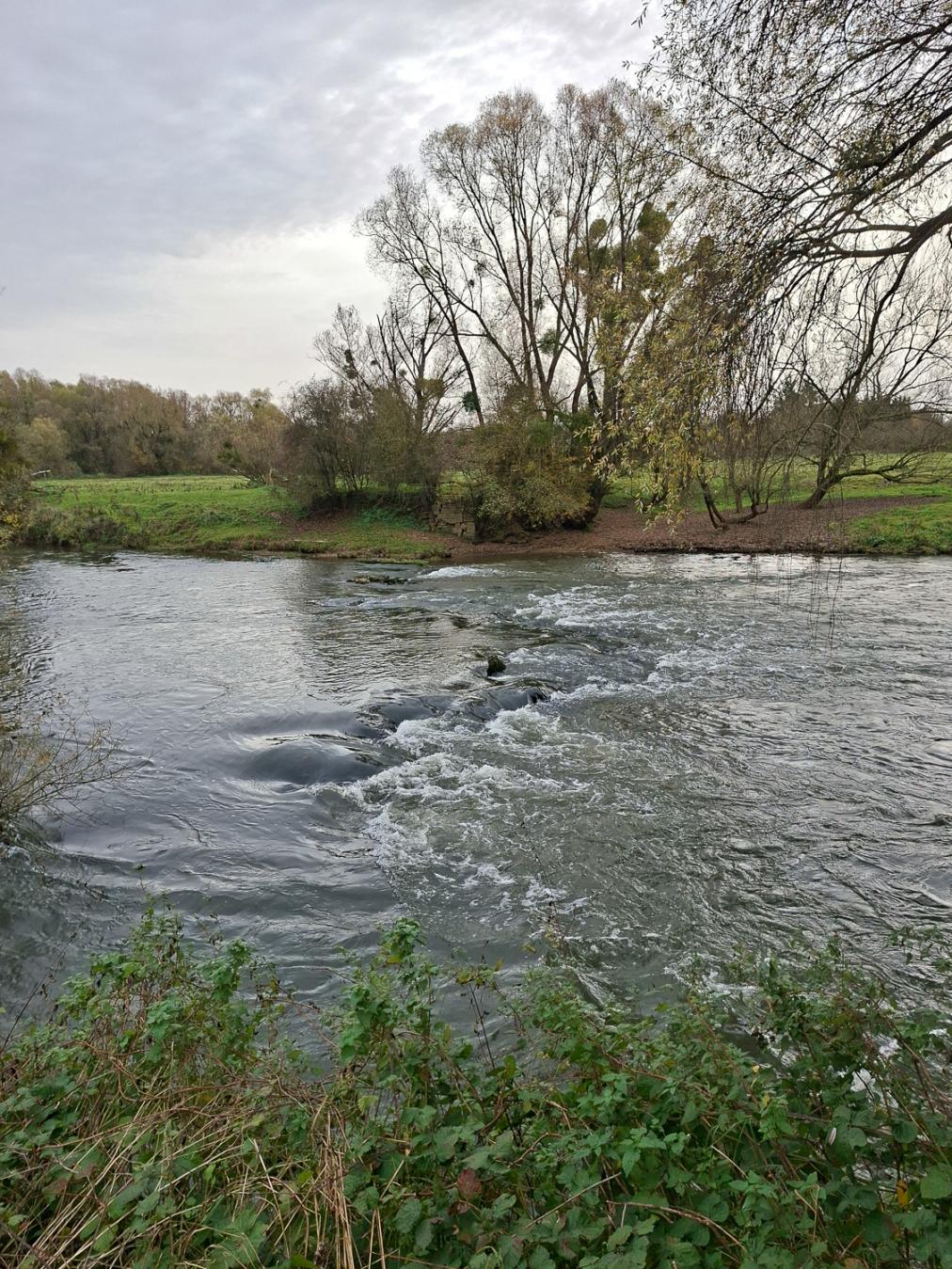
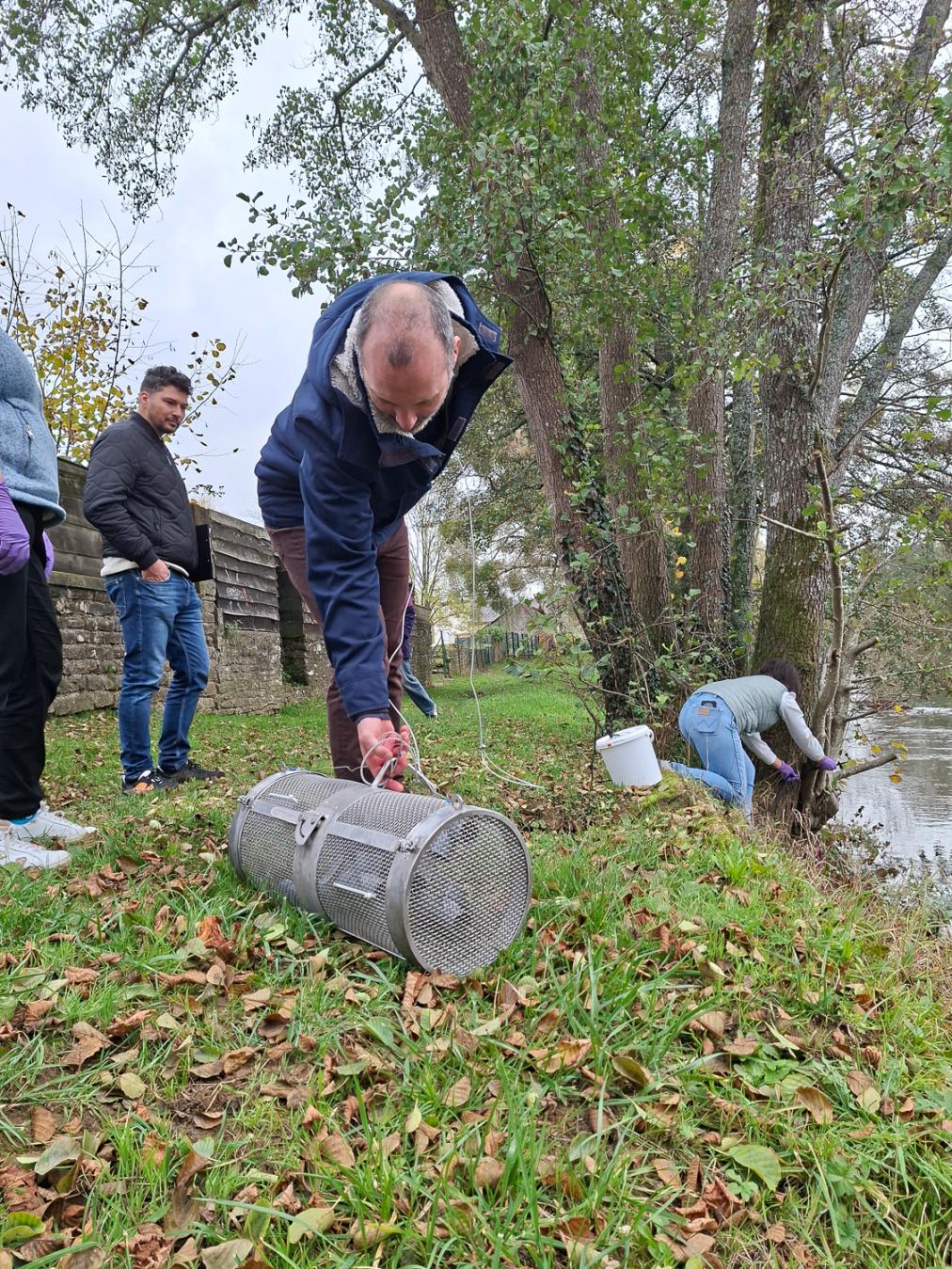
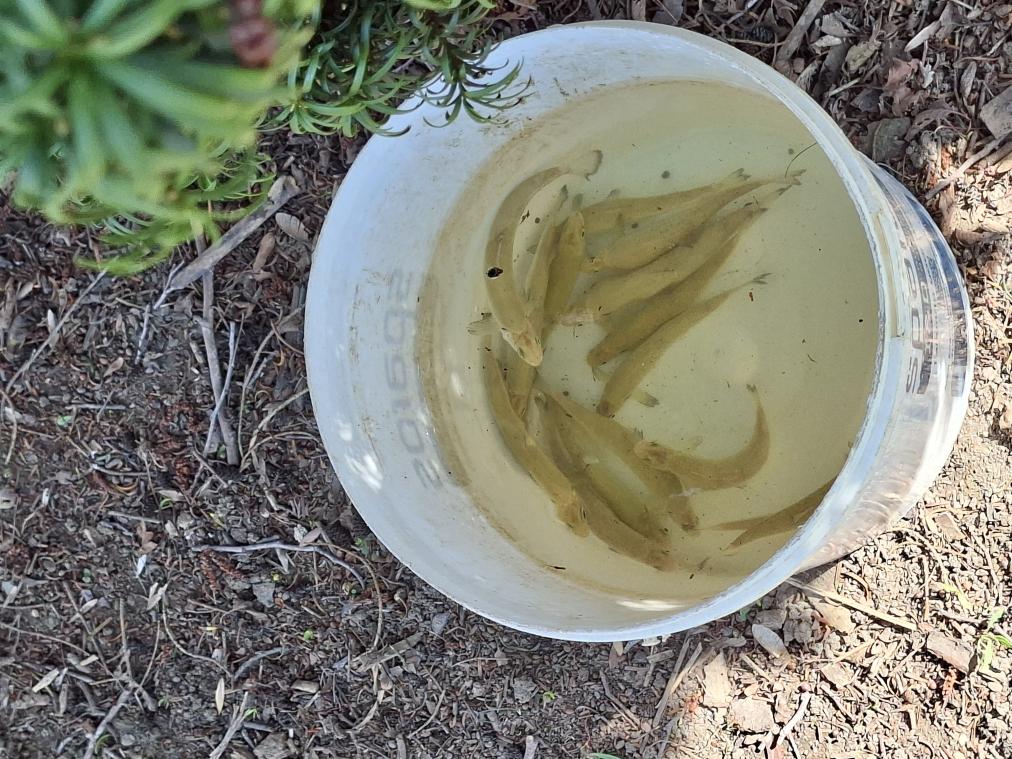
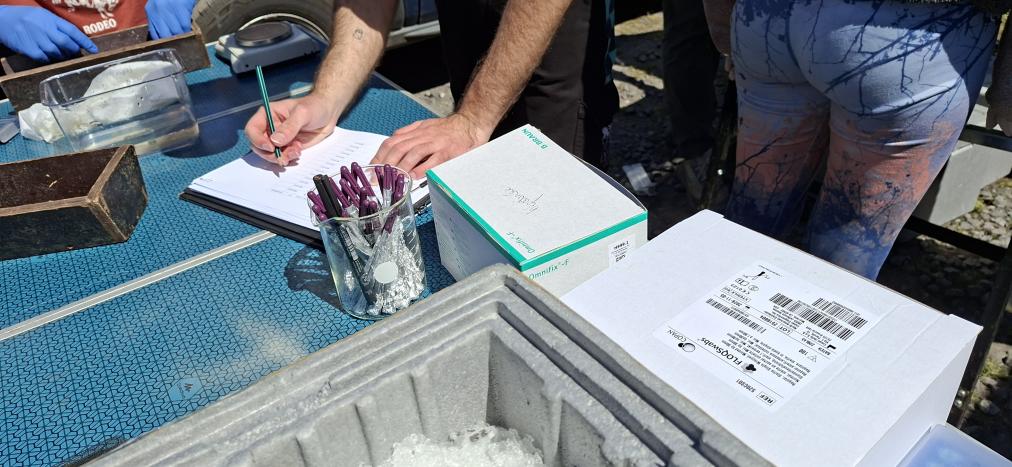
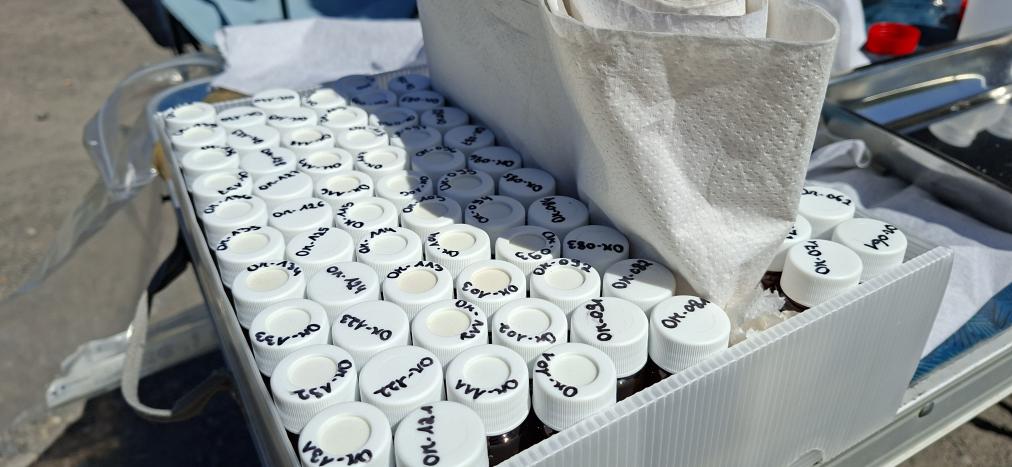
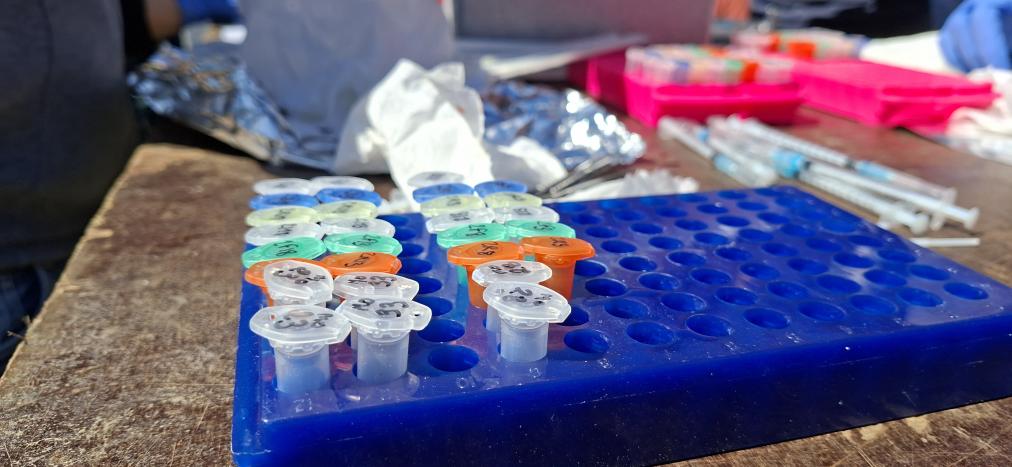
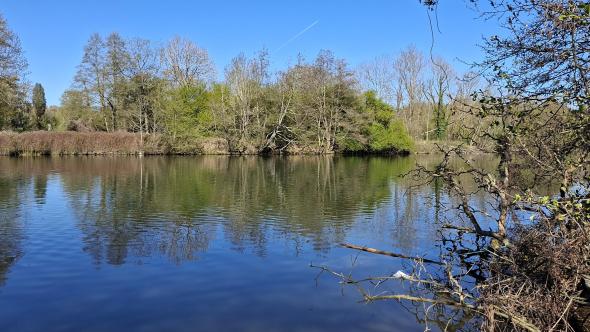
In November 2025, researchers from the ORION project, including Dr. Omayma Missawi, a postdoctoral researcher on Professor Eli Thoré’s team, surveyed the Meuse River basin to identify the most suitable sites for caging sentinel species in the Meuse, Sambre, and Chiers rivers. 

La Meuse en novembre 2025 - rpospection dans le cadre du projet interreg ORION

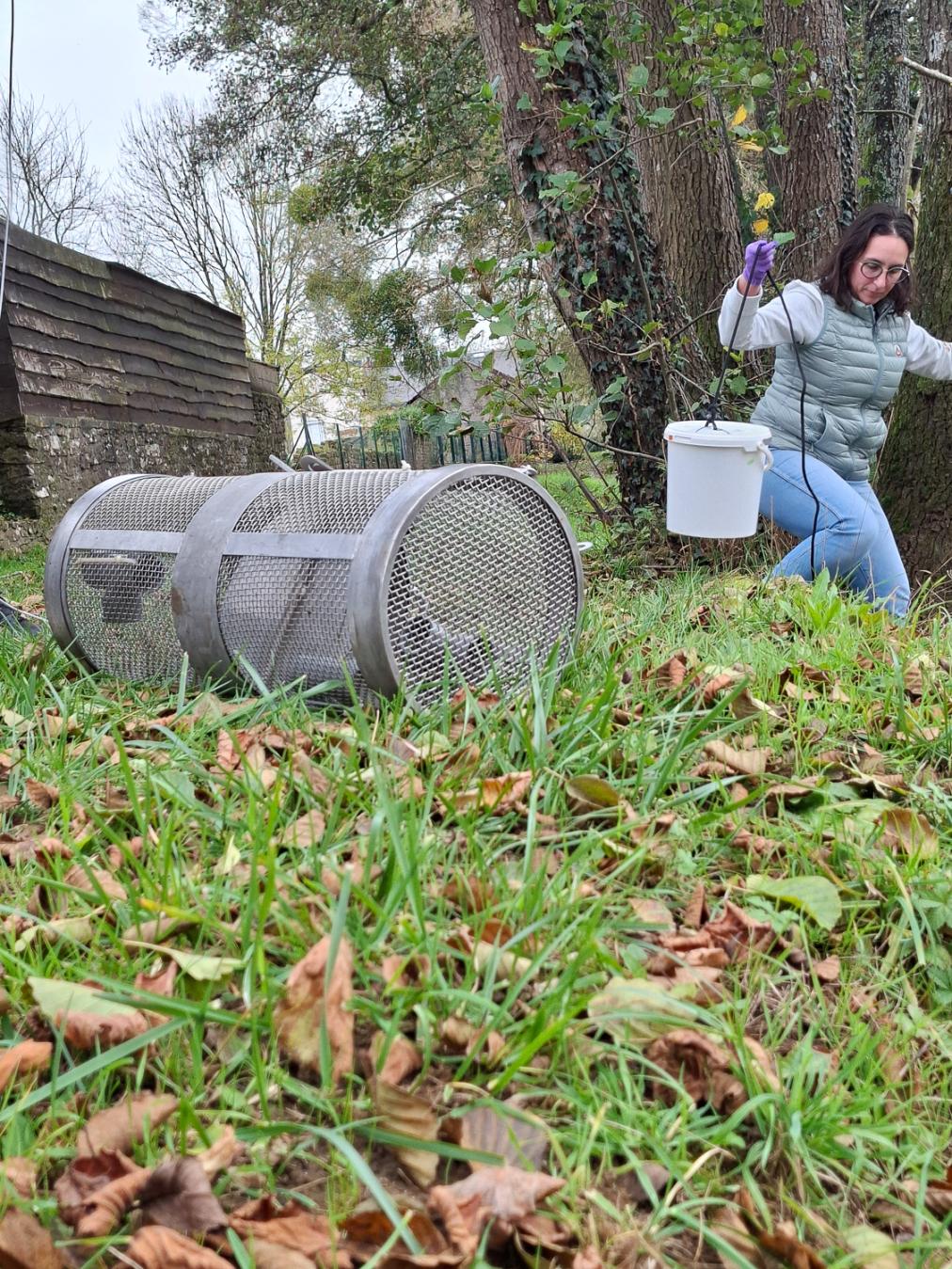
This phase, which involves exposing the animals to their natural environment, makes it possible to assess the concentrations of bioaccumulated pollutants and their impact on the animals’ health. Combined with concentration measurements taken directly from the water, these innovative tools enable a reliable assessment of water quality in the Meuse River basin. 

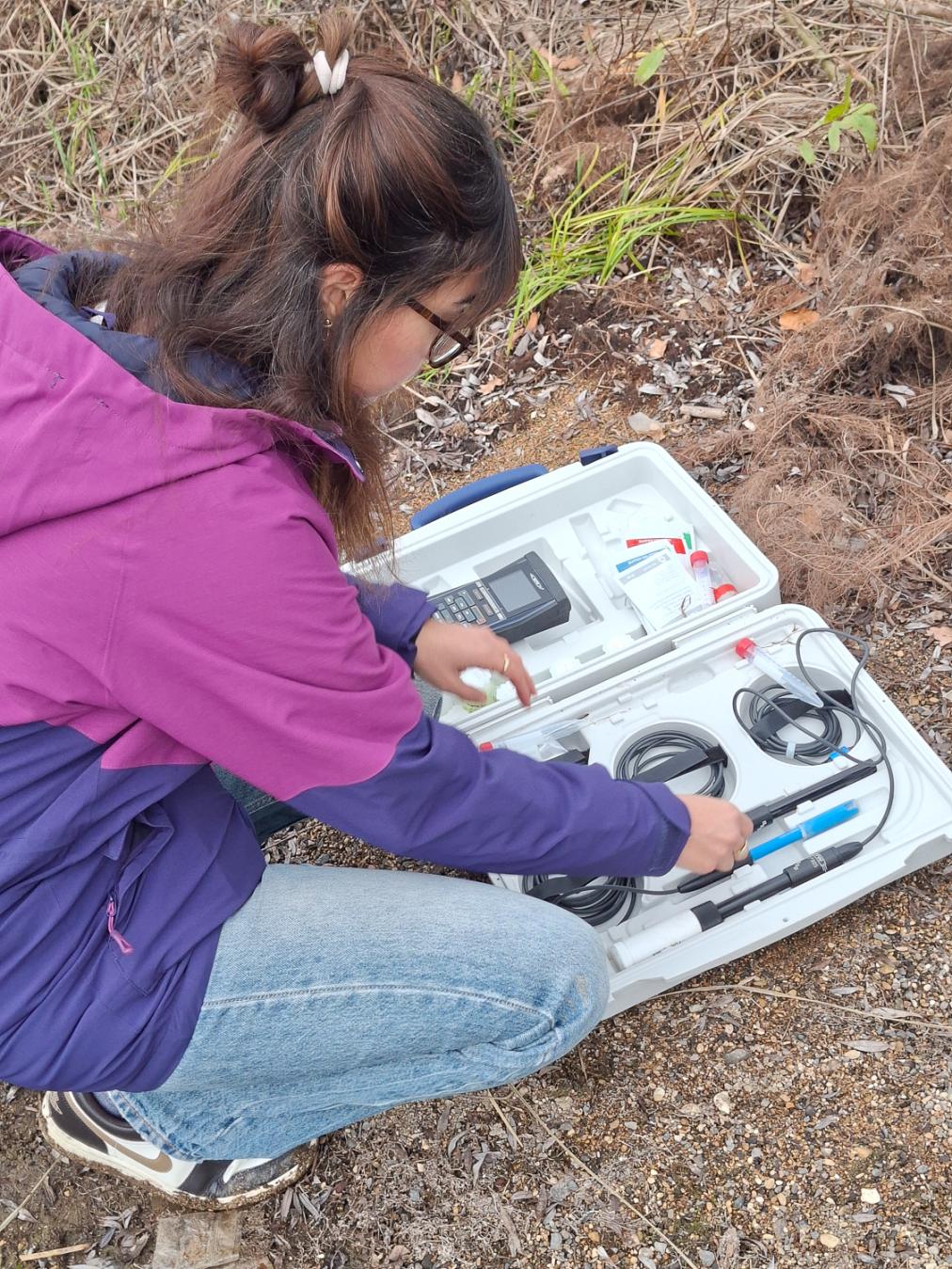
The process begins with an assessment of potential sites using pressure maps (Meuse, Sambre, Chiers) established during the previous phase of the project. This is followed by on-site validation, which takes into account parameters such as depth, current, temperature, pH, oxygenation, and sunlight exposure. 

Throughout the process, researchers pay particular attention to ensuring the well-being of the caged animals. To reduce their stress during the three-week experiment, researchers check the stability of the riverbed and the ability to securely anchor the cages to prevent any movement. Logistical and safety criteria are also taken into account, such as site accessibility, the tranquility of the location to minimize the risk of damage, and compatibility with other sentinel species, ideally located nearby. The objective of the field survey is therefore to confirm that the sites proposed by the maps are truly suitable, safe, and respectful of animal welfare.

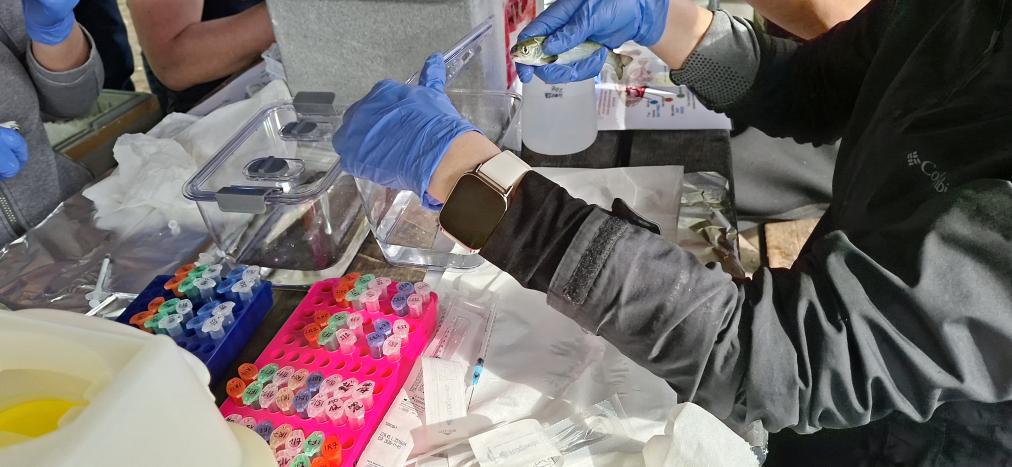
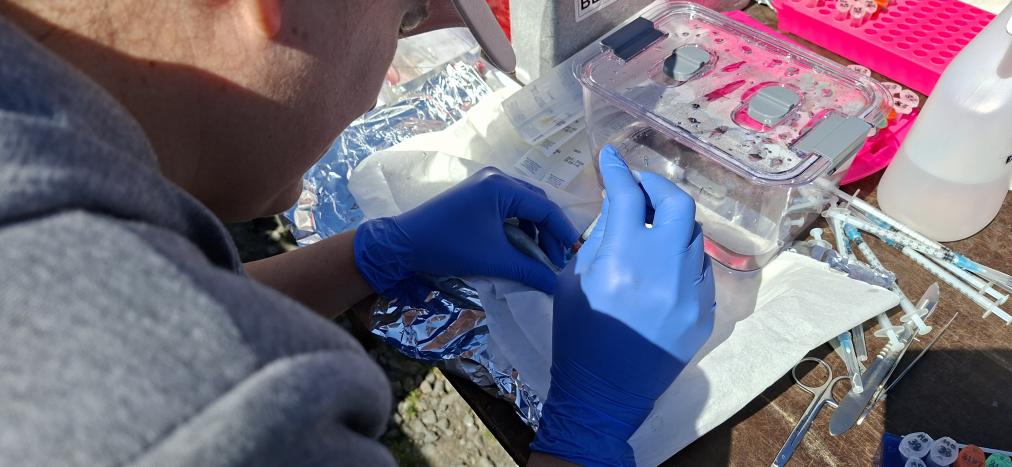
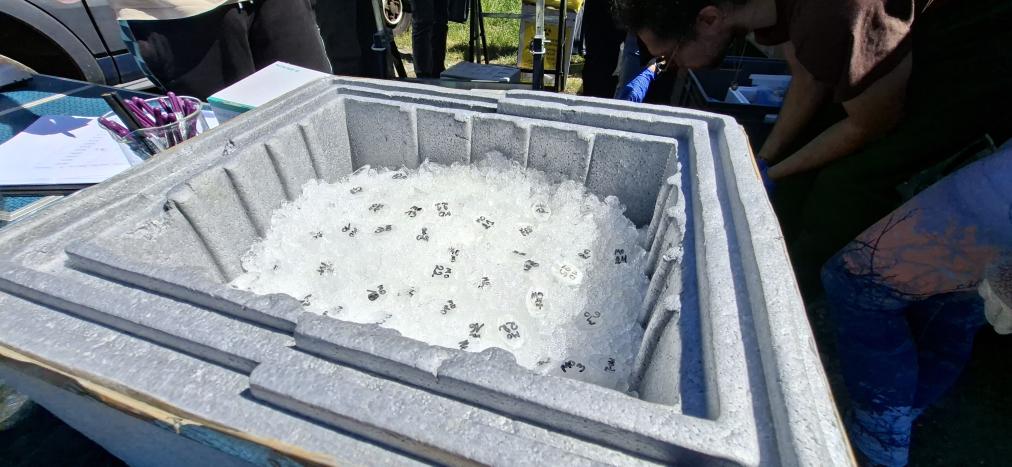
Once the animals have been caged and placed in their natural environment, the research moves into a diagnostic and integrative phase. The animals are collected and analyzed to determine which contaminants they have bioaccumulated and how this exposure has affected their physiological condition and health. By linking measured contaminant concentrations to biological responses, the study allows for an assessment of the actual ecotoxicological pressure exerted by the aquatic environment, rather than relying solely on chemical measurements of the water itself.

Image
Picture of Eli Thoré

Laboratory ecotoxicology does not always fully reflect the complexity of natural environments.  By directly exposing sentinel species in the field, ORION takes a more environmentally realistic approach, capturing the actual mixtures and exposure conditions that are difficult to replicate in the laboratory. This helps bridge the gap between experimental ecotoxicology and ecosystem health assessment.

Professeur Eli Thoré Researcher at the ILEE Institute

The Origins - The Interreg France-Wallonia-Flanders DIADeM Project

In 2017, Professor (now Emeritus) Patrick Kestemont was part of the DIADeM consortium, another cross-border project that had set itself two major objectives: 

  1. To measure the effect of a cocktail of pharmaceuticals on the populations of ecosystems in the Meuse River and its tributaries 
  2. To develop methodological tools for watercourse managers to improve water quality assessment.

The project was a success, as evidenced by its results: 

  • Six methodological guides and a multi-species caging approach.
  • A dozen scientific articles and a public exhibition featuring more than 20 panels: “The Health of Our Rivers: In Danger?”
  • Strengthened collaboration between URCA, the University of Namur, the University of Liège, and various stakeholders in the water sector in France and Wallonia.

ORION – For the good of all

By bringing together various stakeholders and developing innovative tools, the ORION project helps protect water quality and ensure a healthy environment for everyone: local governments, public authorities, higher education and research institutions, and the general public. 

The University of Namur is also responsible for producing, communicating, and disseminating information. Various resources will be produced (see the ORION website, under the “Resources and Videos” section) to promote research and raise public awareness about the vulnerability of ecosystems and the impact of human activity on water quality.

Logo interreg ORION

This article is taken from the "Impact" section of Omalius magazine, Issue #40 (April 2026).

cover-magazine-omalius-avril-2026