Created in 1978, the Department of Psychology has carried out extensive research in various fields of the humanities and social sciences as well as health, with a particular interest in vulnerable people, neuroscience and eHealth.

The Department of Psychology mainly teaches within the Faculty of Medicine. In the human and social sciences, it has acquired a national and international reputation for conducting qualitative studies of people suffering from physical or psychological disorders. Currently, the department is building a large-scale longitudinal survey on well-being and collaborating on research into psychosocial risks at work and in companies. This research has led to the publication of 200 articles and some twenty books, as well as participation in numerous scientific and popularization conferences.

In the healthcare sector, the department has taken a particular interest in neuroscience, in particular with the development of a battery of attentional tests, commonly used clinically (BAWL, William Lennox Attention Battery). It also has a technological platform for murine animal behavior, enabling the testing of genetically modified populations and the use of research-derived molecules, and works in the field of systemic neuroscience with the use of medical imaging. Finally, the department is collaborating with a hypnotherapist psychiatrist to better understand the mechanisms involved in the functioning of hypnosis.

The department works in the field of eHealth and collaborates on research projects using mobile applications to track health and well-being.
Find out more about the Department of Psychology

SVG

Training

See content
SVG

Research

See content
SVG

Contact

See content

Spotlight

News

Educational Games: The Faculty of Medicine's Innovative Approach

Pedagogy
Psychology
Medicine

By offering several modules to students in healthcare training programs that focus on learning through play, the University of Namur’s Faculty of Medicine is setting itself apart in the Wallonia-Brussels Federation. These methods, which educational coordinator Hélène Givron explored in her dissertation, place communication at the heart of the learning process.
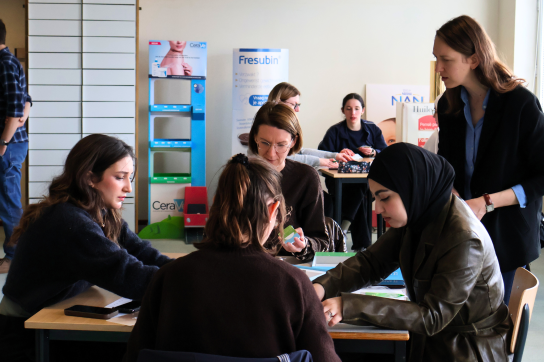
Ludopédagogie

There are some things you can’t learn from books. Universities know this well—they always set aside part of the curriculum for hands-on work. But beyond knowledge and know-how, there’s a third dimension that’s rarely taught in a practical way: interpersonal skills. Yet listening to others and being able to convey a message are skills that can be learned! And play can be a powerful tool for transmitting this knowledge. 

Hired in 2016 by UNamur to complete her dissertation after studying clinical psychology, Hélène Givron, a member of the TRANSITIONS Research Institute, was tasked with teaching third-year medical students about the doctor-patient relationship as part of Professor Martin Desseilles’ medical psychology course. “After reading extensively on the existing literature about caregiver-patient communication, I realized that simply teaching them the theory wasn’t going to make them better communicators, she explains. “We needed to use experiential learning, particularly through simulation. That’s how I became interested in more active teaching methods.”

Hélène Givron

The ideal approach would have involved having students interact with actor-patients, so they could get as close as possible to their future reality, but class sizes make such a system impossible. “So I decided to use role-playing exercises, in which students took turns playing the roles of both doctor and patient, explains Hélène Givron. “The exercise was very well received by the students, who were essentially taking on the role of a doctor for the first time! And the literature showed that putting themselves in a patient’s shoes also helps develop their empathy.”

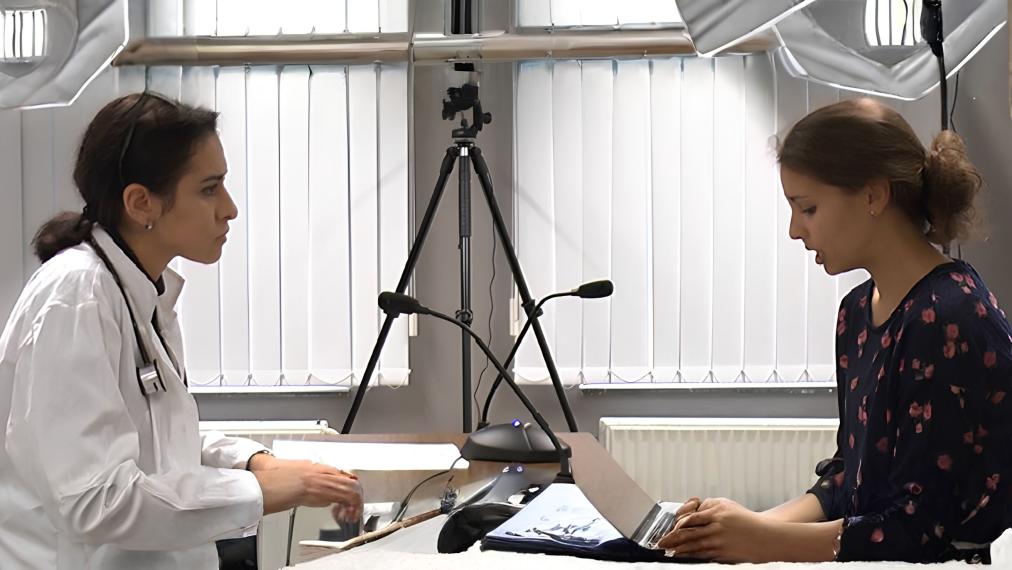
Each simulation is filmed, allowing students to review their performance and reflect on what they did and how to improve their communication. “This is a very important moment, which can have detrimental consequences for students if it isn’t led by properly trained individuals, warns the psychologist. “Even though it’s just a simulation, it deeply immerses students in what will be their future profession. We mustn’t let any of them, faced with a poorly supervised debriefing, conclude that they’ll be a bad doctor.”

To avoid this situation, Hélène Givron helped develop an interuniversity training program specifically designed for simulation instructors: “The role model’s attitude is, in my view, very important, because students learn a great deal by imitation. It would therefore be somewhat absurd to teach them to be good listeners while we ourselves are being judgmental during a debriefing. We must embody what we teach.”

Due to its positive evaluation, this communication workshop is now mandatory for all third-year medical students. Using a simulated clinic designed to closely mirror reality, students first practice welcoming a new patient before tackling more complex situations. “We put them in very specific situations, such as managing a patient under intense stress or delivering bad news,” explains Hélène Givron. “The whole point is to teach them to hone their listening skills and learn to read what patients aren’t saying by observing their nonverbal behavior.”

“This program has since been enhanced with an escape game, created by Milena Jarosik and Sophie Evrard from Hénallux University with the goal of raising students’ awareness about addressing domestic and spousal violence, the psychologist continues. “The debriefing is led by practitioners in the field who can share their real-life experiences on this topic.”
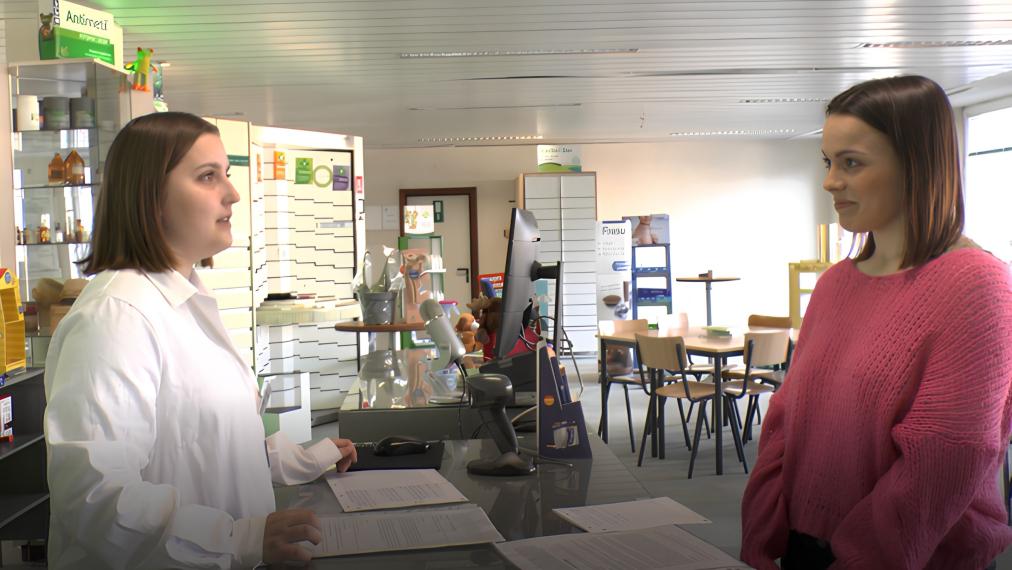
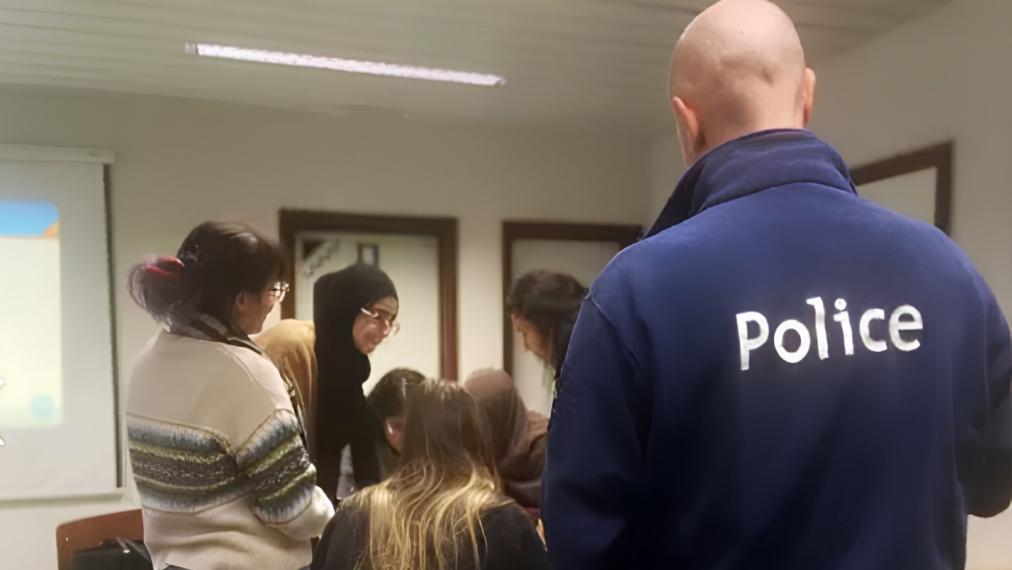
Playing the Role of a Lifetime

Medical students aren’t the only ones to benefit from this type of teaching, by the way: “Pharmacy students have access to a teaching pharmacy, which allows them to gain hands-on experience interacting with patients,” explains Hélène Givron. “All role-playing exercises are also filmed, because we learn a lot by watching ourselves.”

And recently, thanks to a Punch project (Namur University Pedagogy in Transition) from the Faculty of Education and Training, and with the help of Christine Laurent, a public health physician and educational games specialist, the psychologist has also been able to set up a play-based learning workshop focused on interprofessional communication. “In recent years, my courses have expanded to include other professions, such as nursing students and midwives, she explains. “But I remained frustrated by working in silos, even though the literature shows that 70% of medical incidents occur due to communication issues.”

The psychologist therefore decided to create a game in which communication between different professions is the only way to progress. “In the game, students face a situation involving a patient who is absent but needs to receive care,” she explains. “We cover all the skills associated with teamwork and leadership.”

That said, while all these workshops take the form of games, they are nonetheless rigorously supervised. “We’ve adopted a very scientific approach to this learning, argues Hélène Givron. “After implementing them, we studied their effects and the students’ attitudes to ensure they didn’t have any negative consequences. All of this was reported during faculty meetings where our actions were discussed. Finally, we have all been trained in this approach, which makes it all the more robust.”

In this way, we bring to life the statement by psychologist and child development specialist Francesco Tonucci: “All of life’s important learning takes place through play.”

Image
Hélène Givron

 We have taken a very scientific approach to these learning methods. We have studied their effects and the students’ attitudes to ensure they do not have any negative consequences. We have all been trained in this approach, which makes it all the more robust. 

Hélène Givron Educational Coordinator and Member of the TRANSITIONS Research Institute

Well-being at the Heart of Public Transportation

In addition to game-based learning, Hélène Givron’s dissertation had some more unexpected implications: “We found that when students were anxious or experiencing burnout, they were much less interested in communication. After all, how can you muster the energy to listen to someone else when you’re at the end of your rope yourself?” This led the researcher to develop practical exercises focused on student well-being. “We provide them with strategies for regulating their emotions that they can use for themselves, but also to recognize when their patient isn’t doing well. It’s all intrinsically linked.”

Also check out:

This article is from the "Tomorrow Learn" section of Omalius magazine, Issue #41 (June 2026).

Omalius 41

An immersive game to strengthen interprofessional collaboration in healthcare

Medicine
Pharmacology, toxicology and pharmacy
Pedagogy

On Thursday, March 12, students from the Master’s program in General Medicine and the Master’s program in Pharmaceutical Sciences at UNamur, as well as students from the Master’s program in Nursing at Henallux, gathered to test “Eugène’s Journey,” an immersive game created as part of the PUNCh (Namur University Pedagogy in Transition) project. This educational game was designed to strengthen communication and collaboration among future healthcare professionals. Following the gameplay phase, a structured debriefing was conducted with the students to transform the experience into a collective learning opportunity.

Etudiantes autour d'un jeu de plateau

This PUNCh project, led by Hélène Givron, associate professor and educational coordinator in the Department of Psychology at the University of Namur, is designed to address educational needs in interprofessional training. The goal was to develop a fun, flexible tool that could be adapted for use in various contexts, in order to address a significant challenge in the field. 

The main objective of this workshop was to strengthen interprofessional communication and collaboration in the healthcare field. A multidisciplinary team was therefore formed, composed of representatives from various sectors: Catherine Magnette (Instructor, Department of Medicine), Romain Siriez (Educational Coordinator, Department of Pharmacy), and Laura Demarthe (Assistant, Department of Psychology), to bring together students from the Master’s in General Practice and the Master’s in Pharmaceutical Sciences at UNamur, as well as the Master’s in Nursing (Hénallux), to address these issues.

An immersive game experience designed to explore collaboration in a hospital setting

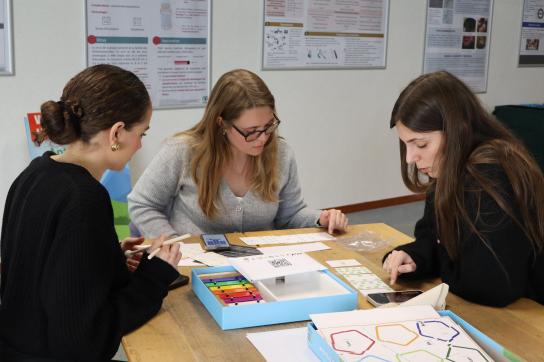
The workshop was based on the board game “Eugène’s Journey,” designed by Christine Laurent (a public health physician and educational game designer) and inspired by the concept of an escape room, with the aim of providing students with an immersive and collaborative experience. Participants were divided into teams of three to four players, consisting of a physician, a nurse, and one or two pharmacists, to encourage interprofessional collaboration. Each team had to progress through a scenario by solving a series of puzzles within 45 minutes, under the watchful eye of instructors. To succeed, students had to collaborate and rely on verbal communication to exchange ideas, share information, and coordinate their actions

Jeu de plateau

This educational tool draws on various skills essential to teamwork, such as active listening, the ability to clearly articulate ideas, task coordination, and collective decision-making. Each puzzle presented a challenge that required genuine cooperation among group members, as no solution could be found by working alone. 

A structured debriefing to turn experience into learning

Following the game phase, a debriefing session was held with all participants. This discussion aimed to reflect on the experience gained during the workshop and to encourage students to think about the concepts of collaboration and interprofessional communication in the healthcare context. The game served as a tool to illustrate certain cooperative scenarios, but also to highlight challenges related to coordination and information sharing. The debriefing thus facilitated a dialogue among students from different programs regarding the barriers and enablers of effective communication. Participants had the opportunity to share their feelings, compare their perspectives, and discuss strategies to promote better collaboration among healthcare professionals. 

The educational objectives of the workshop were clearly defined:

  • Address the skills necessary for interprofessional collaboration, such as communication and collective decision-making.
  • Identify the drivers and barriers to interprofessional collaboration.
  • Contribute to improving the quality and safety of care through better coordination among professionals.

In just 1 hour and 45 minutes, it is probably unrealistic to expect to see an improvement in students’ skills. However, we hope that they will gain a better understanding of interprofessional communication. We are trying to plant the seeds for their future collaborative practices. 

Hélène Givron Lecturer and Academic Coordinator

Student Testimonials

I hope this experience will lead to a change in practice. The game gives you the tools to assert yourself, especially as a young doctor when you have to integrate into teams with more experienced colleagues. It helps you stand your ground and build self-confidence.” — Yorick, medical student 

Based on the information we received, we expected an activity with exclusively ‘medical’ content. This unique experience takes us beyond the scope of typical role-playing scenarios.” - Margaux, medical student 

I found this workshop to be very useful; it adds value and is very interesting. We never have simulations focused on collaboration. It would be interesting to incorporate this into the curriculum.” – Nursing student

A versatile tool

The game “Eugène’s Journey” was designed by Dr. Christine Laurent, a public health physician and educational game designer, in collaboration with Emeline Boreux, a graphic designer and illustrator. “The game’s development spanned a year and a half, allowing time to create a structure robust enough to accommodate a variety of puzzles and multiple educational objectives. Its versatility lies in the ability to modify the central puzzle, adapt the clues, and tailor the debriefing to different skills depending on the audience. This tool can indeed be adapted to other disciplines, such as project management or engineering, for example,” explains Christine Laurent, the game’s designer.

Jeu Le Voyage d'Eugène

Interactivity at the heart of the general practice curriculum

This experience is part of a series of immersive sessions offered to students in the Master’s program in General Practice at UNamur. “Students spend most of their time on clinical rotations during their master’s program. However, they also have several more academic-focused days during which we strive to develop interactive activities, explains Catherine Magnette, lecturer and general practitioner. The upcoming workshops will therefore focus on interprofessional collaboration in the event of an outbreak in nursing homes and on collaboration with medical consultants and occupational physicians.

Etudiants autour d'un jeu de plateau

Innovative methods for assessing body perception in adults with autism

Psychology
SDG#3 - Good health and well-being
ODD#9 - Industry, innovation and infrastructure

Joanna Mourad, a doctoral student in the Department of Psychology at UNamur's Faculty of Medicine, has just published a study that incorporates dynamic digital tools to better assess body perception in people with autism. Explanations.

Représentation irréelle d'une personne tenant un miroir

Everyone thinks they know what autism is. We imagine a cliché character like the one in the film Rain Man, a kind of genius with a host of obsessive disorders as well as communication and socialization problems. Yet Rain Man presents only one aspect of the more or less exacerbated symptoms that autistic people can have. Some can mask their symptoms and go to great lengths to adapt. When we come across them, our tendency is to describe them as "peculiar", obsessive, high-strung, bordering on genius or a little "weird".

Joanna Mourad is interested in autistic people and especially in their perception of the body, which in professional jargon is called "body representations". Originally from Lebanon, she graduated as a psychomotrician in 2018 from Saint Joseph's University in Beirut. Since 2023, she has been working on a double thesis (BOF UHasselt-UNamur) in the Department of Psychology at the Faculty of Medicine.

Body representations - Quézako?

Take a few moments to observe yourself in a mirror. What does your image reflect back to you? What's the first thing you look at? Do you see your complexes, your pride? Do you move the way you want to?

Body representations, are our unique and personal mental representations. They can be objective or subjective in relation to reality or the moment, satisfying or unsatisfying, and evolve over time according to our experiences. What is certain is that our sensory and emotional experiences have a direct impact on who we are, whether in our relationships, our behaviors, or even our moods...

With autistic people, the impact on physical and mental health is even greater. This represents a real challenge, as they live on average 10 to 20 years less than other people. They also develop more cardiovascular disease due to their almost constant state of stress. The suicide rate is also 9 times higher.

This is why it's so important to better understand how autistic people perceive their bodies. Assessment techniques already exist, but they are mostly self-report questionnaires related to body image and performance.

Prospects for multisensory evaluation

What was missing was a holistic approach that takes behavior into account continuously and in real time.

In her article "Innovative Digital Phenotyping Method to Assess Body Representations in Autistic Adults: A Perspective on Multisensor Evaluation", Joanna Mourad collects data at a given point in time and over an extended period, and analyzes it using a combination of traditional techniques and modern tools.

This innovative approach relies on techniques such as momentary ecological assessments (in real time in everyday life) and time series analyses (via connected devices such as watches or smartphones, ...), to capture dynamics and changes in their experience over time. To process the data collected, researchers use advanced statistical tools such as multivariate regression, time series analysis and artificial intelligence algorithms. These tools provide a better understanding of the multiple factors influencing body perception in people with autism.

In developing this method, the team attaches particular importance to ethics and the involvement of the people concerned, and takes into account potential challenges, such as variable technology adoption and accessibility.

This approach revolutionizes the assessment of body perception by integrating traditional and dynamic tools, while offering a more caring assessment environment adapted to people with autism.

Recent activities

On November 16, 2024, Joanna Mourad was able to present her study to over 600 people during a talk at the 2nd Occitan Psychomotricity Conference in Montpelier.

In October 2024, Joanna Mourad had taken part in the training course "Autism without intellectual disability in adults and adolescents: from clinic to practice" led by Prof. Bernadette Grosjean, one of the experts on the subject. This training course was organized at the University of Namur by the centre de formation continue "Santé mentale et psychiatrie".

"It is thanks to Bernadette Grosjean that my perception of autistic people has profoundly evolved, which has transformed the way I conduct my research in the field from a neuro-affirmative perspective. I'd also like to express my gratitude to my two promoters, Martin Desseilles and Bruno Bonnechère, who have given me so much support and guidance along the way, as well as to my co-promoter Katleen Bogaerts and my support committee", explains Joanna Mourad.

Image
Photo de Joanna Mourad

In relation to my double thesis between Flanders and Wallonia, I'm confronted with two rich and diverse worlds from which I'm learning doubly. I'm very proud of my results, which are opening up new perspectives. I think I'm really lucky!

Joanna Mourad Doctoral student, Department of Psychology

Research and teaching in the Department of Psychology

Created in 1978, the Department of Psychology has carried out extensive research in various fields of the humanities, social sciences and health, with a particular focus on vulnerable people, neuroscience and eHealth.

In the humanities and social sciences, the Department has earned a national and international reputation for conducting qualitative studies of people suffering from physical or psychological disorders. It mainly provides courses for the Faculty of Medicine and, in the context of continuing education, for healthcare professionals, notably with the "Dual Diagnosis" Interuniversity Certificate, the next edition of which will take place from September 2025.

.

BOF 2025 stock exchange call

The joint UHasselt-UNamur call for doctoral scholarships is now open, as part of the Fonds FSR, which finances doctoral scholarships.

This funding is open to candidates (without gender, nationality or age restrictions) who wish to prepare their doctorate in collaboration between UNamur and UHasselt. Deadline for applications: 03/03/2025.

Information and contact: secretariat.adre@unamur.be

Training tomorrow's doctors: a look back at the work of ASBL PAH

Medicine
Psychology
SDG#3 - Good health and well-being
SDG#4 - Quality education

As part of the practical work (TP) in medical psychology at the University of Namur's Faculty of Medicine, a landmark intervention took place. A pair, comprising Dominique Damas, expert patient and active member of the ASBL PAH (Plateforme Annonce Handicap), and Dr. Latteur, physician, came to share their experience on a subject as delicate as it is essential: the announcement of bad news or serious diagnoses to patients.

Médecins et patiente en consultation

With the support of teachers Hélène Cocriamont, Laura Demarthe and Hélène Givron, these practical exercises are part of the medical psychology course run by Professor M. Desseilles. Their aim is to strengthen medical students' professional communication skills in healthcare.

Dominique Damas, mother of three children with Fragile X syndrome, gave evidence of her personal experiences of bad news announcements. Three times, she had to face the ordeal of receiving this diagnosis for her children. Through her experiences, she has developed an expertise that she now puts at the service of others. This approach has enabled her to transform a personal ordeal into a collective commitment, by joining associations dedicated to disability.

His collaboration with Dr. Latteur enabled the students to grasp the issues involved in successful caregiver-caregiver communication: active listening, choice of words, adaptation to the patient and family, post-announcement follow-up. A key point raised during the session was the importance of "taking the time", as an announcement of a serious diagnosis cannot be dispatched in 20 minutes.

Etudiants en auditoire lors d'un TP

The challenges: better support for patients and their families

The intervention had several objectives:

  • To prepare students to apprehend a situation as sensitive as the announcement of bad news, by providing them with practical and theoretical tools.
  • To improve support for patients and their families, taking into account their emotions and understanding of the situation.
  • Favoring a humane and caring approach, where the person delivering the diagnosis must remember that they have an obligation of means, not of result.

Students also received a booklet of practical advice "Accompagner l'annonce d'un diagnostic", to extend learning after the practical sessions.

The testimony of Dominique Damas and the experience of Dr. Latteur captivated the 3rd-year medical students, as one of them testified:

"It's really great to have this kind of intervention in our curriculum. What's more, the guests are so involved that it makes for an exciting time. "

These exchanges provide a 360-degree view, integrating the patient's and caregiver's perspectives. This immersive approach prepares future doctors to face these difficult situations with serenity and professionalism, while raising their awareness of their own mental health.

Mental health and well-being in medical school

At UNamur, the mental health of medical students is a priority. Several initiatives from the psychology department complement these TP:

  • Practical work designed to reinforce reflection on the importance of their physical and mental well-being.
  • A special focus on preventing burn-out, a pervasive problem in the medical profession.
  • The creation of a mini-guide to professional communication, distributed after interactive role-playing.
  • An immersive-learning system to practice breaking bad news.

These pedagogical initiatives demonstrate the Faculty of Medicine's commitment to offering an all-round training, which is not limited to technical expertise but also encompasses the inter- and intrapersonal aspects, essential to practicing medicine in all its complexity.

Educational Games: The Faculty of Medicine's Innovative Approach

Pedagogy
Psychology
Medicine

By offering several modules to students in healthcare training programs that focus on learning through play, the University of Namur’s Faculty of Medicine is setting itself apart in the Wallonia-Brussels Federation. These methods, which educational coordinator Hélène Givron explored in her dissertation, place communication at the heart of the learning process.

Ludopédagogie

There are some things you can’t learn from books. Universities know this well—they always set aside part of the curriculum for hands-on work. But beyond knowledge and know-how, there’s a third dimension that’s rarely taught in a practical way: interpersonal skills. Yet listening to others and being able to convey a message are skills that can be learned! And play can be a powerful tool for transmitting this knowledge. 

Hired in 2016 by UNamur to complete her dissertation after studying clinical psychology, Hélène Givron, a member of the TRANSITIONS Research Institute, was tasked with teaching third-year medical students about the doctor-patient relationship as part of Professor Martin Desseilles’ medical psychology course. “After reading extensively on the existing literature about caregiver-patient communication, I realized that simply teaching them the theory wasn’t going to make them better communicators, she explains. “We needed to use experiential learning, particularly through simulation. That’s how I became interested in more active teaching methods.”

Hélène Givron

The ideal approach would have involved having students interact with actor-patients, so they could get as close as possible to their future reality, but class sizes make such a system impossible. “So I decided to use role-playing exercises, in which students took turns playing the roles of both doctor and patient, explains Hélène Givron. “The exercise was very well received by the students, who were essentially taking on the role of a doctor for the first time! And the literature showed that putting themselves in a patient’s shoes also helps develop their empathy.”

Each simulation is filmed, allowing students to review their performance and reflect on what they did and how to improve their communication. “This is a very important moment, which can have detrimental consequences for students if it isn’t led by properly trained individuals, warns the psychologist. “Even though it’s just a simulation, it deeply immerses students in what will be their future profession. We mustn’t let any of them, faced with a poorly supervised debriefing, conclude that they’ll be a bad doctor.”

To avoid this situation, Hélène Givron helped develop an interuniversity training program specifically designed for simulation instructors: “The role model’s attitude is, in my view, very important, because students learn a great deal by imitation. It would therefore be somewhat absurd to teach them to be good listeners while we ourselves are being judgmental during a debriefing. We must embody what we teach.”

Due to its positive evaluation, this communication workshop is now mandatory for all third-year medical students. Using a simulated clinic designed to closely mirror reality, students first practice welcoming a new patient before tackling more complex situations. “We put them in very specific situations, such as managing a patient under intense stress or delivering bad news,” explains Hélène Givron. “The whole point is to teach them to hone their listening skills and learn to read what patients aren’t saying by observing their nonverbal behavior.”

“This program has since been enhanced with an escape game, created by Milena Jarosik and Sophie Evrard from Hénallux University with the goal of raising students’ awareness about addressing domestic and spousal violence, the psychologist continues. “The debriefing is led by practitioners in the field who can share their real-life experiences on this topic.”
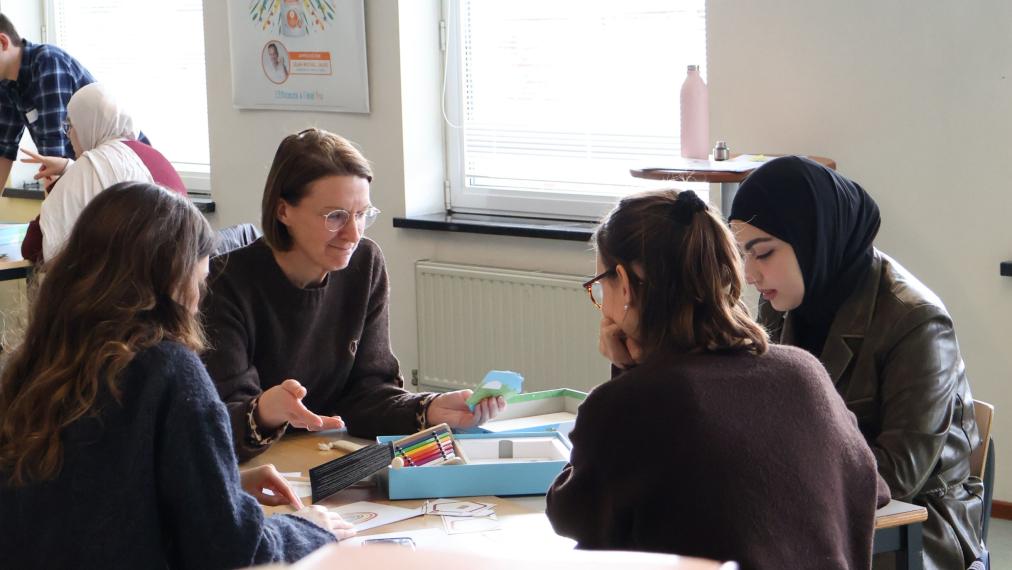
Playing the Role of a Lifetime

Medical students aren’t the only ones to benefit from this type of teaching, by the way: “Pharmacy students have access to a teaching pharmacy, which allows them to gain hands-on experience interacting with patients,” explains Hélène Givron. “All role-playing exercises are also filmed, because we learn a lot by watching ourselves.”

And recently, thanks to a Punch project (Namur University Pedagogy in Transition) from the Faculty of Education and Training, and with the help of Christine Laurent, a public health physician and educational games specialist, the psychologist has also been able to set up a play-based learning workshop focused on interprofessional communication. “In recent years, my courses have expanded to include other professions, such as nursing students and midwives, she explains. “But I remained frustrated by working in silos, even though the literature shows that 70% of medical incidents occur due to communication issues.”

The psychologist therefore decided to create a game in which communication between different professions is the only way to progress. “In the game, students face a situation involving a patient who is absent but needs to receive care,” she explains. “We cover all the skills associated with teamwork and leadership.”

That said, while all these workshops take the form of games, they are nonetheless rigorously supervised. “We’ve adopted a very scientific approach to this learning, argues Hélène Givron. “After implementing them, we studied their effects and the students’ attitudes to ensure they didn’t have any negative consequences. All of this was reported during faculty meetings where our actions were discussed. Finally, we have all been trained in this approach, which makes it all the more robust.”

In this way, we bring to life the statement by psychologist and child development specialist Francesco Tonucci: “All of life’s important learning takes place through play.”

Image
Hélène Givron

 We have taken a very scientific approach to these learning methods. We have studied their effects and the students’ attitudes to ensure they do not have any negative consequences. We have all been trained in this approach, which makes it all the more robust. 

Hélène Givron Educational Coordinator and Member of the TRANSITIONS Research Institute

Well-being at the Heart of Public Transportation

In addition to game-based learning, Hélène Givron’s dissertation had some more unexpected implications: “We found that when students were anxious or experiencing burnout, they were much less interested in communication. After all, how can you muster the energy to listen to someone else when you’re at the end of your rope yourself?” This led the researcher to develop practical exercises focused on student well-being. “We provide them with strategies for regulating their emotions that they can use for themselves, but also to recognize when their patient isn’t doing well. It’s all intrinsically linked.”

Also check out:

This article is from the "Tomorrow Learn" section of Omalius magazine, Issue #41 (June 2026).

Omalius 41

An immersive game to strengthen interprofessional collaboration in healthcare

Medicine
Pharmacology, toxicology and pharmacy
Pedagogy

On Thursday, March 12, students from the Master’s program in General Medicine and the Master’s program in Pharmaceutical Sciences at UNamur, as well as students from the Master’s program in Nursing at Henallux, gathered to test “Eugène’s Journey,” an immersive game created as part of the PUNCh (Namur University Pedagogy in Transition) project. This educational game was designed to strengthen communication and collaboration among future healthcare professionals. Following the gameplay phase, a structured debriefing was conducted with the students to transform the experience into a collective learning opportunity.
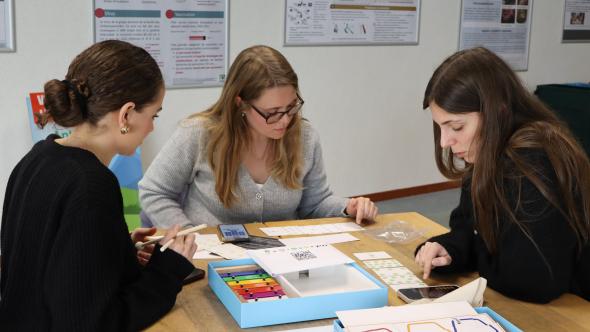
Etudiantes autour d'un jeu de plateau

This PUNCh project, led by Hélène Givron, associate professor and educational coordinator in the Department of Psychology at the University of Namur, is designed to address educational needs in interprofessional training. The goal was to develop a fun, flexible tool that could be adapted for use in various contexts, in order to address a significant challenge in the field. 

The main objective of this workshop was to strengthen interprofessional communication and collaboration in the healthcare field. A multidisciplinary team was therefore formed, composed of representatives from various sectors: Catherine Magnette (Instructor, Department of Medicine), Romain Siriez (Educational Coordinator, Department of Pharmacy), and Laura Demarthe (Assistant, Department of Psychology), to bring together students from the Master’s in General Practice and the Master’s in Pharmaceutical Sciences at UNamur, as well as the Master’s in Nursing (Hénallux), to address these issues.

An immersive game experience designed to explore collaboration in a hospital setting

The workshop was based on the board game “Eugène’s Journey,” designed by Christine Laurent (a public health physician and educational game designer) and inspired by the concept of an escape room, with the aim of providing students with an immersive and collaborative experience. Participants were divided into teams of three to four players, consisting of a physician, a nurse, and one or two pharmacists, to encourage interprofessional collaboration. Each team had to progress through a scenario by solving a series of puzzles within 45 minutes, under the watchful eye of instructors. To succeed, students had to collaborate and rely on verbal communication to exchange ideas, share information, and coordinate their actions

Jeu de plateau

This educational tool draws on various skills essential to teamwork, such as active listening, the ability to clearly articulate ideas, task coordination, and collective decision-making. Each puzzle presented a challenge that required genuine cooperation among group members, as no solution could be found by working alone. 

A structured debriefing to turn experience into learning

Following the game phase, a debriefing session was held with all participants. This discussion aimed to reflect on the experience gained during the workshop and to encourage students to think about the concepts of collaboration and interprofessional communication in the healthcare context. The game served as a tool to illustrate certain cooperative scenarios, but also to highlight challenges related to coordination and information sharing. The debriefing thus facilitated a dialogue among students from different programs regarding the barriers and enablers of effective communication. Participants had the opportunity to share their feelings, compare their perspectives, and discuss strategies to promote better collaboration among healthcare professionals. 

The educational objectives of the workshop were clearly defined:

  • Address the skills necessary for interprofessional collaboration, such as communication and collective decision-making.
  • Identify the drivers and barriers to interprofessional collaboration.
  • Contribute to improving the quality and safety of care through better coordination among professionals.

In just 1 hour and 45 minutes, it is probably unrealistic to expect to see an improvement in students’ skills. However, we hope that they will gain a better understanding of interprofessional communication. We are trying to plant the seeds for their future collaborative practices. 

Hélène Givron Lecturer and Academic Coordinator

Student Testimonials

I hope this experience will lead to a change in practice. The game gives you the tools to assert yourself, especially as a young doctor when you have to integrate into teams with more experienced colleagues. It helps you stand your ground and build self-confidence.” — Yorick, medical student 

Based on the information we received, we expected an activity with exclusively ‘medical’ content. This unique experience takes us beyond the scope of typical role-playing scenarios.” - Margaux, medical student 

I found this workshop to be very useful; it adds value and is very interesting. We never have simulations focused on collaboration. It would be interesting to incorporate this into the curriculum.” – Nursing student

A versatile tool

The game “Eugène’s Journey” was designed by Dr. Christine Laurent, a public health physician and educational game designer, in collaboration with Emeline Boreux, a graphic designer and illustrator. “The game’s development spanned a year and a half, allowing time to create a structure robust enough to accommodate a variety of puzzles and multiple educational objectives. Its versatility lies in the ability to modify the central puzzle, adapt the clues, and tailor the debriefing to different skills depending on the audience. This tool can indeed be adapted to other disciplines, such as project management or engineering, for example,” explains Christine Laurent, the game’s designer.

Jeu Le Voyage d'Eugène

Interactivity at the heart of the general practice curriculum

This experience is part of a series of immersive sessions offered to students in the Master’s program in General Practice at UNamur. “Students spend most of their time on clinical rotations during their master’s program. However, they also have several more academic-focused days during which we strive to develop interactive activities, explains Catherine Magnette, lecturer and general practitioner. The upcoming workshops will therefore focus on interprofessional collaboration in the event of an outbreak in nursing homes and on collaboration with medical consultants and occupational physicians.


Etudiants autour d'un jeu de plateau

Innovative methods for assessing body perception in adults with autism

Psychology
SDG#3 - Good health and well-being
ODD#9 - Industry, innovation and infrastructure

Joanna Mourad, a doctoral student in the Department of Psychology at UNamur's Faculty of Medicine, has just published a study that incorporates dynamic digital tools to better assess body perception in people with autism. Explanations.

Représentation irréelle d'une personne tenant un miroir

Everyone thinks they know what autism is. We imagine a cliché character like the one in the film Rain Man, a kind of genius with a host of obsessive disorders as well as communication and socialization problems. Yet Rain Man presents only one aspect of the more or less exacerbated symptoms that autistic people can have. Some can mask their symptoms and go to great lengths to adapt. When we come across them, our tendency is to describe them as "peculiar", obsessive, high-strung, bordering on genius or a little "weird".

Joanna Mourad is interested in autistic people and especially in their perception of the body, which in professional jargon is called "body representations". Originally from Lebanon, she graduated as a psychomotrician in 2018 from Saint Joseph's University in Beirut. Since 2023, she has been working on a double thesis (BOF UHasselt-UNamur) in the Department of Psychology at the Faculty of Medicine.

Body representations - Quézako?

Take a few moments to observe yourself in a mirror. What does your image reflect back to you? What's the first thing you look at? Do you see your complexes, your pride? Do you move the way you want to?

Body representations, are our unique and personal mental representations. They can be objective or subjective in relation to reality or the moment, satisfying or unsatisfying, and evolve over time according to our experiences. What is certain is that our sensory and emotional experiences have a direct impact on who we are, whether in our relationships, our behaviors, or even our moods...

With autistic people, the impact on physical and mental health is even greater. This represents a real challenge, as they live on average 10 to 20 years less than other people. They also develop more cardiovascular disease due to their almost constant state of stress. The suicide rate is also 9 times higher.

This is why it's so important to better understand how autistic people perceive their bodies. Assessment techniques already exist, but they are mostly self-report questionnaires related to body image and performance.

Prospects for multisensory evaluation

What was missing was a holistic approach that takes behavior into account continuously and in real time.

In her article "Innovative Digital Phenotyping Method to Assess Body Representations in Autistic Adults: A Perspective on Multisensor Evaluation", Joanna Mourad collects data at a given point in time and over an extended period, and analyzes it using a combination of traditional techniques and modern tools.

This innovative approach relies on techniques such as momentary ecological assessments (in real time in everyday life) and time series analyses (via connected devices such as watches or smartphones, ...), to capture dynamics and changes in their experience over time. To process the data collected, researchers use advanced statistical tools such as multivariate regression, time series analysis and artificial intelligence algorithms. These tools provide a better understanding of the multiple factors influencing body perception in people with autism.

In developing this method, the team attaches particular importance to ethics and the involvement of the people concerned, and takes into account potential challenges, such as variable technology adoption and accessibility.

This approach revolutionizes the assessment of body perception by integrating traditional and dynamic tools, while offering a more caring assessment environment adapted to people with autism.

Recent activities

On November 16, 2024, Joanna Mourad was able to present her study to over 600 people during a talk at the 2nd Occitan Psychomotricity Conference in Montpelier.

In October 2024, Joanna Mourad had taken part in the training course "Autism without intellectual disability in adults and adolescents: from clinic to practice" led by Prof. Bernadette Grosjean, one of the experts on the subject. This training course was organized at the University of Namur by the centre de formation continue "Santé mentale et psychiatrie".

"It is thanks to Bernadette Grosjean that my perception of autistic people has profoundly evolved, which has transformed the way I conduct my research in the field from a neuro-affirmative perspective. I'd also like to express my gratitude to my two promoters, Martin Desseilles and Bruno Bonnechère, who have given me so much support and guidance along the way, as well as to my co-promoter Katleen Bogaerts and my support committee", explains Joanna Mourad.

Image
Photo de Joanna Mourad

In relation to my double thesis between Flanders and Wallonia, I'm confronted with two rich and diverse worlds from which I'm learning doubly. I'm very proud of my results, which are opening up new perspectives. I think I'm really lucky!

Joanna Mourad Doctoral student, Department of Psychology

Research and teaching in the Department of Psychology

Created in 1978, the Department of Psychology has carried out extensive research in various fields of the humanities, social sciences and health, with a particular focus on vulnerable people, neuroscience and eHealth.

In the humanities and social sciences, the Department has earned a national and international reputation for conducting qualitative studies of people suffering from physical or psychological disorders. It mainly provides courses for the Faculty of Medicine and, in the context of continuing education, for healthcare professionals, notably with the "Dual Diagnosis" Interuniversity Certificate, the next edition of which will take place from September 2025.

.

BOF 2025 stock exchange call

The joint UHasselt-UNamur call for doctoral scholarships is now open, as part of the Fonds FSR, which finances doctoral scholarships.

This funding is open to candidates (without gender, nationality or age restrictions) who wish to prepare their doctorate in collaboration between UNamur and UHasselt. Deadline for applications: 03/03/2025.

Information and contact: secretariat.adre@unamur.be
Training tomorrow's doctors: a look back at the work of ASBL PAH

Medicine
Psychology
SDG#3 - Good health and well-being
SDG#4 - Quality education

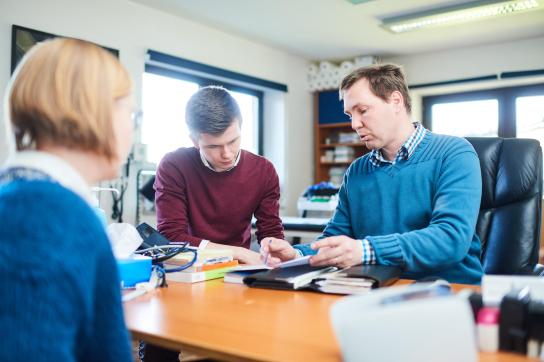
As part of the practical work (TP) in medical psychology at the University of Namur's Faculty of Medicine, a landmark intervention took place. A pair, comprising Dominique Damas, expert patient and active member of the ASBL PAH (Plateforme Annonce Handicap), and Dr. Latteur, physician, came to share their experience on a subject as delicate as it is essential: the announcement of bad news or serious diagnoses to patients.
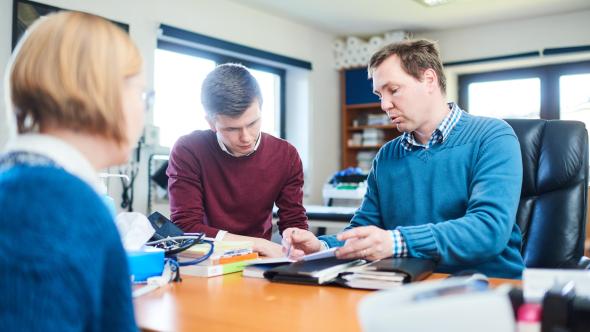
Médecins et patiente en consultation

With the support of teachers Hélène Cocriamont, Laura Demarthe and Hélène Givron, these practical exercises are part of the medical psychology course run by Professor M. Desseilles. Their aim is to strengthen medical students' professional communication skills in healthcare.

Dominique Damas, mother of three children with Fragile X syndrome, gave evidence of her personal experiences of bad news announcements. Three times, she had to face the ordeal of receiving this diagnosis for her children. Through her experiences, she has developed an expertise that she now puts at the service of others. This approach has enabled her to transform a personal ordeal into a collective commitment, by joining associations dedicated to disability.

His collaboration with Dr. Latteur enabled the students to grasp the issues involved in successful caregiver-caregiver communication: active listening, choice of words, adaptation to the patient and family, post-announcement follow-up. A key point raised during the session was the importance of "taking the time", as an announcement of a serious diagnosis cannot be dispatched in 20 minutes.

Etudiants en auditoire lors d'un TP

The challenges: better support for patients and their families

The intervention had several objectives:

  • To prepare students to apprehend a situation as sensitive as the announcement of bad news, by providing them with practical and theoretical tools.
  • To improve support for patients and their families, taking into account their emotions and understanding of the situation.
  • Favoring a humane and caring approach, where the person delivering the diagnosis must remember that they have an obligation of means, not of result.

Students also received a booklet of practical advice "Accompagner l'annonce d'un diagnostic", to extend learning after the practical sessions.

The testimony of Dominique Damas and the experience of Dr. Latteur captivated the 3rd-year medical students, as one of them testified:

"It's really great to have this kind of intervention in our curriculum. What's more, the guests are so involved that it makes for an exciting time. "

These exchanges provide a 360-degree view, integrating the patient's and caregiver's perspectives. This immersive approach prepares future doctors to face these difficult situations with serenity and professionalism, while raising their awareness of their own mental health.

Mental health and well-being in medical school

At UNamur, the mental health of medical students is a priority. Several initiatives from the psychology department complement these TP:

  • Practical work designed to reinforce reflection on the importance of their physical and mental well-being.
  • A special focus on preventing burn-out, a pervasive problem in the medical profession.
  • The creation of a mini-guide to professional communication, distributed after interactive role-playing.
  • An immersive-learning system to practice breaking bad news.

These pedagogical initiatives demonstrate the Faculty of Medicine's commitment to offering an all-round training, which is not limited to technical expertise but also encompasses the inter- and intrapersonal aspects, essential to practicing medicine in all its complexity.

All news

Agenda

All events

Contacts du département de psychologie

Directeur du département

Martin DESSEILLES

Secrétariat

Katty Lamoline