Welcome to the Department of Physics!
How can we produce energy without exhausting the planet? What else can space exploration teach us? How can we treat patients more effectively with proton therapy? Artificial intelligence, friend or foe? And how is Schrödinger's cat doing?
You're asking yourself these kinds of questions, and you'd like to be able to answer them. You'd like to understand, know, solve, experiment, test, code, apply. You'd like to make a commitment to preserving the planet, to health, to society. You'd like to take up the challenge of corporate research, or you'd prefer to put your skills at the service of more fundamental knowledge. By joining the Department of Physics at the University of Namur, you will be satiated and we welcome you with enthusiasm.
Find out more about the Physics Department
Spotlight
News
Delamination of sheepskin parchment: an interdisciplinary discovery published in Heritage Science
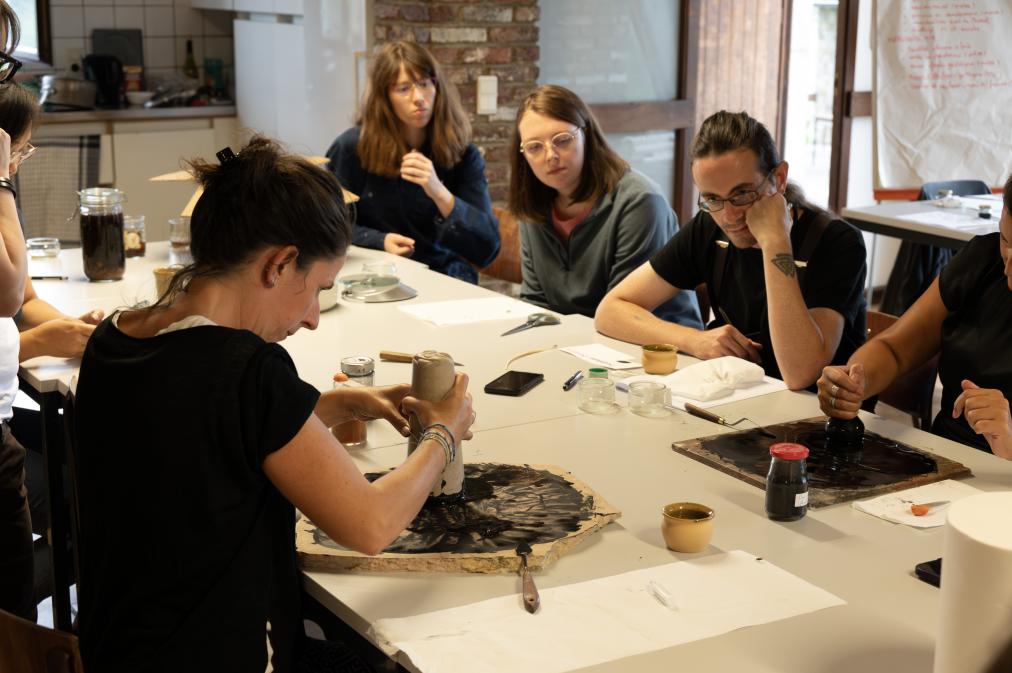
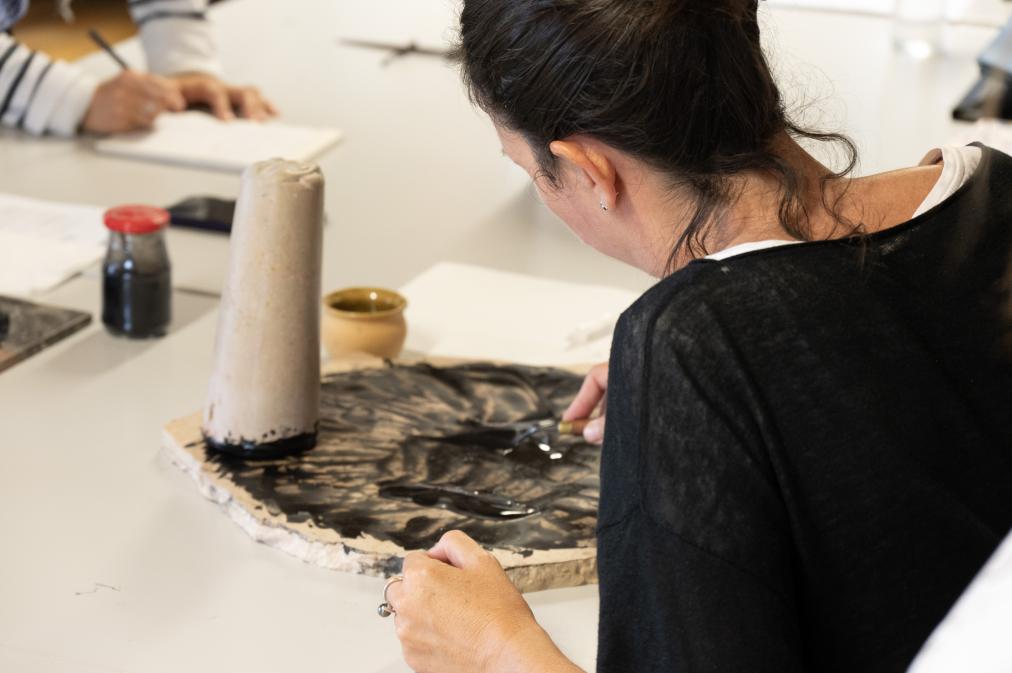
At UNamur, parchments are much more than objects of curiosity: they are at the heart of an interdisciplinary scientific adventure. Starting with historical sciences and conservation, the research has gradually incorporated the disciplines of physics, biology, chemistry, and archaeology. This convergence has given rise to research in heritage sciences, driving innovative projects such as Marine Appart's doctoral work, supervised by Professor Olivier Deparis. This research has now been recognized with a publication in the prestigious journal Heritage Science (Nature Publishing Group).
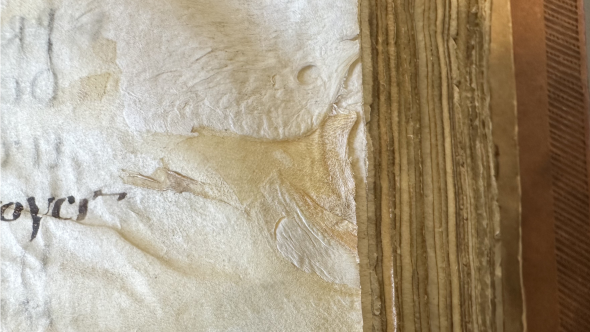
For several years now, heritage sciences have been experiencing a particularly significant boom. This deeply interdisciplinary field of research aims to foster dialogue between the humanities and natural sciences with a view to improving our knowledge of heritage objects, whether they be parchments, works of art, or artifacts discovered during excavations.
Manuscripts bear witness to ancestral practices and know-how, which unfortunately are poorly documented. It is still unclear why legal documents were preferably written on sheepskin parchment in England from the 13th century until 1925. Among the hypotheses put forward is the fact that sheepskin is whiter, and therefore more attractive, but above all that documents written on it were considered unforgeable due to the tendency of sheepskin to delaminate (any malicious attempt to erase the text would thus be revealed). This delamination property was exploited because it allowed the production of high-quality writing surfaces. It was also used to prepare strong repair pieces used to fill any tears that appeared during the parchment manufacturing process. Understanding why sheepskin delaminates is of interest in the context of traditional parchment preparation techniques, offering valuable insights into the interaction between animal biology, craftsmanship, and historical needs.
Delamination, what is it?
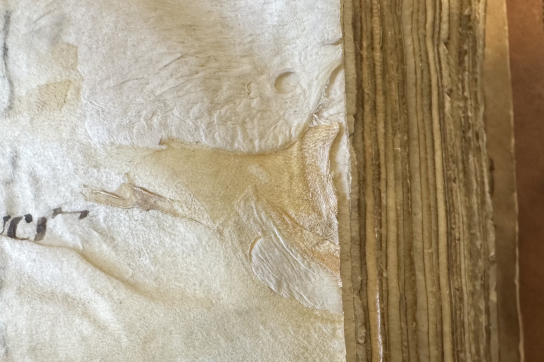
Delamination is the phenomenon whereby the inner layers of the skin separate along their interface as a result of mechanical stress. The diagram (a) below shows the structure of the skin, which consists mainly of the epidermis, dermis, and hypodermis. The dermis is divided into two layers, the papillary dermis and the reticular dermis, which contain hair, hair follicles, and sebaceous glands.
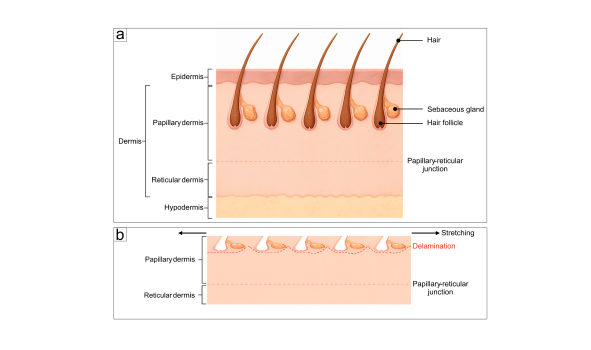
During the parchment manufacturing process, a step following liming involves scraping the skin to remove the hair. This step crushes the sebaceous glands, releasing fats and creating a void where the hair was located (diagram b).
The study showed that delamination occurs within the papillary dermis itself, in this structurally weakened area, rather than at the papillary-reticular junction as previously assumed.
The unique nature of the delamination process in sheepskin is highlighted by the skin structure, which differs from that of other animals (calves, goats) used to make parchment, as it has a high fat content associated with a large number of primary and secondary hair follicles. In the study, the presence of fats was confirmed using Raman spectroscopy.
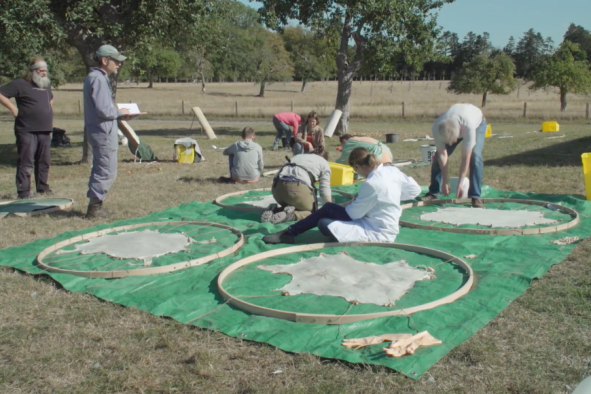
The experimental manufacture of parchment - explained in a video!
This study combines experimental archaeology and advanced analytical techniques, including scanning electron microscopy (SEM) and micro-Raman spectroscopy, to characterize the delamination process and the adhesion of repair pieces on experimentally produced sheepskin parchment. It benefits from the expertise in archaeometry, biology, chemistry, and physics of the researchers involved.
Beyond its visual and structural implications, delamination has contributed to promoting the use of sheepskin for prestigious documents, improving the surface properties of parchment. The study of the interaction between metal-gallic ink and delaminated sheepskin (wetting experiments) showed that ink diffusion and writing quality are improved, a key finding that provides insight into how surface morphology and composition influence writing performance.
An international and multidisciplinary team
At UNamur, Marine Appart, a PhD student in physics, is conducting this multidisciplinary research on the archaeometry of delamination and repairs on a sheepskin parchment under the supervision of Professor Olivier Deparis (Department of Physics, NISM Institute).
Also part of the UNamur team are:
- Professor Francesca Cecchet (expert in Raman spectroscopy), Department of Physics, NARILIS and NISM Institutes
- Professor Yves Poumay (skin specialist), Department of Medicine, NARILIS Institute
- Dr. Caroline Canon (histology specialist), Department of Medicine
- Nicolas Gros (PhD student in heritage sciences), Department of Physics, NARILIS and NISM Institutes
Other international experts
- Professor Matthew Collins (world expert in biomolecular archaeology, Department of Archaeology, The McDonald Institute, University of Cambridge, Cambridge, UK)
- Jiří Vnouček (curator and expert in parchment production, Preservation Department, Royal Danish Library, Copenhagen, Denmark)
- Marc Fourneau (biologist)
History of the study of parchments at UNamur
This study and the resulting article were inspired by the delamination experiments conducted in 2023 by Jiří Vnouček during a symposium in Klosterneuburg, Austria, in which Prof. Olivier Deparis participated. The symposium was organized by Professor Matthew Collins as part of the ABC and ERC Beast2Craft (B2C) projects.
But it all began in 2014, when the Pergamenum21 project, dedicated to the transdisciplinary study of parchments, was launched. Pergamenum21 is a project of the Namur Transdisciplinary Research Impulse (NaTRIP) program at the University of Namur. The project received an additional grant in 2016 from the Jean-Jacques Comhaire Fund of the King Baudouin Foundation (FRB).
The projects and events followed one after another, including:
- May 2014: a transdisciplinary seminar on parchment, the scientific techniques used to characterize this material, and historical questions at the Mauretus Plantin Library (BUMP)
- May 2017: "Autopsy of a scriptorium: the Orval parchments put to the test of bioarchaeology," a transdisciplinary research project co-financed by the University of Namur and the Jean-Jacques Comhaire Fund of the King Baudouin Foundation
- April 2019: a publication in Scientific Reports, Nature group - Jean-Jacques Comhaire Prize: discovery of an innovative technique based on measuring the light scattered by ancient parchments. This technique makes it possible to characterize, in a non-invasive way, the nature of the skins used in the Middle Ages to make parchments
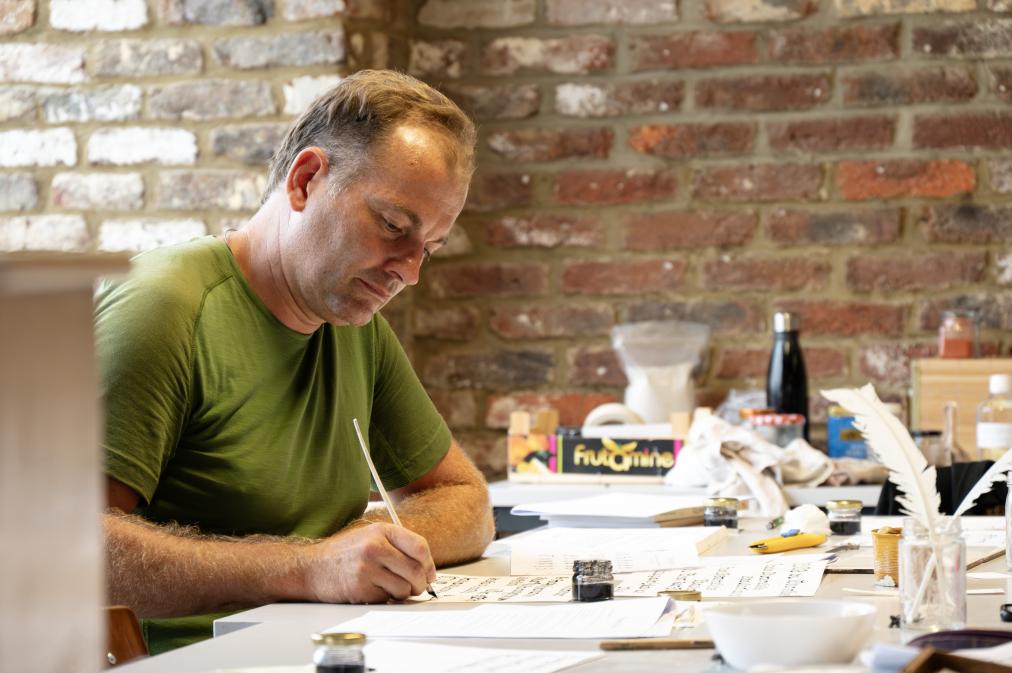
- September 2020: a residential workshop on making parchment from animal skins at the Domaine d'Haugimont – a first in Belgium
- July 2022: a new project on parchment bindings for the restoration workshop at the Moretus Plantin University Library (BUMP) thanks to the Jean-Jacques Comhaire Fund of the King Baudouin Foundation.
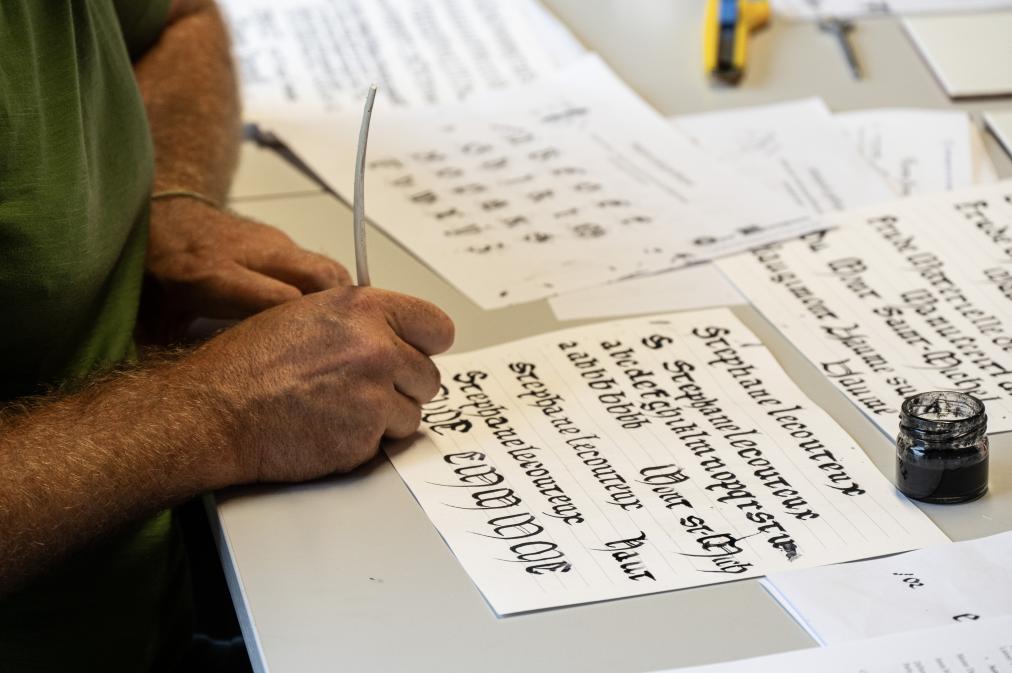
- September 2024: a residential symposium-workshop at the Domaine d'Haugimont on the theme of the physicochemistry of parchment and inks using experimental and historical approaches
Overall, the work of Marine Appart and her colleagues clarifies the structural and material factors that make sheepskin parchment susceptible to delamination and offers new insights into the surface properties of this ancient writing material. UNamur is now establishing itself as a major player in parchment research.
Professor Olivier Deparis, along with several of the researchers involved in this research, are also working on the ARC PHOENIX project. This project aims to renew our understanding of medieval parchments and ancient coins. Artificial intelligence is used to analyze the data generated by the characterization of materials. This joint study will address issues related to the production chain and the use of these objects and materials in past societies.
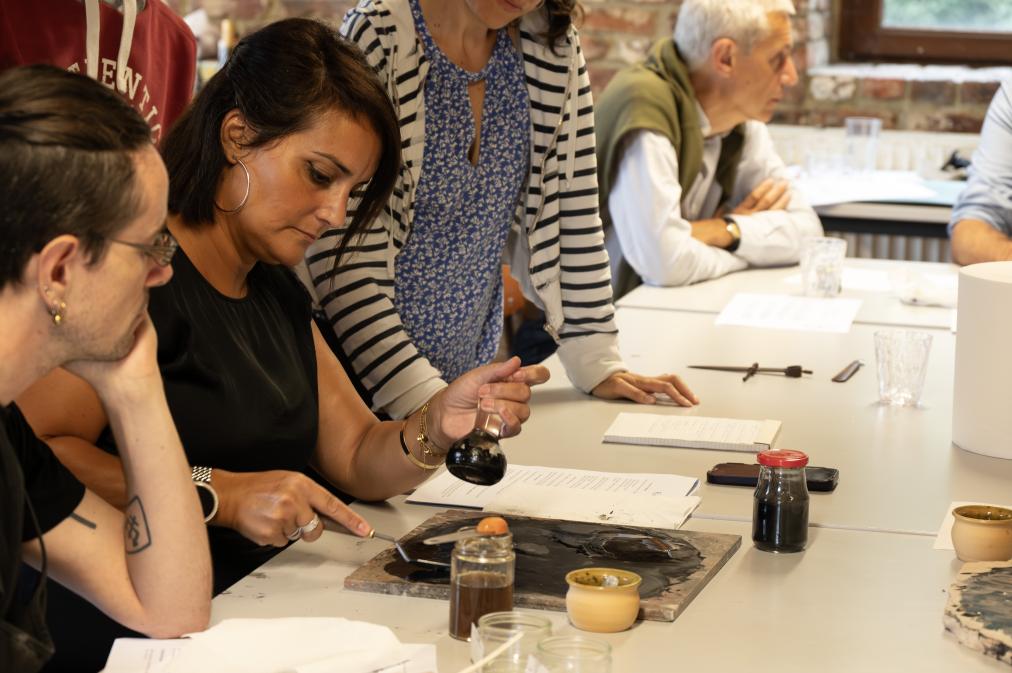
Blob in space: an unprecedented scientific mission
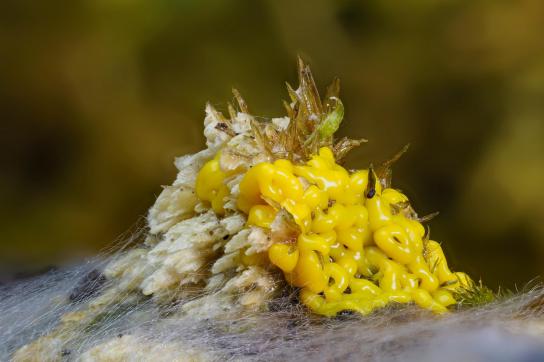
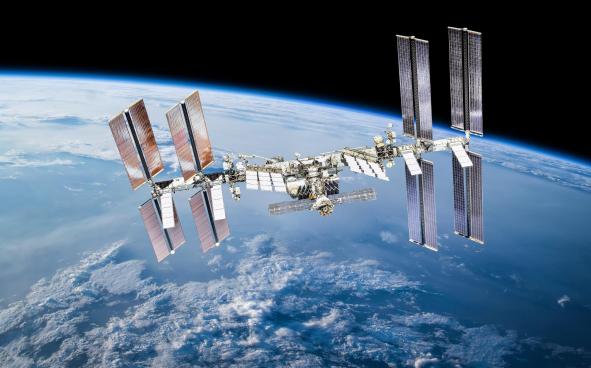
In the coming months, the University of Namur will participate in an exceptional space mission aboard the International Space Station (ISS), alongside Belgian astronaut Raphaël Liégeois. The BeBlob project, led by researchers Boris Hespeels (ILEE Institute) and Anne-Catherine Heuskin (NARILIS Institute), aims to study the DNA repair capabilities of a fascinating organism: the blob (Physarum polycephalum).
Astronaut Raphaël Liégeois will be carrying some rather unusual passengers in his luggage: dried blob samples, some of which have been irradiated with X-rays at UNamur. What are the Namur scientists hoping to achieve? They want to observe how this organism responds to the space environment and is able to repair its DNA in microgravity, and compare these results with those obtained in a similar experiment carried out on Earth. "In our laboratory, we simulate the stresses that the blob could undergo in space in order to assess its ability to survive and repair itself," explains Anne-Catherine Heuskin, professor in the Department of Physics.
Careful preparation and rigorous testing
While awaiting the rocket launch scheduled for 2027, researchers at UNamur are already actively preparing for the mission. For several months, they have been conducting a series of tests to ensure the reliability of the experiment: reaction to temperature variations, power failures, transport to the launch site in Florida, assembly of the mini-spacecraft that will house the samples, etc. "Every detail counts: even the choice of bags that protect the samples from light can influence the results," emphasizes Boris Hespeels.
Once on the ISS, Raphaël Liégeois will rehydrate the samples, culture them in a cabin on the station, and finally place them in a freezer at -80°C. "This procedure, which seems simple, becomes complex in zero gravity. We also have to ensure the stability of our samples, regardless of the timing of the experiment," continues Boris Hespeels. Inside the ISS, Raphaël Liégeois will have to carry out various experiments selected by the Belgian Science Policy Office (BELSPO). "And the order in which they will be carried out has not yet been determined," the two Namur-based researchers explain.
Major scientific and societal impacts
Post-mission analyses will identify cellular protection mechanisms under extreme conditions. These results could inspire the development of protective molecules for astronauts or patients undergoing radiotherapy. "Space remains a hostile environment. Understanding how living organisms adapt to it is essential for preparing future exploration," Boris Hespeels points out.
Finally, the BeBlob project also has an educational component: activities based on the blob will be offered in schools to raise awareness among young people about scientific research and space exploration. An ambitious project is also under consideration to enable students aged 8 to 18 to work directly on samples that took part in Raphaël Liégeois' mission aboard the ISS.
What is a blob?
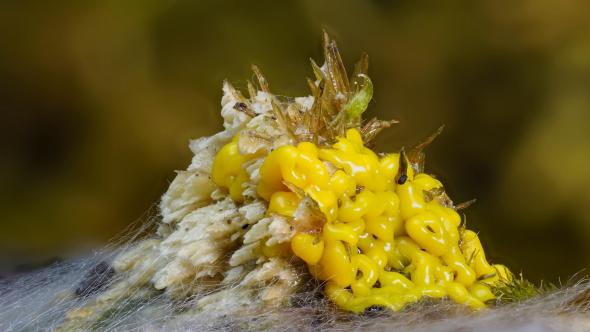
The blob (Physarum polycephalum) is an extraordinary single-celled organism. It is neither animal, plant, nor fungus. Although it has no brain, it is capable of learning, memorizing, and solving complex problems. It can dry out completely and survive in extreme conditions, making it an ideal model for studying the resilience of living organisms. As part of the BeBlob project, researchers at UNamur have demonstrated this organism's exceptional resistance to ionizing radiation, up to a thousand times the lethal dose for humans!
UNamur's expertise
The University of Namur is establishing itself as a key player in the study of the blob. Researchers at the LARN (Laboratory for Nuclear Reaction Analysis) and the ILEE (Institute of Life, Earth and Environment) and NARILIS (Namur Research Institute for Life Sciences) institutes have been conducting research into radiation resistance and DNA repair for several years. The BeBlob project builds on experience gained during previous space missions and active collaboration with ESA and BELSPO. The BeBlob project is one of three Belgian scientific experiments selected from 29 projects to be carried out during Belgian astronaut Raphaël Liégeois' mission scheduled for 2027. This scientific expertise places UNamur at the heart of space biology and fundamental research on life in extreme environments. The project is part of UNIVERSEH, the ERASMUS+ alliance of European universities that aims to build a "European university" focused on the space sector, of which UNamur is a member.
This article is taken from the "Eureka" section of Omalius magazine #39 (December 2025).
35 years between two accelerators - Serge Mathot's journey, or the art of welding history to physics
One foot in the past, the other in the future. From Etruscan granulation to PIXE analysis, Serge Mathot has built a unique career, between scientific heritage and particle accelerators. Portrait of a passionate alumnus at the crossroads of disciplines.
What prompted you to undertake your studies and then your doctorate in physics?
I was fascinated by the research field of one of my professors, Guy Demortier. He was working on the characterization of antique jewelry. He had found a way to differentiate by PIXE (Proton Induced X-ray Emission) analysis between antique and modern brazes that contained Cadmium, the presence of this element in antique jewelry being controversial at the time. He was interested in ancient soldering methods in general, and the granulation technique in particular. He studied them at the Laboratoire d'Analyses par Réaction Nucléaires (LARN). Brazing is an assembly operation involving the fusion of a filler metal (e.g. copper- or silver-based) without melting the base metal. This phenomenon allows a liquid metal to penetrate first by capillary action and then by diffusion at the interface of the metals to be joined, making the junction permanent after solidification. Among the jewels of antiquity, we find brazes made with incredible precision, the ancient techniques are fascinating.
Studying antique jewelry? Not what you'd expect in physics.
In fact, this was one of Namur's fields of research at the time: heritage sciences. Professor Demortier was conducting studies on a variety of jewels, but those made by the Etruscans using the so-called granulation technique, which first appeared in Eturia in the 8th century BC, are particularly incredible. It consists of depositing hundreds of tiny gold granules, up to two-tenths of a millimeter in diameter, on the surface to be decorated, and then soldering them onto the jewel without altering its fineness. So I also trained in brazing techniques and physical metallurgy.
The characterization of jewelry using LARN's particle accelerator, which enables non-destructive analysis, yields valuable information for heritage science.
This is, moreover, a current area of collaboration between the Department of Physics and the Department of History at UNamur (NDLR: notably through the ARC Phoenix project).
How did that help you land a job at CERN?
I applied for a position as a physicist at CERN in the field of vacuum and thin films, but was invited for the position of head of the vacuum brazing department. This department is very important for CERN as it studies methods for assembling particularly delicate and precise parts for accelerators. It also manufactures prototypes and often one-off parts. Broadly speaking, vacuum brazing is the same technique as the one we study at Namur, except that it is carried out in a vacuum chamber. This means no oxidation, perfect wetting of the brazing alloys on the parts to be assembled, and very precise temperature control to obtain very precise assemblies (we're talking microns!). I'd never heard of vacuum brazing, but my experience of Etruscan brazing, metallurgy and my background in applied physics as taught at Namur were of particular interest to the selection committee. They hired me right away!
Tell us about CERN and the projects that keep you busy.
CERN is primarily known for hosting particle accelerators, including the famous LHC (Large Hadron Collider), a 27 km circumference accelerator buried some 100 m underground, which accelerates particles to 99.9999991% of the speed of light! CERN's research focuses on technology and innovation in many fields: nuclear physics, cosmic rays and cloud formation, antimatter research, the search for rare phenomena (such as the Higgs boson) and a contribution to neutrino research. It is also the birthplace of the World Wide Web (WWW). There are also projects in healthcare, medicine and partnerships with industry.
Nuclear physics at CERN is very different from what we do at UNamur with the ALTAÏS accelerator. But my training in applied physics (namuroise) has enabled me to integrate seamlessly into various research projects.
For my part, in addition to developing vacuum brazing methods, a field in which I've worked for over 20 years, I've worked a lot in parallel for the CLOUD experiment. For over 10 years, and until recently, I was its Technical Coordinator. CLOUD is a small but fascinating experiment at CERN which studies cloud formation and uses a particle beam to reproduce atomic bombardment in the laboratory in the manner of galactic radiation in our atmosphere. Using an ultra-clean 26 m³ cloud chamber, precise gas injection systems, electric fields, UV light systems and multiple detectors, we reproduce and study the Earth's atmosphere to understand whether galactic rays can indeed influence climate. This experiment calls on various fields of applied physics, and my background at UNamur has helped me once again.
I was also responsible for CERN's MACHINA project -Movable Accelerator for Cultural Heritage In situ Non-destructive Analysis - carried out in collaboration with the Istituto Nazionale di Fisica Nucleare (INFN), Florence section - Italy. Together, we have created the first portable proton accelerator for in-situ, non-destructive analysis in heritage science. MACHINA is soon to be used at the OPD (Opificio delle Pietre Dure), one of the oldest and most prestigious art restoration centers, also in Florence. The accelerator is also destined to travel to other museums or restoration centers.
Currently, I'm in charge of the ELISA (Experimental LInac for Surface Analysis) project. With ELISA, we're running a real proton accelerator for the first time in a place open to the public: the Science Gateway (SGW), CERN's new permanent exhibition center
ELISA uses the same accelerator cavity as MACHINA. The public can observe a proton beam extracted just a few centimetres from their eyes. Demonstrations are organized to show various physical phenomena, such as light production in gases or beam deflection with dipoles or quadrupoles, for example. The PIXE analysis method is also presented. ELISA is also a high-performance accelerator that we use for research projects in the field of heritage and others such as thin films, which are used extensively at CERN. The special feature is that the scientists who come to work with us do so in front of the public!
Do you have a story to tell?
I remember that in 1989, I finished typing my report for my IRSIA fellowship in the middle of the night, the day before the deadline. It had to be in by midnight the next day. There were very few computers back then, so I typed my report at the last minute on one of the secretaries' Macs. One false move and pow! all my data was gone - big panic! The next day, the secretary helped me restore my file, we printed out the document and I dropped it straight into the mailbox in Brussels, where I arrived after 11pm, in extremis, because at midnight, someone had come to close the mailbox. Fortunately, technology has come a long way since then...
And I can't resist sharing two images 35 years apart!
To the left, a Gold statuette (Egypt), c. 2000 BC, analyzed at LARN - UNamur (photo 1990) and to the right, a copy (in Brass) of the Dame de Brassempouy, analyzed with ELISA - CERN (2025).
The "photographer" is the same, so we've come full circle...
The proximity between teaching and research inspires and questions. This enables graduate students to move into multiple areas of working life.
Come and study in Namur!
Serge Mathot (May 2025) - Interview by Karin Derochette
Further information
- The CERN accelerators complex
- The Science Portal, CERN's public education and communication center
- Newsroom - June 2025 | The Departement of physics hosts a delegation from CERN
- Newsroom and Omalius Alumni article - September 2022 | François Briard
CERN - the science portal
This article is taken from the "Alumni" section of Omalius magazine #38 (September 2025).
UNamur in South America
South America is a subcontinent rich in natural and cultural resources. Between biodiversity preservation and development cooperation, UNamur maintains valuable partnerships to address the challenges of biodiversity loss and understand current socio-economic transformations. Immersion in Ecuador and Peru.
Strategically located at the intersection of the Andes mountain range, the Amazon rainforest, and the Galápagos Islands (made famous by a certain Charles Darwin), Ecuador is a hotspot of biodiversity. More than 150 years after the naturalist's observations, this country remains a popular field of study for scientists investigating how wild organisms adapt to changes in their environment.
Ecuador as an open-air laboratory
As part of a two-year project funded by the ARES International Cooperation Commission (ARES-CCI), Professors Frédéric Silvestre and Alice Dennis from the Environmental and Evolutionary Biology Research Unit (URBE) at UNamur have formed a partnership with the Universidad Central Del Ecuador. The goal? To apply the genetic and epigenetic techniques developed in the Namur laboratories to fish and macroinvertebrates in Ecuadorian streams.
"Genetic and epigenetic marks on genes provide valuable information about the environmental stresses experienced by wild populations."
An initial sampling campaign was conducted this summer, and another is planned for next spring, with Frédéric Silvestre and Alice Dennis participating. This collaboration also enabled URBE to welcome an Ecuadorian researcher who came to train in nanopore sequencing techniques, used in this project, and to carry out tests on samples of the species studied. Nanopore sequencing is a method of sequencing long DNA strands using an electrical signal. "This technique is very advantageous because it facilitates genome assembly and allows us to work on both the DNA sequence and its modifications. Nanopore sequencing also uses very small, portable equipment that is easy to use in the field," the researcher continues. The aim of using this technology is to demonstrate the feasibility of this process and, ultimately, to contribute to the development of more effective biodiversity conservation policies based on concrete genetic data.
Peru: Understanding the dynamics of a country undergoing rapid change
Newly appointed Vice-Rector for International and External Relations at UNamur, Stéphane Leyens is involved in no fewer than four projects in Peru, working closely with the Universidad Nacional San Antonio Abad del Cusco (UNSAAC). Located in the Andes mountain range at an altitude of nearly 3,500 meters, this university has been receiving support from the ARES International Cooperation Commission (ARES-CCI) since 2009 to improve the quality of its teaching and strengthen its research capabilities. These projects are set against the backdrop of the new "university law," which has profoundly changed the landscape of higher education by emphasizing teacher training and the social responsibility of universities, which are now encouraged to integrate issues such as interculturality, the environment, and gender into a local rural development perspective.
It must be said that the country's cultural, political, and socioeconomic context is undergoing profound change. As a result, rural communities are torn between their attachment to traditional lifestyles and the appeal of the economic opportunities offered by the modernization of agriculture or the growth of tourism.
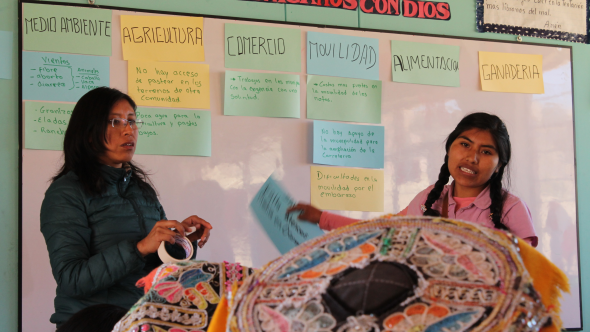
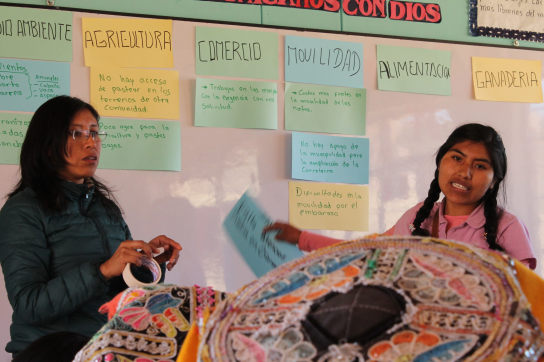
It is this tension that Stéphane Leyens is studying in the district of Ocongate (department of Cuzco), located on the route of the Southern Interoceanic Highway. "This paved road, connecting Lima to Sao Paulo and completed in 2006, has completely transformed the community and socio-economic dynamics of the Quechua populations of the high Andes, providing access to the mines of the Amazon, urban markets, higher education institutions, and opening up the region to tourism. The idea was therefore to study this change in dynamics through the prism of family and community decision-making, with a particular focus on education, agricultural activities, and gender issues," explains Stéphane Leyens. These questions—which particularly resonate with the realities experienced by the population—led to two doctoral research projects conducted by Peruvian researchers.
In the same vein, and in a brand new project, the researcher is looking at the impact of the development of informal mining operations on the local economy from an original angle: Quechua epistemology. This project is based on a partnership with a team from the Universidad Nacional José María Arguedas (UNAJMA), which specializes in this approach.
"The rise of informal mining has destabilized family dynamics, with mining activities becoming increasingly male-dominated and agricultural work increasingly female-dominated within communities. To analyze these changes, we start from the framework of thought of the Quechua-speaking farming communities: their mythologies, their conceptions of their relationship to the land and nature, to the community, etc."
Feedback from a student
"As part of the Master's degree in physics, we are required to do an internship in Belgium or elsewhere. I chose to fly to Brazil because local researchers are conducting research related to my thesis topic. It was also an opportunity to step out of my comfort zone and experience life in a distant country.
It went very well, both academically and personally. I had the opportunity to help write an article and follow the entire publication process. The work was very loosely organized, and I was able to conduct my research independently. I quickly formed lasting friendships, particularly by participating in forró classes, a Brazilian dance.
If I had one piece of advice to give, it would be: go for it! Going far away can be scary, but it teaches you a lot, especially the fact that you are capable of bouncing back in sometimes unpredictable situations."
- Thaïs Nivaille, physics student
This article is taken from the "Far away" section of Omalius magazine #38 (September 2025).
Delamination of sheepskin parchment: an interdisciplinary discovery published in Heritage Science
At UNamur, parchments are much more than objects of curiosity: they are at the heart of an interdisciplinary scientific adventure. Starting with historical sciences and conservation, the research has gradually incorporated the disciplines of physics, biology, chemistry, and archaeology. This convergence has given rise to research in heritage sciences, driving innovative projects such as Marine Appart's doctoral work, supervised by Professor Olivier Deparis. This research has now been recognized with a publication in the prestigious journal Heritage Science (Nature Publishing Group).
For several years now, heritage sciences have been experiencing a particularly significant boom. This deeply interdisciplinary field of research aims to foster dialogue between the humanities and natural sciences with a view to improving our knowledge of heritage objects, whether they be parchments, works of art, or artifacts discovered during excavations.
Manuscripts bear witness to ancestral practices and know-how, which unfortunately are poorly documented. It is still unclear why legal documents were preferably written on sheepskin parchment in England from the 13th century until 1925. Among the hypotheses put forward is the fact that sheepskin is whiter, and therefore more attractive, but above all that documents written on it were considered unforgeable due to the tendency of sheepskin to delaminate (any malicious attempt to erase the text would thus be revealed). This delamination property was exploited because it allowed the production of high-quality writing surfaces. It was also used to prepare strong repair pieces used to fill any tears that appeared during the parchment manufacturing process. Understanding why sheepskin delaminates is of interest in the context of traditional parchment preparation techniques, offering valuable insights into the interaction between animal biology, craftsmanship, and historical needs.
Delamination, what is it?
Delamination is the phenomenon whereby the inner layers of the skin separate along their interface as a result of mechanical stress. The diagram (a) below shows the structure of the skin, which consists mainly of the epidermis, dermis, and hypodermis. The dermis is divided into two layers, the papillary dermis and the reticular dermis, which contain hair, hair follicles, and sebaceous glands.
During the parchment manufacturing process, a step following liming involves scraping the skin to remove the hair. This step crushes the sebaceous glands, releasing fats and creating a void where the hair was located (diagram b).
The study showed that delamination occurs within the papillary dermis itself, in this structurally weakened area, rather than at the papillary-reticular junction as previously assumed.
The unique nature of the delamination process in sheepskin is highlighted by the skin structure, which differs from that of other animals (calves, goats) used to make parchment, as it has a high fat content associated with a large number of primary and secondary hair follicles. In the study, the presence of fats was confirmed using Raman spectroscopy.
The experimental manufacture of parchment - explained in a video!
This study combines experimental archaeology and advanced analytical techniques, including scanning electron microscopy (SEM) and micro-Raman spectroscopy, to characterize the delamination process and the adhesion of repair pieces on experimentally produced sheepskin parchment. It benefits from the expertise in archaeometry, biology, chemistry, and physics of the researchers involved.
Beyond its visual and structural implications, delamination has contributed to promoting the use of sheepskin for prestigious documents, improving the surface properties of parchment. The study of the interaction between metal-gallic ink and delaminated sheepskin (wetting experiments) showed that ink diffusion and writing quality are improved, a key finding that provides insight into how surface morphology and composition influence writing performance.
An international and multidisciplinary team
At UNamur, Marine Appart, a PhD student in physics, is conducting this multidisciplinary research on the archaeometry of delamination and repairs on a sheepskin parchment under the supervision of Professor Olivier Deparis (Department of Physics, NISM Institute).
Also part of the UNamur team are:
- Professor Francesca Cecchet (expert in Raman spectroscopy), Department of Physics, NARILIS and NISM Institutes
- Professor Yves Poumay (skin specialist), Department of Medicine, NARILIS Institute
- Dr. Caroline Canon (histology specialist), Department of Medicine
- Nicolas Gros (PhD student in heritage sciences), Department of Physics, NARILIS and NISM Institutes
Other international experts
- Professor Matthew Collins (world expert in biomolecular archaeology, Department of Archaeology, The McDonald Institute, University of Cambridge, Cambridge, UK)
- Jiří Vnouček (curator and expert in parchment production, Preservation Department, Royal Danish Library, Copenhagen, Denmark)
- Marc Fourneau (biologist)
History of the study of parchments at UNamur
This study and the resulting article were inspired by the delamination experiments conducted in 2023 by Jiří Vnouček during a symposium in Klosterneuburg, Austria, in which Prof. Olivier Deparis participated. The symposium was organized by Professor Matthew Collins as part of the ABC and ERC Beast2Craft (B2C) projects.
But it all began in 2014, when the Pergamenum21 project, dedicated to the transdisciplinary study of parchments, was launched. Pergamenum21 is a project of the Namur Transdisciplinary Research Impulse (NaTRIP) program at the University of Namur. The project received an additional grant in 2016 from the Jean-Jacques Comhaire Fund of the King Baudouin Foundation (FRB).
The projects and events followed one after another, including:
- May 2014: a transdisciplinary seminar on parchment, the scientific techniques used to characterize this material, and historical questions at the Mauretus Plantin Library (BUMP)
- May 2017: "Autopsy of a scriptorium: the Orval parchments put to the test of bioarchaeology," a transdisciplinary research project co-financed by the University of Namur and the Jean-Jacques Comhaire Fund of the King Baudouin Foundation
- April 2019: a publication in Scientific Reports, Nature group - Jean-Jacques Comhaire Prize: discovery of an innovative technique based on measuring the light scattered by ancient parchments. This technique makes it possible to characterize, in a non-invasive way, the nature of the skins used in the Middle Ages to make parchments
- September 2020: a residential workshop on making parchment from animal skins at the Domaine d'Haugimont – a first in Belgium
- July 2022: a new project on parchment bindings for the restoration workshop at the Moretus Plantin University Library (BUMP) thanks to the Jean-Jacques Comhaire Fund of the King Baudouin Foundation.
- September 2024: a residential symposium-workshop at the Domaine d'Haugimont on the theme of the physicochemistry of parchment and inks using experimental and historical approaches
Overall, the work of Marine Appart and her colleagues clarifies the structural and material factors that make sheepskin parchment susceptible to delamination and offers new insights into the surface properties of this ancient writing material. UNamur is now establishing itself as a major player in parchment research.
Professor Olivier Deparis, along with several of the researchers involved in this research, are also working on the ARC PHOENIX project. This project aims to renew our understanding of medieval parchments and ancient coins. Artificial intelligence is used to analyze the data generated by the characterization of materials. This joint study will address issues related to the production chain and the use of these objects and materials in past societies.
Blob in space: an unprecedented scientific mission
In the coming months, the University of Namur will participate in an exceptional space mission aboard the International Space Station (ISS), alongside Belgian astronaut Raphaël Liégeois. The BeBlob project, led by researchers Boris Hespeels (ILEE Institute) and Anne-Catherine Heuskin (NARILIS Institute), aims to study the DNA repair capabilities of a fascinating organism: the blob (Physarum polycephalum).
Astronaut Raphaël Liégeois will be carrying some rather unusual passengers in his luggage: dried blob samples, some of which have been irradiated with X-rays at UNamur. What are the Namur scientists hoping to achieve? They want to observe how this organism responds to the space environment and is able to repair its DNA in microgravity, and compare these results with those obtained in a similar experiment carried out on Earth. "In our laboratory, we simulate the stresses that the blob could undergo in space in order to assess its ability to survive and repair itself," explains Anne-Catherine Heuskin, professor in the Department of Physics.
Careful preparation and rigorous testing
While awaiting the rocket launch scheduled for 2027, researchers at UNamur are already actively preparing for the mission. For several months, they have been conducting a series of tests to ensure the reliability of the experiment: reaction to temperature variations, power failures, transport to the launch site in Florida, assembly of the mini-spacecraft that will house the samples, etc. "Every detail counts: even the choice of bags that protect the samples from light can influence the results," emphasizes Boris Hespeels.
Once on the ISS, Raphaël Liégeois will rehydrate the samples, culture them in a cabin on the station, and finally place them in a freezer at -80°C. "This procedure, which seems simple, becomes complex in zero gravity. We also have to ensure the stability of our samples, regardless of the timing of the experiment," continues Boris Hespeels. Inside the ISS, Raphaël Liégeois will have to carry out various experiments selected by the Belgian Science Policy Office (BELSPO). "And the order in which they will be carried out has not yet been determined," the two Namur-based researchers explain.
Major scientific and societal impacts
Post-mission analyses will identify cellular protection mechanisms under extreme conditions. These results could inspire the development of protective molecules for astronauts or patients undergoing radiotherapy. "Space remains a hostile environment. Understanding how living organisms adapt to it is essential for preparing future exploration," Boris Hespeels points out.
Finally, the BeBlob project also has an educational component: activities based on the blob will be offered in schools to raise awareness among young people about scientific research and space exploration. An ambitious project is also under consideration to enable students aged 8 to 18 to work directly on samples that took part in Raphaël Liégeois' mission aboard the ISS.
What is a blob?
The blob (Physarum polycephalum) is an extraordinary single-celled organism. It is neither animal, plant, nor fungus. Although it has no brain, it is capable of learning, memorizing, and solving complex problems. It can dry out completely and survive in extreme conditions, making it an ideal model for studying the resilience of living organisms. As part of the BeBlob project, researchers at UNamur have demonstrated this organism's exceptional resistance to ionizing radiation, up to a thousand times the lethal dose for humans!
UNamur's expertise
The University of Namur is establishing itself as a key player in the study of the blob. Researchers at the LARN (Laboratory for Nuclear Reaction Analysis) and the ILEE (Institute of Life, Earth and Environment) and NARILIS (Namur Research Institute for Life Sciences) institutes have been conducting research into radiation resistance and DNA repair for several years. The BeBlob project builds on experience gained during previous space missions and active collaboration with ESA and BELSPO. The BeBlob project is one of three Belgian scientific experiments selected from 29 projects to be carried out during Belgian astronaut Raphaël Liégeois' mission scheduled for 2027. This scientific expertise places UNamur at the heart of space biology and fundamental research on life in extreme environments. The project is part of UNIVERSEH, the ERASMUS+ alliance of European universities that aims to build a "European university" focused on the space sector, of which UNamur is a member.
This article is taken from the "Eureka" section of Omalius magazine #39 (December 2025).
35 years between two accelerators - Serge Mathot's journey, or the art of welding history to physics
One foot in the past, the other in the future. From Etruscan granulation to PIXE analysis, Serge Mathot has built a unique career, between scientific heritage and particle accelerators. Portrait of a passionate alumnus at the crossroads of disciplines.
What prompted you to undertake your studies and then your doctorate in physics?
I was fascinated by the research field of one of my professors, Guy Demortier. He was working on the characterization of antique jewelry. He had found a way to differentiate by PIXE (Proton Induced X-ray Emission) analysis between antique and modern brazes that contained Cadmium, the presence of this element in antique jewelry being controversial at the time. He was interested in ancient soldering methods in general, and the granulation technique in particular. He studied them at the Laboratoire d'Analyses par Réaction Nucléaires (LARN). Brazing is an assembly operation involving the fusion of a filler metal (e.g. copper- or silver-based) without melting the base metal. This phenomenon allows a liquid metal to penetrate first by capillary action and then by diffusion at the interface of the metals to be joined, making the junction permanent after solidification. Among the jewels of antiquity, we find brazes made with incredible precision, the ancient techniques are fascinating.
Studying antique jewelry? Not what you'd expect in physics.
In fact, this was one of Namur's fields of research at the time: heritage sciences. Professor Demortier was conducting studies on a variety of jewels, but those made by the Etruscans using the so-called granulation technique, which first appeared in Eturia in the 8th century BC, are particularly incredible. It consists of depositing hundreds of tiny gold granules, up to two-tenths of a millimeter in diameter, on the surface to be decorated, and then soldering them onto the jewel without altering its fineness. So I also trained in brazing techniques and physical metallurgy.
The characterization of jewelry using LARN's particle accelerator, which enables non-destructive analysis, yields valuable information for heritage science.
This is, moreover, a current area of collaboration between the Department of Physics and the Department of History at UNamur (NDLR: notably through the ARC Phoenix project).
How did that help you land a job at CERN?
I applied for a position as a physicist at CERN in the field of vacuum and thin films, but was invited for the position of head of the vacuum brazing department. This department is very important for CERN as it studies methods for assembling particularly delicate and precise parts for accelerators. It also manufactures prototypes and often one-off parts. Broadly speaking, vacuum brazing is the same technique as the one we study at Namur, except that it is carried out in a vacuum chamber. This means no oxidation, perfect wetting of the brazing alloys on the parts to be assembled, and very precise temperature control to obtain very precise assemblies (we're talking microns!). I'd never heard of vacuum brazing, but my experience of Etruscan brazing, metallurgy and my background in applied physics as taught at Namur were of particular interest to the selection committee. They hired me right away!
Tell us about CERN and the projects that keep you busy.
CERN is primarily known for hosting particle accelerators, including the famous LHC (Large Hadron Collider), a 27 km circumference accelerator buried some 100 m underground, which accelerates particles to 99.9999991% of the speed of light! CERN's research focuses on technology and innovation in many fields: nuclear physics, cosmic rays and cloud formation, antimatter research, the search for rare phenomena (such as the Higgs boson) and a contribution to neutrino research. It is also the birthplace of the World Wide Web (WWW). There are also projects in healthcare, medicine and partnerships with industry.
Nuclear physics at CERN is very different from what we do at UNamur with the ALTAÏS accelerator. But my training in applied physics (namuroise) has enabled me to integrate seamlessly into various research projects.
For my part, in addition to developing vacuum brazing methods, a field in which I've worked for over 20 years, I've worked a lot in parallel for the CLOUD experiment. For over 10 years, and until recently, I was its Technical Coordinator. CLOUD is a small but fascinating experiment at CERN which studies cloud formation and uses a particle beam to reproduce atomic bombardment in the laboratory in the manner of galactic radiation in our atmosphere. Using an ultra-clean 26 m³ cloud chamber, precise gas injection systems, electric fields, UV light systems and multiple detectors, we reproduce and study the Earth's atmosphere to understand whether galactic rays can indeed influence climate. This experiment calls on various fields of applied physics, and my background at UNamur has helped me once again.
I was also responsible for CERN's MACHINA project -Movable Accelerator for Cultural Heritage In situ Non-destructive Analysis - carried out in collaboration with the Istituto Nazionale di Fisica Nucleare (INFN), Florence section - Italy. Together, we have created the first portable proton accelerator for in-situ, non-destructive analysis in heritage science. MACHINA is soon to be used at the OPD (Opificio delle Pietre Dure), one of the oldest and most prestigious art restoration centers, also in Florence. The accelerator is also destined to travel to other museums or restoration centers.
Currently, I'm in charge of the ELISA (Experimental LInac for Surface Analysis) project. With ELISA, we're running a real proton accelerator for the first time in a place open to the public: the Science Gateway (SGW), CERN's new permanent exhibition center
ELISA uses the same accelerator cavity as MACHINA. The public can observe a proton beam extracted just a few centimetres from their eyes. Demonstrations are organized to show various physical phenomena, such as light production in gases or beam deflection with dipoles or quadrupoles, for example. The PIXE analysis method is also presented. ELISA is also a high-performance accelerator that we use for research projects in the field of heritage and others such as thin films, which are used extensively at CERN. The special feature is that the scientists who come to work with us do so in front of the public!
Do you have a story to tell?
I remember that in 1989, I finished typing my report for my IRSIA fellowship in the middle of the night, the day before the deadline. It had to be in by midnight the next day. There were very few computers back then, so I typed my report at the last minute on one of the secretaries' Macs. One false move and pow! all my data was gone - big panic! The next day, the secretary helped me restore my file, we printed out the document and I dropped it straight into the mailbox in Brussels, where I arrived after 11pm, in extremis, because at midnight, someone had come to close the mailbox. Fortunately, technology has come a long way since then...
And I can't resist sharing two images 35 years apart!
To the left, a Gold statuette (Egypt), c. 2000 BC, analyzed at LARN - UNamur (photo 1990) and to the right, a copy (in Brass) of the Dame de Brassempouy, analyzed with ELISA - CERN (2025).
The "photographer" is the same, so we've come full circle...
The proximity between teaching and research inspires and questions. This enables graduate students to move into multiple areas of working life.
Come and study in Namur!
Serge Mathot (May 2025) - Interview by Karin Derochette
Further information
- The CERN accelerators complex
- The Science Portal, CERN's public education and communication center
- Newsroom - June 2025 | The Departement of physics hosts a delegation from CERN
- Newsroom and Omalius Alumni article - September 2022 | François Briard
CERN - the science portal
This article is taken from the "Alumni" section of Omalius magazine #38 (September 2025).
UNamur in South America
South America is a subcontinent rich in natural and cultural resources. Between biodiversity preservation and development cooperation, UNamur maintains valuable partnerships to address the challenges of biodiversity loss and understand current socio-economic transformations. Immersion in Ecuador and Peru.
Strategically located at the intersection of the Andes mountain range, the Amazon rainforest, and the Galápagos Islands (made famous by a certain Charles Darwin), Ecuador is a hotspot of biodiversity. More than 150 years after the naturalist's observations, this country remains a popular field of study for scientists investigating how wild organisms adapt to changes in their environment.
Ecuador as an open-air laboratory
As part of a two-year project funded by the ARES International Cooperation Commission (ARES-CCI), Professors Frédéric Silvestre and Alice Dennis from the Environmental and Evolutionary Biology Research Unit (URBE) at UNamur have formed a partnership with the Universidad Central Del Ecuador. The goal? To apply the genetic and epigenetic techniques developed in the Namur laboratories to fish and macroinvertebrates in Ecuadorian streams.
"Genetic and epigenetic marks on genes provide valuable information about the environmental stresses experienced by wild populations."
An initial sampling campaign was conducted this summer, and another is planned for next spring, with Frédéric Silvestre and Alice Dennis participating. This collaboration also enabled URBE to welcome an Ecuadorian researcher who came to train in nanopore sequencing techniques, used in this project, and to carry out tests on samples of the species studied. Nanopore sequencing is a method of sequencing long DNA strands using an electrical signal. "This technique is very advantageous because it facilitates genome assembly and allows us to work on both the DNA sequence and its modifications. Nanopore sequencing also uses very small, portable equipment that is easy to use in the field," the researcher continues. The aim of using this technology is to demonstrate the feasibility of this process and, ultimately, to contribute to the development of more effective biodiversity conservation policies based on concrete genetic data.
Peru: Understanding the dynamics of a country undergoing rapid change
Newly appointed Vice-Rector for International and External Relations at UNamur, Stéphane Leyens is involved in no fewer than four projects in Peru, working closely with the Universidad Nacional San Antonio Abad del Cusco (UNSAAC). Located in the Andes mountain range at an altitude of nearly 3,500 meters, this university has been receiving support from the ARES International Cooperation Commission (ARES-CCI) since 2009 to improve the quality of its teaching and strengthen its research capabilities. These projects are set against the backdrop of the new "university law," which has profoundly changed the landscape of higher education by emphasizing teacher training and the social responsibility of universities, which are now encouraged to integrate issues such as interculturality, the environment, and gender into a local rural development perspective.
It must be said that the country's cultural, political, and socioeconomic context is undergoing profound change. As a result, rural communities are torn between their attachment to traditional lifestyles and the appeal of the economic opportunities offered by the modernization of agriculture or the growth of tourism.
It is this tension that Stéphane Leyens is studying in the district of Ocongate (department of Cuzco), located on the route of the Southern Interoceanic Highway. "This paved road, connecting Lima to Sao Paulo and completed in 2006, has completely transformed the community and socio-economic dynamics of the Quechua populations of the high Andes, providing access to the mines of the Amazon, urban markets, higher education institutions, and opening up the region to tourism. The idea was therefore to study this change in dynamics through the prism of family and community decision-making, with a particular focus on education, agricultural activities, and gender issues," explains Stéphane Leyens. These questions—which particularly resonate with the realities experienced by the population—led to two doctoral research projects conducted by Peruvian researchers.
In the same vein, and in a brand new project, the researcher is looking at the impact of the development of informal mining operations on the local economy from an original angle: Quechua epistemology. This project is based on a partnership with a team from the Universidad Nacional José María Arguedas (UNAJMA), which specializes in this approach.
"The rise of informal mining has destabilized family dynamics, with mining activities becoming increasingly male-dominated and agricultural work increasingly female-dominated within communities. To analyze these changes, we start from the framework of thought of the Quechua-speaking farming communities: their mythologies, their conceptions of their relationship to the land and nature, to the community, etc."
Feedback from a student
"As part of the Master's degree in physics, we are required to do an internship in Belgium or elsewhere. I chose to fly to Brazil because local researchers are conducting research related to my thesis topic. It was also an opportunity to step out of my comfort zone and experience life in a distant country.
It went very well, both academically and personally. I had the opportunity to help write an article and follow the entire publication process. The work was very loosely organized, and I was able to conduct my research independently. I quickly formed lasting friendships, particularly by participating in forró classes, a Brazilian dance.
If I had one piece of advice to give, it would be: go for it! Going far away can be scary, but it teaches you a lot, especially the fact that you are capable of bouncing back in sometimes unpredictable situations."
- Thaïs Nivaille, physics student
This article is taken from the "Far away" section of Omalius magazine #38 (September 2025).
Agenda
IBAF Conference 2026
Sixteen years after hosting the 2010 edition, UNamur is delighted to revive this scientific tradition and welcome the 11th edition of the Rencontres Ion Beam Applications Francophones (IBAF). This edition will be organized by scientists from the UNamur Physics Department who are active in the fields of materials science, biophysics, and interdisciplinary applications of ion beams.
The IBAF Meetings have been organized since 2003, every two years since 2008, by the Ion Beams Division of the French Vacuum Society (SFV), the oldest national vacuum society in the world, which celebrated its 80th anniversary in 2025.
As in previous editions, IBAF 2026 will offer a rich and varied program with guest lectures, oral and poster presentations, and technical sessions. All this will be complemented by an industrial presence to promote exchanges between research and innovation.
The conference will cover a wide range of topics, from ion beam instruments and techniques to the physics of ion-matter interactions, including the analysis and modification of materials, applications in the life sciences, earth and environmental sciences, and heritage sciences.